
South Africa's Nuclear Power Project Achieves Substantive Progress: 5,200 MW Nuclear Power Project Enters Full EIA Phase
 Scan to share
Babalwa Lobishe, Mayor of Nelson Mandela Bay, South Africa, publicly stated on October 23 that she highly welcomes the approval of the final scoping report for Eskom's proposed 5,200 MW Thyspunt large-scale nuclear power project. The project site is located in Kouga Local Municipality, Eastern Cape, and the approval of the report by the Department of Forestry, Fisheries and the Environment (DFFE) marks that this major clean baseload project has officially been approved to enter the comprehensive Environmental Impact Assessment (EIA) phase, taking a key step toward final statutory approval.
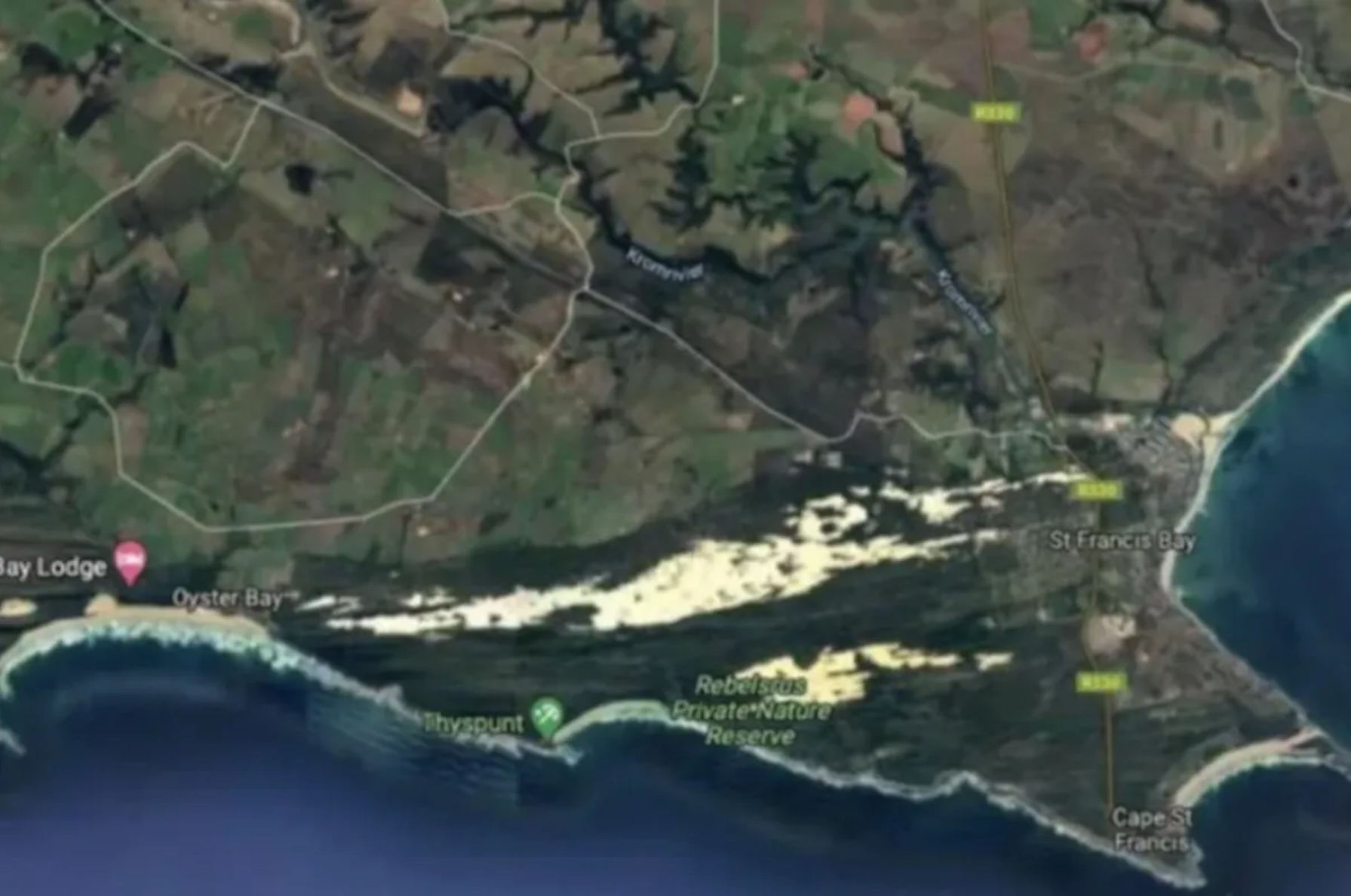
Lobishe described the department's decision as a substantive breakthrough for the largest infrastructure investment program ever undertaken in the Eastern Cape and the region. She emphasized that the Eastern Cape has long been positioned as a province "with development potential," and a nuclear power complex with an installed capacity of 5,200 MW will provide a strategic opportunity to fully transform this development potential into long-term endogenous economic momentum; Nelson Mandela Bay, as the economic engine of the Eastern Cape, possesses mature deep-water maritime port facilities, a deep industrial foundation in automotive and high-end equipment manufacturing, comprehensive engineering contracting capabilities, and strong research support from Nelson Mandela University, making it a natural industrial hub for undertaking and servicing large-scale nuclear-related energy infrastructure of this magnitude.
In elaborating on the pathways through which the nuclear project will empower the regional economy, Lobishe explicitly proposed five core opportunities: first, building solid and reliable zero-carbon baseload power support to consolidate the energy competitiveness of the regional equipment manufacturing industry and safeguard employment for industrial workers; second, creating direct employment and skills certification opportunities for local youth during the multi-year construction cycle and decades-long long-term operation period; third, opening supply chain procurement channels for small, medium and micro enterprises (SMMEs) and cooperatives in logistics, civil engineering, logistical support and comprehensive ancillary services around the bay and in the Kouga area; fourth, deepening research-industry collaboration with higher education institutions and Technical and Vocational Education and Training (TVET) colleges to cultivate a new generation of nuclear engineering technical backbone, welders and highly skilled artisans; fifth, through major project traction, advancing the upgrading of public infrastructure such as road transportation networks and regional water supply networks, creating long-term assets that benefit local residents.
Previously, a high-level delegation led by Eastern Cape Premier Oscar Mabuyane traveled specifically to the Western Cape to conduct an on-site inspection of the Koeberg Nuclear Power Station, which has been operating safely for over 40 years. The delegation included representatives from the Sarah Baartman District leadership, the Coega Development Corporation, the Automotive Industry Development Centre (AIDC), the Eastern Cape Socio-Economic Consultative Council (ECSECC), and Khoi-San traditional leaders, and conducted in-depth on-site research into the Koeberg Nuclear Power Station's multiple nuclear safety barriers, strict environmental radioactive monitoring network, localized material procurement standards, and long-term safe coexistence practices.
Lobishe pointed out that the delegation's on-site observations at the Koeberg Nuclear Power Station confirmed that modern nuclear power, under rigorous and meticulous engineering management, is fully capable of coexisting harmoniously with coastal ecological wetlands, the coastal tourism economy, and the lives of surrounding residents. Regarding the extremely high entry thresholds set by the Department of Forestry, Fisheries and the Environment for the next stage of the EIA—including the requirement for detailed thematic assessments on wetland hydrogeology, marine biological ecology, impacts on the Chokka Squid fishery unique to the proposed sea area, protection of historical and cultural heritage sites, freshwater supply security, and resettlement of surrounding residents—the local government expressed full support and welcome, and urged surrounding fishing communities, cultural heritage protection institutions, and commercial entities to actively participate in the subsequent public stakeholder engagement process.
The Nelson Mandela Bay municipal government will continue to strengthen the multi-party regular communication mechanism with Eskom, Kouga Local Municipality, state-owned enterprises, business organizations, traditional leaders, and the Eastern Cape provincial government, strictly safeguard the ecological and environmental bottom line, and ensure that the industrial spillover dividends and long-term economic benefits of this major nuclear energy project are shared equitably across the province.
Disclaimer: Information republished from partner media, institutions or other websites is provided for reference and communication purposes only. It does not imply endorsement of its views or verification of its accuracy. Please contact us if any content infringes rights or requires correction.