

Rosatom Launches Nuclear Instrumentation Technology Cluster to Produce Radiation Monitoring and Dosimetry Detectors
Rosatom has recently launched a nuclear instrumentation technology cluster at its subsidiary Instrument Engineering Specialized Research Institute JSC. The cluster will be used for the development and mass production of detectors for applications including radiation monitoring, personal dosimetry, medical and scientific research. According to reports, the science and technology complex will concentrate the synthesis of new materials, the manufacture of detectors and electronic components, the application of special coatings, and post-processing operations such as painting and polymerization in a single location. With the key process chain from R&D and testing to production centralized in one place, the development cycle for related products is expected to be shortened, and production costs will be reduced accordingly. Rosatom...
2026-09-11

Rosatom and Petrovietnam to Build Additive Manufacturing Center Together
The Fuel Division of Rosatom and Petrovietnam signed an agreement to jointly advance a project to build an additive manufacturing center in Vietnam. The document exchange ceremony was held on September 9, 2026. Under the agreement, the two sides defined the scope of equipment and the delivery schedule required to establish a fully functional 3D printing center in Vietnam. The project is intended to introduce 3D printing equipment produced by the Fuel Division of Rosatom, using selective laser melting and direct laser deposition technologies for the manufacture of metal parts. At the same time, the agreement also includes arrangements for the delivery of related Russian equipment for heat treatment, turning, laboratory analysis, and other purposes. The Vietnamese side stated...
2026-09-10
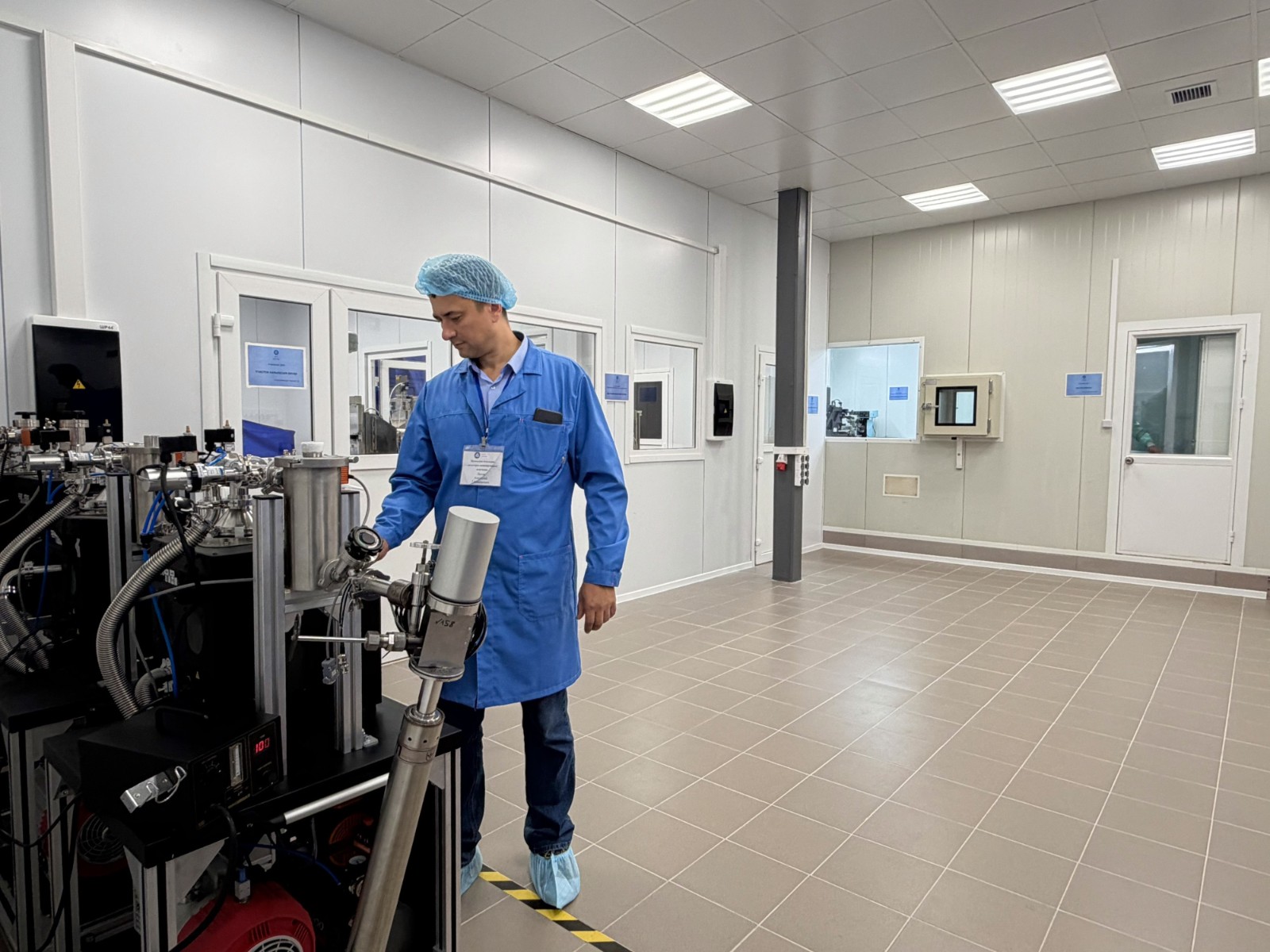
Rosatom Launches Full-Cycle Production of High-Purity Germanium Detectors
Rosatom announced on September 9 that its subsidiary enterprises have begun producing detectors made of high-purity germanium and have established a complete domestic technology chain in Russia, from deep purification of germanium raw materials and detector manufacturing to the assembly of spectrometers and measurement instruments. The final stage of this production chain is located at a new production facility of a plant under Rosatom's Automated Control Systems and Electrical Engineering Division. To meet the requirements for processing ultrapure materials, the facility has specially built a cleanroom compliant with ISO Class 8 standards to reduce contamination of germanium materials, improve product stability and extend equipment service life. High-purity germanium detectors are a key...
2026-09-10
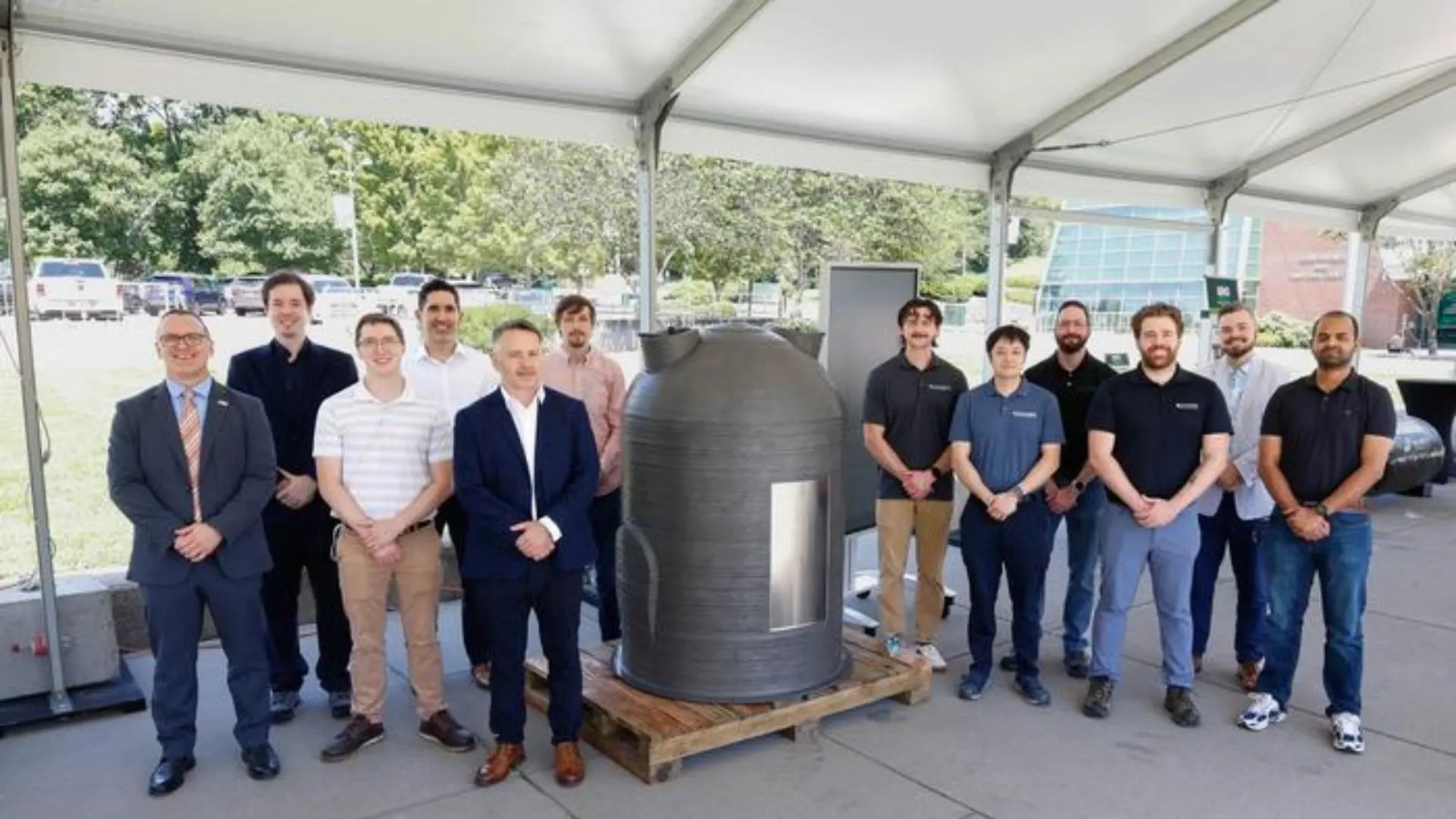
US Oak Ridge National Laboratory Advances 3D-Printed Nuclear Components Manufacturing and Certification
The US Oak Ridge National Laboratory (ORNL) is working with industry partners to advance the application of advanced manufacturing technologies, with a focus on heavy-duty 3D printing, AI-driven automated manufacturing, and digital qualification methods, to address issues such as unstable US industrial supply chains, shortages of skilled workers, and long lead times for large custom components. At an advanced manufacturing facility in Tennessee, ORNL demonstrated two large-scale 3D printing manufacturing cases for the nuclear energy sector. Among them, a three-arm robotic system called MedUSA printed a steel nuclear pressure vessel approximately 3 feet by 5 feet with complex dome geometry by guiding molten steel. Researchers said...
2026-09-10
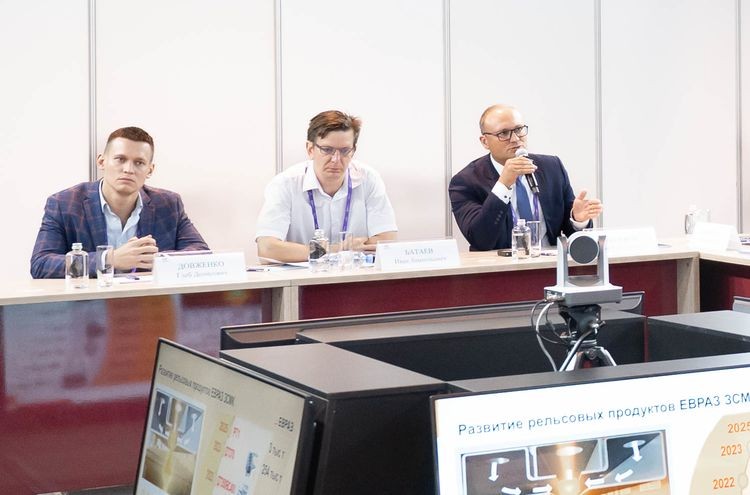
Russia's EVRAZ Plans to Develop High-Performance Railway Rails Using SKIF Synchrotron Radiation Platform
Russian railway infrastructure component manufacturer EVRAZ PJSC plans to cooperate with the SKIF Collective Use Center to develop new alloys and high-performance rails using synchrotron radiation experimental capabilities, aiming to improve the mechanical properties and operational reliability of rails. At a roundtable discussion on "Development of New Structural and Tool Materials and Mechanical Engineering Technologies Using Synchrotron Radiation" held during the Technoprom 2026 forum, participating experts discussed the application prospects of the SKIF Collective Use Center in the development of high-quality rolled metal products. EVRAZ stated that Russia's railway operating environment is complex, with long line distances, numerous mountain routes, prominent low-temperature conditions, coupled with growing freight volumes, placing higher demands on steel materials...
2026-09-07
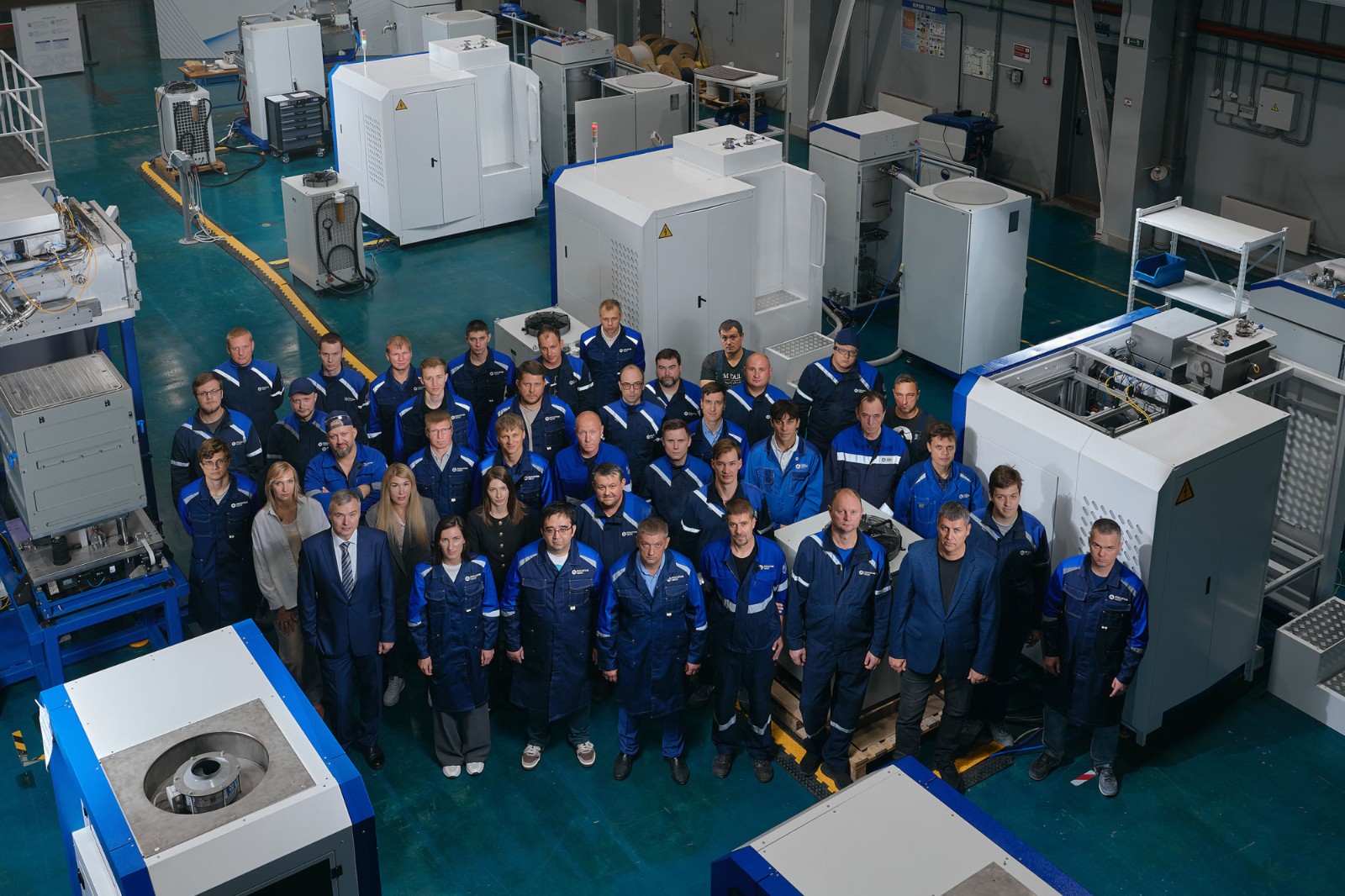
Rosatom Fuel Division Completes Assembly of 30th Industrial Metal 3D Printer
On September 3, 2026, the Moscow Additive Manufacturing Technology Center of Rosatom's Fuel Division completed the assembly of its 30th industrial metal 3D printer. The equipment is the medium-sized RusMelt 300M, a flagship model in Rosatom's metal 3D printer product line. The rollout of the 30th unit coincides with the 30th anniversary of TVEL JSC, the management company of Rosatom's Fuel Division. According to reports, the additive manufacturing technology business unit of Rosatom's Fuel Division currently produces industrial-grade 3D printers capable of meeting manufacturing needs for components of various sizes, utilizing mainstream metal additive manufacturing technologies such as selective laser melting (SLM), direct metal deposition (DMD), and electron beam additive manufacturing (EBAM)...
2026-09-04
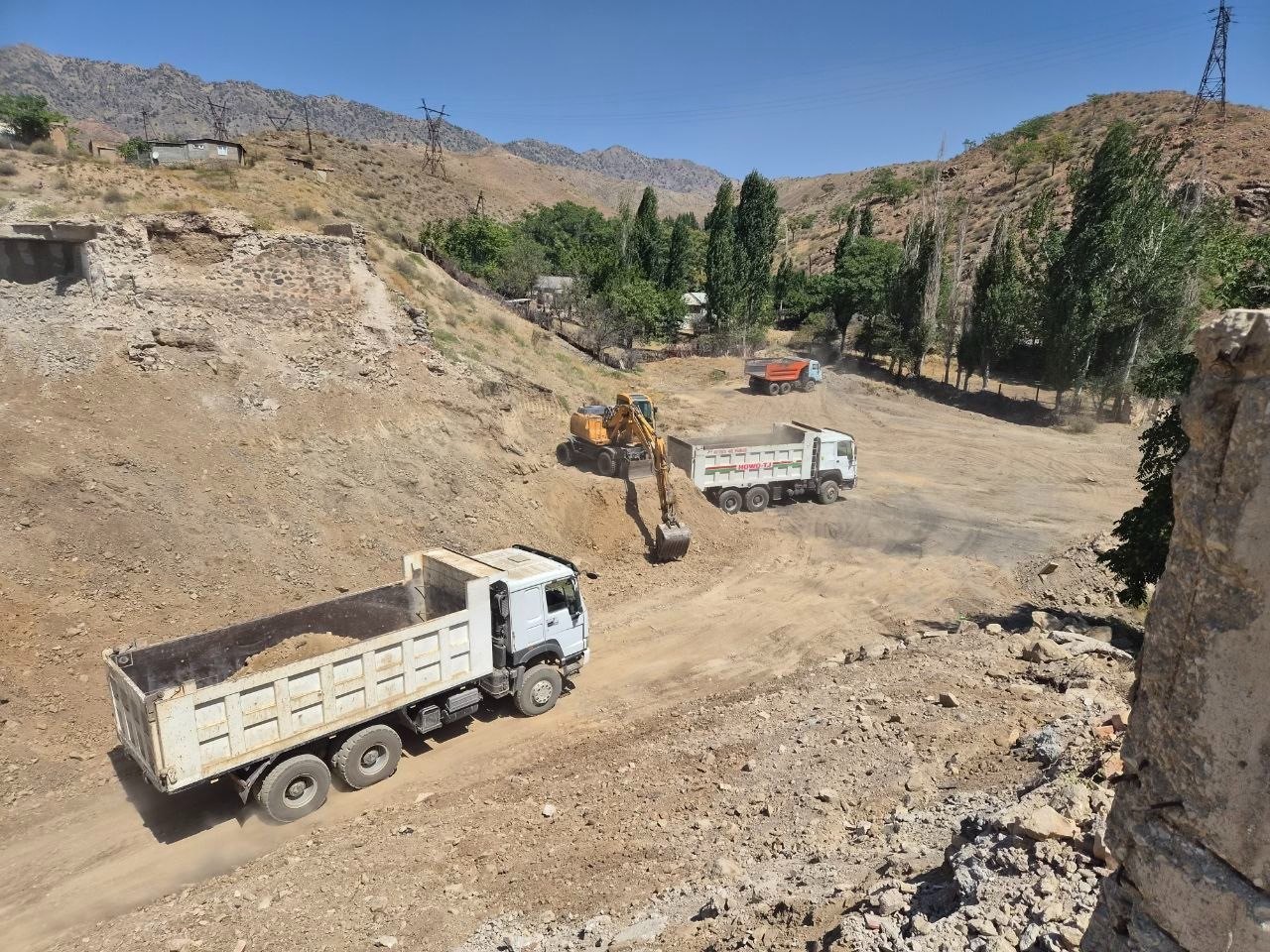
Russia launches remediation of legacy uranium sites at Taboshar facility in Tajikistan
Rosatom has recently launched remediation work at the legacy uranium production site of Workshop No. 3 at the Taboshar facility in Tajikistan, through its fuel division subsidiary, the Central Design and Technology Institute (JSC CPTI). The site is located in the village of Istiklol, Sughd Region, Republic of Tajikistan. The remediation is carried out under the intergovernmental agreement between the Russian Federation and the Republic of Tajikistan on cooperation in remediating areas affected by uranium mining and ore production, with the goal of improving the local environmental conditions and creating conditions for the future safe use of the area. Prior to the commencement of the work, JSC CPTI had completed remediation design and estimate documentation for two facilities in the Sughd Region,...
2026-09-02
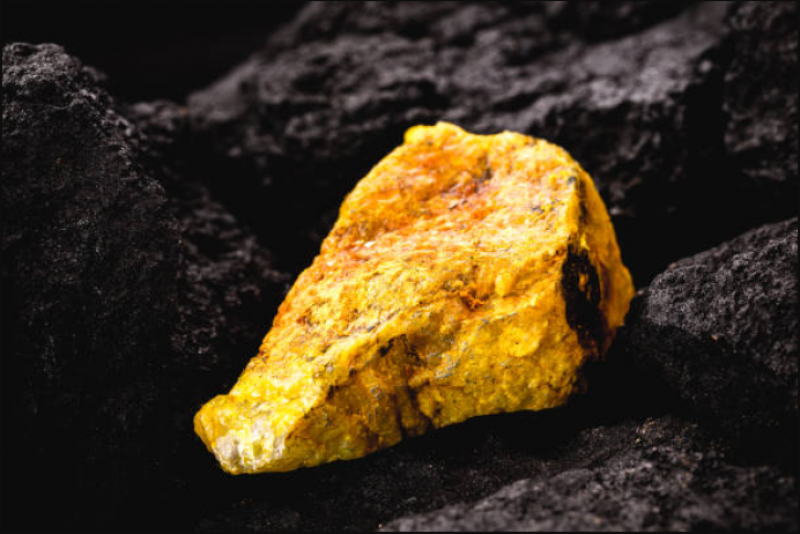
U.S. Proposes Clearer Groundwater Protection Standards for In-Situ Uranium Recovery Sites
The U.S. Nuclear Regulatory Commission (NRC) on September 1 proposed a rule aimed at establishing clearer groundwater protection standards for communities surrounding in-situ uranium recovery sites, while streamlining the process for extending decommissioning deadlines for radioactive materials facilities and nuclear reactors, reducing redundant administrative steps without compromising safety. The rule addresses two aspects under NRC oversight. First, it proposes risk-informed regulatory standards for protecting drinking water near in-situ uranium recovery facilities, designed to guard against both radiological and non-radiological contamination. In-situ uranium recovery is a method of uranium extraction that involves injecting solution into uranium-bearing ore bodies to dissolve underground uranium resources and pump them to the surface for recovery. Second, it proposes to simplify the process for facility owners to apply for extensions of decommissioning deadlines. The NRC stated that current time requirements are relatively rigid and may lead to premature license termination; the proposed changes aim to reduce applicant costs, improve regulatory efficiency, and provide clearer expectations for communities and facility operators.
2026-09-02
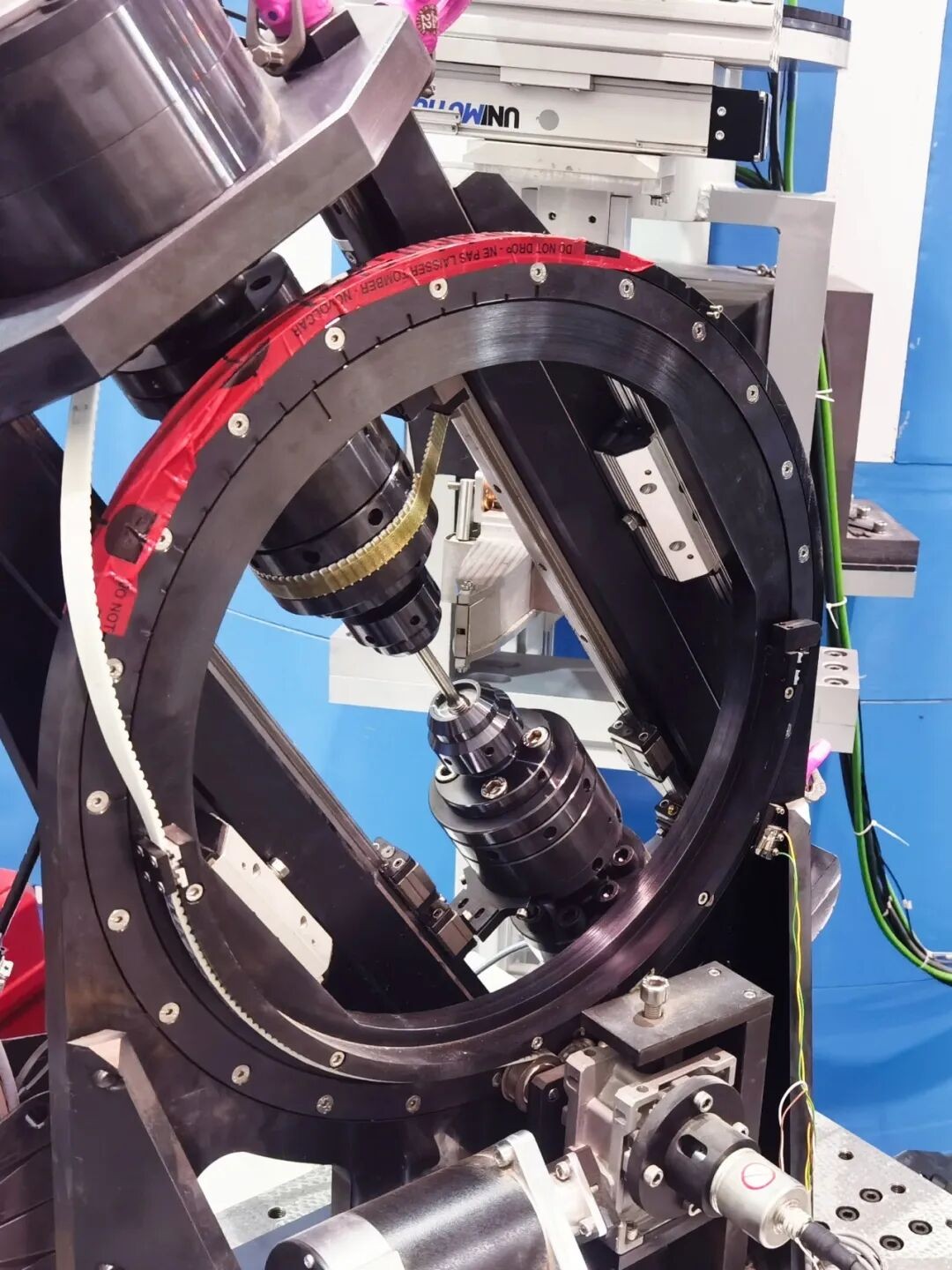
Major Breakthrough in Residual Stress Research on Key Aviation Materials in China
Nickel-based single-crystal superalloys are key materials for manufacturing turbine blades in aviation engines. Recently, the neutron scattering team from the Department of Nuclear Physics at the China Institute of Atomic Energy (CIAE) under CNNC, leveraging the Engineering Science Stress Spectrometer at the China Advanced Research Reactor (CARR), overcame technical challenges in residual stress measurement of single-crystal superalloys and established a precise three-dimensional residual stress testing method based on neutron diffraction. This provides an effective solution for residual stress assessment of critical aviation materials and lays a solid methodological foundation for the in-depth application of the CARR Engineering Science Stress Spectrometer in high-end manufacturing. During high-temperature heat treatment or service of nickel-based single-crystal superalloys...
2026-09-02
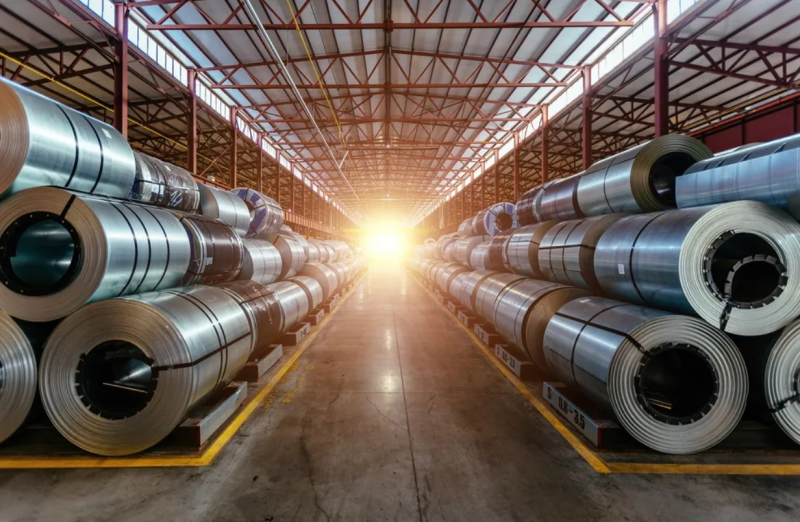
Northeast Regional Office of the Ministry of Ecology and Environment Conducts Research on Radiation Risk Prevention and Control in the Scrap Metal Recycling and Smelting Industry
To strengthen radiation risk prevention and control across the entire chain of the scrap metal recycling and smelting industry and guide young cadres to conduct research and tackle challenges at the grassroots level, the Northeast Regional Office of Nuclear and Radiation Safety Supervision of the Ministry of Ecology and Environment (hereinafter referred to as the Northeast Regional Office) recently conducted special research at scrap metal resource recycling and steel smelting enterprises as well as customs ports. This research comprehensively mapped out the sources of scrap metal recycling, supply destinations, and the current status of radioactive monitoring management in the processing and sorting stages; focused on verifying the effectiveness of radiation monitoring requirements implementation at steel smelting enterprises, and meticulously examined the monitoring point deployment and control measures at key stages such as raw material entry, production process connection, and product shipment; further clarified the import and export radioactive monitoring management procedures, coordination and linkage working mechanisms, and the response and handling of abnormal events; and conducted in-depth exchanges and discussions with relevant units on some issues identified during the research.
2026-09-01
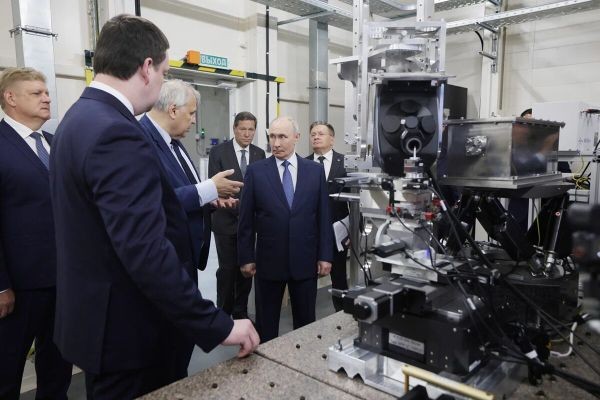
First experiments at Russia's SKIF microfocus station to target "invisible" gold deposits and extraterrestrial particle research
On August 19, 2026, the microfocus station, one of the first-stage experimental stations of the Russian SKIF Collective Use Center, announced its initial experimental directions. The station will utilize synchrotron radiation-based analytical techniques to study the elemental composition and structural characteristics of objects, serving fields such as geology, geophysics, microelectronics, and materials science. At the SKIF opening ceremony, Russian President Vladimir Putin inspected the microfocus station. According to the presentation, the station's first experiments will focus on the exploration and extraction of hard-to-recover gold, platinum, rare earth elements, and oil reserves. Ore sample research is a critical step in the development of new mineral deposits. By determining the elemental composition of rocks, researchers can...
2026-08-31
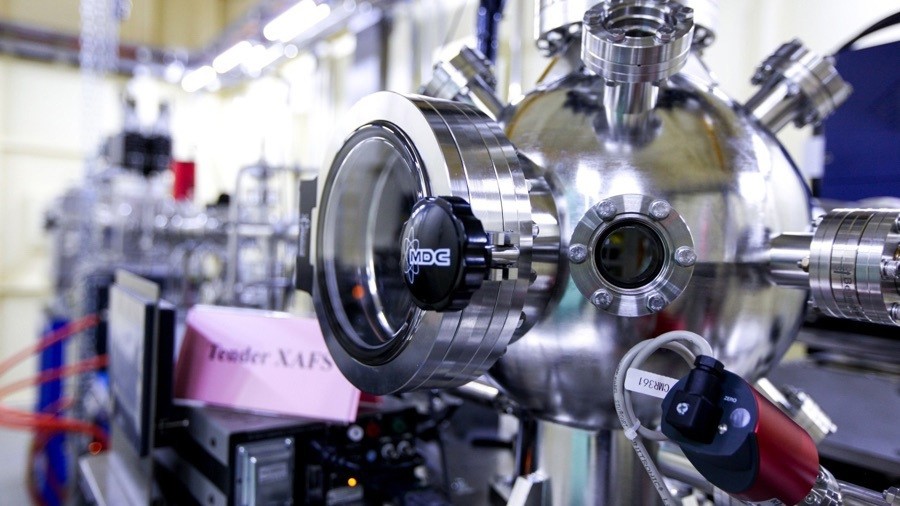
China's First Enterprise-Level Synchrotron Radiation Technology Application Research Platform Inaugurated in Shanghai
The Sinopec Shanghai Synchrotron Radiation Facility Energy and Chemical Science Laboratory, invested by Sinopec and jointly built with the Shanghai Advanced Research Institute of the Chinese Academy of Sciences, and based on the Shanghai Synchrotron Radiation Facility (SSRF) major scientific infrastructure, was recently inaugurated in Shanghai Zhangjiang Science City. This laboratory is the first enterprise-level synchrotron radiation technology application research platform in China. According to reports, the laboratory consists of three beamline stations and auxiliary laboratories, and will provide technical support and services for basic scientific research conducted by Sinopec and public users, with a focus on oil and gas exploration and development, petroleum refining and chemical engineering, and new energy and new materials. Once the platform is completed, it will help enhance the enterprise's capabilities in forward-looking and fundamental research, and provide scientific research support for cultivating new quality productive forces in China's energy and chemical industry.
2026-08-29
Russia and Egypt Plan to Jointly Establish Additive Manufacturing Center in Egypt
According to the fuel division of Rosatom, it has signed a joint statement of intent with the Egyptian Nuclear Power Plant Construction Supervision and Execution Authority (EA-SNPP), with both sides planning to cooperate in establishing an additive manufacturing center in Egypt. The statement said that Mahmoud Esmat, Minister of Electricity and Renewable Energy of the Arab Republic of Egypt, visited the Moscow Additive Manufacturing Center under the fuel division of Rosatom during his visit to Russia. Following the visit, the Russian fuel division and the Egyptian Nuclear Power Plant Project Supervision and Execution Authority signed the aforementioned statement, clarifying their cooperation in building an additive manufacturing center in Egypt. The cooperation revolves around additive manufacturing...
2026-08-28
3D Systems Collaborates with Savannah River National Laboratory to Advance 3D Printing in Nuclear Energy Systems
3D Systems Corporation of the United States announced on August 27 that it has signed a Cooperative Research and Development Agreement (CRADA) with Savannah River National Laboratory (SRNL), under which the two parties will conduct joint research and development on additive manufacturing technology to advance its application in advanced energy production, nuclear energy systems, energy infrastructure resilience, and related mission scenarios. Under the agreement, the two parties will leverage SRNL's Advanced Manufacturing Collaborative (AMC) to advance work in advanced materials development, equipment upgrades, AI and machine learning-assisted process optimization, manufacturing systems, cybersecurity, and workforce development. Collaboration goals include developing next-generation additive manufacturing materials, real-time process optimization tools, and scalable production solutions...
2026-08-28

CNNC Fuyuan (Beijing) Technology Co., Ltd. officially established, focusing on accelerator and radiation technology equipment
On August 26, 2026, CNNC Fuyuan (Beijing) Technology Co., Ltd. (abbreviated as: CNNC Fuyuan) was officially established. CNNC Fuyuan is a joint venture between China Isotope & Radiation Corporation (CIRC) and CNNC Atomic Energy Institute Technology Co., Ltd., with nuclear technology equipment as its core business and radiation technology empowering industrial upgrading. Leveraging the Atomic Energy Institute's profound accumulation in accelerator technology over more than 70 years, as well as CIRC's market-oriented industrialization capabilities, the company builds a deeply integrated industry closed loop encompassing research, education, application, and utilization, strengthening and complementing the nuclear technology equipment industry chain. Looking ahead, CNNC Fuyuan will adhere to the dual-drive approach of independent innovation and achievement transformation, starting with accelerators, breaking through the boundaries of single products, and extending toward full-spectrum radiation technology,...
2026-08-28
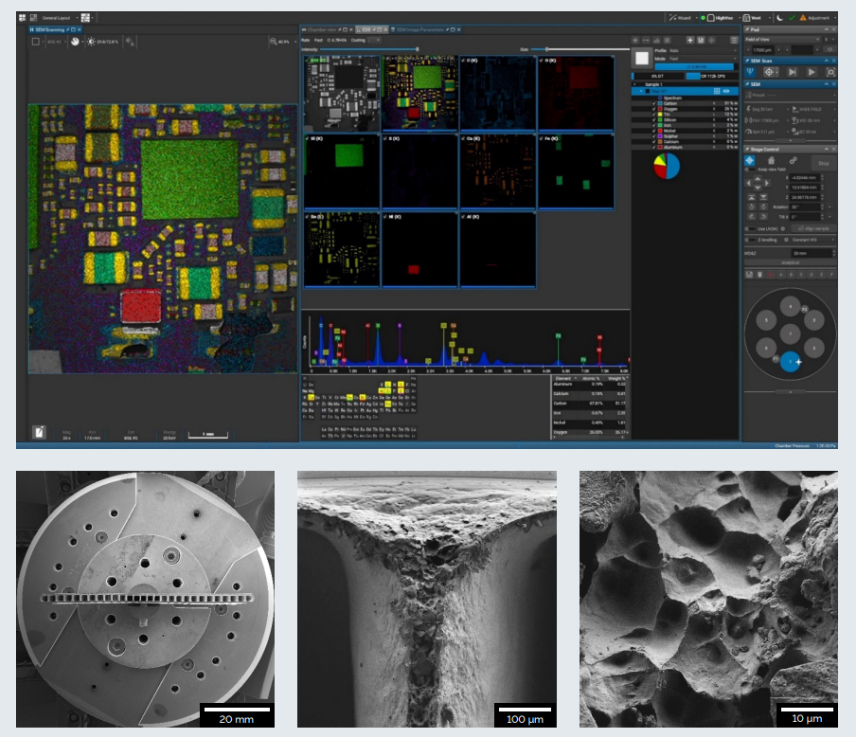
Tescan Launches MIRA XR Ultra-High-Resolution Scanning Electron Microscope for Materials Characterization and Failure Analysis Applications
Tescan recently launched the MIRA XR ultra-high-resolution scanning electron microscope system, targeting materials characterization needs in fields such as battery technology, metallurgy, and advanced materials science. Positioned between the Tescan MIRA and Tescan CLARA, the system aims to deliver higher resolution, enhanced surface sensitivity, and a more streamlined workflow, serving applications including R&D laboratories, industrial quality control, and failure analysis. According to reports, the MIRA XR employs BrightBeam™ technology and a single high-efficiency axial detector to improve surface signal acquisition under field-free imaging conditions, making it suitable for beam-sensitive materials and magnetic samples while reducing the need for sample preparation steps such as surface coating. The system also features an aperture-free column design that minimizes manual aperture selection and adjustment steps, allowing operators to focus more on sample observation and data analysis.
2026-08-26
IsoEnergy Signs Agreement with Kineepik Métis Local to Advance Uranium Exploration in Saskatchewan, Canada
On August 24, 2026, IsoEnergy Ltd. announced that it has signed an exploration agreement with Kineepik Métis Local Inc. to support its responsible uranium exploration activities in Saskatchewan, Canada. Under the agreement, the two parties will establish mechanisms for ongoing communication, information sharing, and collaboration around IsoEnergy's exploration activities in the relevant region. The agreement also provides that Kineepik community members and local businesses may participate in exploration-related work through business partnerships, employment opportunities, and training programs. Kineepik Métis Local Inc. represents Métis rights holders residing within the Kineepik use and occupancy area, including...
2026-08-26
U.S. Develops Hybrid Process Combining Electroforming and 3D Printing for Critical Component Manufacturing in Advanced Nuclear Reactors
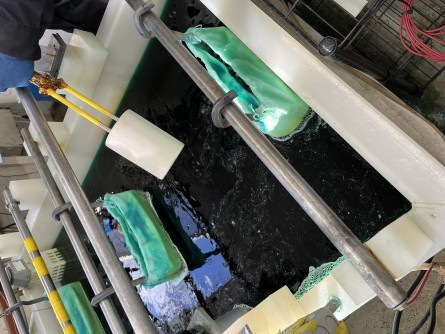
On August 24, local time, the U.S. Department of Energy's Oak Ridge National Laboratory (ORNL) announced that its scientists are collaborating with AJ Tuck Company (AJ Tuck) to develop a hybrid manufacturing process that combines 3D printing and electroforming to produce complex, leak-tight hot isostatic pressing canisters for powder metallurgy hot isostatic pressing processes. The process targets the manufacturing of critical metal components for advanced nuclear reactors and other energy and defense applications, with the goal of shortening production workflows and reducing reliance on traditional large-scale forging and casting supply chains. A hot isostatic pressing canister is a type of sealed container used to compact metal powders into high-performance metal components under high temperature and high pressure. Traditional hot...
2026-08-26

Ur-Energy Ships First Uranium from Shirley Basin Mine to Lost Creek Processing Plant
U.S. uranium producer Ur-Energy announced that on August 19, 2026, its Shirley Basin uranium mine in Wyoming shipped its first uranium to the Lost Creek processing plant in the same state. This marks the company's second in-situ recovery (ISR) uranium mine entering full production and beginning its ramp-up phase. Ur-Energy President and CEO Matt Gili stated that the shipment of first uranium signifies the full commissioning of the Shirley Basin project and represents the company's transition into a multi-asset U.S.-based uranium producer. According to him, the Shirley Basin project took approximately two and a half years from planning and construction to production. The Shirley Basin uranium mine is Ur-Energy's second in-situ uranium...
2026-08-21
Berkeley Lab Leads Development of Portable Active-Source Muon Imager
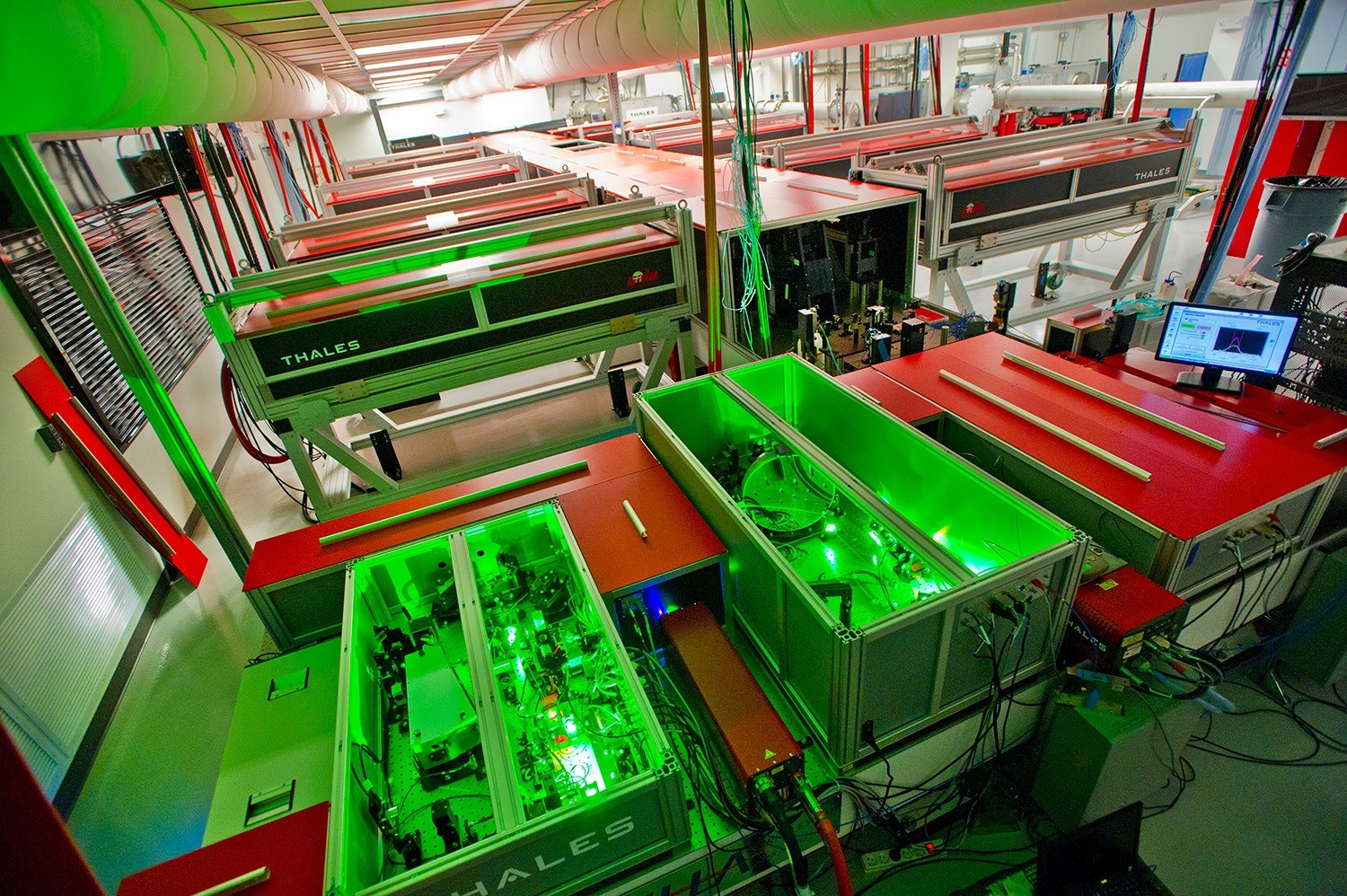
The U.S. Department of Energy's Lawrence Berkeley National Laboratory and Ideon Technologies have received funding from the DOE's Advanced Research Projects Agency-Energy (ARPA-E) to jointly develop a field-deployable active-source muon imaging technology through the Reliable Ore Characterization Using Cornerstone Sensing Technologies (ROCKS) program. The three-year project aims to enhance the detection and characterization of underground critical mineral resources. Image credit: Lawrence Berkeley National Laboratory. Muons are subatomic particles with strong penetrating capability. Previously, Ideon Technologies has used passive muons produced by cosmic rays in the atmosphere for ore body imaging in the mining sector, mapping mineral deposits and analyzing subsurface structures. However, passive muons primarily arrive from above, limiting detection angles; additionally, the natural flux is low—approximately one per square centimeter per minute—and imaging often requires days, weeks, or even months.
2026-08-20
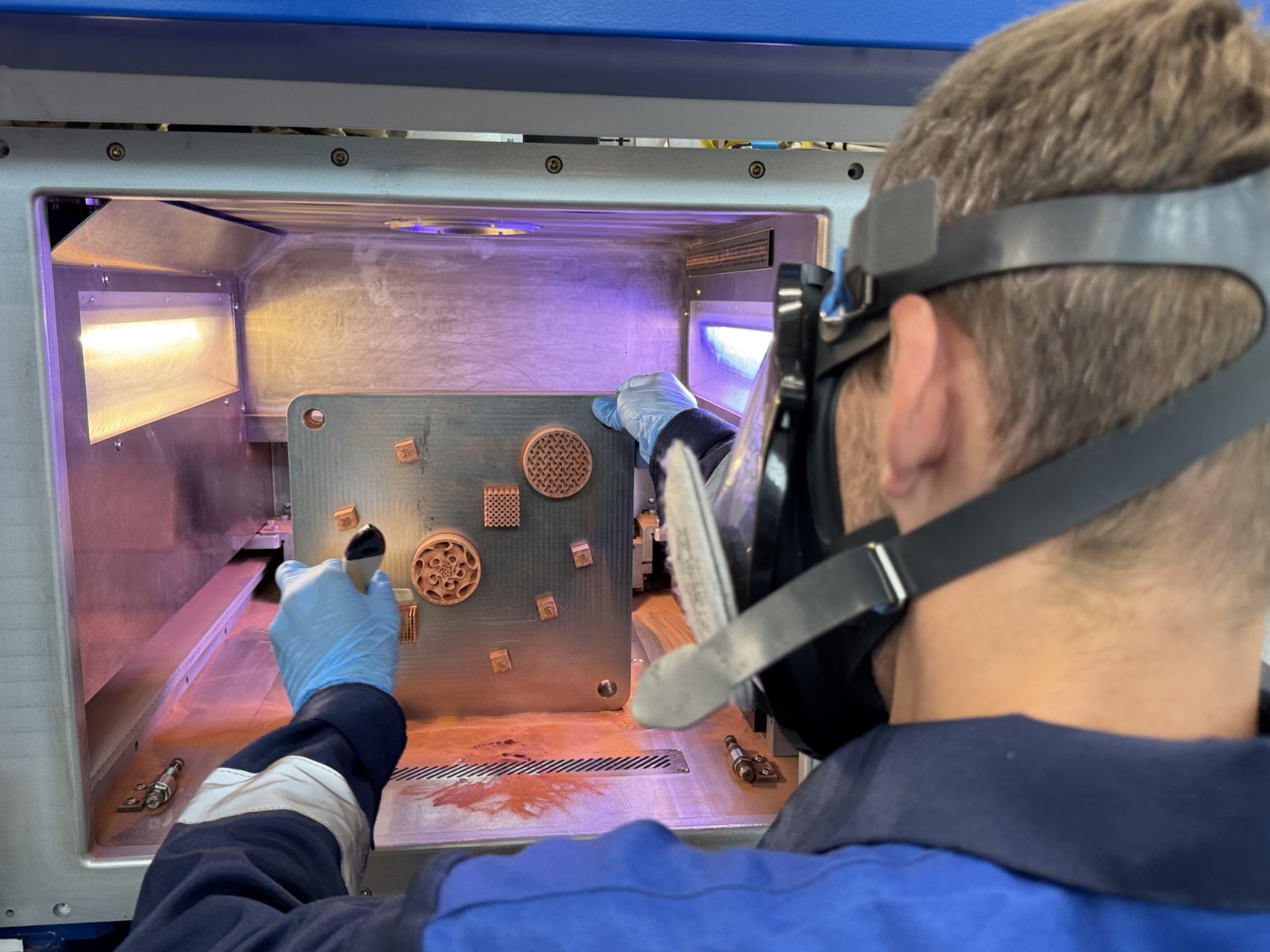
Rosatom masters 3D printing technology for copper and copper alloys
The additive manufacturing technology business division of Rosatom's Fuel Division recently announced that its experts have successfully manufactured products from copper and copper alloys using the RusMelt industrial 3D printer, marking progress in additive manufacturing with copper materials. According to reports, Rosatom had previously used selective laser melting (SLM) technology to produce metal 3D-printed equipment of various sizes, with commonly used materials including stainless steel, heat-resistant materials, and titanium. Due to copper's physical properties such as high thermal conductivity and high electrical conductivity, which also pose technical challenges for laser melting, its application in metal 3D printing has long been limited. The company's additive manufacturing technology center in Moscow...
2026-08-19
Reading Ranking
- 1 Rosatom and Petrovietnam to Build Additive Manufacturing Center Together
- 2 US Oak Ridge National Laboratory Advances 3D-Printed Nuclear Components Manufacturing and Certification
- 3 Rosatom Launches Nuclear Instrumentation Technology Cluster to Produce Radiation Monitoring and Dosimetry Detectors
- 4 Russia and Egypt Plan to Jointly Establish Additive Manufacturing Center in Egypt
- 5 Rosatom Launches Full-Cycle Production of High-Purity Germanium Detectors
- 6 IAEA Trains Ukrainian Experts in Non-Destructive Testing Techniques to Assess Damaged Infrastructure
- 7 Russia's EVRAZ Plans to Develop High-Performance Railway Rails Using SKIF Synchrotron Radiation Platform
- 8 China Isotope & Radiation's National Headquarters for Irradiation Application Industry Settles in Guangzhou
- 9 Tescan Launches MIRA XR Ultra-High-Resolution Scanning Electron Microscope for Materials Characterization and Failure Analysis Applications
- 10 Türkiye Plans 17,000-Ton Uranium Drilling Program, Accelerating Nuclear Energy Autonomy Strategy
- 11 Terra Innovatum Selected for Global X Uranium ETF Tracking Nuclear Index, Microreactor SOLO™ Gains Passive Fund Exposure
- 12 Malaysia's Non-Destructive Testing Capabilities Gain International Recognition, Exporting Training and Technical Services to Asia-Pacific Region
- 13 Romania in Talks to Purchase 300 Tons of Uranium from Niger, Nuclear Fuel Supply Diversification Faces Legal Uncertainties
- 14 U.S. Proposes Clearer Groundwater Protection Standards for In-Situ Uranium Recovery Sites
- 15 CGN Dasheng NDT Helps Power Batteries Pass Quality Tests Smoothly