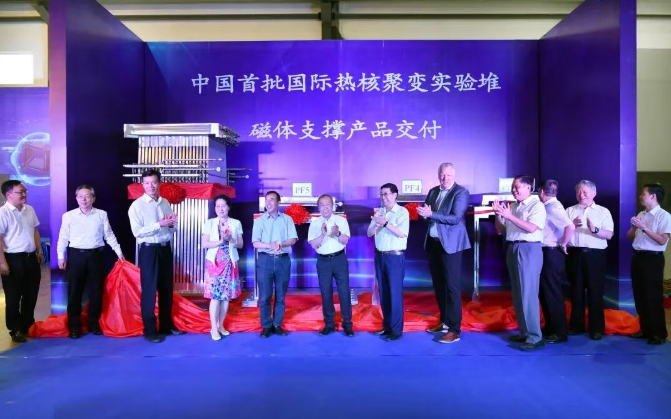
Recently, the project "Research on Key Components, Materials and Forming Processing Technology for Controlled Nuclear Fusion Devices," declared by Guizhou Aerospace Xinli Technology Co., Ltd., has been successfully approved as a 2026 Guizhou Provincial Science and Technology Major Special Project, marking a key step for the enterprise in deeply participating in the national future energy strategy and the localization of fusion equipment. The approved Science and Technology Major Special Project will take key components of the blanket system as its entry point, focusing on tackling materials and forming processes under extreme environments. The project advances simultaneously along three main lines: first, breaking through the development technology of special materials and components for the first wall that directly faces the plasma; second, overcoming the forming and processing challenges of core equipment such as blanket shielding blocks; third, establishing...
2026-10-22

Opinions of the Central Committee of the Communist Party of China and the State Council on Developing New Quality Productive Forces. Developing new quality productive forces is an intrinsic requirement and an important focus for promoting high-quality development. To accelerate the development of new quality productive forces, the following opinions are hereby put forward. I. General Requirements. We must adhere to Xi Jinping Thought on Socialism with Chinese Characteristics for a New Era as our guide, thoroughly implement the spirit of the 20th National Congress of the Party and all its plenary sessions, earnestly implement the arrangements of the Fourth Plenary Session, fully, accurately and comprehensively implement the new development philosophy, uphold innovation as the lead, reform as the key, adaptation to local conditions, and establishing the new before abolishing the old, uphold high technology, high efficiency and high quality, and properly handle the relationships between the government and the market, between qualitative state and business forms, between reform and development, and between self-reliance and opening up,...
2026-10-10
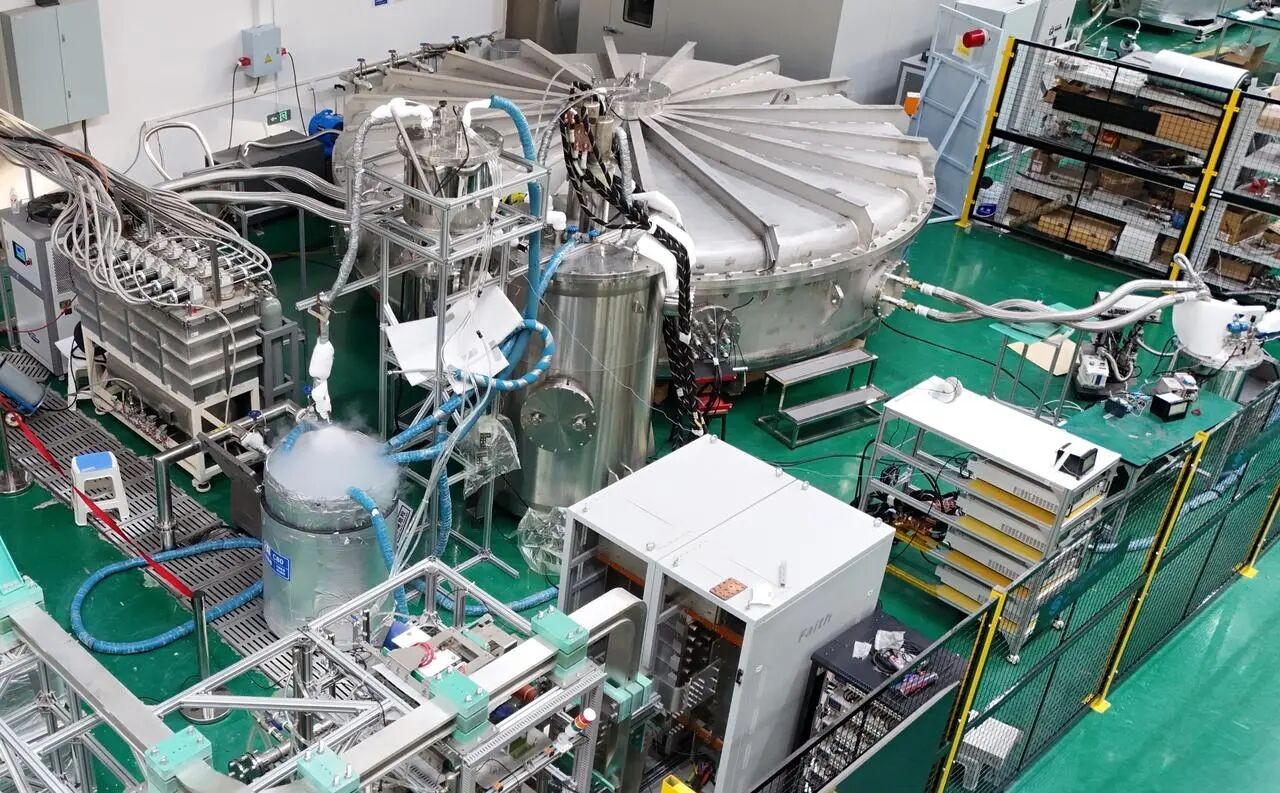
Startorus Fusion (HTS) recently announced that its independently developed central solenoid (CS) model magnet for a spherical tokamak device (tokamak) successfully completed a 6350 A cryogenic current-carrying and rapid discharge test under harsh cryogenic conditions. Test results showed that the magnet achieved a maximum magnetic field of 10 T and a magnetic field change rate of up to 63 T/s, setting a new record for the magnetic field change rate of known fusion superconducting magnets. This test was conducted at 20 K (-253 °C). The magnet not only successfully reached a maximum magnetic field strength of 10 T, with a central magnetic field of 7.6 T, but also smoothly completed the rapid discharge test required for tokamak ohmic discharge. As a...
2026-10-09
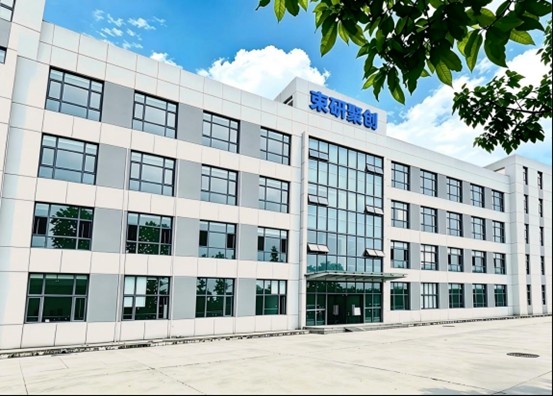
Recently, the neutral beam injection (NBI) system prototype independently developed by Shuyan Juchuang, a domestic upstream commercialization company in controlled nuclear fusion, was officially completed, and on September 30, 2026, it successfully completed the first neutral beam plasma discharge verification. This marks the landing of China's first neutral beam engineering verification prototype fully independently developed along the entire chain by an upstream fusion commercialization company, achieving a technical closed loop from system design to productization verification. It is expected that the relevant capabilities of the system will reach an engineering state ready for direct commercial procurement in December this year. With the smooth completion and successful discharge of this prototype, the company's 2026 annual strategic goals set at the beginning of the year have all...
2026-10-08
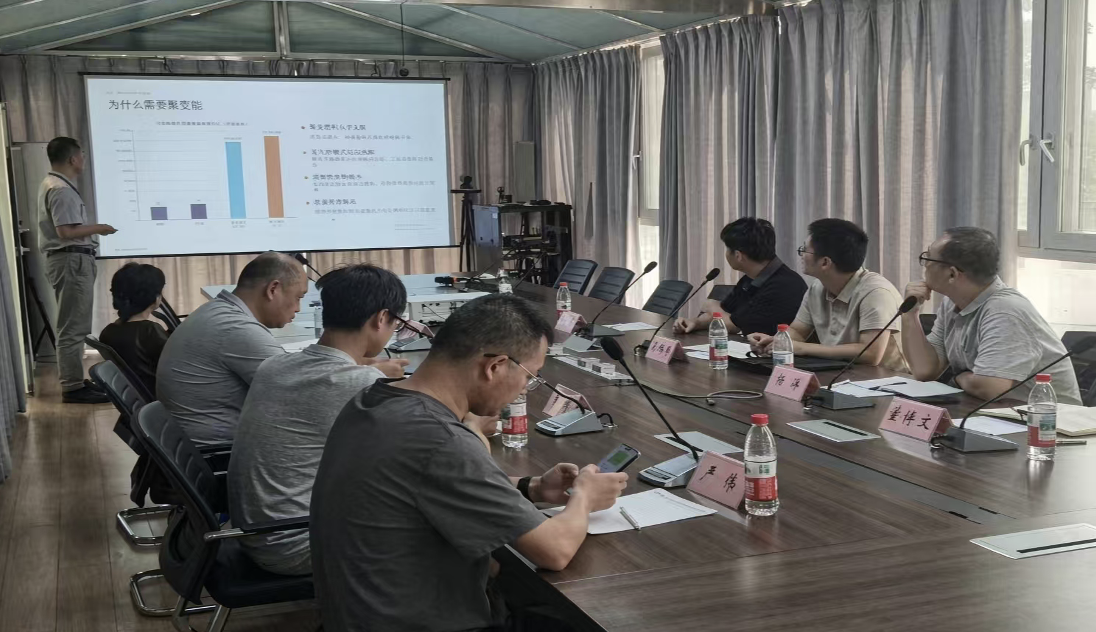
Recently, the South China Nuclear and Radiation Safety Regulatory Station of the Ministry of Ecology and Environment (hereinafter referred to as the South China Regulatory Station) conducted a radiation safety regulatory inspection of the J-TEXT tokamak fusion experimental device at Huazhong University of Science and Technology. As the only large and medium-sized tokamak experimental device among Chinese universities, J-TEXT bears the important mission of fusion talent cultivation and frontier physics experiments. The South China Regulatory Station focused on key aspects including equipment operation, radiation protection, and authorization management, meticulously investigated safety hazards, verified the implementation of safety management systems, and urged Huazhong University of Science and Technology to promptly plug safety loopholes and standardize device operation procedures, effectively fortifying the defense line for the safe and stable operation of the fusion experimental device, thereby providing a solid safety guarantee for the orderly conduct of scientific research experiments...
2026-10-08
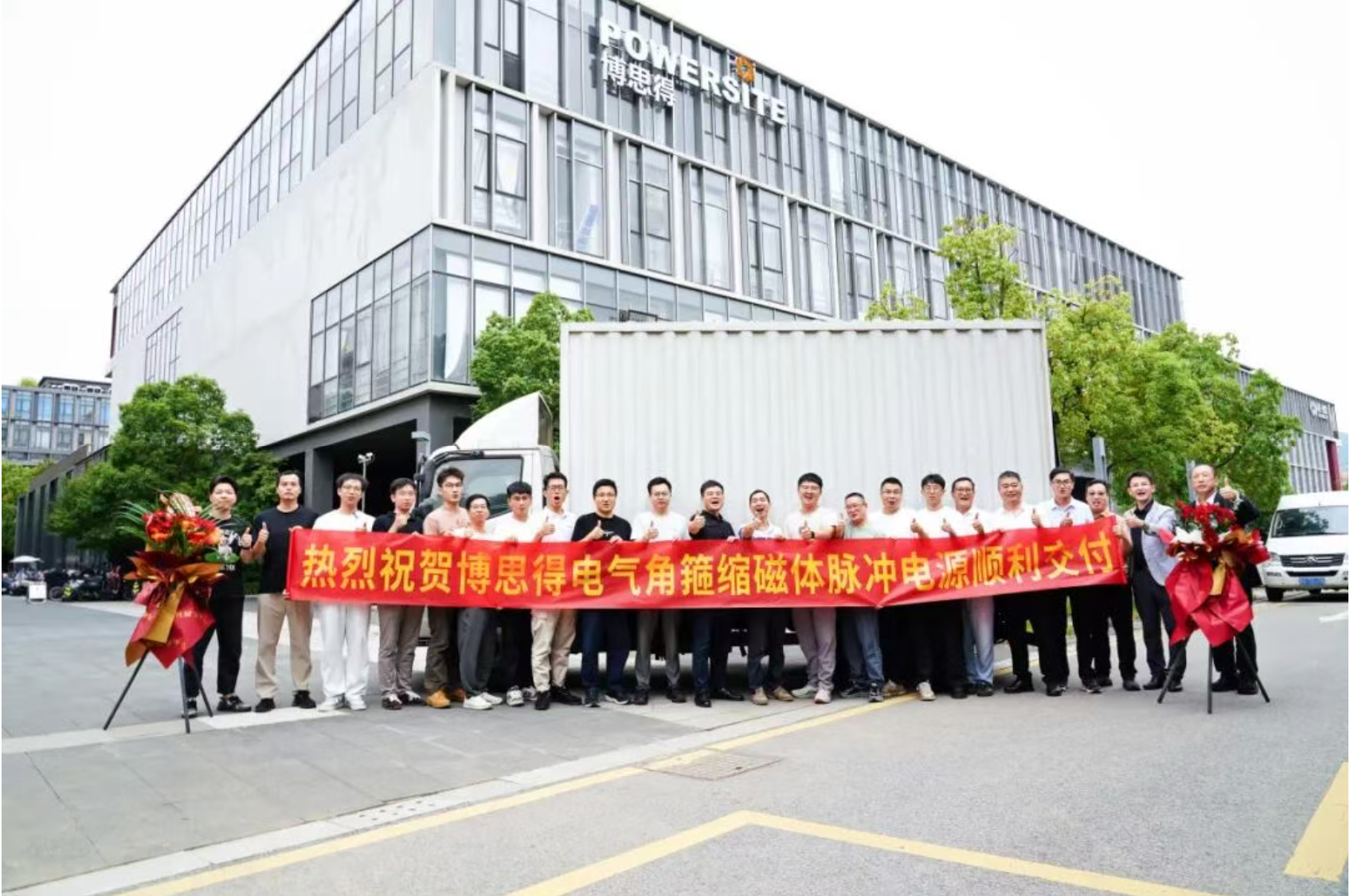
Recently, the angular pinch magnet pulsed power supply (TP power supply) independently developed by Poskom has completed delivery, marking that this X-ray high-voltage power supply manufacturer has officially entered the controlled nuclear fusion track. This power supply primarily serves experiments including angular pinch, field-reversed configuration (FRC), magnetized plasma generation, and magnetic confinement compression. It is key specialized power equipment for magnetic confinement controlled nuclear fusion and high-energy-density physics research, featuring hardcore capabilities such as nanosecond-level multi-stage multi-channel pulse timing coordination, waveform fidelity under ultra-high current and strong electromagnetic interference, and precise regulation of mutual inductance coupling multi-waveform attenuation, capable of matching the demanding operating conditions of frontier fusion experiments. Poskom was founded in 2015, focusing on specialized high-voltage power supplies, pulsed...
2026-10-03
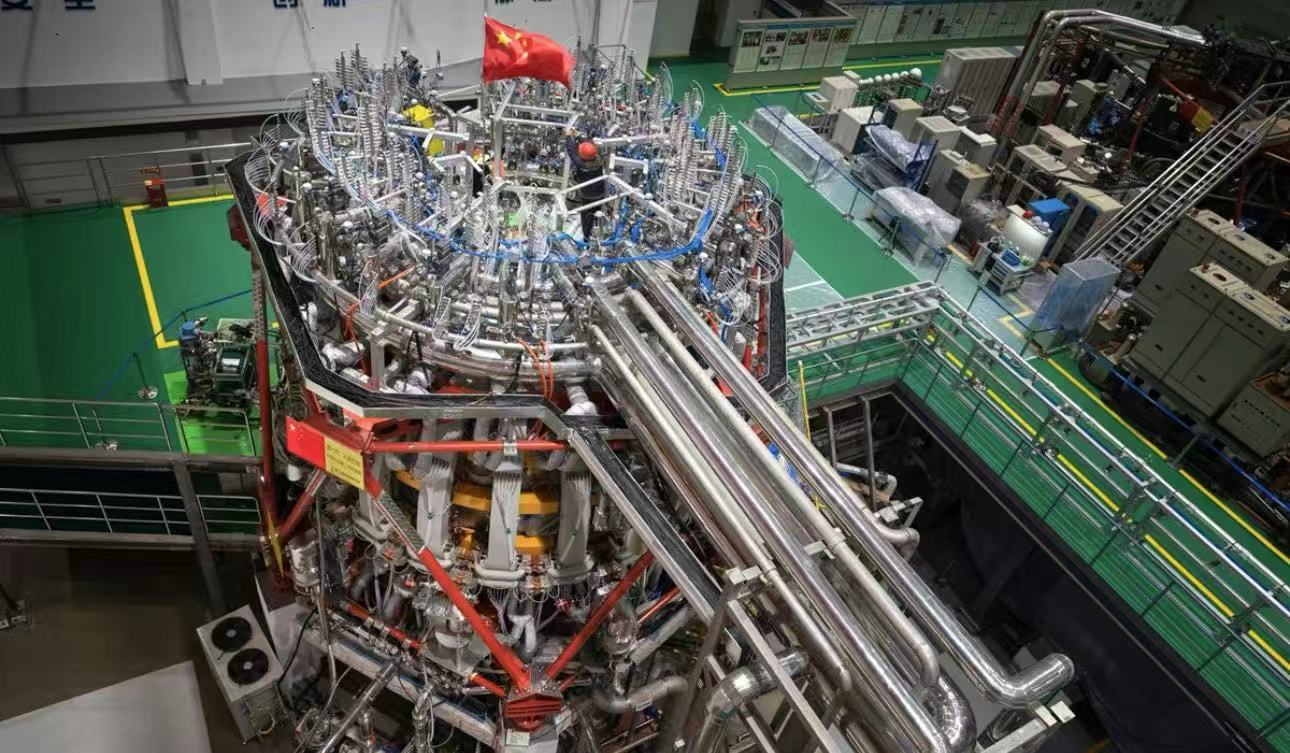
On October 1, the campus of the national major project Compact Fusion Energy Experimental Device (Burning plasma Experimental Superconducting Tokamak, BEST) was officially delivered and commissioned, and the main machine simultaneously entered the core assembly stage of the "four-ring set." The device is located in Hefei, Anhui, led in design by the Institute of Plasma Physics, Chinese Academy of Sciences (ASIPP), and constructed by Fusion New Energy (Anhui) Co., Ltd. It is China's independently developed new-generation fusion burning experimental device. BEST aims to simulate solar nuclear fusion and fill the gap between experimental reactors and demonstration reactors...
2026-10-01
Recently, the South China Regional Office of Nuclear and Radiation Safety Supervision of the Ministry of Ecology and Environment (hereinafter referred to as the South China Regional Office) conducted a radiation safety supervision inspection of the J-TEXT tokamak fusion experimental device at Huazhong University of Science and Technology. As the only medium-to-large tokamak experimental device at a university in China, J-TEXT bears the important mission of fusion talent cultivation and frontier physics experiments. The South China Regional Office focused on key aspects including equipment operation, radiation protection, and authorization management, meticulously investigated safety hazards, verified the implementation of safety management systems, and urged Huazhong University of Science and Technology to promptly plug safety loopholes and standardize device operation procedures, effectively building a strong defense line for the safe and stable operation of fusion experimental devices, providing solid support for the orderly conduct of scientific research experiments...
2026-10-01
At the series-themed press conference on "Getting Off to a Good Start in the '15th Five-Year Plan'" held by the State Council Information Office, the Ministry of Science and Technology officially released the top-level design and core breakthrough roadmap for building a science and technology powerhouse over the next five years. When outlining the layout for major science and technology breakthroughs and original innovation, Minister of Science and Technology Yin Hejun explicitly emphasized that, in strengthening the strategic depth of basic research, China will closely anchor itself to the frontiers of the global energy revolution and, centering on underlying scientific bottlenecks in key fields such as energy and materials, comprehensively and systematically deploy major basic research tasks including controlled nuclear fusion (Controlled Nuclear Fusion), so as to seize the future...
2026-09-30
Recently, CAS Ion completed its first round of market-oriented equity financing, with a total amount of RMB 600 million. This round of financing was jointly participated in by CMBI, Wanneng Capital, Qianhai Ark, CITIC Construction Investment Capital, China-Belgium Fund, SMIC Juyuan, Oriental Fortune Capital, Xi'an High-Tech Investment, Ginkgo Valley Capital, Jinju Investment, Wofu Venture Capital, and Hua'an Jiaye. CAS Ion, in accordance with its own business development pace, coordinated and determined the scale of this round of fundraising, and completed all processes including project matching, due diligence interviews, agreement signing, and capital delivery within 3 months. This financing received an enthusiastic market response, with numerous investment institutions actively expressing investment intentions, fully confirming the capital market's recognition of the company's core technology, industrialization capability, and long-term growth...
2026-09-30

Recently, Zhejiang Ziming Cryogenics Technology Co., Ltd. announced the completion of a new round of financing. This round brought together multiple institutions including the CNNC Science and Technology Innovation Fund under China National Nuclear Corporation and the Oriental Zhongying High-end Energy Equipment Fund managed by Dongfang Electric Group in partnership with Bank of China Asset Management, marking the capital market's strong recognition of the company's breakthroughs in bottleneck cryogenic technologies and engineering applications. Founded in 2022, Ziming Cryogenics has long been dedicated to the research and development of ultra-low temperature technologies and core equipment, specializing in complete cryogenic system solutions, high-capacity Stirling cryocoolers, ultra-low temperature precision control valves, and cryogenic pumps and fans. Currently, its kilowatt-class Stirling cryocoolers, covering...
2026-10-21

Recently, Borealis Fusion, a startup co-founded with the participation of the research team at the Princeton Plasma Physics Laboratory (PPPL) in the United States, announced its establishment. The company has chosen the magnetic mirror pathway, focusing on proton-boron-11 (pB11) neutron-free nuclear fusion technology, aiming to provide cost-competitive clean electricity. It is understood that Borealis Fusion was jointly founded by five doctoral scholars with backgrounds in physics and engineering from Princeton University: Damien Scott, Ian Ochs, Elijah Kolmes, Tal Rubin, and Alex Glasser. Its core technology originates from the pB11 frontier research led by Princeton University professor Nat Fisch, and the technology...
2026-10-20
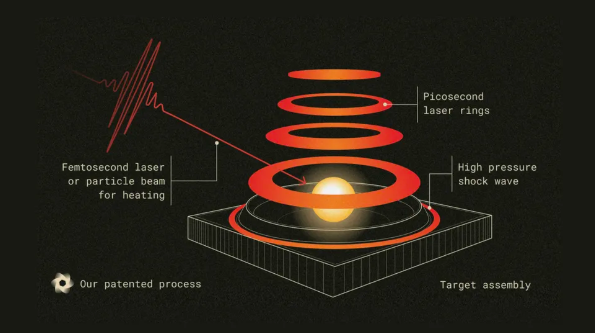
Recently, Cambridge Heavy Industries, a startup based at the Massachusetts Institute of Technology (MIT) laboratory in the United States, has emerged from stealth, publicly disclosing for the first time its previously confidential micro "desktop" inertial confinement fusion (ICF) technology scheme. It is understood that, unlike the National Ignition Facility (NIF), which employs a massive third-generation spatial array of 192 laser beams, Cambridge Heavy Industries has developed a unique two-dimensional dual-laser ignition device. The first laser irradiates the fuel pellet in a concentric ring pattern to generate an inwardly propagating shock wave, while the second laser precisely irradiates the shock wave...
2026-10-19
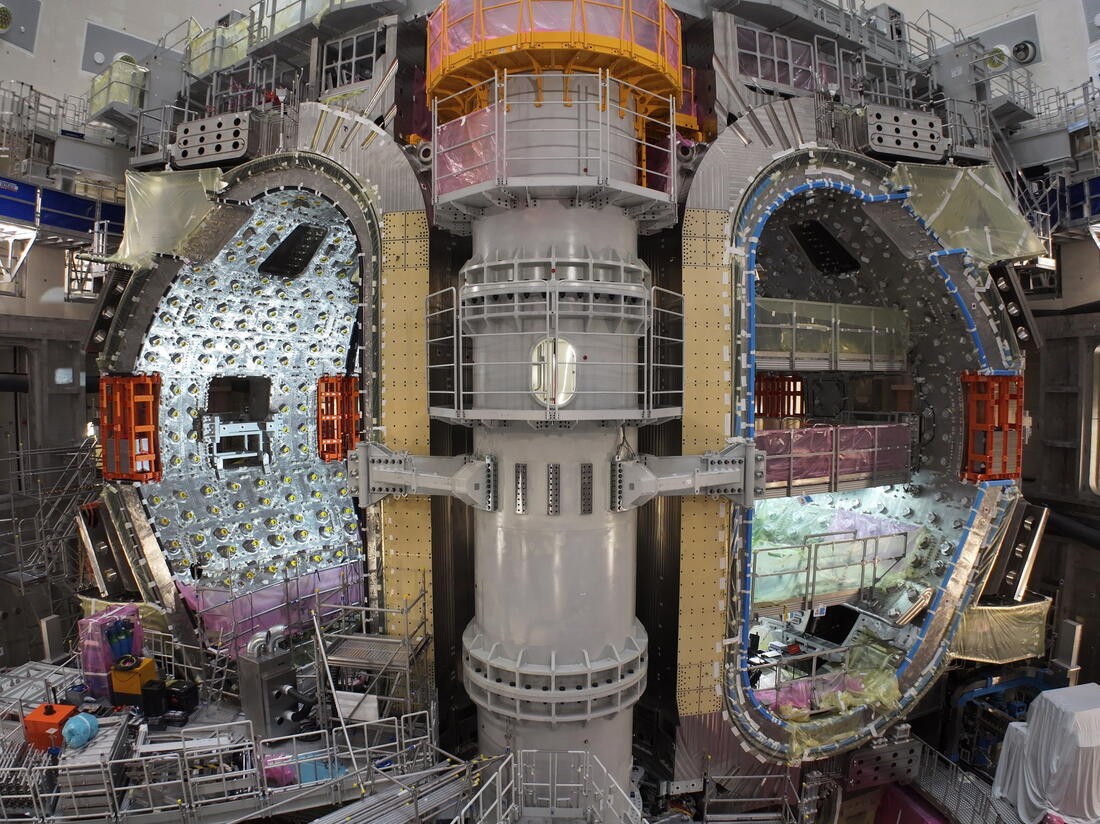
The French Nuclear Safety and Radiation Protection Authority (ASNR) has formally issued a regulatory ruling, approving the application by the International Thermonuclear Experimental Reactor (ITER) Organization to exclude the Vacuum Vessel, a core component of the ITER tokamak device, from the scope of regulation under the French and European Nuclear Pressure Equipment Directive (ESPN). This breakthrough ruling marks the beginning of key fusion reactor components breaking free from the regulatory framework derived from traditional fission reactors. Prior to this decision, the ITER Vacuum Vessel had long been classified as nuclear pressure equipment. This classification originated from the management practices of traditional light-water fission reactors, whose underlying logic presumes internal pressure as the primary engineering load on the structure. However...
2026-10-11
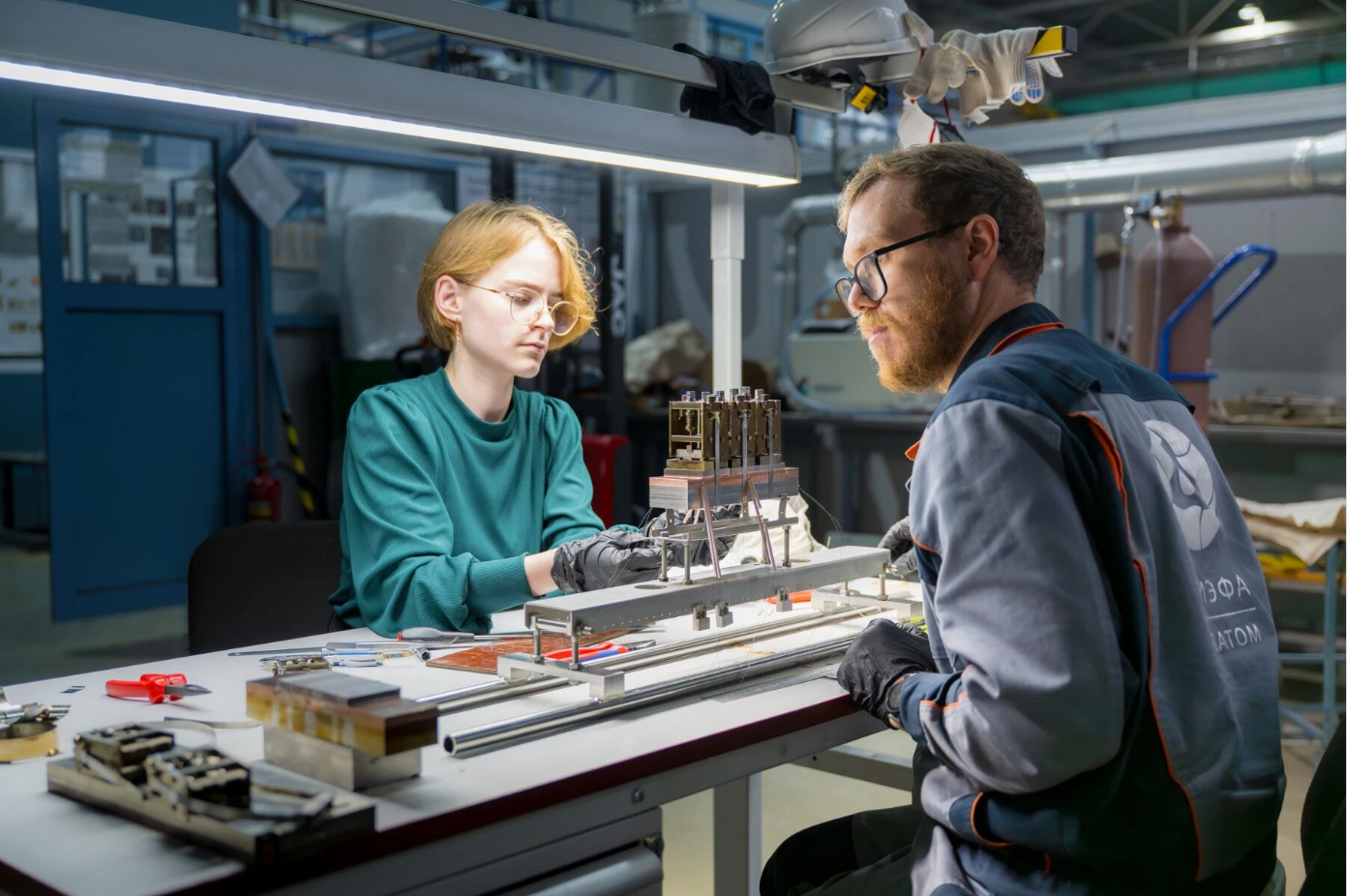
The Efremov Institute of Electrophysical Apparatus (NIIEFA), a subsidiary of Rosatom State Atomic Energy Corporation, recently successfully completed the qualification testing phase of tungsten materials for the first wall lining of the International Thermonuclear Experimental Reactor (ITER). This testing aimed to verify the feasibility of the selected technical solution. The expert team completed vacuum rapid brazing of the tungsten lining, robotic ultrasonic inspection, and rigorous thermal cycling tests, laying a solid foundation for subsequent mass production of key components. As the physical boundary between the scorching plasma and the main reactor equipment in a tokamak device, the first wall lining must protect the equipment from high-energy particle bombardment while...
2026-10-10
JOREK, a key simulation software used for simulating large-scale plasma instabilities in nuclear fusion devices, was officially released as open source on October 8, 2026, and its code has been hosted under the official GitHub account of the International Thermonuclear Experimental Reactor (ITER) Organization. This move aims to promote global nuclear fusion research toward a more open and innovative ecosystem, greatly lowering the threshold for researchers in various countries to obtain, use, and further develop this core algorithm code. Nina Schwarz, a researcher at the French Alternative Energies and Atomic Energy Commission (CEA), pointed out that this open license allows researchers worldwide to contribute code to JOREK and publicly improve the algorithm. A clear open-source license...
2026-10-10

On October 7, 2026, the German Federal Agency for Breakthrough Innovation (SPRIND), on behalf of the German Federal Ministry of Research, Technology and Space (BMFTR), officially launched the Fusion Milestone Program. The program is an important component of Germany's High-Tech Agenda (HTAD), aiming to promote fusion startups and young companies from technology R&D toward demonstration power plant construction through funding support linked to technological progress and commercialization outcomes, further shortening the distance from laboratory research to commercial application of nuclear fusion. According to the program arrangements, the German government will provide funding support through the Special Fund for Infrastructure and Climate Neutrality (SVIK), with plans to invest...
2026-10-09
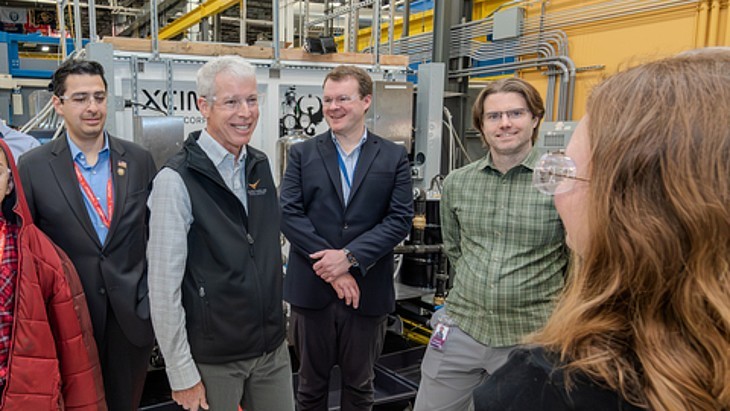
U.S. excimer laser inertial confinement fusion company Xcimer Energy recently announced that it has reached an agreement with the U.S. Department of Energy (DOE) to receive up to $30.5 million in funding support through the DOE's Milestone-based Fusion Development Program. The funds will be disbursed in installments based on the progress achieved toward predetermined R&D milestones. Previously, in June 2026, the U.S. Department of Energy formally approved the preliminary conceptual design and technology development roadmap milestones for Xcimer's fusion power plant architecture, Athena. The Athena architecture is specifically designed for continuous operation, industrial-scale capacity, and a self-sustaining fuel cycle...
2026-10-08

A research team at the Princeton Plasma Physics Laboratory (PPPL), under the U.S. Department of Energy (DOE), has recently proposed an innovative fusion ignition control framework, charting an optimized path toward a self-sustaining burning plasma that requires the lowest external input energy. The study, jointly led by physicists Luis Delgado-Aparicio, Masayuki Ono, and Jonathan Menard, has been formally published in the top-tier physics academic journal Physical Review Letters (Phys...
2026-10-08
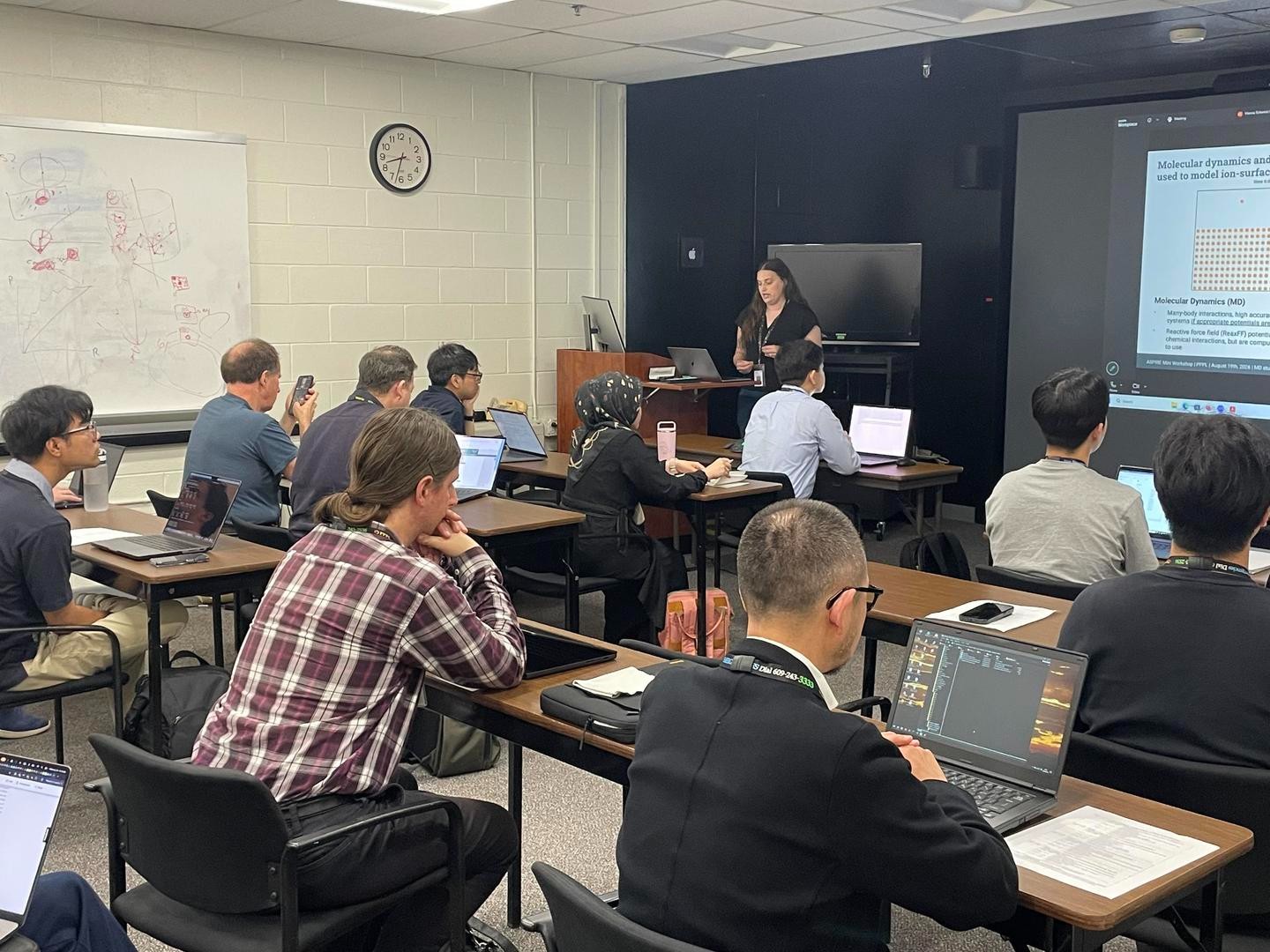
On the occasion of its 75th anniversary, the Princeton Plasma Physics Laboratory (PPPL), under the U.S. Department of Energy (DOE), hosted the second Adopting Sustainable Partnerships for Innovative Research Ecosystem (ASPIRE) international workshop in the fall of 2026. The workshop was organized by the laboratory's Applied Materials and Sustainability Sciences Directorate and brought together scholars from the University of Osaka in Japan and the Ulsan National Institute of Science and Technology (UNIST) in South Korea, as well as researchers from PPPL, to focus on...
2026-10-08
Recently, the project "Research on Key Components, Materials and Forming Processing Technology for Controlled Nuclear Fusion Devices," declared by Guizhou Aerospace Xinli Technology Co., Ltd., has been successfully approved as a 2026 Guizhou Provincial Science and Technology Major Special Project, marking a key step for the enterprise in deeply participating in the national future energy strategy and the localization of fusion equipment. The approved Science and Technology Major Special Project will take key components of the blanket system as its entry point, focusing on tackling materials and forming processes under extreme environments. The project advances simultaneously along three main lines: first, breaking through the development technology of special materials and components for the first wall that directly faces the plasma; second, overcoming the forming and processing challenges of core equipment such as blanket shielding blocks; third, establishing...
2026-10-22
JOREK, a key simulation software used for simulating large-scale plasma instabilities in nuclear fusion devices, was officially released as open source on October 8, 2026, and its code has been hosted under the official GitHub account of the International Thermonuclear Experimental Reactor (ITER) Organization. This move aims to promote global nuclear fusion research toward a more open and innovative ecosystem, greatly lowering the threshold for researchers in various countries to obtain, use, and further develop this core algorithm code. Nina Schwarz, a researcher at the French Alternative Energies and Atomic Energy Commission (CEA), pointed out that this open license allows researchers worldwide to contribute code to JOREK and publicly improve the algorithm. A clear open-source license...
2026-10-10
Startorus Fusion (HTS) recently announced that its independently developed central solenoid (CS) model magnet for a spherical tokamak device (tokamak) successfully completed a 6350 A cryogenic current-carrying and rapid discharge test under harsh cryogenic conditions. Test results showed that the magnet achieved a maximum magnetic field of 10 T and a magnetic field change rate of up to 63 T/s, setting a new record for the magnetic field change rate of known fusion superconducting magnets. This test was conducted at 20 K (-253 °C). The magnet not only successfully reached a maximum magnetic field strength of 10 T, with a central magnetic field of 7.6 T, but also smoothly completed the rapid discharge test required for tokamak ohmic discharge. As a...
2026-10-09
On October 1, the campus of the national major project Compact Fusion Energy Experimental Device (Burning plasma Experimental Superconducting Tokamak, BEST) was officially delivered and commissioned, and the main machine simultaneously entered the core assembly stage of the "four-ring set." The device is located in Hefei, Anhui, led in design by the Institute of Plasma Physics, Chinese Academy of Sciences (ASIPP), and constructed by Fusion New Energy (Anhui) Co., Ltd. It is China's independently developed new-generation fusion burning experimental device. BEST aims to simulate solar nuclear fusion and fill the gap between experimental reactors and demonstration reactors...
2026-10-01
Recently, the South China Regional Office of Nuclear and Radiation Safety Supervision of the Ministry of Ecology and Environment (hereinafter referred to as the South China Regional Office) conducted a radiation safety supervision inspection of the J-TEXT tokamak fusion experimental device at Huazhong University of Science and Technology. As the only medium-to-large tokamak experimental device at a university in China, J-TEXT bears the important mission of fusion talent cultivation and frontier physics experiments. The South China Regional Office focused on key aspects including equipment operation, radiation protection, and authorization management, meticulously investigated safety hazards, verified the implementation of safety management systems, and urged Huazhong University of Science and Technology to promptly plug safety loopholes and standardize device operation procedures, effectively building a strong defense line for the safe and stable operation of fusion experimental devices, providing solid support for the orderly conduct of scientific research experiments...
2026-10-01
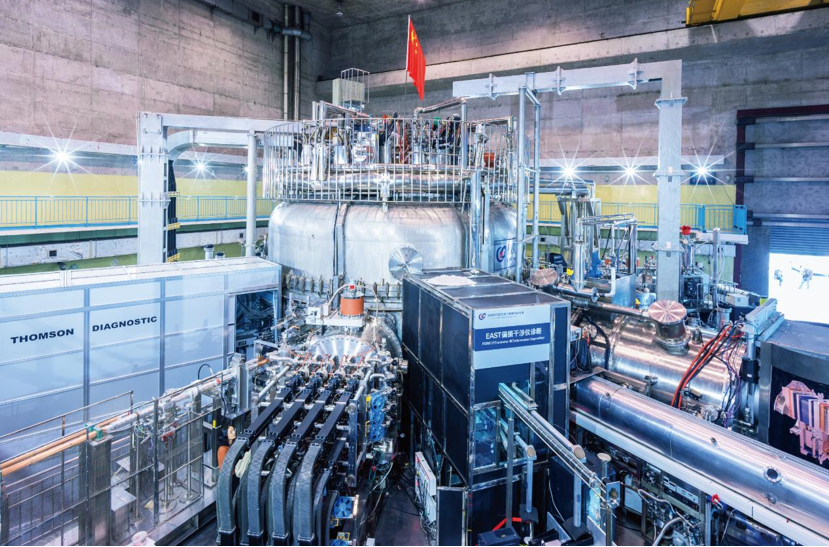
On September 28, 2006, the Experimental Advanced Superconducting Tokamak (EAST), independently designed and developed by the Institute of Plasma Physics (ASIPP) under the Hefei Institutes of Physical Science of the Chinese Academy of Sciences, successfully achieved its first plasma discharge on Hefei Science Island, with a current of 200 kA and a duration of nearly 3 seconds. This historic moment marked the official completion and operation of the world's first fully superconducting non-circular cross-section nuclear fusion experimental device, propelling China into the club of fully superconducting tokamak technology ahead of others. Over the past two decades, this artificial sun has completed more than 160,000 physical discharge experiments...
2026-09-28

On September 10, the 300MVA/3000MJ supercapacitor pulsed power supply system of the HL-3 upgrade project was successfully handed over. This is the first system of the project to complete handover, marking that the project construction is gradually transitioning from the equipment installation and subsystem static commissioning stage to the system joint commissioning stage, providing support for advancing fusion engineering. Zhang Libo, President and Deputy Secretary of the Party Committee of the Southwestern Institute of Physics, and Chen Qingchuan, Vice President, attended the handover ceremony. Zhang Libo stated at the ceremony that the completion of the handover of the first system is the result of collaborative efforts by all participating units, accumulating experience and creating conditions for subsequent system joint commissioning. All parties will continue to consolidate responsibilities and advance key milestones on schedule....
2026-09-12
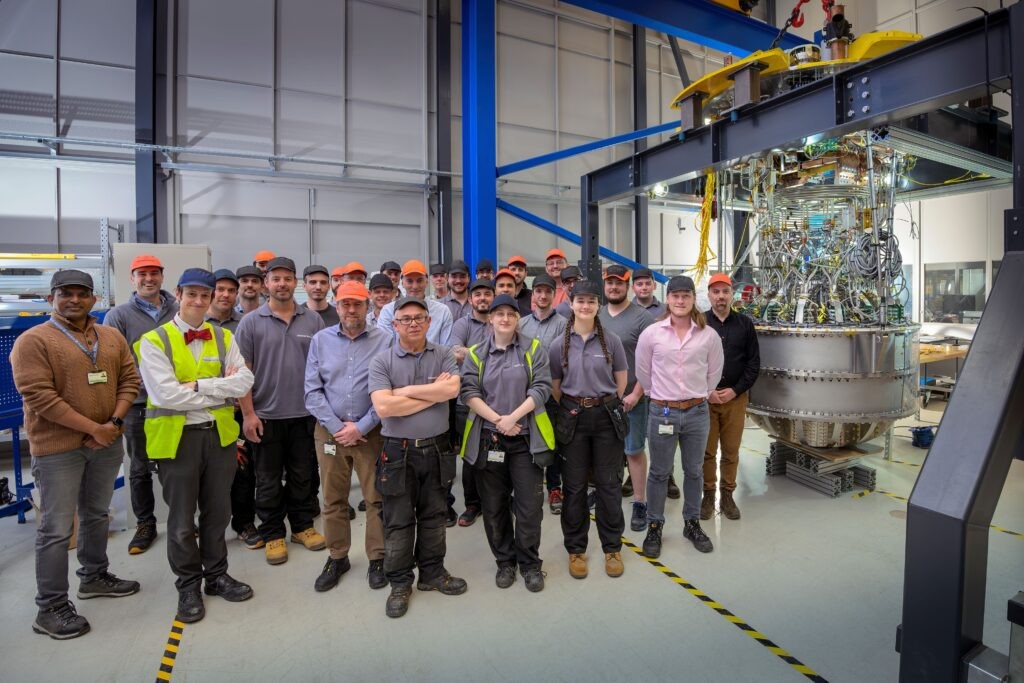
On September 9, 2026, Tokamak Energy of the UK announced the completion of a 14-month testing campaign for its Demo4 fusion magnet system, validating the company's capabilities in the design, manufacture, integration, and operation of complete high-temperature superconducting (HTS) magnet systems. The technical experience gained from Demo4 testing is now being applied to the collaboration between Tokamak Energy and UK Fusion Energy (UKFE), supporting the development of HTS magnet systems for the Spherical Tokamak for Energy Production (STEP) fusion program. The results also target HTS commercial applications beyond fusion, and...
2026-09-09
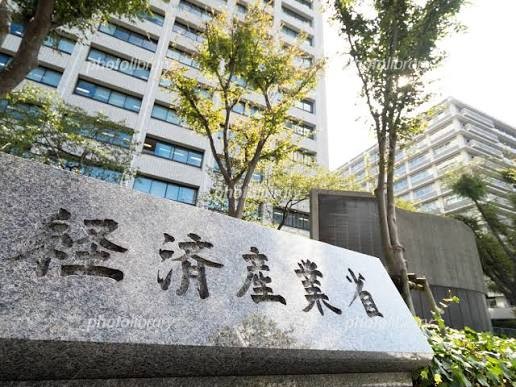
Japan's Ministry of Economy, Trade and Industry (METI) has conditionally selected EX-Fusion, Helical Fusion, Linea Innovation, and Starlight Engine to participate in a fusion program targeting reactor operation in the 2030s. The program will provide approximately $370 million, equivalent to around €318 million, in subsidies to selected projects by the end of February 2029. Specific funding allocations are still subject to formal grant decisions. The support corresponds to commitments in Japan's 2023 fusion strategy, which sets out the goal of achieving fusion power in the 2030s...
2026-09-07
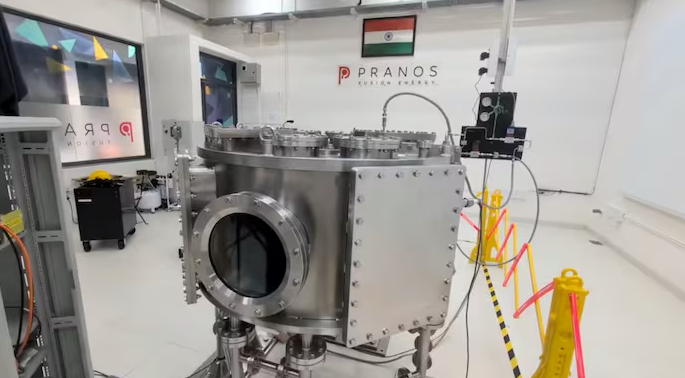
Bengaluru-based deep-tech energy startup Pranos Fusion has produced plasma in its experimental device PRAGYA. The company states that PRAGYA is India's first compact tokamak developed by a private enterprise, marking a transition in India's private fusion research and development from the design and manufacturing phase to experimental operation. PRAGYA adopts a compact, low-aspect-ratio tokamak design, primarily used to generate, confine, and control plasma. Tokamaks use strong magnetic fields to confine high-temperature plasma within a toroidal vacuum vessel, creating conditions for future fusion of light atomic nuclei. The fundamental process of fusion reactions is the same mechanism by which the Sun releases energy, but engineering implementation still faces multiple challenges in plasma confinement, magnets, materials, and control systems.
2026-09-04
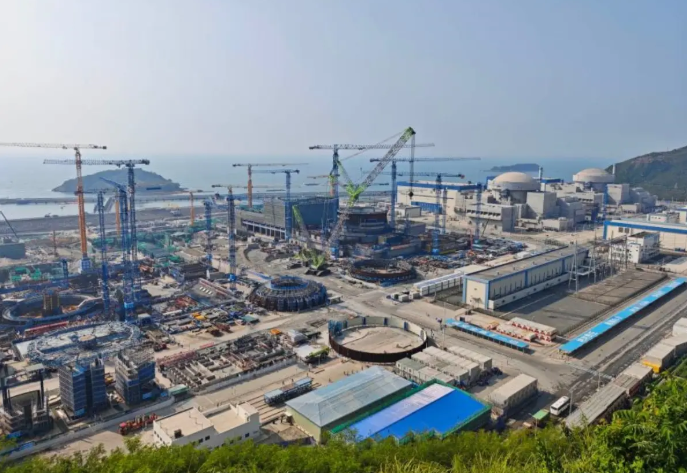
Recently, the "Nuclear Power Media Research Tour" organized by the National Energy Administration visited the Taipingling Nuclear Power Plant of China General Nuclear Power Group (CGN) in Huidong County, Huizhou City, Guangdong Province. The plant is planned to house six "Hualong One" third-generation nuclear power technology units, with construction proceeding in phases: Units 1 and 2 of Phase I have been completed and put into operation; Units 3 and 4 of Phase II have entered the peak period of civil construction; and Units 5 and 6 of Phase III officially received approval from the State Council in July this year and are in full preparation for construction. In terms of responding to extreme weather, Units 1 and 2 of the Taipingling Nuclear Power Plant withstood a direct hit from a severe typhoon this summer and maintained safe and stable operation, verifying the...
2026-10-17
The French Nuclear Safety and Radiation Protection Authority (ASNR) has formally issued a regulatory ruling, approving the application by the International Thermonuclear Experimental Reactor (ITER) Organization to exclude the Vacuum Vessel, a core component of the ITER tokamak device, from the scope of regulation under the French and European Nuclear Pressure Equipment Directive (ESPN). This breakthrough ruling marks the beginning of key fusion reactor components breaking free from the regulatory framework derived from traditional fission reactors. Prior to this decision, the ITER Vacuum Vessel had long been classified as nuclear pressure equipment. This classification originated from the management practices of traditional light-water fission reactors, whose underlying logic presumes internal pressure as the primary engineering load on the structure. However...
2026-10-11
The Efremov Institute of Electrophysical Apparatus (NIIEFA), a subsidiary of Rosatom State Atomic Energy Corporation, recently successfully completed the qualification testing phase of tungsten materials for the first wall lining of the International Thermonuclear Experimental Reactor (ITER). This testing aimed to verify the feasibility of the selected technical solution. The expert team completed vacuum rapid brazing of the tungsten lining, robotic ultrasonic inspection, and rigorous thermal cycling tests, laying a solid foundation for subsequent mass production of key components. As the physical boundary between the scorching plasma and the main reactor equipment in a tokamak device, the first wall lining must protect the equipment from high-energy particle bombardment while...
2026-10-10
JOREK, a key simulation software used for simulating large-scale plasma instabilities in nuclear fusion devices, was officially released as open source on October 8, 2026, and its code has been hosted under the official GitHub account of the International Thermonuclear Experimental Reactor (ITER) Organization. This move aims to promote global nuclear fusion research toward a more open and innovative ecosystem, greatly lowering the threshold for researchers in various countries to obtain, use, and further develop this core algorithm code. Nina Schwarz, a researcher at the French Alternative Energies and Atomic Energy Commission (CEA), pointed out that this open license allows researchers worldwide to contribute code to JOREK and publicly improve the algorithm. A clear open-source license...
2026-10-10

Recently, the Final Design Review (FDR-2) for the ITER Neutron Flux Monitor System #7 (NFM#7), led by the Southwestern Institute of Physics (SWIP), was successfully held, and the system design scheme was fully affirmed by the review expert panel. The successful passage of this review marks an important milestone achievement in China's development of key ITER diagnostic systems, laying a solid foundation for subsequent system manufacturing and overall delivery. At the review meeting, the project team comprehensively reported the overall and component-level design schemes of the NFM#7 system, and responded item by item to the inquiries raised by ITER international review experts. The expert panel unanimously agreed that the final design of the NFM#7 system...
2026-10-09
A research team at the Princeton Plasma Physics Laboratory (PPPL), under the U.S. Department of Energy (DOE), has recently proposed an innovative fusion ignition control framework, charting an optimized path toward a self-sustaining burning plasma that requires the lowest external input energy. The study, jointly led by physicists Luis Delgado-Aparicio, Masayuki Ono, and Jonathan Menard, has been formally published in the top-tier physics academic journal Physical Review Letters (Phys...
2026-10-08

The Princeton Plasma Physics Laboratory (PPPL), under the U.S. Department of Energy (DOE), released its latest findings on October 5. Laboratory physicists have reconstructed the classic Lawson criterion that has been in use for over 70 years and published the results in Physical Review Letters. The research team integrated four real-world physics effects that were previously treated separately into a unified model, mapping out an entirely new fusion ignition topography. The study shows that adopting a pathway of first heating the plasma and then increasing fuel density can achieve the ignition conditions for self-sustaining burn with far less energy consumption than traditional pathways. For over 70 years, the nuclear fusion field has relied on...
2026-10-07
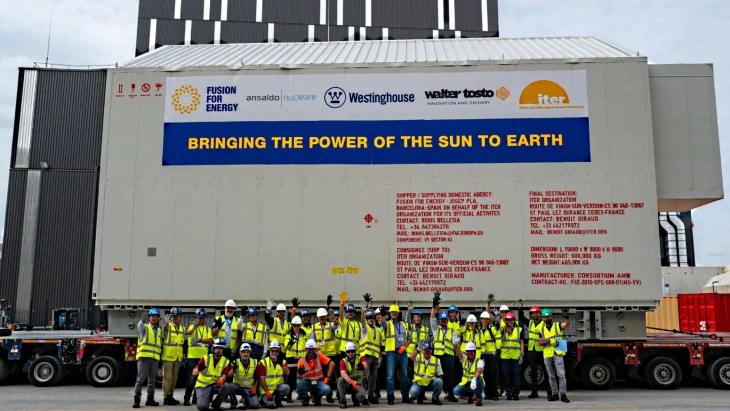
Recently, Fusion for Energy (F4E), in collaboration with Ansaldo Nucleare, Westinghouse, and Walter Tosto, has completed the manufacturing of Europe's final vacuum vessel sector for the International Thermonuclear Experimental Reactor (ITER) and delivered it to the ITER project site at Cadarache in southeastern France. It is understood that the ITER vacuum vessel has an internal volume of 1,400 cubic meters and is composed of nine wedge-shaped steel sectors, each over 14 meters tall and weighing up to 440 tonnes. Once assembled, the vacuum vessel will have an outer diameter of 19.4 meters, a height of 11.4 meters, and weigh approximately 520...
2026-10-06
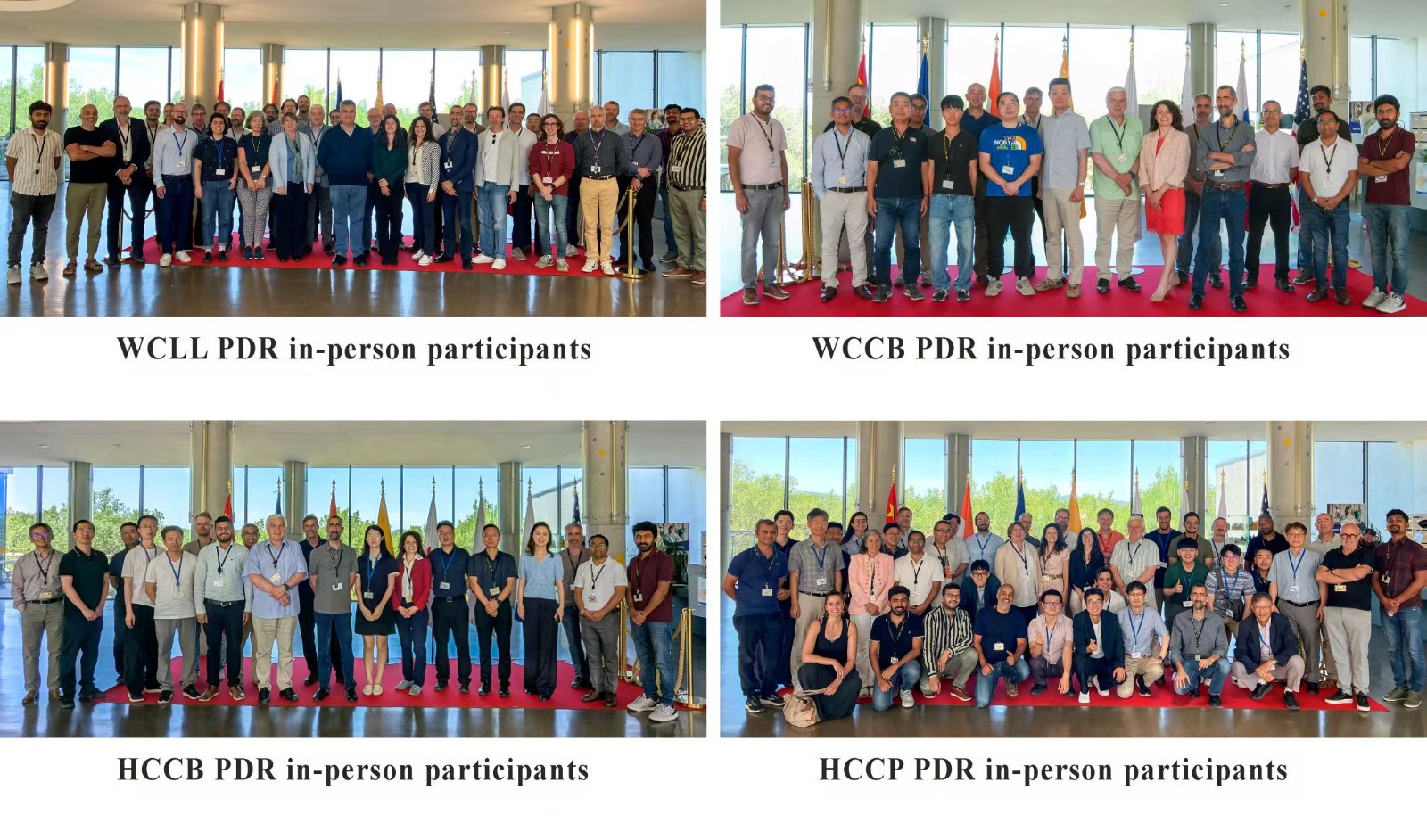
Recently, the ITER Organization officially completed the Preliminary Design Review (PDR) of four Test Blanket Module (TBM) conceptual designs. The four blanket system technical designs led by China, the EU, Japan, and Korea — core ITER member parties — all passed independent review to high standards, marking that "tritium breeding and energy extraction validation," one of ITER's three major engineering goals, has fully entered the final engineering implementation phase, providing critical engineering pathway support for the next-generation fusion demonstration reactor (DEMO) to achieve commercial tritium self-sufficiency. In the blueprint for magnetic confinement fusion power generation, deuterium-tritium (D-T) fusion reactions...
2026-09-30
At the series-themed press conference on "Getting Off to a Good Start in the '15th Five-Year Plan'" held by the State Council Information Office, the Ministry of Science and Technology officially released the top-level design and core breakthrough roadmap for building a science and technology powerhouse over the next five years. When outlining the layout for major science and technology breakthroughs and original innovation, Minister of Science and Technology Yin Hejun explicitly emphasized that, in strengthening the strategic depth of basic research, China will closely anchor itself to the frontiers of the global energy revolution and, centering on underlying scientific bottlenecks in key fields such as energy and materials, comprehensively and systematically deploy major basic research tasks including controlled nuclear fusion (Controlled Nuclear Fusion), so as to seize the future...
2026-09-30
Recently, CAS Ion completed its first round of market-oriented equity financing, with a total amount of RMB 600 million. This round of financing was jointly participated in by CMBI, Wanneng Capital, Qianhai Ark, CITIC Construction Investment Capital, China-Belgium Fund, SMIC Juyuan, Oriental Fortune Capital, Xi'an High-Tech Investment, Ginkgo Valley Capital, Jinju Investment, Wofu Venture Capital, and Hua'an Jiaye. CAS Ion, in accordance with its own business development pace, coordinated and determined the scale of this round of fundraising, and completed all processes including project matching, due diligence interviews, agreement signing, and capital delivery within 3 months. This financing received an enthusiastic market response, with numerous investment institutions actively expressing investment intentions, fully confirming the capital market's recognition of the company's core technology, industrialization capability, and long-term growth...
2026-09-30
Recently, Hangzhou Puxi Guangjing Semiconductor Technology Co., Ltd. (hereinafter referred to as Puxi Guangjing), an enterprise specializing in extreme-environment specialty power chips and systems, completed a C round financing of several hundred million yuan. New investors include Zhejiang Jiahe Changyue, Chengdu Innovation Venture Capital Co., Ltd. (Chengdu Sci-Tech Innovation Investment), Shanghai Semiconductor Equipment and Materials Industry Investment Fund, Shandong Caijin-affiliated Funds, Guizhou Guochuang, and other 10 state-owned and industrial capital institutions. It is understood that the funds will be directed toward three areas: in terms of technology R&D, for the iteration of fourth-generation semiconductor gallium oxide chips, as well as the verification and development of "SiC + gallium oxide" hybrid power modules; in terms of capacity expansion, for the expansion of 230°C-class high-temperature chip module production capacity...
2026-09-23

According to Qichacha information, on September 18, 2026, second-generation high-temperature superconducting material R&D and manufacturer Shenzhen Superconduct Technologies Co., Ltd. (hereinafter referred to as Superconduct) completed an angel round of financing, with the investor being Shenzhen Yijun Technology Co., Ltd. The financing amount has not yet been disclosed. Superconduct was established in September 2022 and is a high-tech enterprise focusing on the R&D and preparation of second-generation high-temperature superconducting YBCO (yttrium barium copper oxide) tapes. The company's technical team is led by an academician and was the first globally to master double-sided YBCO thin-film tape preparation technology. It is the only enterprise in the Guangdong-Hong Kong-Macao Greater Bay Area engaged in the industrialization of high-performance second-generation high-temperature superconducting YBCO tapes. High-temperature superconducting tapes are regarded as a controllable...
2026-09-20

Recently, the US nuclear fusion company Commonwealth Fusion Systems, backed by Bill Gates, has secured a $1 billion investment from South Korea's Hyundai Motor Group to build its commercial fusion power plant. Chung Ho-eun, Executive Vice President of Hyundai Motor Group, stated that the plan will enable both parties to explore engineering collaboration on a commercial fusion power plant project called ARC. Fusion energy is expected to play an important role in meeting growing global energy demand while supporting a more sustainable future. As of June this year, this hardware solution has received formal academic confirmation of its physical feasibility. Following a peer-reviewed study, CFS validated the ARC des...
2026-09-14
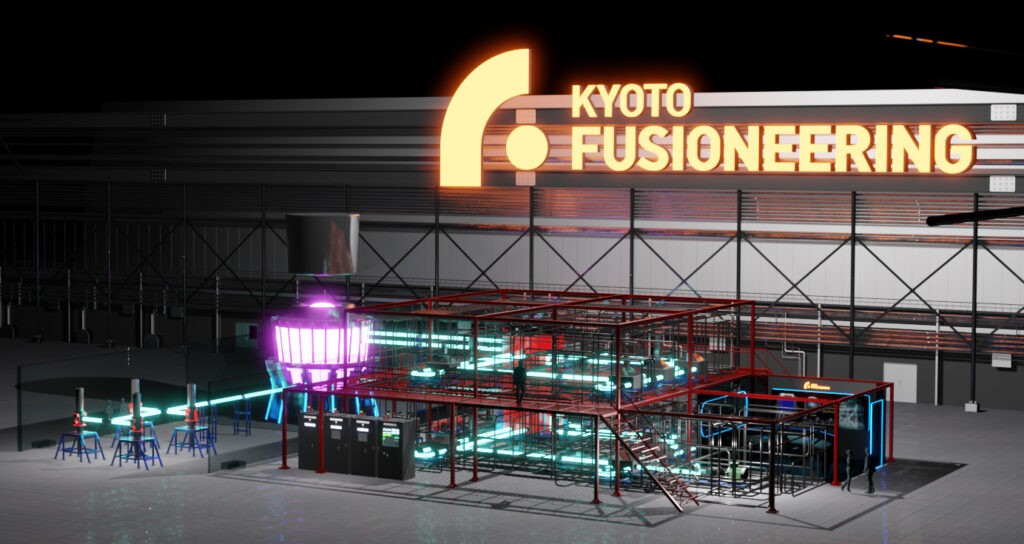
IMM Investment Japan (IMMJ) announced on September 1 that it has led the Series D funding round for Kyoto Fusioneering, a Japanese fusion energy company. The investment was made through the Korea-Japan Fusion Fund, established jointly by Korean and Japanese investors. The fund, initiated by IMMJ, is positioned as a cross-border project fund designed to connect the capital and industrial networks of major Korean corporations with Japan's cutting-edge technology companies. Investors participating in the fund include POSCO Holdings, POSCO International, Doosan, Hyundai Motor, and GS...
2026-09-01
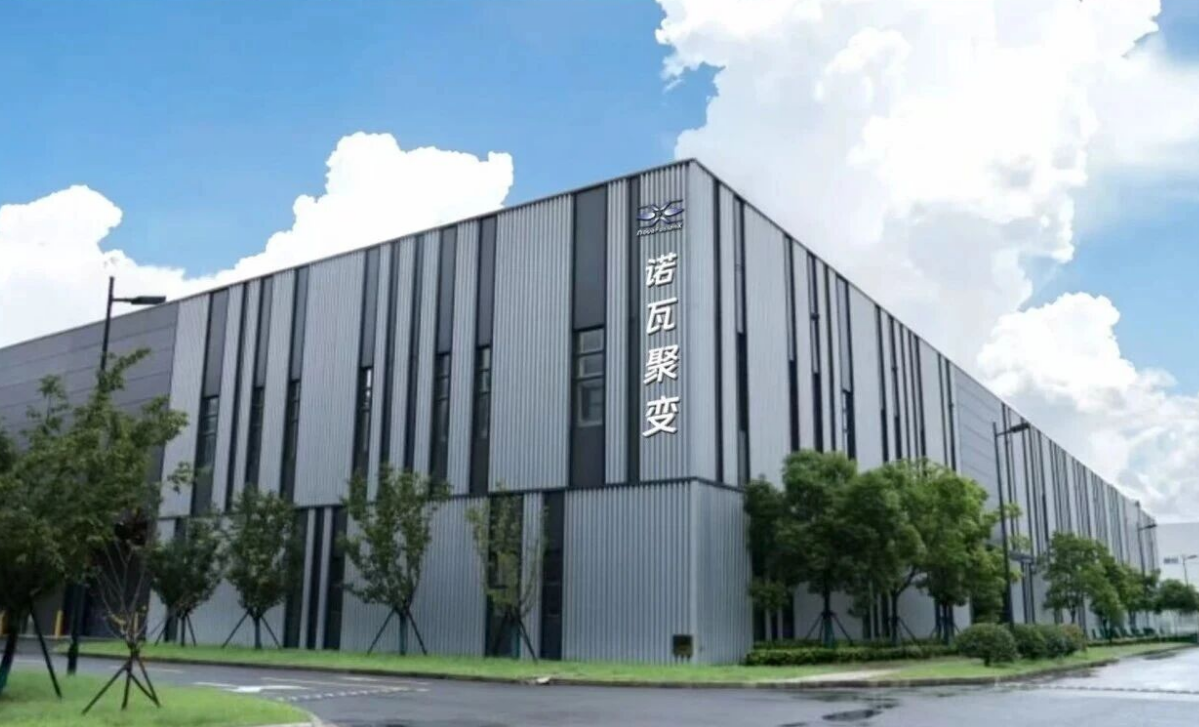
Nova Fusion Energy Technology (Shanghai) Co., Ltd. recently announced the completion of its Pre-A series financing totaling RMB 1.2 billion, comprising both the Pre-A round and Pre-A+ round. The company stated that within 16 months since its establishment, it has completed a RMB 500 million angel round, a RMB 700 million angel+ round, and this round of financing, bringing cumulative fundraising to RMB 2.4 billion with a post-investment valuation exceeding RMB 10 billion. In this round, Meituan Longzhu and Hillhouse Ventures continued their participation, while Lenovo Capital and Guozhong Capital joined as new strategic investors. The company stated that the funds from this round will primarily be used for new device construction, key technology iteration, industrial base preparation, and subsequent fusion energy output verification efforts. Nova Fusion focuses on field-reversed configuration (FRC) small...
2026-08-31
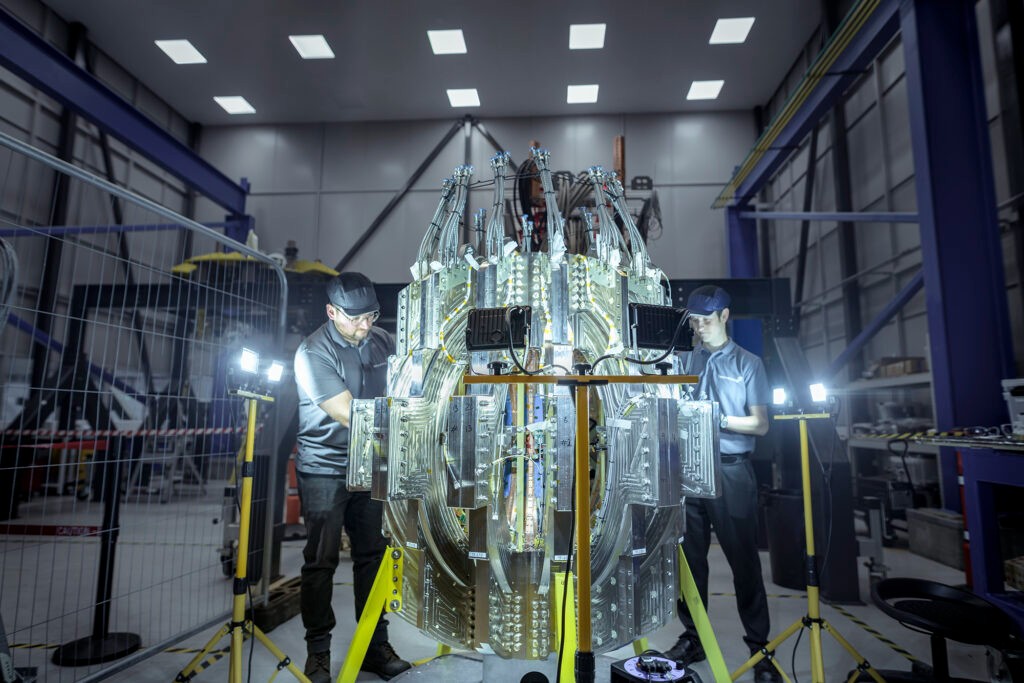
UK Fusion Energy (UKFE) filed its 50th patent application this week, marking new progress in the UK's efforts to advance fusion energy commercialization and related intellectual property development. UKFE is a government-backed organization responsible for developing and protecting intellectual property arising from the STEP fusion prototype plant project and driving the transfer of related innovations to industry. Since 2025, the organization has filed 52 patent applications and published 108 technical disclosures and 2 patent applications. These achievements cover key technologies required for the construction of the STEP prototype facility, as well as some innovations applicable beyond the fusion energy sector. UKFE stated that the intellectual property portfolio reflects the breadth and pace of the project's R&D activities.
2026-08-28
American Fusion Inc. on August 27 announced progress in ongoing testing of the Texatron Fusion Engine and released computational and experimental observations regarding the device's ability to achieve deuterium-helium-3 (D-³He) fusion conditions. The company stated that the test program is evaluating two Texatron configurations at approximately 500 kilowatts and 5 megawatts, with the core technical approach being proprietary pulsed magnetic compression. Texatron's R&D focus is on utilizing short-duration, high-intensity electromagnetic pulses to compress and heat plasma in extremely short timeframes, simultaneously creating the conditions required for fusion, including high temperature, high pressure, high density, and a certain confinement time. American Fusion Inc...
2026-08-28
South Korea's POSCO Group has invested in Japanese fusion energy company Kyoto Fusion Engineering (KF) to establish an early presence in the global fusion energy market and explore new business opportunities in future steel, specialty materials, and energy infrastructure. According to industry sources on the 27th, POSCO Group participated in Kyoto Fusion Engineering's Series D funding round. The investment was made through the Korea-Japan Fusion Fund, established by IMM Investment Japan (IMMJ) together with Korean and Japanese investors. POSCO Holdings and POSCO International also contributed to the fund...
2026-08-27
American Fusion announced on August 24 that the total number of patent applications it has filed around its Texatron Fusion Engine platform has reached 100, including 17 newly filed U.S. patent applications. The company stated that these applications primarily cover the structural design, fuel injection, electromagnetic configuration, and system architecture of the Texatron platform. According to the company's disclosure, the 17 newly filed applications were submitted between August 16 and 22, 2026, covering aluminum fusion confinement structures, clamshell and monobloc housings, hollow annular inner cavities, rifled inner wall geometries, electromagnetic field structures, helium-3 and deuterium...
2026-08-25
