

Alexey Likhachev: Commissioning of Units 5 and 6 of India's Kudankulam NPP will begin in 2028-2029
Alexey Likhachev, Director General of Rosatom, stated that commissioning of the fifth and sixth power units under construction at India's Kudankulam NPP will begin in 2028 to 2029. According to him, commissioning of the fourth power unit is expected to begin at the end of next year. Following that, commissioning of the fifth and sixth power units will commence in 2028 to 2029. He also mentioned the Make in India initiative launched by Indian Prime Minister Narendra Modi, which has been implemented for more than ten years. Rosatom is actively participating in this initiative, striving to maximize the localization of nuclear technology in India. A...
2026-09-14
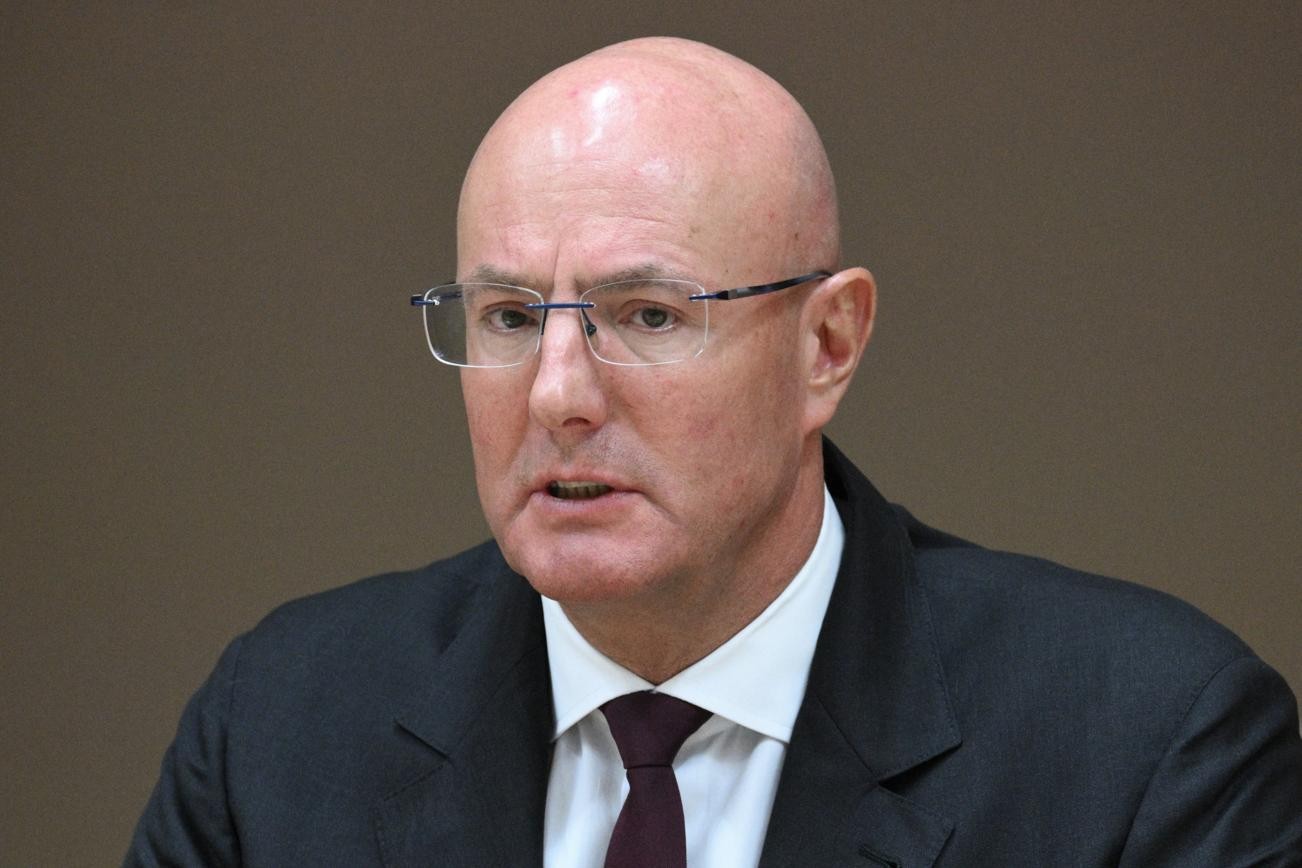
Construction of Vietnam's first nuclear power plant will boost Russia-Vietnam scientific and technological cooperation
On September 9, Russian Deputy Prime Minister Dmitry Chernyshenko said at the Russia-Vietnam Science and Technology Forum that the construction of Vietnam's first nuclear power plant will strongly promote cooperation between Russia and Vietnam in science and high technology. Russian Deputy Prime Minister Dmitry Chernyshenko Chernyshenko noted that many Russian universities are cultivating engineering and technical talent for Vietnam's economic development. In March this year, Russia and Vietnam signed an intergovernmental agreement on the construction of Vietnam's first nuclear power plant. He said the project will provide important support for cooperation in related fields, high-tech industries, and basic and applied scientific research. According to earlier information, Russia and Vietnam on March 23...
2026-09-10
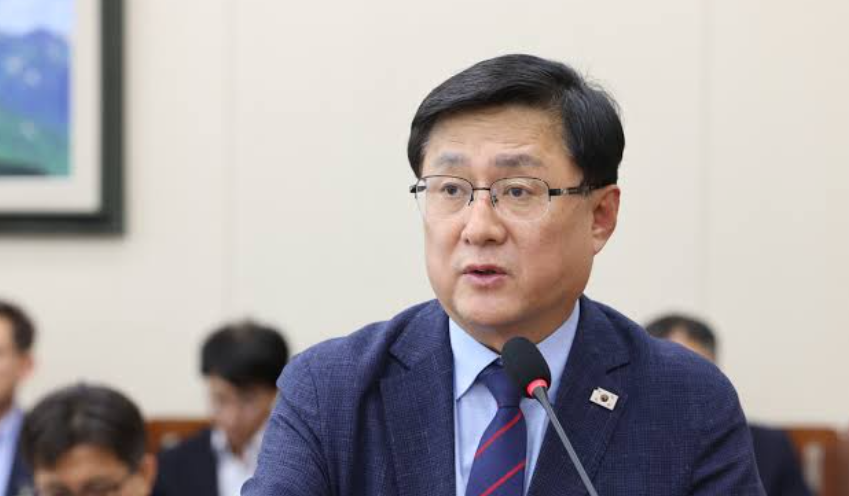
South Korea Reassesses New Nuclear Power Plant Construction Amid Rising AI Electricity Demand
On September 8, South Korea's Minister of Climate and Energy Environment, Kim Sung-hwan, stated in an interview that due to the expansion of the artificial intelligence industry, South Korea's future electricity demand is expected to increase by 25 to 30 gigawatts. The government is reassessing the possibility of constructing new nuclear power plants and plans to announce the 12th Basic Plan for Electricity Supply and Demand next month. Kim Sung-hwan said the aforementioned additional demand mainly stems from Samsung Electronics and SK hynix expanding semiconductor production, as well as the construction of new AI data centers. As internal combustion engine vehicles transition to electric vehicles and the scope of electric heating replacing gas heating expands, South Korea's overall electricity demand will continue to grow. The South Korean government...
2026-09-09
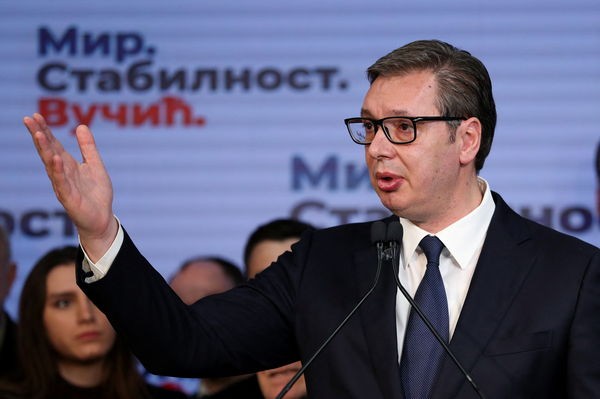
Serbian President Says China to Participate in Uzbekistan's Second Nuclear Power Plant Project
Serbian President Aleksandar Vučić stated on September 8 at the Uzbekistan-Serbia Business Forum held in Belgrade that China will participate in Uzbekistan's second nuclear power plant project. He said the information came from a private conversation with Uzbek President Shavkat Mirziyoyev earlier that morning. Vučić relayed that Mirziyoyev briefed him on two nuclear energy projects in Uzbekistan, one implemented in cooperation with Russia and the other planned to advance with China. Vučić quoted Mirziyoyev as saying: One nuclear power plant is being built in cooperation with the Russians, and another is being built in cooperation with the Chinese...
2026-09-09
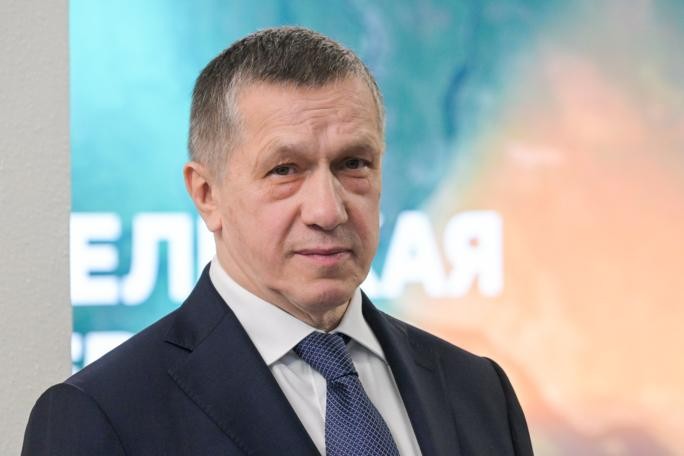
Russia Says Small Nuclear Power Plants Can Improve Energy Supply in Remote Areas
Russian Deputy Prime Minister and Presidential Plenipotentiary Envoy to the Far Eastern Federal District Yuri Trutnev said on September 3 during the Eastern Economic Forum (EEF) that deploying small nuclear power plants in remote areas of Russia, including the Arctic region, is expected to significantly change the local energy consumption structure and supply methods. Trutnev said that remote areas, especially the Arctic region, have a real demand for stable energy supply, and low-power nuclear power plants can play a role in these areas. He stated that Russia has begun constructing and deploying relevant facilities. Trutnev...
2026-09-04
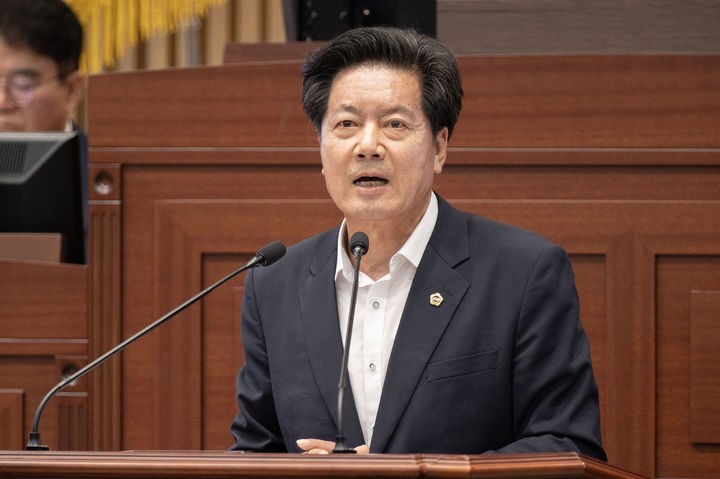
Gyeongsangbuk-do lawmakers demand stronger nuclear power plant accident notification and oversight
On September 3, Gyeongsangbuk-do lawmaker Kim Jae-jun spoke at the 365th provisional session of the Gyeongsangbuk-do Council, criticizing the delayed notification and inadequate response to the recent boric acid solution leak at Unit 6 of the Hanul Nuclear Power Plant, and calling for stronger resident safety protection mechanisms in areas with concentrated nuclear power plants. Kim stated that on August 3, a boric acid solution containing radioactive materials leaked from Unit 6 of the Hanul Nuclear Power Plant during spent fuel transfer, but local residents were not informed of the incident until approximately three weeks after it occurred. He argued that Korea Hydro & Nuclear Power (KHNP) failed to disclose information about the incident promptly and transparently, undermining residents' trust in nuclear safety management...
2026-09-04
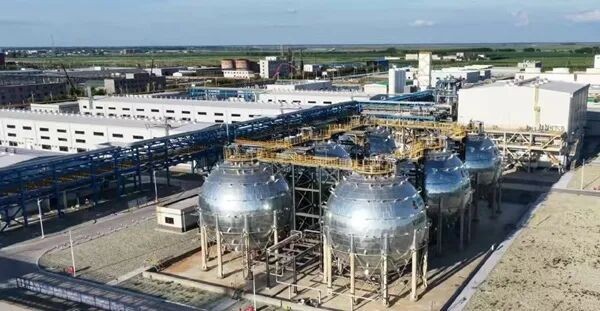
Signed Article by Liu Mingsheng, Chairman and Party Secretary of State Power Investment Corporation (SPIC)
Seizing the High Ground of Future Energy, Accelerating the Pace of Green Transformation Liu Mingsheng, Chairman and Party Secretary of State Power Investment Corporation (SPIC) At present, a new round of technological revolution is converging historically with the green, low-carbon transformation of energy, and future industries are becoming a strategic battleground for reshaping the global competitive landscape. General Secretary Xi Jinping's series of important remarks on future industries, made from the strategic height of advancing the building of a strong nation and the great cause of national rejuvenation, provide important guidance for developing future industries, building a modern industrial system, and grasping the initiative in development. As the world's largest clean energy power generation enterprise, SPIC has always regarded the development of future industries as a strategic lever for safeguarding the nation's long-term energy security and winning the initiative in development...
2026-08-31
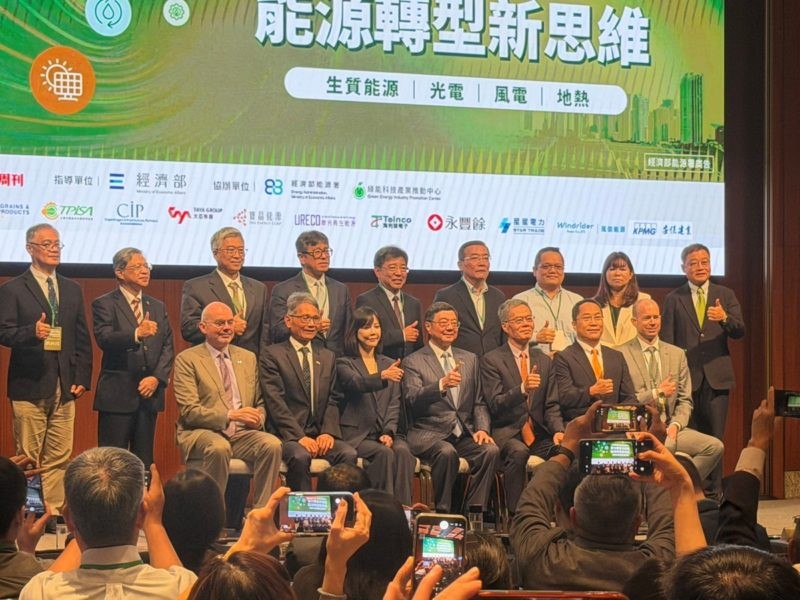
Taiwan plans to include small modular reactors and nuclear fusion in new energy exploration
Taiwan's administrative agency head Cho Jung-tai stated on August 26 that, in response to the rapid global development of energy technologies, Taiwan maintains an open attitude toward new nuclear energy technologies and has gradually invested in research and evaluation of directions such as small modular reactors (SMRs) and nuclear fusion. Relevant budgets have been included in discussions, and the central government's general budget for the next fiscal year also plans to allocate funds for engaging with and tracking global nuclear fusion technology progress. Cho Jung-tai stated at a new energy forum that day that, for Taiwan, energy types that have not yet entered large-scale commercial application or whose research and development technologies are still immature can all be regarded as targets for new energy exploration. In addition to technologies such as geothermal, small hydropower, and hydrogen energy, new nuclear energy has also been listed as a direction for future sustained observation and research...
2026-08-31
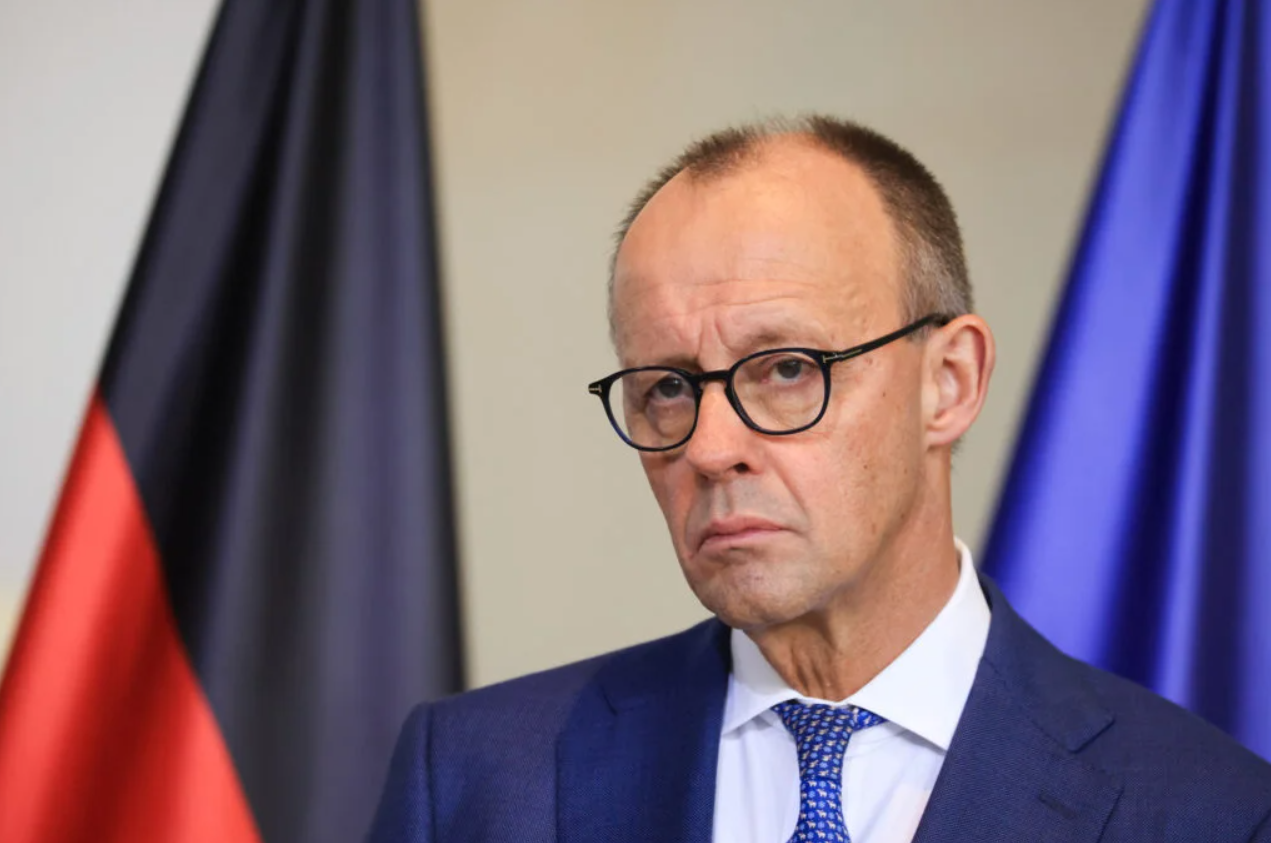
German Chancellor Links High Electricity Prices to Hasty Nuclear Phase-Out
German Chancellor Friedrich Merz stated that Germany's current high electricity prices are partly attributable to the hasty closure of nuclear power plants. He believes that Germany exited nuclear energy without adequate alternative solutions and now has to bear higher costs for subsequent energy supply arrangements. In an interview, Merz said that the closure of Germany's nuclear plants was not his responsibility, and "if it were up to me, I would not have done this." He noted that the decision has already been made, and the current government cannot change the established facts nor provide a legal guarantee for grid electricity prices over the next 15 years. Merz also mentioned that the impact of the Iran conflict is one of the factors driving up electricity prices. In terms of electricity...
2026-08-31
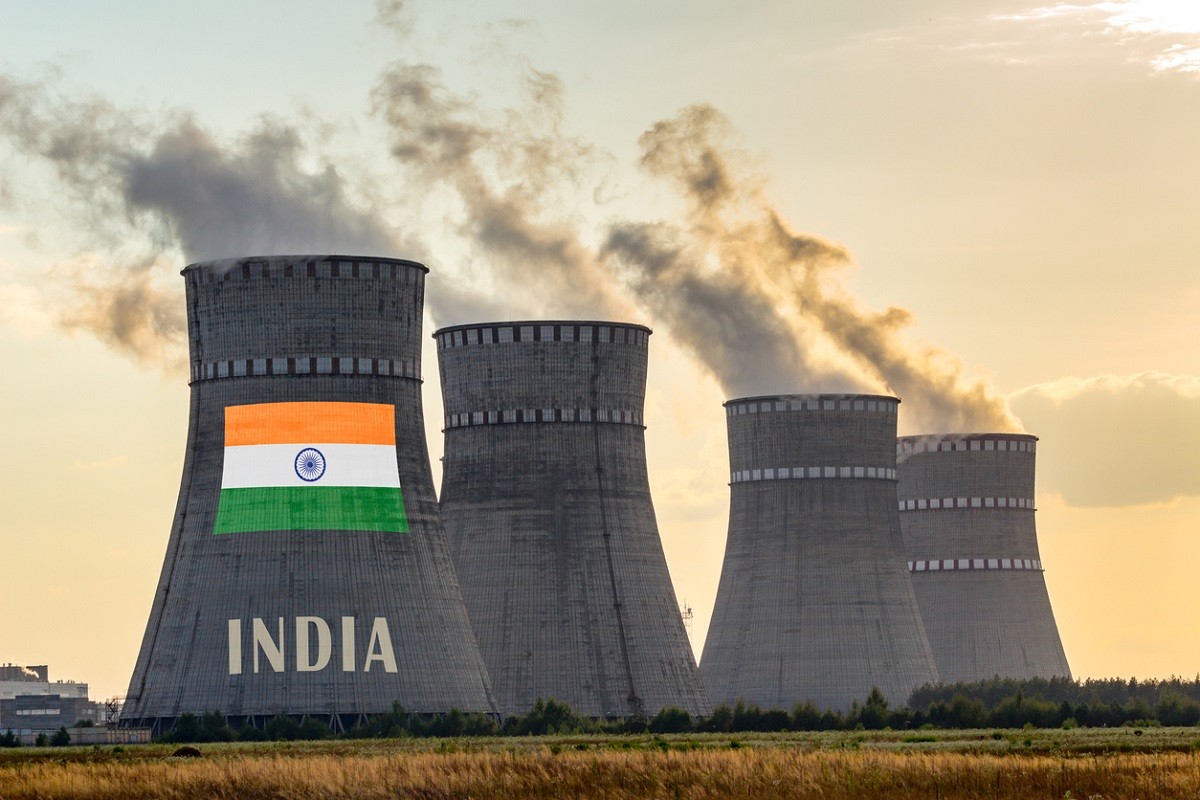
India's Draft Nuclear Regulations May Affect Foreign Reactor Technology Introduction
A draft nuclear regulatory framework in India could introduce new uncertainty to its nuclear power expansion plans. Multiple industry insiders and legal experts believe that the draft's additional approval requirements for imported reactors may push companies toward domestic technology and delay the entry of foreign capital and advanced reactor technology into the Indian market. India passed a new nuclear energy law last year, allowing private enterprises to enter the nuclear power sector, which had long been strictly controlled by the state, and is attempting to expand nuclear power capacity by introducing foreign technology and investment. India plans to increase its nuclear power installed capacity nearly tenfold over the next two decades to 100 gigawatts, with estimated investment needs approaching $210 billion. The target is seen as...
2026-08-28
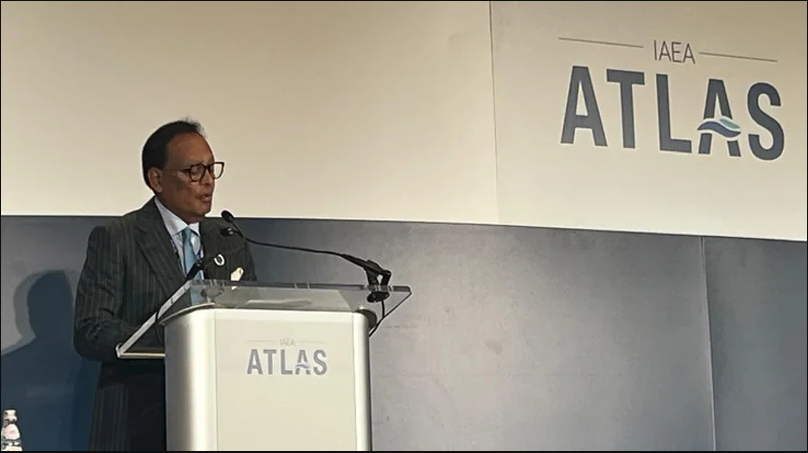
Bangladesh Highlights Potential of Nuclear Technology for Maritime Applications at ATLAS Ministerial Meeting
On August 26, local time, Bangladesh's Minister of Science and Technology, Faqrul Mahbub Anam, stated at the 2026 Ministerial Launch of the Licensing of Atomic Technology for Marine Applications (ATLAS) held in Washington, D.C., USA, that Bangladesh is committed to responsible participation in the global nuclear dialogue and believes that emerging nuclear technologies hold significant potential in the field of maritime applications. Anam stated that in the face of challenges such as climate change, energy security, and growing energy demand, the importance of nuclear energy in reducing emissions and ensuring reliable energy supply is rising. Advanced nuclear technologies, including Small Modular Reactors (SMRs), can provide stable low-carbon electricity and support economic growth, poverty reduction...
2026-08-27
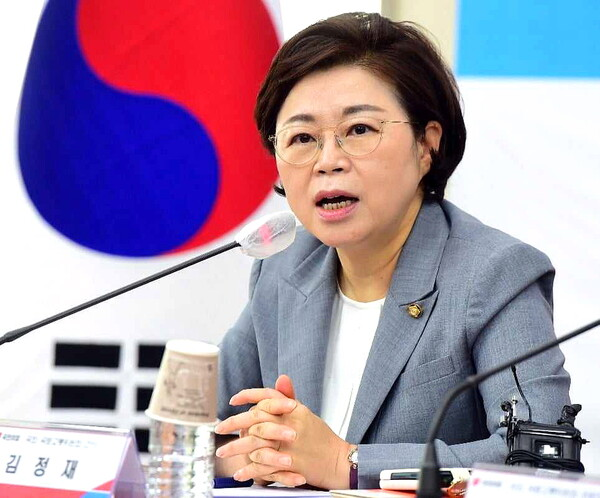
South Korean Lawmaker Proposes Designating SMRs as National Strategic Technology
Kim Jung-jae, a lawmaker from South Korea's People Power Party, recently proposed an amendment to the Special Tax Limitation Act, calling for small modular reactors (SMRs) to be included in the category of national strategic technologies, thereby supporting related R&D, talent development, and facility investment through tax credits. Kim believes that SMRs are a next-generation nuclear technology that balances carbon neutrality goals with stable energy supply. As global technological and industrial competition in the SMR market intensifies, South Korea needs to further improve its institutional foundation to promote the development of the related industry. According to the proposal's explanation, the commercialization and export competitiveness of SMRs depend not only on R&D outcomes but also on the facility level of the manufacturing supply chain, workforce capabilities, and international quality standards and certification...
2026-08-26
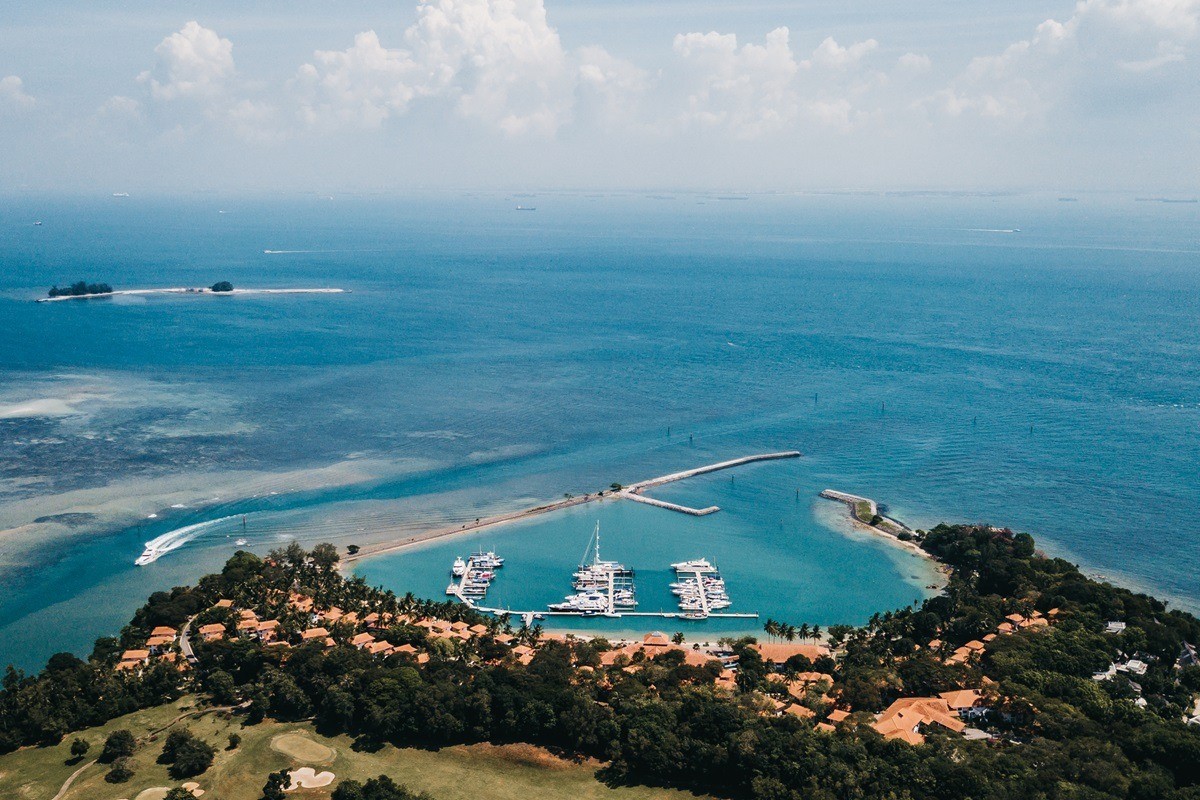
Singapore Plans "Western Island"; Experts Say It Could Serve as a Study Subject for Future Nuclear Power Siting
Singapore plans to integrate several outlying islands south of Jurong Island over the coming decades to build the Western Island, which will support the development of new power generation infrastructure and other projects. Several experts interviewed believe that if Singapore decides to deploy nuclear energy in the future, the Western Island could become one of the potential sites requiring focused study, but it cannot yet be directly equated with a "nuclear island." Singapore Prime Minister Lawrence Wong announced at the National Day Rally on August 23 that Singapore plans to consolidate the small islands south of Jurong Island, including Semakau, Pulau Bukom, and Pulau Sudong, into the Western Island to meet future energy and industrial development needs. Dr. Nian Jiakang, co-founding chairman of an independent energy think tank, believes that Singapore's limited land and dense population make the integration of outlying islands conducive to expanding the research space for future nuclear siting. He said that if Singapore decides to develop nuclear energy, the Western Island should be included as a serious evaluation option, but this does not mean a conclusion has been reached on such deployment.
2026-08-25
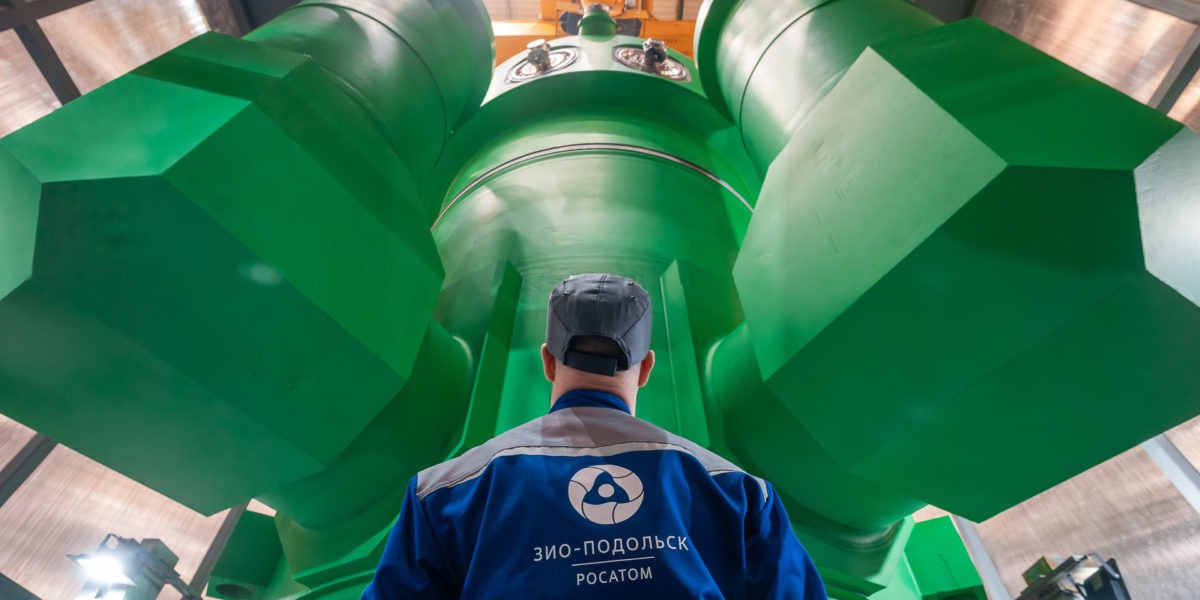
Russia Plans to Update Regulatory Framework for Advanced Nuclear Technologies
Alexey Likhachev, Director General of Rosatom, stated at a presidential meeting that the pace of nuclear technology development is outpacing the adaptability of the existing technical regulatory system, making it necessary to update relevant federal laws and regulations. Likhachev believes that regulatory adjustments should align with the development of advanced nuclear technologies, but without compromising regulatory independence or introducing additional safety risks. He proposed drawing on internationally accepted practices by conducting regulatory assessments at an early stage of projects, meaning regulators would engage in communication with developers before formal license applications are submitted, so as to resolve potential disputes before project construction begins...
2026-08-25
Kazakhstan's Kazatomprom Says the Era of "Cheap Uranium" Is Fading
Meirzhan Yussupov, CEO of Kazakhstan's national atomic company Kazatomprom, said during a semi-annual financial results conference call that the global uranium market is entering a new supply-demand phase and the era of cheap uranium is fading. The company also disclosed arrangements for natural uranium concentrate trading and the latest updates on the delay of the TQZ sulfuric acid plant project. Yussupov said that 38 countries worldwide have signed commitments to support tripling nuclear power capacity by 2050, with these countries collectively accounting for more than 70% of global GDP. In his view, nuclear energy development has moved beyond policy discussions and entered the stage of actual deployment...
2026-08-25
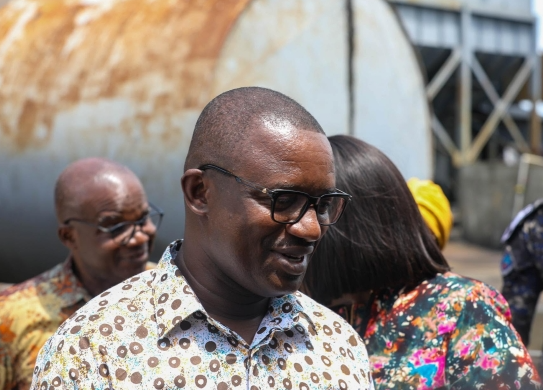
Ghana Says Nuclear Energy Key to Meeting Future Electricity Demand
Ghana's Minister of Energy and Green Transition, John Abdulai Jinapor, stated that Ghana will diversify its energy mix through nuclear power development, providing affordable, reliable, and low-carbon electricity for industrialization and economic growth. Speaking recently at the opening ceremony of the third U.S.-Africa Nuclear Energy Summit in Accra, Jinapor said that Ghana's electricity demand continues to grow, hydropower development potential is becoming limited, and thermal power generation costs are relatively high, prompting the country to explore other affordable energy options, including nuclear energy. The summit's theme was "Building and Sustaining Africa's Nuclear Workforce." He noted that when the Akosombo Dam was first completed, Ghana's peak electricity demand was approximately 300 megawatts, while the dam's generating capacity exceeded 1,000 megawatts; currently, Ghana's peak electricity demand has risen to about 4,500 megawatts. Rising thermal power generation costs have pushed up overall energy costs, making energy mix diversification a practical necessity.
2026-08-24
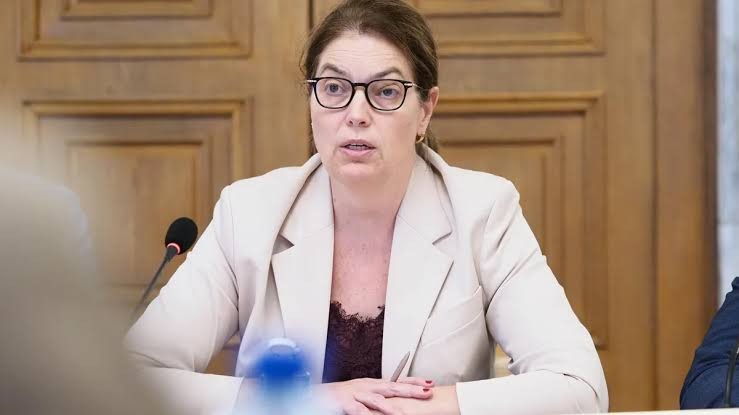
Preventive Power Reduction of Unit 5 at Bulgaria's Kozloduy NPP
Bulgarian Energy Minister Iva Petrova stated in Sofia on August 21 that due to the persistently low water level of the Danube River, Unit 5 of the Kozloduy Nuclear Power Plant (Kozloduy NPP) has undergone a preventive reduction in power generation of approximately 120 MW, but the plant is currently not in a crisis situation. The unit has an installed capacity of slightly over 1,000 MW. Petrova said that the power reduction is a preventive measure within the plant's action plan for responding to the declining Danube water level, and the current situation is under control. She noted that if the water level continues to drop, Unit 5 may require further power reduction. At present, the plant has established an internal working group to continuously monitor hydrological changes. The situation is...
2026-08-22
Indonesia Incorporates Nuclear Energy into Decarbonization and Power Planning
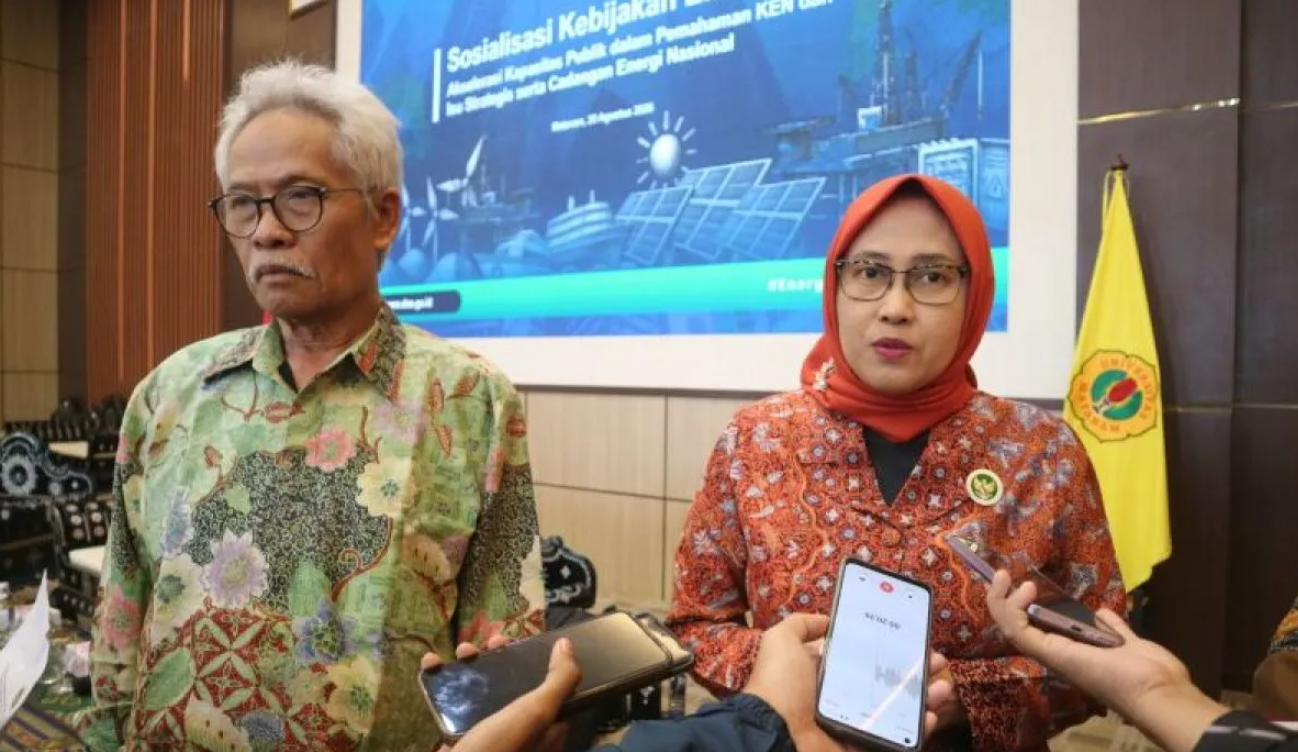
The National Energy Council (DEN) of Indonesia recently stated that nuclear energy is expected to become an important option for driving the country's energy transition and achieving its net-zero emission targets. DEN member Sripeni Inten Cahyani said at a national energy policy promotion event held at Mataram University that the positioning of nuclear energy in Indonesia's energy planning is changing, and it is no longer just a last resort. Sripeni Inten Cahyani (right), a member of the National Energy Council (DEN), accompanied by fellow member Surono (left), gave an exclusive interview to reporters after a national energy policy outreach activity at Mataram University in West Nusa Tenggara Province on Thursday, August 20, 2026...
2026-08-21
South Korea plans to build an innovative self-developed fusion reactor by 2035
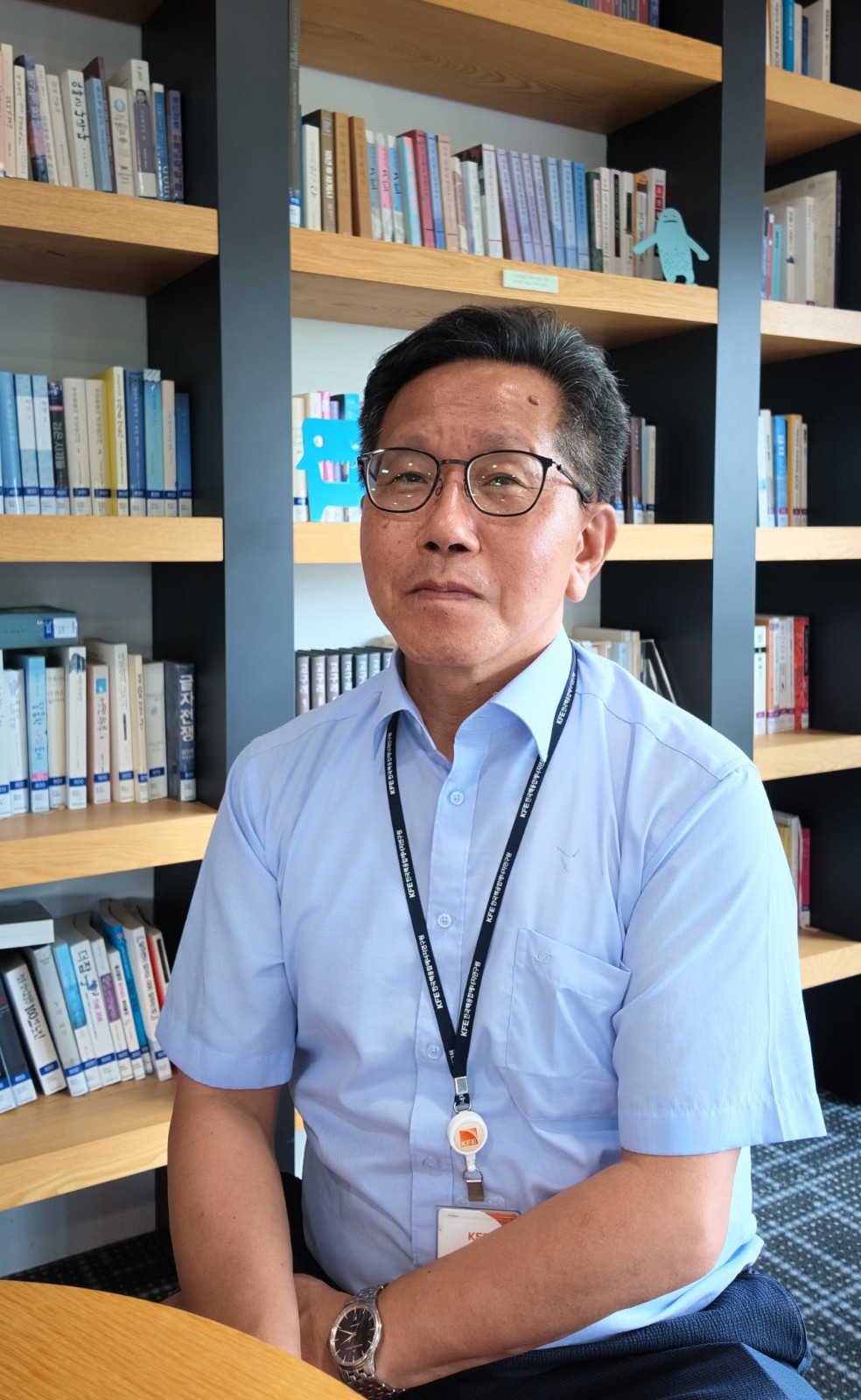
Yang Hyeong-ryeol, head of the fusion sector of the K-Moonshot project at the Korea Institute of Fusion Energy (KFE), recently stated that South Korea plans to complete the construction of an independently developed innovative fusion reactor by 2035 and strives to complete power generation demonstration by 2039. He said that nuclear fusion is an extremely challenging technical endeavor, but once a breakthrough is achieved, it will have broad driving effects on the energy, industrial, and technological systems. Yang Hyeong-ryeol, project director of South Korea's Moonshot program, said nuclear fusion is often called an artificial sun because it generates energy by simulating the energy production process inside the sun. Against the backdrop of rapid expansion of AI applications, rising electricity demand, and increasing global pressure for carbon reduction, the commercialization of fusion energy is attracting growing attention from more countries and enterprises. The South Korean government has listed nuclear fusion, along with small modular reactors and renewable energy, as key future technology directions, and hopes to advance the commercialization of fusion energy through public-private partnerships.
2026-08-20
TerraPower Plans to Deepen South Korean Supply Chain Cooperation to Advance K-Sodium SMR Business Model
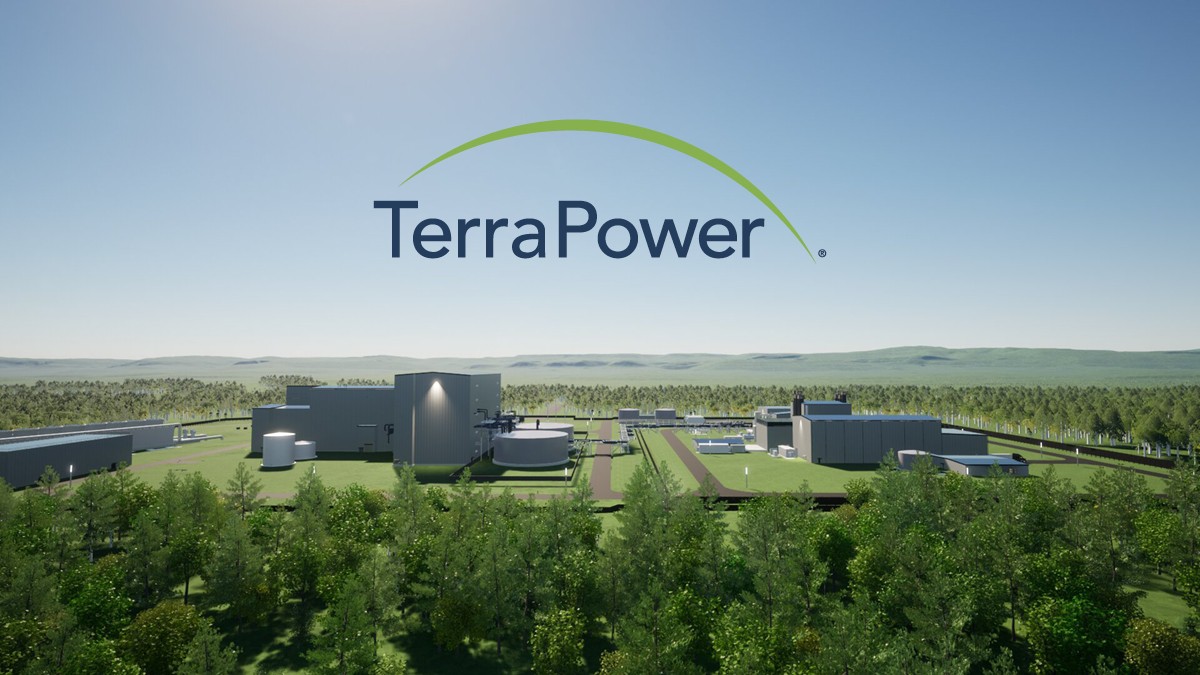
TerraPower CEO Chris Levesque recently stated that South Korea possesses strong nuclear supply chain capabilities, with both a foundation in small modular reactor (SMR) construction and familiarity with the stable power demands of AI data centers, semiconductors, and other industries. TerraPower plans to further strengthen cooperation with South Korean companies in supply chain and project manufacturing. Levesque stated that small modular reactors are not a technology intended to replace traditional large-scale nuclear power plants, but rather a new class of energy solution targeting incremental electricity demand in the AI era. He recently met with TerraPower Chairman Bill...
2026-08-19
South Korea Has Not Yet Decided Whether to Include New Nuclear Power in the 12th Basic Plan for Electricity Supply and Demand
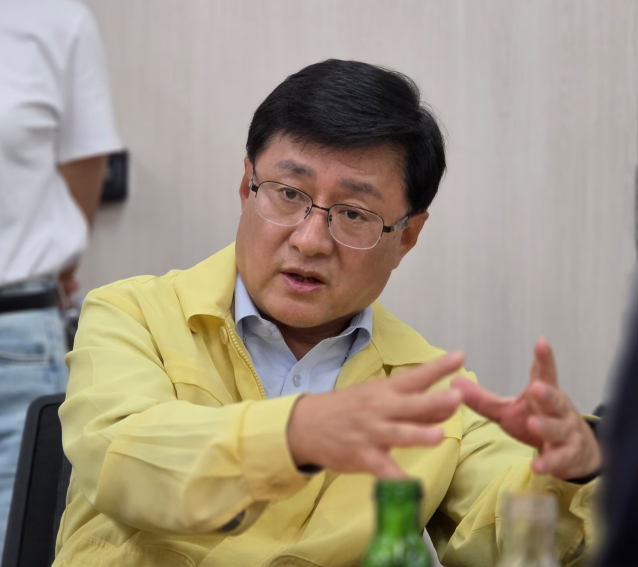
South Korea's Minister of Climate, Energy and Environment, Kim Sung-hwan, said during a meeting with reporters at the Sejong Government Complex on August 18 that the government has not yet reached a conclusion on whether to include new nuclear power plants in the 12th Basic Plan for Electricity Supply and Demand. Kim said that government policy cannot be determined solely by the personal will of the minister in charge, and it is not appropriate to make premature statements at this stage. He emphasized that related matters will be decided after going through the necessary deliberation process. Regarding whether nuclear power will be included in the 12th Basic Plan for Electricity Supply and Demand, the government plans to clarify the direction of discussion as soon as possible, including how public opinions will be reflected, how the review procedures involving experts and public participation will be structured, and what methods will be used to conduct debates or public discussions before the plan is released...
2026-08-19
Reading Ranking
- 1 Construction of Vietnam's first nuclear power plant will boost Russia-Vietnam scientific and technological cooperation
- 2 Russia Says Balkhash NPP Construction Will Boost Kazakhstan's Nuclear Energy Industry
- 3 Kazakh experts call for enhanced radioecological monitoring in border regions
- 4 Serbian President Says China to Participate in Uzbekistan's Second Nuclear Power Plant Project
- 5 Kazakhstan's National Nuclear Center Experimental Base Supports Nuclear Power Safety and Advanced Energy Research
- 6 Finland's Onkalo Repository to Be Commissioned, Experts Say 100,000-Year Safety Assessment Still Faces Uncertainties
- 7 South Korea Reassesses New Nuclear Power Plant Construction Amid Rising AI Electricity Demand
- 8 South Korean Lawmaker Proposes Designating SMRs as National Strategic Technology
- 9 Taiwan plans to include small modular reactors and nuclear fusion in new energy exploration
- 10 Alexey Likhachev: Commissioning of Units 5 and 6 of India's Kudankulam NPP will begin in 2028-2029
- 11 Kazakhstan's Kazatomprom Says the Era of "Cheap Uranium" Is Fading
- 12 Rosatom Says Small Nuclear Power Development Requires Regulatory Reform
- 13 German Chancellor Links High Electricity Prices to Hasty Nuclear Phase-Out
- 14 Gyeongsangbuk-do lawmakers demand stronger nuclear power plant accident notification and oversight
- 15 Russia Says Small Nuclear Power Plants Can Improve Energy Supply in Remote Areas