
India's Draft Nuclear Regulations May Affect Foreign Reactor Technology Introduction
 Scan to share
A draft nuclear regulatory framework in India could introduce new uncertainty to its nuclear power expansion plans. Multiple industry insiders and legal experts believe that the draft's additional approval requirements for imported reactors may push companies toward domestic technology and delay the entry of foreign capital and advanced reactor technology into the Indian market.
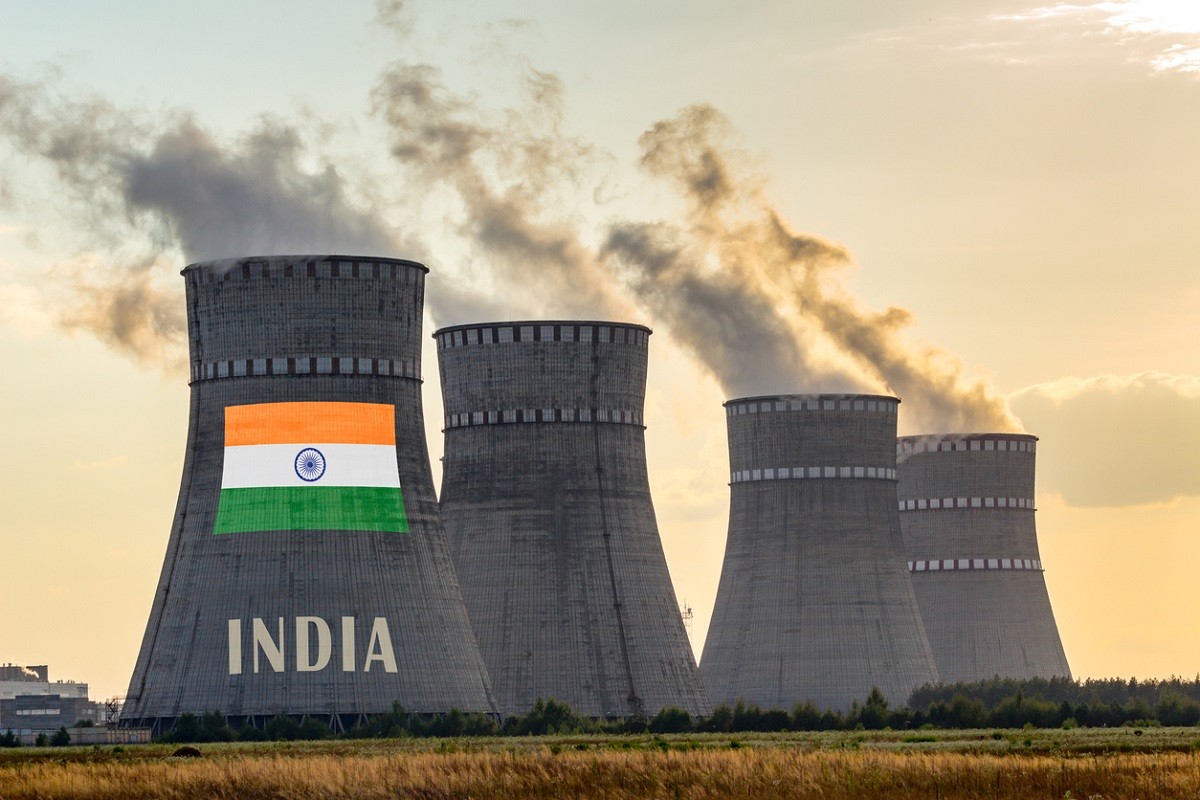
India passed a new nuclear energy law last year, allowing private enterprises to enter the nuclear power sector, which had long been strictly controlled by the state, and is attempting to expand nuclear power capacity by introducing foreign technology and investment. India plans to increase its nuclear power installed capacity nearly tenfold over the next two decades to 100 gigawatts, with estimated investment needs approaching $210 billion. The target is regarded as a significant step by India to reduce its reliance on coal-fired power.
Currently, the Nuclear Power Corporation of India Limited (NPCIL) is the country's sole nuclear power plant operator and holder of nuclear power technology, and is advancing an expansion plan to add 14 gigawatts of nuclear capacity by 2032. Against this backdrop, private capital and new reactor technologies are considered key to achieving the 100-gigawatt target.
Indian conglomerates such as Tata Power, Adani Power, and Reliance Industries, as well as foreign companies including Rosatom, EDF, and GE Hitachi Nuclear Energy, have already engaged with the government regarding India's nuclear power expansion plans. As the consultation process is still ongoing, some industry insiders have said they will wait for the final rules to be issued before deciding whether to invest. Relevant companies can submit feedback on the draft to the government by September 4, and the final nuclear rules and regulations are expected to be finalized approximately three months after the public consultation concludes.
Under the proposed framework, companies planning to deploy imported reactors must obtain operating and licensing certifications from the reactor's country of origin and secure a separate design approval from India's nuclear regulatory body before construction begins. Legal experts believe this requirement could pose constraints on new reactor designs that have not yet been commercialized on a large scale.
Suhaan Mukerji, managing partner at PLR Chambers, said that if the rules create differential treatment between domestic and foreign technologies, and only foreign technologies with existing operating plants are considered, the intended effects of India's nuclear reforms would be weakened. He also noted that small modular reactors (SMRs) could be particularly affected. India had previously viewed SMRs as a promising technology pathway due to their smaller scale and relatively lower upfront investment, which could reduce the difficulty of deploying nuclear projects. However, globally, most SMR designs remain in the early stages of commercial deployment and may struggle to meet the relevant conditions in India's draft.
A senior Indian government official involved in drafting the framework said the draft prioritizes safety and aligns with international nuclear regulatory practices. However, industry executives believe that if India adopts a regulatory path better suited to mature nuclear markets, it may miss out on certain emerging nuclear technologies.
The approval process in the draft has also raised concerns about project timelines. Mukerji noted that during the period when the nuclear industry was entirely state-operated, site approvals, excavation, and construction permits could proceed in parallel while awaiting final design approval. Under the current draft, however, while developers can submit applications, those applications will not enter the processing pipeline until design approval is obtained. Shri Venkatesh, a partner at SKV Law, also stated that the lack of binding time limits for design approvals could slow down project development.
Beyond technical approvals, the draft leaves several commercial arrangements unclear, including how electricity tariffs will be determined, the level of returns investors can expect, and the minimum financial and technical qualification requirements for potential operators. Over the past eight months, Indian and foreign companies have repeatedly inquired with India's atomic energy authorities about fuel arrangements, spent fuel reprocessing, and exclusion zone requirements.
Two government officials said that the draft rules previously circulated within government departments contained more detailed provisions on corporate qualifications, tariff setting, and a five-year review mechanism, but the publicly released version for consultation removed a significant amount of specific content. Industry insiders are concerned that leaving key commercial parameters to be announced later could continue to delay investment decisions.
Disclaimer: Information republished from partner media, institutions or other websites is provided for reference and communication purposes only. It does not imply endorsement of its views or verification of its accuracy. Please contact us if any content infringes rights or requires correction.