
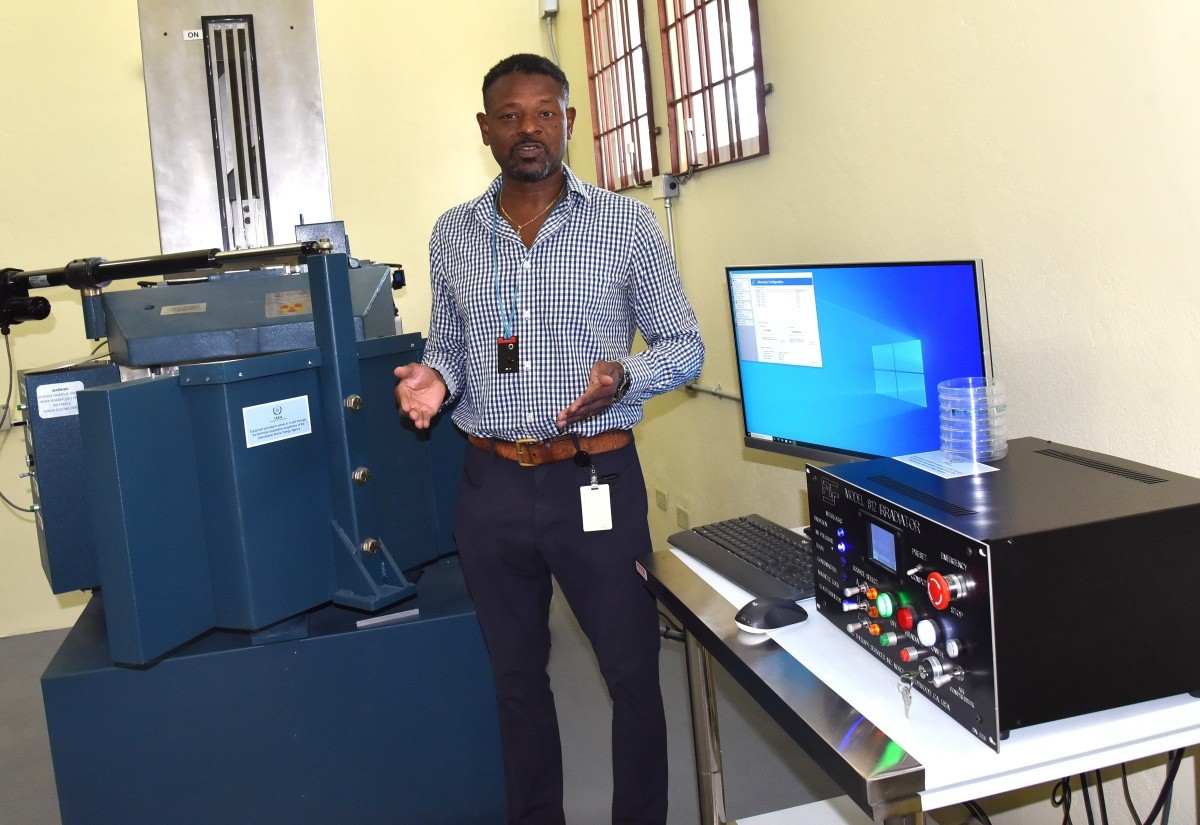
Jamaica Commissions Cobalt-60 Gamma Irradiator to Support Sterile Insect Technique and Agricultural Research
A new gamma irradiator at the International Centre for Environmental and Nuclear Sciences at the University of the West Indies in Jamaica has been commissioned, providing new technical capabilities for the country's research in vector-borne disease control, agricultural improvement, and nuclear technology applications. The equipment began operation in October 2024 and was officially inaugurated in August 2025, currently focusing primarily on sterile insect technique research, with the main objective of controlling Aedes aegypti mosquitoes. John Antoine, head of the Nuclear Analysis Laboratory and senior research scientist at the International Centre for Environmental and Nuclear Sciences, explained that the irradiator can deliver controlled, measurable doses of radiation to samples or products without making the samples or products themselves radioactive. He compared the...
2026-09-08
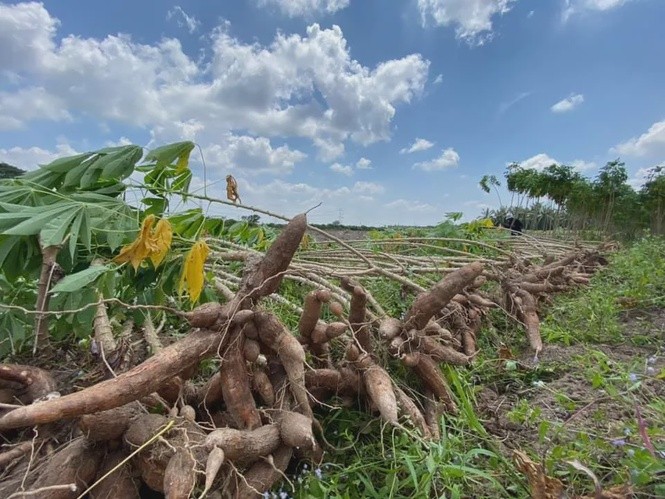
Malaysia Expands Nuclear Radiation Mutation Breeding Applications to Bolster Food Security and Industrial Inspection
Malaysia's nuclear technology applications are extending from traditional fields such as medicine and industry further into agricultural production and food security. Dr. Sukri, Senior Director of Project Management at the Malaysian Nuclear Agency, stated that through research and development using nuclear radiation mutation breeding technology, the agency has shortened the maturation period of cassava from the original 10 to 12 months down to 6 months. Sukri noted that this technological application helps reduce farmers' production costs, improve land use efficiency, and cultivate larger cassava varieties. In addition to cassava, the Malaysian Nuclear Agency, in collaboration with the Ministry of Agriculture and Food Security and the Department of Agriculture, has successfully developed two new rice varieties, NMR 151 and NMR 152. These new varieties feature higher yields and demonstrate strong resistance to diseases, extreme weather conditions such as prolonged drought, and flooding.
2026-09-07
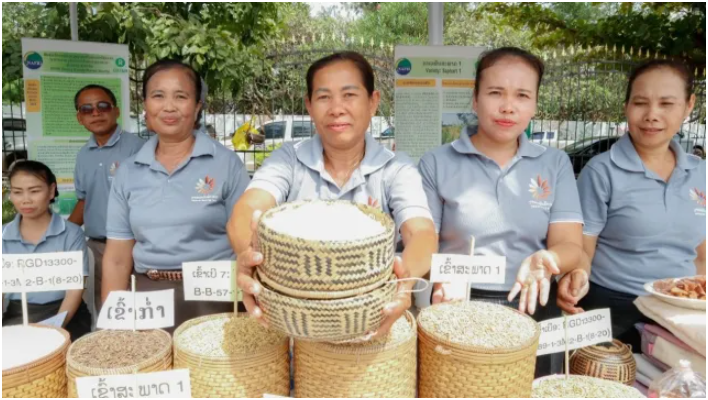
Nuclear technology breeding helps Laos improve rice varieties and increase yields
Rice is a vital staple food and source of income for rural households in the Lao People's Democratic Republic, and serves as the foundation of the country's food security. Over 80% of local farmers grow rice, with paddy fields accounting for approximately 60% of the nation's cultivated land. To enhance food supply capacity, Laos has set a target of increasing rice production to 5.5 million tonnes. The Saphart 1 rice variety was launched at the 2023 National Seed Fair for Food Security and Nutrition. (Photo: S. Phommalath/ RCCRC) Facing challenges such as environmental change, flooding, plant diseases, and increasing pressure on agricultural systems, agricultural researchers in Laos are turning to nuclear technology to improve rice varieties. The National Agriculture and Forestry Research Institute of Laos...
2026-09-01
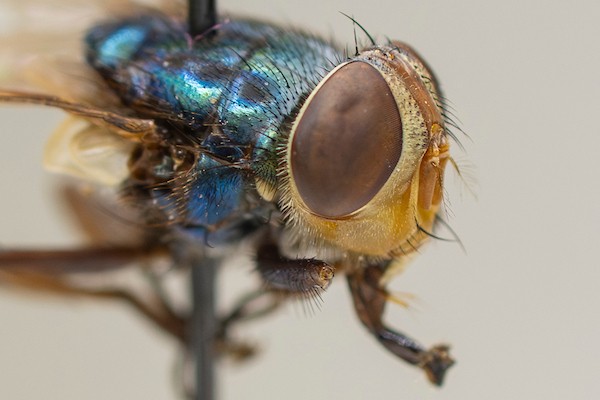
DARPA Ships Insect Sterility Technique Irradiator to the United States with Panamanian Cooperation
An insect irradiator used for the sterile insect technique program was recently transshipped to the United States via Panama, where it will support U.S. efforts to address the New World screwworm threat. The equipment was acquired by the U.S. Defense Advanced Research Projects Agency (DARPA) on July 8, 2026, and arrived in Panama, where it was subsequently transferred from the port to the airport with the assistance of Panamanian partners. The New World screwworm is a parasitic pest whose flies lay eggs in warm-blooded animals, with larvae burrowing into tissue and feeding, posing a threat to livestock production. Jon O’Rullian, president of the equipment manufacturer Foss Therapy Services, Incorporated, stated that threats of this kind are significant to all types of livestock producers.
2026-08-26
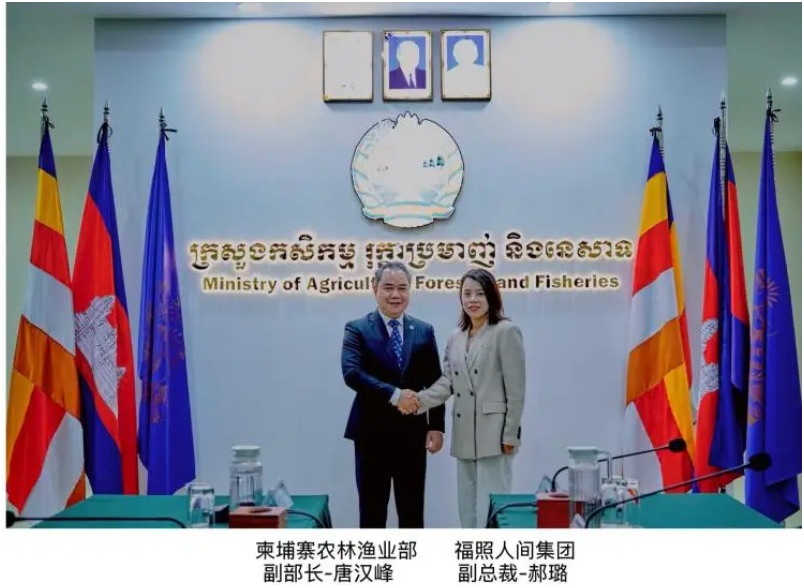
China and Cambodia Sign MOU on Agricultural Supply Chain Cooperation, with Irradiation Processing Technology Listed as a Key Focus
On August 10, Haikou Silk Road Social Science Research Institute and the Ministry of Agriculture, Forestry and Fisheries of the Kingdom of Cambodia signed the Memorandum of Understanding on Research Cooperation for the Stability and Development of the China-Cambodia Agricultural Supply Chain in Phnom Penh. According to the MOU, the industrial application of irradiation processing technology in the agricultural sector has been listed as one of the core cooperation directions for both sides. In this cooperation, the Joint Laboratory for R&D and Validation of Agricultural Product Irradiation Technology played a key supporting role. The joint laboratory was co-founded by Fuzhao Renjian Group and the Institute of Agro-Products Processing Science and Technology of the Chinese Academy of Agricultural Sciences, focusing on breeding, post-harvest loss reduction, agricultural product processing, and food safety, conducting irradiation technology R&D and validation, and promoting the application of relevant outcomes...
2026-08-24
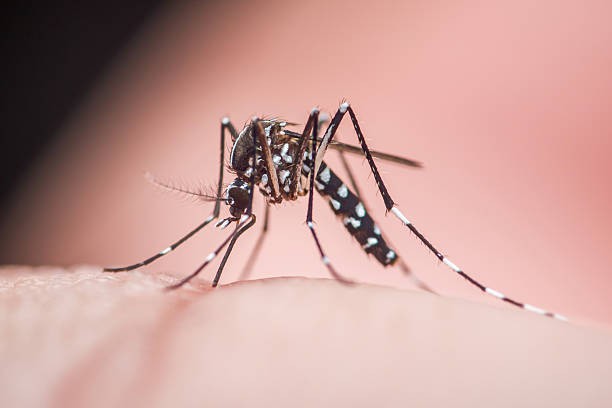
Brive in France Tests Sterile Insect Technique Using X-Ray Irradiation to Control Tiger Mosquitoes, Preliminary Results Show Nearly 60% Sterility Rate in Mosquito Eggs
The city of Brive-la-Gaillarde in the Nouvelle-Aquitaine region of France is using the Sterile Insect Technique (SIT) to control tiger mosquitoes. Since May 2025, the city has been working with the Montpellier-based company Terratis, releasing male mosquitoes that have been treated with X-ray irradiation and rendered incapable of reproduction, in order to reduce the tiger mosquito population. The core of this method is to allow sterile males to mate with wild females, causing the females to lay eggs that cannot hatch. Although it may appear that mosquitoes are still being released in active mosquito areas, the released individuals are males, which do not bite humans. As of October 31, 2025, Brive has deployed nearly 11 million sterile male mosquitoes across 58 release points covering more than 100 hectares, with a weekly release volume of approximately 400,000...
2026-08-23

Texas A&M University Develops Rio Red Grapefruit Through Radiation Mutagenesis, Now Accounting for About 75% of Texas Production
In 1984, researchers at Texas A&M University used radiation mutagenesis to develop the Rio Red grapefruit. Forty-two years later, this variety has become the dominant cultivar in Texas's grapefruit industry, accounting for approximately 75% of the state's total grapefruit production. The Rio Red grapefruit is distinguished by its vibrant pink flesh, as well as its greater cold tolerance and higher yields compared to other grapefruit varieties. These traits have facilitated its widespread adoption across Texas growing regions, gradually establishing it as a representative grapefruit variety in the local market. Grapefruit itself was not originally a product of artificial breeding. The earliest known grapefruit seedlings appeared in Barbados in the 18th century, resulting from a cross between the Jamaican sweet...
2026-08-22

IAEA Launches Research Project on Edible Insects and Novel Foods Safety
As global demand for alternative protein sources rises, the International Atomic Energy Agency has recently launched a five-year coordinated research project focusing on assessing safety risks associated with edible insects and other novel foods during production, processing, and consumption. The project will be implemented through the Joint FAO/IAEA Centre of Nuclear Techniques in Food and Agriculture, utilizing nuclear techniques, isotope techniques, and related detection methods to analyze chemical, biological, and physical hazards in food. Currently, more than 2,000 species of edible insects are known globally, and approximately 2 billion people regularly consume insects. In Africa, Asia, the Pacific region, and Latin America, insects have long been part of the diet in some communities...
2026-08-20
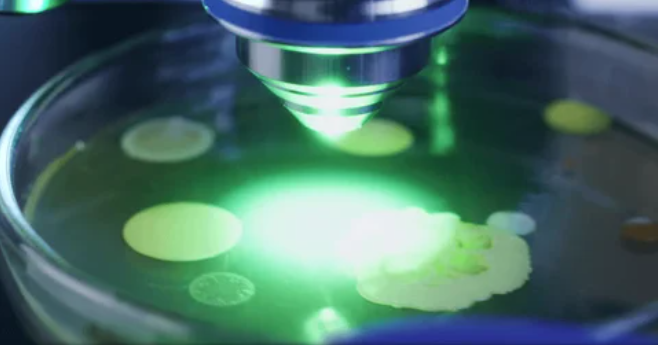
Russian Scientists Develop Bioluminescent Bacterial Bioassay for Screening Safe Low-Dose Radiation Levels in Animals
Russian researchers have developed a rapid bioassay method based on bioluminescent bacteria that can be used to assess safe dose ranges of ionizing radiation for animals, providing an early screening tool for low-dose radiation applications in livestock farming. The study involved researchers from the Institute of Biophysics of the Siberian Branch of the Russian Academy of Sciences, Siberian Federal University, and Krasnoyarsk State Agrarian University. The research team noted that low-dose ionizing radiation ranging from tens to hundreds of milligrays (mGy) may activate a series of physiological processes in animals, including metabolism, growth, and biomass accumulation; however, if the dose exceeds the safe range, it may cause physiological...
2026-08-14

Russian Researchers Find Low-Energy Electron Beam and X-Ray Treatment of Wheat Seeds Can Increase Yields
Researchers from the D.V. Skobeltsyn Institute of Nuclear Physics at Lomonosov Moscow State University, in collaboration with the Faculty of Physics and the Faculty of Chemistry of Lomonosov Moscow State University, as well as the Siberian Federal Scientific Centre of Agro-BioTechnologies of the Russian Academy of Sciences, have found that pre-sowing treatment of wheat seeds with low-energy electron beams and X-rays can help increase crop yields and enhance plant resistance to diseases. The study focused on the wheat variety Novosibirskaya 29 and included laboratory experiments, two consecutive years of field trials, and computer modeling. The results showed that a dose range of 5 to 15 Gy is suitable as a pre-sowing irradiation treatment parameter for wheat seeds. According to Moscow State University...
2026-08-14
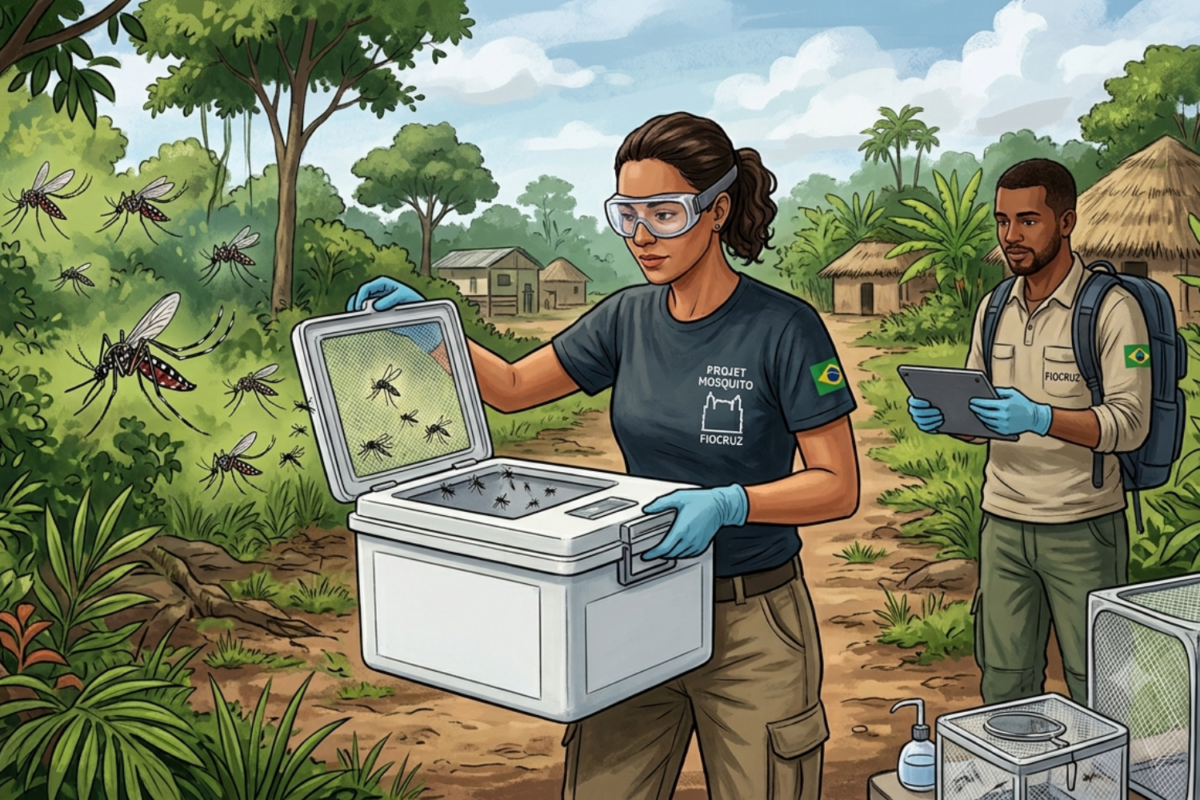
Nuclear Technology Aids Pest Control: Sterile Insect Technique Achieves Results in Multiple Countries
The application of nuclear technology is not limited to power generation and heating. In areas such as agricultural pest control, animal health, and disease vector management, the Sterile Insect Technique (SIT) based on cobalt-60 gamma rays is playing an important role. The core approach of SIT involves mass-rearing target pests in specialized facilities, separating males, and then irradiating them with a cobalt-60 gamma ray source. The radiation causes DNA breaks in the reproductive cells of male insects, leaving them able to fly and mate with wild females but unable to produce viable offspring. As large numbers of sterile males are continuously released, the proportion of ineffective matings in the wild population increases, pest numbers decline generation after generation, and under certain conditions...
2026-08-13

Bhabha Atomic Research Centre (BARC) in India develops 72 improved crop varieties through radiation mutation technology
The integration of nuclear technology with agricultural production is demonstrating increasingly tangible value in Indian farmlands. Through radiation-induced mutation and hybrid breeding techniques, the Bhabha Atomic Research Centre in India has successively developed 72 improved crop varieties, covering peanuts, rice, mung beans, mustard, and other crops. India's Minister of State Jitendra Singh disclosed this progress in a written reply to Parliament, showing that the peaceful application of nuclear science has extended from laboratories to the frontlines of agricultural production. In terms of variety composition, peanut new varieties are the most numerous, reaching 17; rice has 10, mung beans and mustard 9 each, black gram 8, pigeon pea 5, sorghum 3, and cowpea, wheat, and soybean 2 each. Additionally...
2026-08-13
Russian Scholars Discuss Prospects and Limitations of Low-Dose Ionizing Radiation in Agriculture
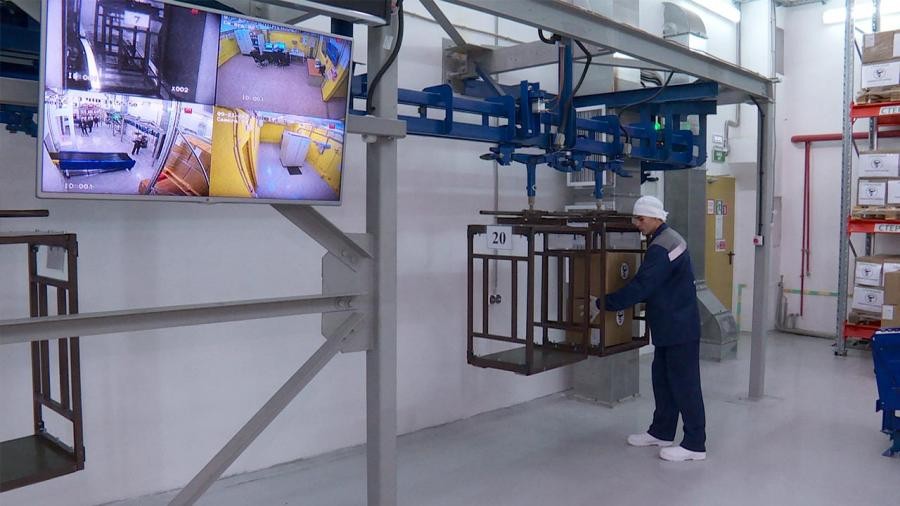
Russian researchers have recently proposed a rapid bacterial detection method for determining optimal doses of ionizing radiation for animals. Related studies suggest that low-dose radiation in the range of tens to hundreds of milligrays (mGy) may activate physiological processes such as metabolism, growth, and biomass accumulation, offering new technical approaches for livestock farming, veterinary medicine, and related fields. The ionizing radiation food processing center at the L.Ya. Karpov Institute of Physical Chemistry in Obninsk. Photo: Kaluga Region State Television and Radio Broadcasting Company. In response to this direction, the National Research Nuclear University MEPhI (Moscow Engineering Physics Institute)...
2026-08-13
Chinese Team Proposes "Toxic Blood Meal" Pre-Treatment Approach to Boost Sterile Insect Technique for Mosquitoes
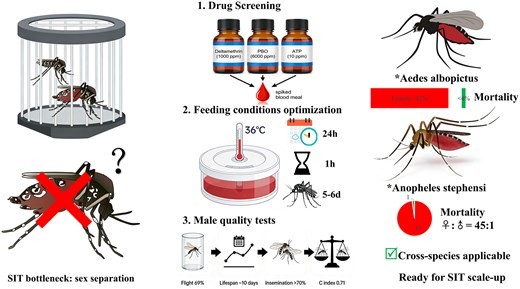
Chinese researchers have recently proposed a novel sex-sorting approach for the Sterile Insect Technique (SIT) in mosquitoes: adding a specific agent to the blood meal ingested by female mosquitoes, leveraging the biological difference that female mosquitoes feed on blood while males do not, to substantially reduce the number of females before release. The study was published in the June issue of the Journal of Medical Entomology. The Sterile Insect Technique is a pest population control method centered on radiation-induced sterility. Its basic process involves mass-rearing male target insects in the laboratory, sterilizing them through radiation exposure to render them reproductively incapable, and then releasing them into the field, where they mate with wild females to produce non-viable eggs, thereby suppressing target population growth. This technique has been incorporated into integrated pest management systems and is regarded as a relatively environmentally friendly pest control approach.
2026-08-12
Texas to Accelerate Opening of Sterile Fly Facility to Combat New World Screwworm Outbreak
The U.S. Department of Agriculture announced that, in response to the New World screwworm (NWS) outbreak already detected in Texas and New Mexico, the sterile fly facility at Moore Air Base in Edinburg, Texas, will open early next spring, approximately seven months ahead of the original schedule. Construction on the facility began in April of this year, and once completed, it will produce sterile flies to support outbreak control efforts using the Sterile Insect Technique (SIT). Under the plan, the facility will reach full operational capacity by the end of 2028, producing approximately 300 million sterile flies per week. The Sterile Insect Technique works by releasing sterilized flies into the environment to mate with wild screwworms, thereby interrupting the reproductive cycle and reducing the risk of continued parasite spread...
2026-08-12
French city of Illkirch plans to test sterile insect technique to combat tiger mosquitoes
Thibaud Philipps, Mayor of Illkirch-Graffenstaden in France's Bas-Rhin department, hopes to pilot the Sterile Insect Technique (SIT/TIS) locally, sterilizing male tiger mosquitoes through radiation and releasing them regularly to curb population growth. According to local authorities, tiger mosquitoes have been officially established in Illkirch-Graffenstaden since 2019. In recent years, the local tiger mosquito population has continued to increase, significantly impacting residents' daily lives. The municipal government has previously implemented multiple control measures, including launching the "Tiger Team" project in 2024 to educate the public on mosquito prevention and control methods, as well as providing subsidies of up to 50 euros per household for purchasing mosquito traps. To date, approximately 400 households have received relevant traps...
2026-08-12
Texas A&M University Leads Development of Novel Wound Treatment for New World Screwworm
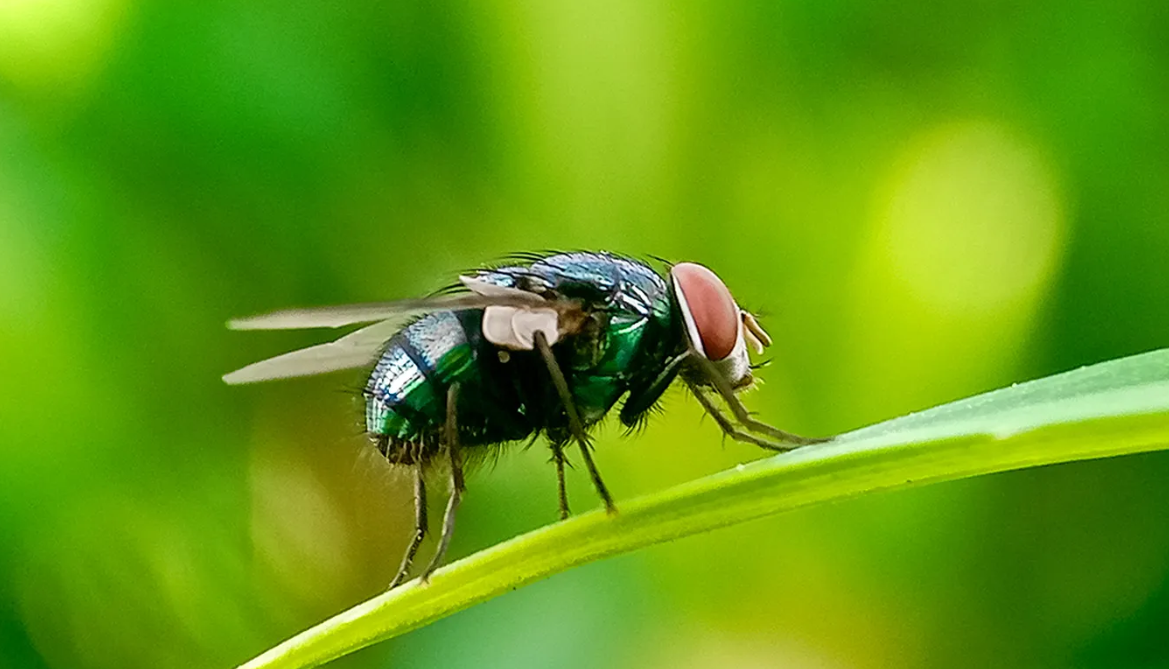
On August 10, 2026, the Texas A&M Engineering Experiment Station is leading the development of fast-acting, low-residue wound treatments for livestock infected with New World screwworm. The project, funded at $1.86 million, is led by Dr. Mustafa E. S. Akbulut, Associate Professor in the Artie McFerrin Department of Chemical Engineering at Texas A&M University, with the goal of providing ranchers and veterinarians with immediately deployable field treatment tools after infection occurs in animals. New World screwworm is a parasite that feeds on living tissue. According to available data, the pest is currently spreading in Central America and Mexico, with over 150,000 animal infection cases reported. Recently, cases have also emerged in Texas and New Mexico. Federal models predict that a large-scale outbreak in Texas could result in livestock losses exceeding $1.8 billion. If left untreated, these pests can cause severe harm to livestock, companion animals, and wildlife.
2026-08-11

Russian Ambassador Says Willing to Transfer Civilian Nuclear Technology to Morocco, Covering Power Generation, Seawater Desalination, Nuclear Medicine, and Agriculture
New directions are emerging in Morocco-Russia economic and technical cooperation, with both sides intending to expand the scope of collaboration from traditional energy sectors to strategic industries such as civilian nuclear technology, seawater desalination, medicine, and agriculture. Russia's Ambassador to Morocco, Igor Belyaev, stated that Russia is willing to share civilian nuclear technology expertise with Morocco, a remark indicating that bilateral cooperation may extend from equipment supply and energy projects to more technology-intensive comprehensive partnerships. This development is closely linked to Morocco's current needs. In recent years, Morocco has continuously promoted the diversification of energy sources and accelerated efforts to address water scarcity, with seawater desalination having become a...
2026-08-10
Senegal Seeks to Leverage Nuclear Energy to Boost Agricultural Productivity
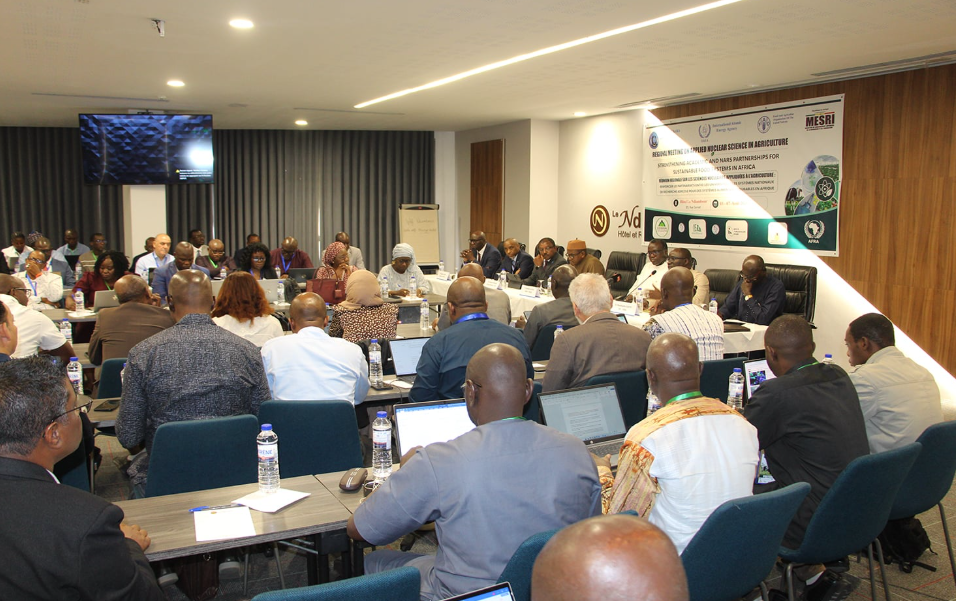
Senegal is actively exploring the use of nuclear technology to enhance agricultural productivity. Facing numerous agricultural challenges, the country believes that nuclear science applications can effectively improve crop cultivation, soil health, and aquaculture, among other areas, with particular attention focused on the regional conference on nuclear science applications in agriculture held in Dakar from August 3 to 7. The event, organized by the Plant Biotechnology Laboratory led by Professor Diaga Diouf at UCAD University in collaboration with the International Atomic Energy Agency (IAEA), is part of the Atoms4Food initiative launched in 2023. The conference brought together university presidents, faculty deans, directors of national agricultural research centers, and other experts and scholars in related fields,...
2026-08-05
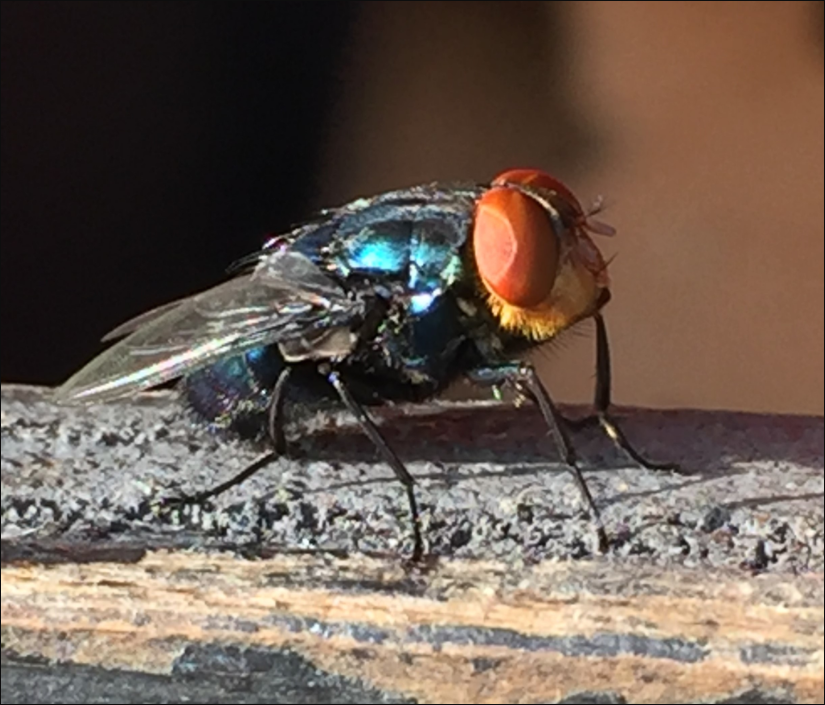
USDA Plans $25 Million Investment in Sterile Fly Release Facility in Arizona
The U.S. Department of Agriculture will invest $25 million to build a new sterile fly release facility in Arizona, strengthening efforts to control New World screwworm and reduce the risk of it invading American livestock herds. Agriculture Secretary Brooke Rollins announced the plan during a visit to the Douglas Port of Entry in Arizona. According to the department, releasing sterile flies is a key method for suppressing and ultimately eradicating New World screwworm populations. The proposed Arizona facility will enhance USDA's sterile fly release capacity and complement existing facilities and operations in Texas, Mexico, and Panama, further strengthening emergency response capabilities along the U.S. southwest border. The U.S...
2026-08-04
Cosmic Rays "Probe" Soil Moisture from Above: Colorado State University Innovates Soil Moisture Monitoring Technology
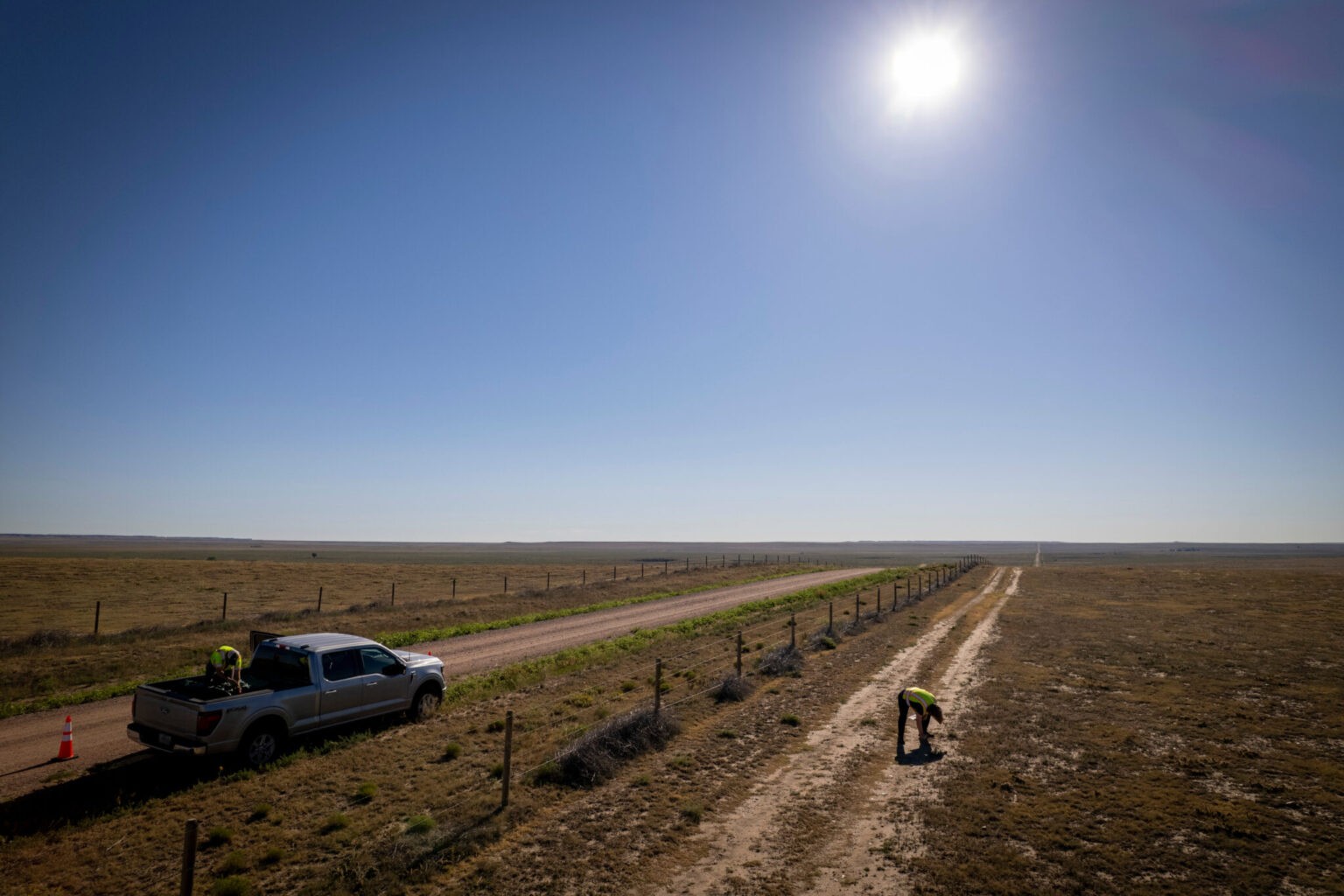
Researchers at Colorado State University are utilizing a mobile cosmic-ray neutron rover to explore a novel soil moisture monitoring method. This technology is expected to provide data support for hydrological research, particularly in assessing the impacts of wildfires on landscapes. The rover is reportedly capable of estimating soil moisture over large areas by measuring changes resulting from the interaction of cosmic rays from outer space with hydrogen atoms in the soil. Unlike traditional sensors that only capture near-surface data at a limited number of points, or the coarse resolution of satellite remote sensing, this technology offers a mesoscale dataset that falls between the two, enabling more accurate mapping of moisture distribution...
2026-08-04
Reading Ranking
- 1 Texas A&M University Develops Rio Red Grapefruit Through Radiation Mutagenesis, Now Accounting for About 75% of Texas Production
- 2 The Institute of Modern Physics, Chinese Academy of Sciences, has made progress in developing heat-tolerant industrial lactic acid bacteria strains via heavy-ion beam mutagenesis.
- 3 Jamaica Commissions Cobalt-60 Gamma Irradiator to Support Sterile Insect Technique and Agricultural Research
- 4 Nuclear Technology Aids Pest Control: Sterile Insect Technique Achieves Results in Multiple Countries
- 5 Russian Scholars Discuss Prospects and Limitations of Low-Dose Ionizing Radiation in Agriculture
- 6 IAEA Supports Nicaragua in Enhancing Agricultural Health and Food Security through Nuclear Technology
- 7 Seychelles Leverages Nuclear Technology to Improve Soil Management and Boost Fruit and Vegetable Production Capacity
- 8 Bhabha Atomic Research Centre (BARC) in India develops 72 improved crop varieties through radiation mutation technology
- 9 DARPA Ships Insect Sterility Technique Irradiator to the United States with Panamanian Cooperation
- 10 Russian Scientists Develop Bioluminescent Bacterial Bioassay for Screening Safe Low-Dose Radiation Levels in Animals
- 11 Malaysia Expands Nuclear Radiation Mutation Breeding Applications to Bolster Food Security and Industrial Inspection
- 12 Chinese Team Proposes "Toxic Blood Meal" Pre-Treatment Approach to Boost Sterile Insect Technique for Mosquitoes
- 13 French city of Illkirch plans to test sterile insect technique to combat tiger mosquitoes
- 14 Texas to Accelerate Opening of Sterile Fly Facility to Combat New World Screwworm Outbreak
- 15 Senegal Seeks to Leverage Nuclear Energy to Boost Agricultural Productivity