
Texas to Accelerate Opening of Sterile Fly Facility to Combat New World Screwworm Outbreak
 Scan to share
The U.S. Department of Agriculture announced that, in response to the New World screwworm (NWS) outbreak already detected in Texas and New Mexico, the sterile fly facility at Moore Air Base in Edinburg, Texas, will open early next spring, approximately seven months ahead of the original schedule.
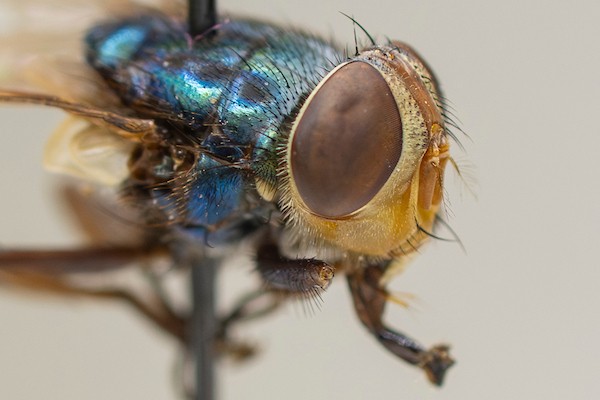
Construction on the facility began in April of this year, and once completed, it will produce sterile flies to support outbreak control efforts using the Sterile Insect Technique (SIT). Under the plan, the facility will reach full operational capacity by the end of 2028, producing approximately 300 million sterile flies per week. The Sterile Insect Technique works by releasing sterilized flies into the environment to mate with wild screwworms, thereby interrupting the reproductive cycle and reducing the risk of continued parasite spread.
The U.S. Department of Agriculture stated that the new facility in Texas will work in coordination with similar facilities already operational in Panama and Mexico to help contain the northward spread of the New World screwworm. Moore Air Base is located approximately 20 miles from the U.S.-Mexico border, placing it in close proximity to key prevention and control areas.
In June of this year, the U.S. Department of Agriculture reported a case of New World screwworm infection in a cow in Texas. According to the department's outbreak tracking update released Monday, 45 indigenous cases have now been detected across Texas and New Mexico, with 4 still active. Crockett County, Texas, has reported the highest number of cases, with 11 since June.
In addition to advancing the sterile fly facility, the U.S. Food and Drug Administration issued an emergency use authorization last Friday for a wound spray product called "CLiK Extra" to help treat animals infected with New World screwworm. Officials from the Texas Department of Agriculture stated that the drug approval will aid outbreak response efforts, but more comprehensive eradication measures are still needed to control and halt the continued spread of the screwworm.
Disclaimer: Information republished from partner media, institutions or other websites is provided for reference and communication purposes only. It does not imply endorsement of its views or verification of its accuracy. Please contact us if any content infringes rights or requires correction.