
Türkiye Leverages Nuclear Science and Technology to Safeguard Citrus Productivity: Insect Sterile Technique and Radiation Mutation Breeding Build a Green Barrier for Agriculture
 Scan to share
Türkiye produces approximately 5 million tonnes of various citrus fruits annually, covering major categories such as sweet oranges, lemons, and grapefruits, making it an important fruit exporter globally. However, the frequent occurrence of abnormal climate events such as extreme heat and cold waves with frost, combined with repeated infestations by persistent pests like fruit flies, has not only severely constrained crop yields and fruit quality but also posed severe challenges to the livelihoods of local farmers. To break through cultivation bottlenecks and meet the stringent requirements of international markets for fruit products with low pesticide residues, Türkiye, with technical support from the International Atomic Energy Agency (IAEA) and the Food and Agriculture Organization of the United Nations (FAO), has comprehensively introduced nuclear science and technology to build a green and sustainable integrated pest management and stress-resistant breeding system for the citrus industry.
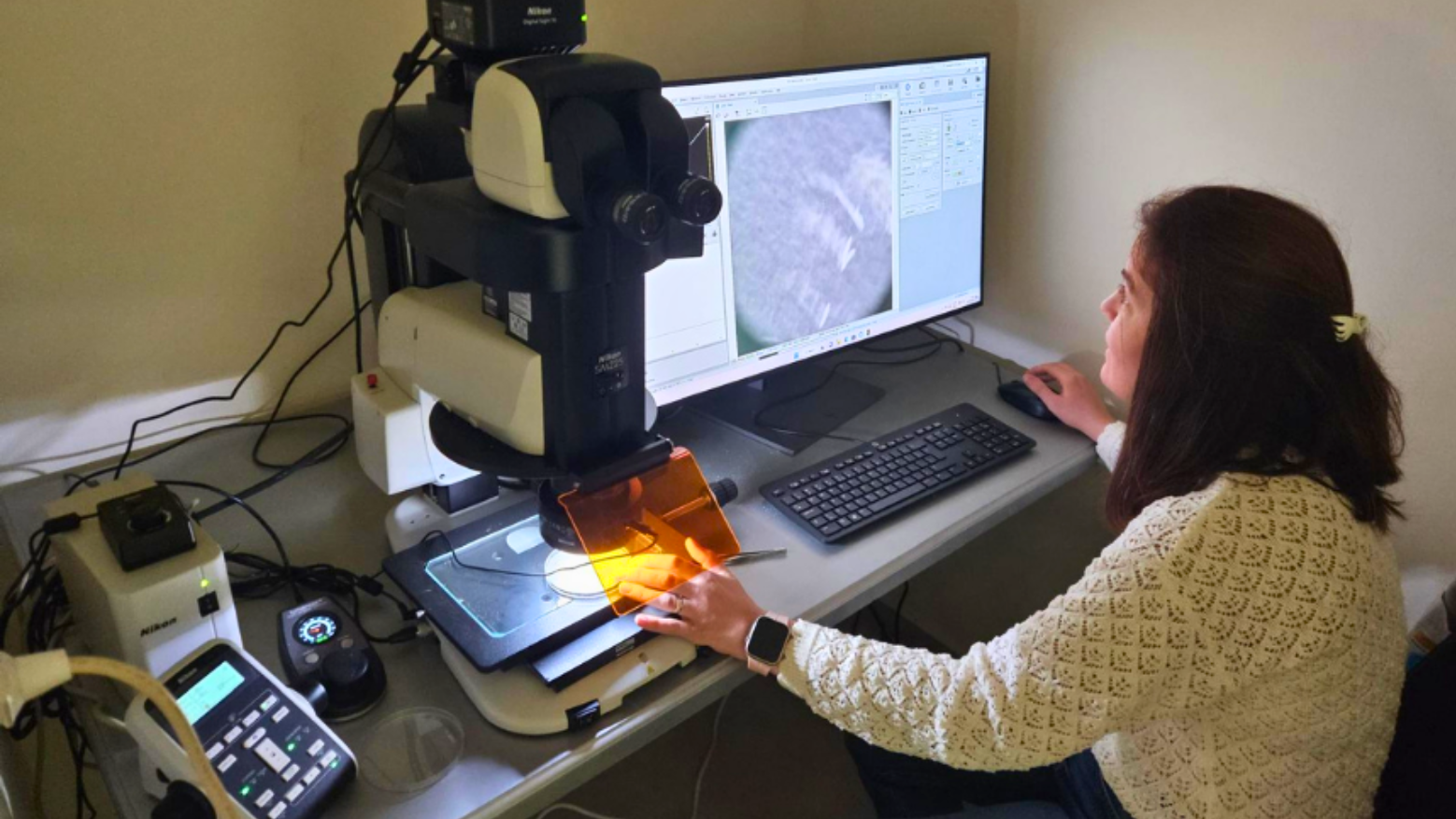
In terms of controlling the Mediterranean fruit fly (Mediterranean fruit fly / Ceratitis capitata), this pest is one of the most economically damaging agricultural pests along Türkiye's Aegean and Mediterranean coasts. Female fruit flies lay eggs inside the fruit, and the hatched larvae feed on the flesh, causing the fruit to rot and drop. To this end, Türkiye has actively promoted the Sterile Insect Technique (SIT). As an ecologically friendly and highly species-specific biological control method, SIT involves the mass rearing of male pests in artificial facilities, sterilizing them using ionizing radiation, and then releasing them into the field. When sterile males mate with wild females in the field, no offspring are produced, thereby effectively suppressing the wild population base within a few generations. Previously, the Dominican Republic urgently deployed SIT after a fruit fly invasion in December 2023 and successfully eradicated the pest within one year.
The Bornova Plant Protection Research Institute in Türkiye has closely collaborated with the IAEA to advance national SIT capacity building. In pilot trials conducted from 2024 to 2025, researchers released a cumulative total of 1 million sterile male flies in a 25-hectare semi-isolated citrus orchard near İzmir, successfully reducing the wild female fruit fly population by 95%, strongly validating the effectiveness of SIT under local climatic conditions. Currently, a large-scale release operation covering 2,000 hectares of orchard river valleys in Menderes is being fully rolled out. Ümran Akkan Demirer, a senior agricultural engineer at the Bornova Plant Protection Research Institute, pointed out that SIT provides a green alternative to traditional chemical pesticide-based insect control, eliminating the risk of excessive pesticide residues while suppressing pests, and significantly consolidating the export competitiveness of Turkish citrus.
In terms of hardware infrastructure construction, Türkiye, with the assistance of the IAEA and FAO, has completed a new large-scale fruit fly rearing facility in İzmir. The facility is equipped with an X-ray irradiator funded by the Turkish Ministry of Agriculture and Forestry and procured with IAEA assistance, specifically used for precise irradiation sterilization of fruit fly pupae reared at the facility, with a weekly capacity of approximately 10 million sterile male flies. Over the past four years, the IAEA has continuously strengthened Türkiye's full-process SIT technical reserves through training courses, fellowship scholarships, and expert mission deployments.
In addition to physical pest sterilization, Turkish researchers have also deeply applied nuclear radiation mutation breeding technology to cultivate high-quality stress-resistant varieties. The Alata Horticultural Research Institute has used radiation to accelerate the frequency of spontaneous mutations in plant genomes and has successfully selected and registered four high-quality lemon varieties: “Eylül” (released in 2009), characterized by early maturity and high disease resistance, and the high-commercial-value seedless elite varieties “Alata,” “Gülşen,” and “Uzun” (released in 2010). Meanwhile, with the support of IAEA technical cooperation projects, the Nuclear Energy Research Institute under the Turkish Energy, Nuclear and Mineral Research Agency (TENMAK) has developed into a recognized base for plant mutation breeding and food irradiation research and development, and has been officially designated as an IAEA Collaboration Centre, playing a regional leading role in cultivating climate-adapted crops, ensuring food security, and meeting international agricultural product export inspection and quarantine standards.
Disclaimer: Information republished from partner media, institutions or other websites is provided for reference and communication purposes only. It does not imply endorsement of its views or verification of its accuracy. Please contact us if any content infringes rights or requires correction.