
Search Results
Keyword:radiation mutation breeding
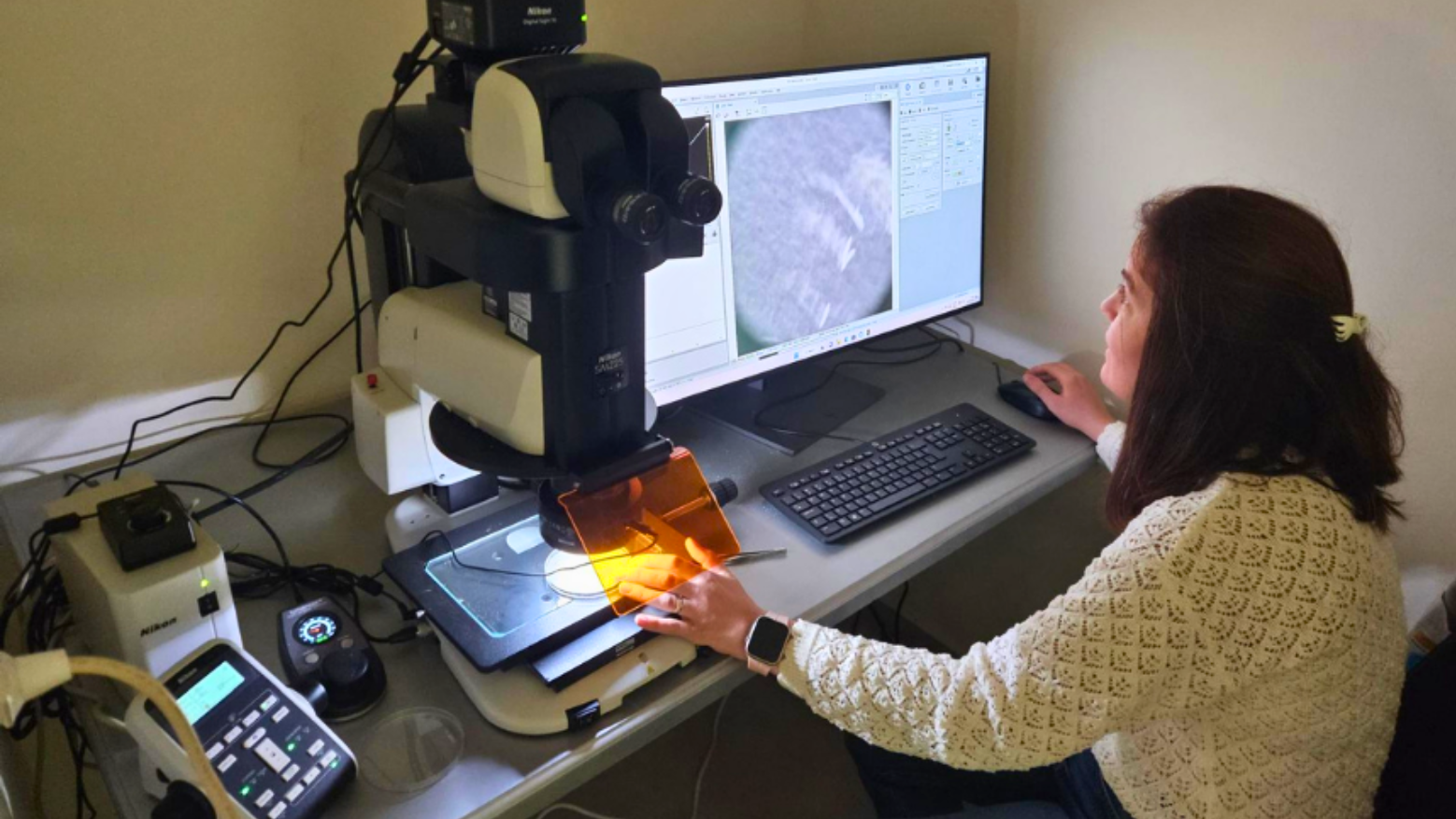
Türkiye Leverages Nuclear Science and Technology to Safeguard Citrus Productivity: Insect Sterile Technique and Radiation Mutation Breeding Build a Green Barrier for Agriculture
Türkiye produces approximately 5 million tonnes of various citrus fruits annually, covering major categories such as sweet oranges, lemons, and grapefruits, making it an important fruit exporter globally. However, the frequent occurrence of abnormal climate events such as extreme heat and cold waves with frost, combined with repeated infestations by persistent pests like fruit flies, has not only severely constrained crop yields and fruit quality but also posed severe challenges to the livelihoods of local farmers. To break through cultivation bottlenecks and meet the stringent requirements of international markets for fruit products with low pesticide residues, Türkiye, with technical support from the International Atomic Energy Agency (IAEA) and the Food and Agriculture Organization of the United Nations (FAO), has comprehensively introduced nuclear science and technology to build a green and sustainable integrated pest management...
2026-09-27
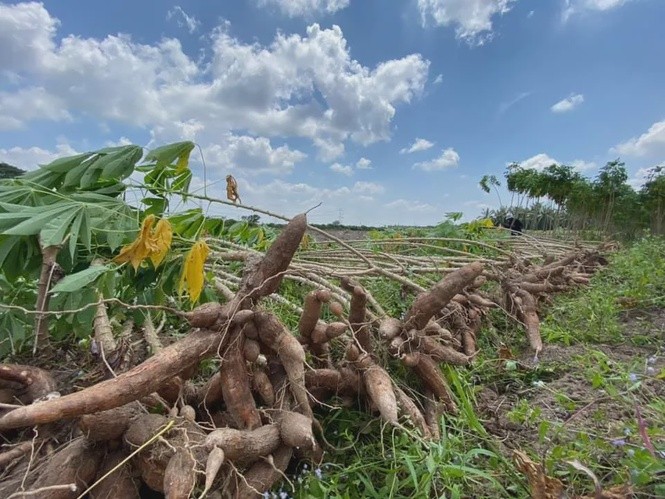
Malaysia Expands Nuclear Radiation Mutation Breeding Applications to Bolster Food Security and Industrial Inspection
Malaysia's nuclear technology applications are extending from traditional fields such as medicine and industry further into agricultural production and food security. Dr. Sukri, Senior Director of Project Management at the Malaysian Nuclear Agency, stated that through research and development using nuclear radiation mutation breeding technology, the agency has shortened the maturation period of cassava from the original 10 to 12 months down to 6 months. Sukri noted that this technological application helps reduce farmers' production costs, improve land use efficiency, and cultivate larger cassava varieties. In addition to cassava, the Malaysian Nuclear Agency, in collaboration with the Ministry of Agriculture and Food Security and the Department of Agriculture, has successfully developed two new rice varieties, NMR 151 and NMR 152. These new varieties feature higher yields and demonstrate strong resistance to diseases, extreme weather conditions such as prolonged drought, and flooding.
2026-09-07