

IAEA Launches Research Project on Edible Insects and Novel Food Safety
As demand for alternative protein sources grows, the International Atomic Energy Agency recently launched a five-year coordinated research project focusing on potential safety risks associated with the production, processing, and consumption of edible insects and other novel foods, while promoting the application of nuclear, isotopic, and related analytical techniques in food safety testing. Edible insects are gaining increasing attention. Data show that more than 2,000 species of edible insects are known globally, with approximately 2 billion people regularly consuming insects; at least 113 countries currently consume one or more insect species. In Africa, Asia, the Pacific region, and Latin America, insects have long been part of the diet for certain populations. As...
2026-09-03

Electron Beam Processing Can Reduce Poultry Pathogens, Study Shows Turkey Meat Quality Remains Well Preserved
A study on electron beam treatment of poultry meat products shows that electron beam irradiation has the potential to reduce the risk of foodborne pathogens in poultry while preserving meat quality as much as possible. The paper, titled "Effects of Electron Beam (eBeam) Treatment on the Texture and Sensory Attributes of Chicken and Turkey Meat Batters," was published in the journal Poultry Science. Electron beam is a non-thermal processing technology that uses high-energy electrons to cause irreversible damage to pathogen DNA or RNA, making it difficult for bacteria to replicate. Like X-rays and gamma rays, electron beam has been approved by the U.S. Food and Drug Administration for cold pasteurization that does not rely on heating. The research team used the electron beam irradiation facility at Texas A&M University...
2026-08-26
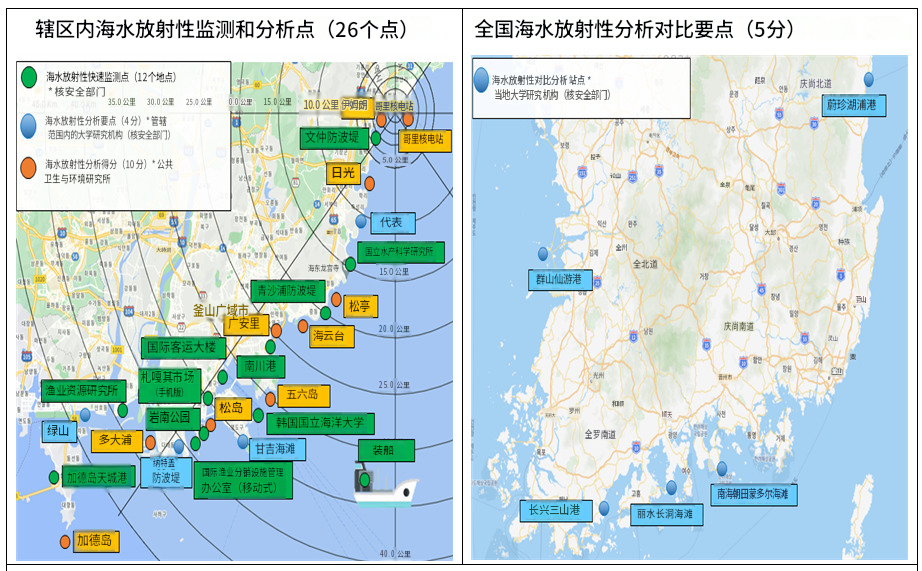
Busan, South Korea Reports No Abnormal Radiation Detected in Seawater and Seafood Three Years After Fukushima Discharge
Busan Metropolitan City stated on August 24 that since the discharge of contaminated water from the Fukushima nuclear power plant began in 2023, the city has continuously conducted radiation monitoring and analysis of coastal seawater and seafood. The results show that the safety conditions of Busan's waters and seafood remain stable with no abnormal changes detected. According to Busan Metropolitan City, seawater radioactivity testing is currently conducted at 26 coastal points. Among them, samples from 14 coastal locations including Haeundae, Gwangalli, Dadaepo, Songdo, and Songjeong are analyzed by the Busan Metropolitan City Institute of Health and Environment and local university research institutions. Test results show that the concentrations of relevant radionuclides are far below the World Health Organization drinking water standards, with cesium-134,...
2026-08-24

China Isotope & Radiation's National Headquarters for Irradiation Application Industry Settles in Guangzhou
On August 11, the national headquarters of China Isotope & Radiation's irradiation application industry — CNNC Irradiation (Guangdong) Technology Co., Ltd. (hereinafter referred to as "CNNC Irradiation") — officially settled in Tianhe District, Guangzhou, and entered the Pearl River New City. This marks an important milestone in the development of China Isotope & Radiation's irradiation application industry. The relocation of the national headquarters for irradiation application to Guangzhou is a key step for China Isotope & Radiation in implementing the central-local cooperation deployment between CNNC and Guangdong Province, and in strategically positioning for the "15th Five-Year Plan." As the nuclear technology application industry platform of CNNC, China Isotope & Radiation possesses a complete industrial chain and core technological advantages in the irradiation application field. It is a leading domestic provider of irradiation facility design, manufacturing, installation, and operation & maintenance services, and has accumulated extensive industrialization experience in high-end medical device sterilization, green irradiation processing of food and traditional Chinese medicinal materials, and material modification.
2026-08-14

New National Standard GB/T 18525.1-2026 — The Red Beans and Mung Beans You Eat May Have Been
Starting December 1, 2026, a new national standard concerning food safety on your dining table will officially take effect — Recently, the State Administration for Market Regulation and the Standardization Administration of China issued the 2026 No. 23 National Standard Announcement, among which the "Irradiation Technology for Agricultural Products — Part 1: Legumes and Their Products" (GB/T 18525.1-2026) is particularly noteworthy. This standard, led by the Institute of Food Science and Technology, Chinese Academy of Agricultural Sciences, will officially take effect on December 1, 2026, replacing the old standard (GB/T 18525.1-2001) that has been in use for over 20 years. When hearing the word "irradiation," many people's first reaction is: "Is it safe?" "Will food become radioactive after being irradiated..."
2026-08-13
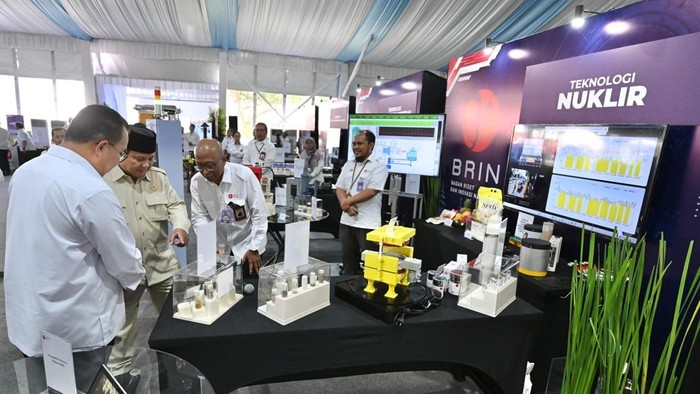
Indonesia's BRIN Showcases Nuclear Technology Research Progress, Covering Radiopharmaceuticals and Food Irradiation Applications
The National Research and Innovation Agency (BRIN) of Indonesia recently showcased its nuclear technology research achievements at the Presidential Palace in Jakarta. BRIN Head Arief Satria stated that the relevant technologies fall within the scope of peaceful uses of nuclear energy, with applications extending beyond energy to also cover food and health sectors. In the health sector, BRIN is developing radiopharmaceuticals for nuclear medicine. These drugs contain radioactive substances and can be used for cancer diagnosis and treatment. Arief stated that radiopharmaceutical research and development is of great significance for cancer detection and therapy. In the food sector, BRIN applies nuclear technology to food preservation, with a focus on irradiation treatment of export fruits. Arief explained that some importing countries re...
2026-08-07
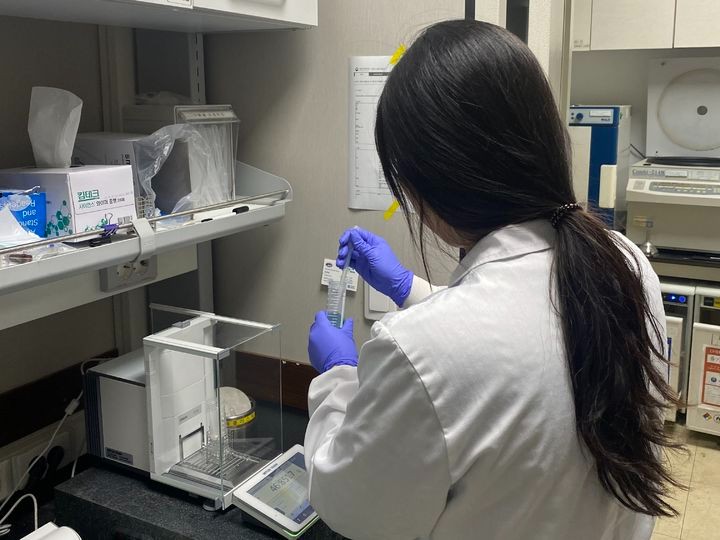
Radioactivity test results for agricultural and fishery products in North Chungcheong Province, South Korea, pass standards in first half of the year
The Chungcheongbuk-do Institute of Health and Environment announced on August 7 that it conducted radioactivity safety testing on agricultural and fishery products sold and used within the province in the first half of this year, and the results showed that all relevant samples met food radioactivity safety standards. The testing covered 119 types of agricultural products and 274 types of fishery products sold at large supermarkets, local food direct-sale stores, or used as ingredients for school meals. Testing items included indicators such as radioactive iodine, radioactive cesium, and tritium. The test results showed that the levels of radioactive iodine and radioactive cesium in the samples did not exceed the permissible limit of 100 Bq/kg for food radioactivity; tritium was not detected in any of the 80 seafood samples. The relevant test results can be found on the Chungcheongbuk-do Institute of Health and Environment website.
2026-08-07
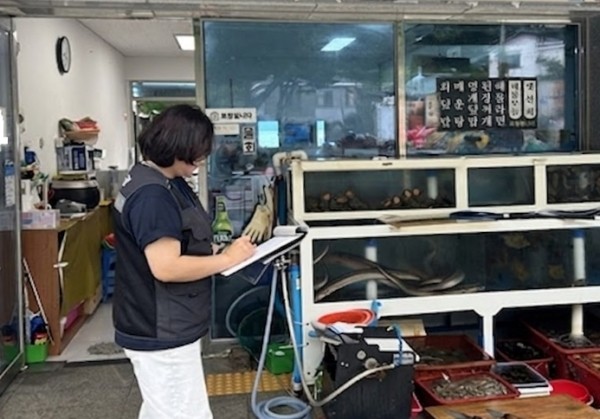
South Gyeongsang Province Completes 380 Food Radioactivity Tests in First Half of Year, All Meeting Standards
The Gyeongsangnam-do Institute of Health and Environment recently announced that in the first half of this year, it conducted radioactivity testing on agricultural products, aquatic products, and processed foods already in circulation, completing tests on 380 samples. Testing items included radioactive iodine, radioactive cesium, and tritium, with all results meeting food radiation-related standards. According to the institute, it continues to conduct radiation monitoring on foods with high market consumption to ensure the daily dietary safety of residents. Of the 380 tests completed in the first half of this year, 338 were for iodine and cesium, and 42 were for tritium, with no samples exceeding permissible levels. In terms of monitoring methods, the institute has established a...
2026-07-27
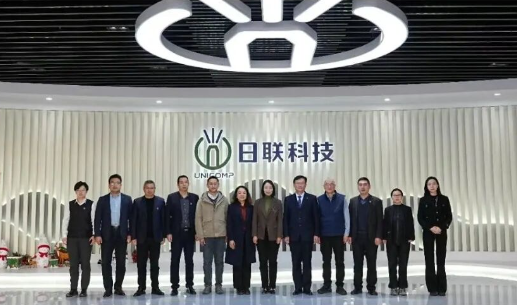
Riliantek and Jiangnan University Jointly Establish the "X-ray Food Inspection Joint Research Center"
Recently, the opening ceremony of the "X-ray Food Inspection Joint Research Center" jointly built with Jiangnan University was successfully held.In recent years, food safety issues have received widespread attention from all walks of life. UFJ T
2026-07-27
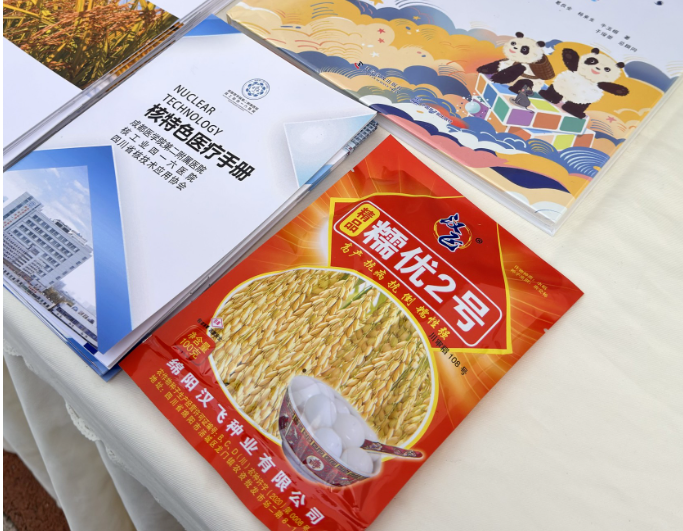
Nuclear Technology Bolsters Food Safety: Sichuan Institute of Atomic Energy Promotes Irradiated Food via "Three Rural Services" Outreach
Recently, during a provincial-level "Three Rural Services" (bringing culture, science/technology, and healthcare to rural areas) demonstration event in Sichuan, the Sichuan Institute of Atomic Energy showcased "irradiated lemon-flavored chi
2026-07-27
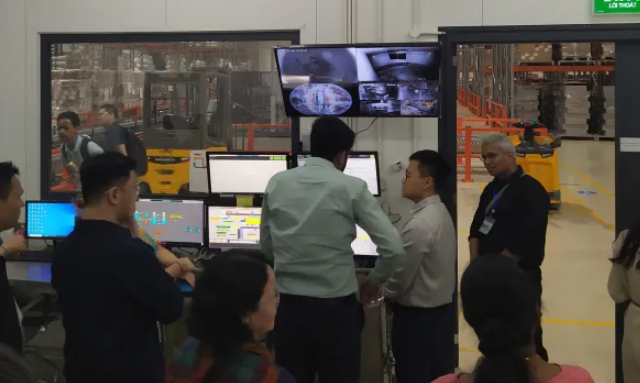
New Advances in Food Irradiation Technology Help Enhance Food Safety and International Trade
The International Atomic Energy Agency (IAEA) states that recent advances in food irradiation technology are helping countries enhance food safety, reduce food losses, and facilitate the international trade of agricultural products. At an international sy
2026-07-27
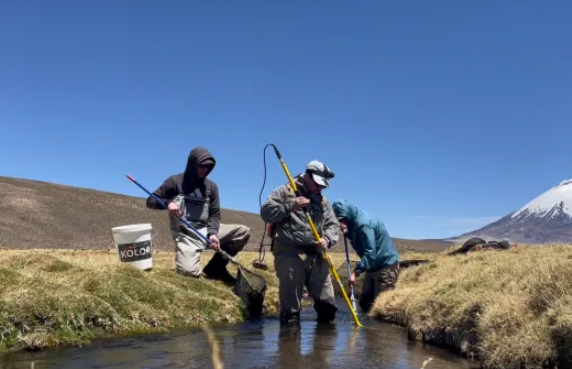
Nuclear technology helps boost disease resistance and food security in Latin American rainbow trout farming.
Rainbow trout farming in Latin America is shifting from a model driven by traditional experience to one supported by science and technology. Widely farmed in freshwater rivers, lakes, lagoons, and coastal net pens, rainbow trout constitute a vital part of
2026-07-27
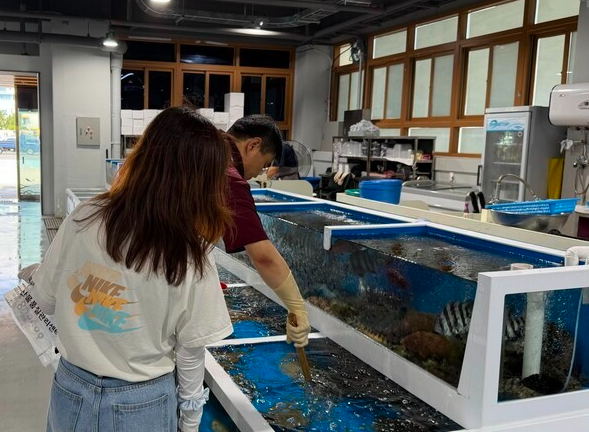
Pohang, South Korea, launches a special inspection for foodborne pathogens and radionuclides in summer seafood.
Pohang City in North Gyeongsang Province, South Korea, has recently launched a special safety inspection campaign for seafood during the summer season to address potential risks of foodborne illness associated with rising air and seawater temperatures. Ru
2026-07-27
IAEA Supports Nicaragua in Enhancing Agricultural Health and Food Security through Nuclear Technology
The Nicaraguan Institute for Agricultural Protection and Health (IPSA) recently hosted an official visit from Raúl Ramírez García, Director of the Technical Cooperation Division for Latin America and the Caribbean at the International Atomic Energy Agency (IAEA). The meeting, chaired by IPSA Executive Director Ricardo Somarriba Reyes, focused on agricultural health, food safety, and the application of nuclear science and technology in agriculture. During the working session, both parties reaffirmed Nicaragua's continued participation in national and regional cooperation projects as a member of the Agreement for the Promotion of Nuclear Science and Technology Cooperation in Latin America and the Caribbean (ARCAL). The core objective of such projects is to...
2026-07-09
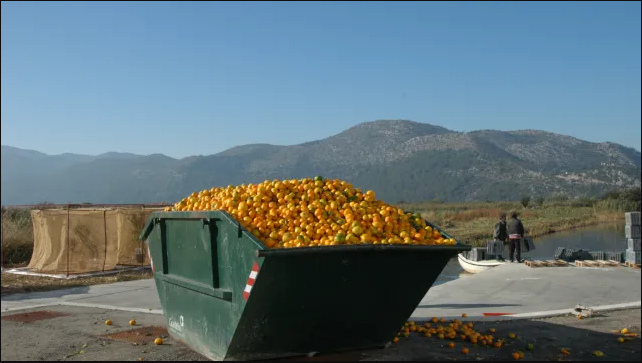
Nuclear science helps reduce global food spoilage and waste
On April 10, 2026, the International Atomic Energy Agency introduced several applications of nuclear science in reducing food spoilage and food waste. According to data from the Food and Agriculture Organization of the United Nations, approximately 1 billion tonnes of edible food are wasted globally each year, accounting for about one-fifth of the total food available to consumers. Of this, 13.2% of food is lost before reaching the retail stage, valued at approximately $400 billion; another 19% is wasted at the retail and consumption stages due to spoilage and other reasons. Food loss not only means wasted resource consumption but also exacerbates greenhouse gas emissions, pollution, and biodiversity loss. The International Atomic Energy Agency, through the Food and Agriculture Organization...
2026-04-10
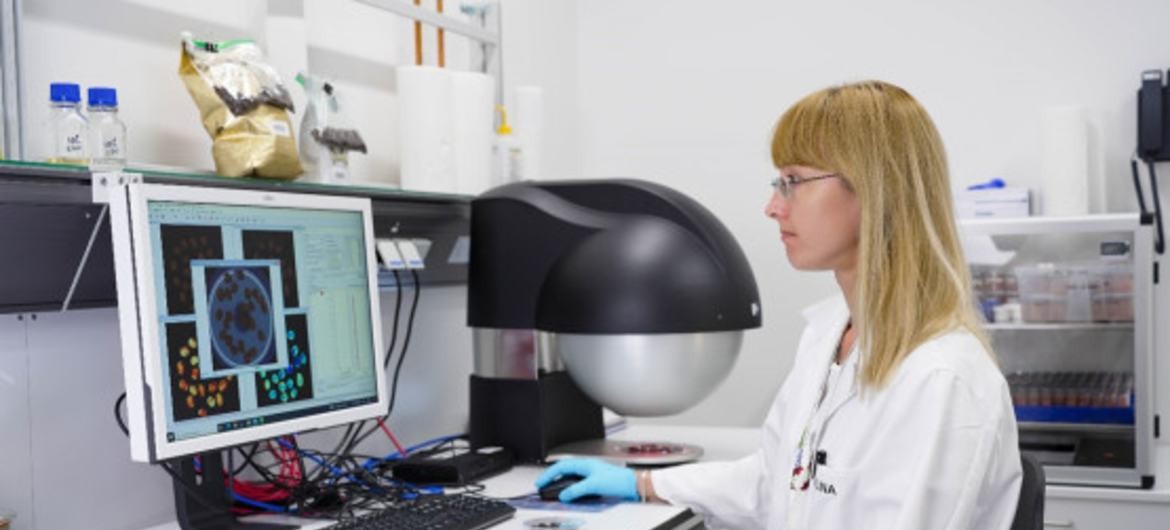
60th Anniversary of the Joint FAO/IAEA Centre: Nuclear Techniques Continue to Serve Global Agriculture and Food Safety
In 2024, the Joint FAO/IAEA Centre of Nuclear Techniques in Food and Agriculture marks its 60th anniversary. Established in 1964 through a partnership between the Food and Agriculture Organization of the United Nations and the International Atomic Energy Agency, the Centre primarily promotes the application of nuclear science and related technologies in food security, agricultural production, and sustainable environmental development. Over the past 60 years, the Joint Centre has carried out work in areas including pest control, plant breeding and genetics, soil and water management, animal production and health, and food safety and quality control. Its Agriculture and Biotechnology Laboratories have long undertaken tasks in technology development, capacity building, and technology transfer,...
2024-12-27
FAO and IAEA: Nuclear Technologies Are Enhancing Agricultural Production and Food Security
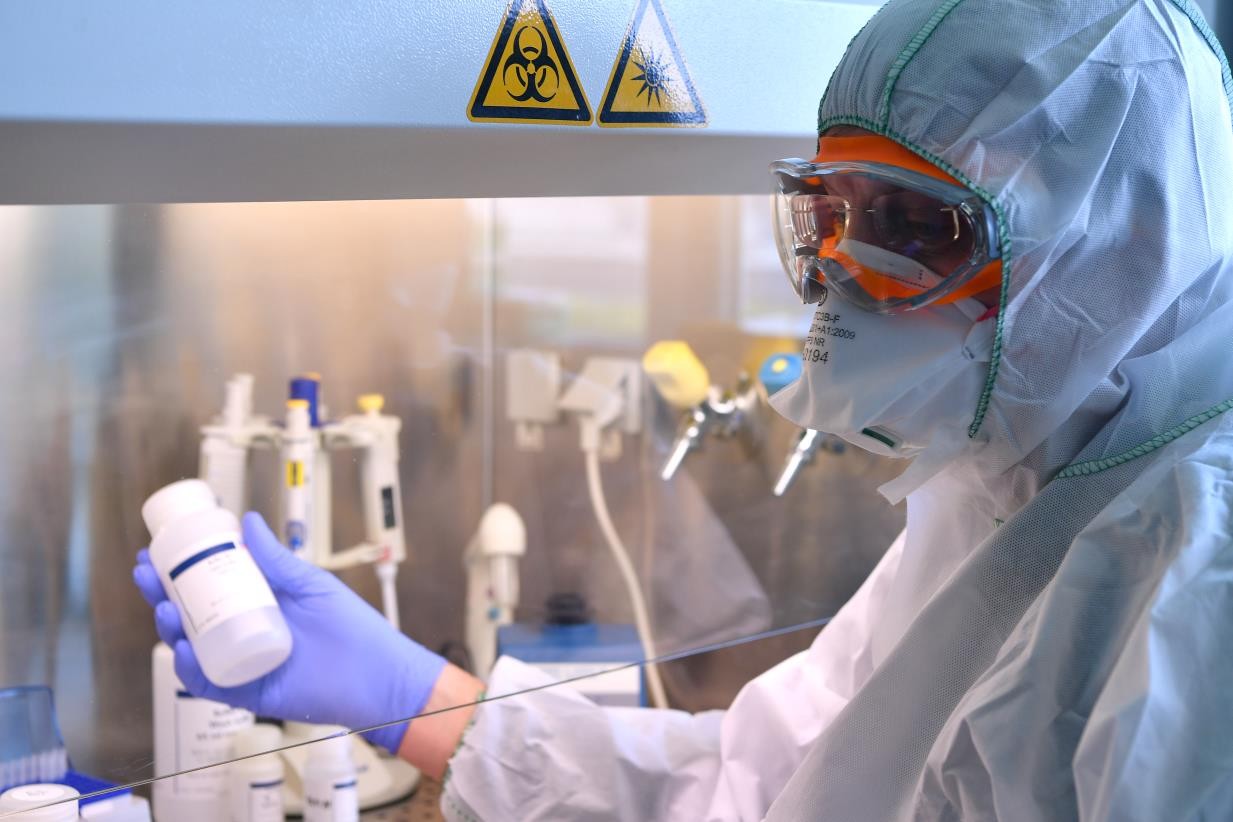
On March 30, 2021, the Food and Agriculture Organization of the United Nations and the International Atomic Energy Agency presented multiple applications of nuclear technologies in agriculture and food security. The two organizations have collaborated for over 50 years in knowledge sharing and capacity building, further strengthening their partnership through the establishment of the Joint FAO/IAEA Centre of Nuclear Techniques in Food and Agriculture. In the field of animal health, nuclear technologies are used for the detection, control, and prevention of transboundary animal diseases and zoonoses. Belize previously had to send animal disease testing samples to overseas laboratories; with support from the Joint FAO/IAEA Centre, the Belize Agricultural Health Authority established a molecular diagnostic laboratory for animal health and adopted real-time polymerase chain reaction (PCR) testing technology. This method can detect animal diseases within 24 hours, helping frontline personnel take rapid prevention and control measures. Recently, the laboratory has also been used to assist in human COVID-19 testing, reflecting the "One Health" concept that animal, human, plant, and environmental health are interconnected.
2021-03-30
Reading Ranking
- 1 Nuclear technology helps boost disease resistance and food security in Latin American rainbow trout farming.
- 2 New Advances in Food Irradiation Technology Help Enhance Food Safety and International Trade
- 3 FAO and IAEA: Nuclear Technologies Are Enhancing Agricultural Production and Food Security
- 4 IAEA Supports Nicaragua in Enhancing Agricultural Health and Food Security through Nuclear Technology
- 5 Indonesia's BRIN Showcases Nuclear Technology Research Progress, Covering Radiopharmaceuticals and Food Irradiation Applications
- 6 China Isotope & Radiation's National Headquarters for Irradiation Application Industry Settles in Guangzhou
- 7 Busan, South Korea Reports No Abnormal Radiation Detected in Seawater and Seafood Three Years After Fukushima Discharge
- 8 IAEA Launches Research Project on Edible Insects and Novel Food Safety
- 9 Nuclear Technology Bolsters Food Safety: Sichuan Institute of Atomic Energy Promotes Irradiated Food via "Three Rural Services" Outreach
- 10 Riliantek and Jiangnan University Jointly Establish the "X-ray Food Inspection Joint Research Center"
- 11 South Gyeongsang Province Completes 380 Food Radioactivity Tests in First Half of Year, All Meeting Standards
- 12 Radioactivity test results for agricultural and fishery products in North Chungcheong Province, South Korea, pass standards in first half of the year
- 13 New National Standard GB/T 18525.1-2026 — The Red Beans and Mung Beans You Eat May Have Been
- 14 Electron Beam Processing Can Reduce Poultry Pathogens, Study Shows Turkey Meat Quality Remains Well Preserved
- 15 Nuclear science helps reduce global food spoilage and waste