
Pohang, South Korea, launches a special inspection for foodborne pathogens and radionuclides in summer seafood.
 Scan to share
Pohang City in North Gyeongsang Province, South Korea, has recently launched a special safety inspection campaign for seafood during the summer season to address potential risks of foodborne illness associated with rising air and seawater temperatures. Running through September, the initiative focuses on seafood sold in local traditional markets—including major hubs like Jukdo Market—as well as seafood processing facilities.
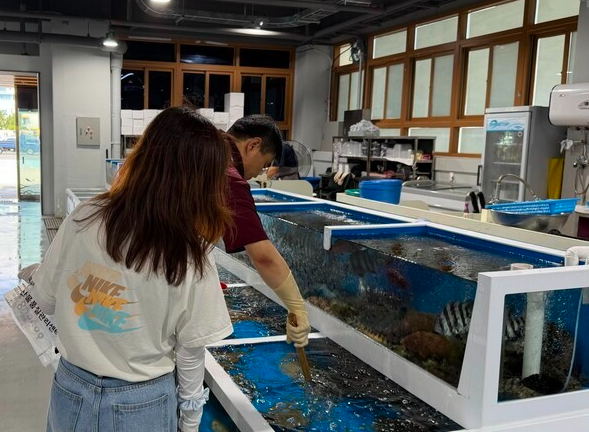
Under this plan, Pohang City will conduct enhanced testing on seafood throughout the distribution and sales stages. Inspections will screen for nine types of foodborne pathogens, including *Vibrio vulnificus*, and include tests for radionuclides such as radioactive iodine (Iodine-131) and radioactive cesium (Cesium-134 and Cesium-137).
*Vibrio* septicemia is a common summer foodborne health risk; infection can occur through the consumption of contaminated raw seafood or contact between open wounds and contaminated seawater. Symptoms may include vomiting, diarrhea, and abdominal pain. High-risk groups, such as individuals with chronic liver disease, face a risk of severe complications, necessitating special precautions.
Pohang City stated that, given the increased risk of foodborne pathogen proliferation as seawater temperatures rise, it has implemented proactive measures to ensure residents and tourists can safely enjoy local seafood. Led by the Seafood Quality Management Center, these efforts include testing seafood for foodborne pathogens and radiation, providing hygiene management guidance to fish markets and vendors, and promoting guidelines for preventing *Vibrio* septicemia.
The city's Fisheries Quality Management Center will also continue to strengthen seafood safety management by facilitating voluntary safety testing and conducting regular radiation checks. A city official emphasized that Pohang remains committed to ensuring seafood safety for the public and visitors through rigorous inspections and strict hygiene management.
Disclaimer: Information republished from partner media, institutions or other websites is provided for reference and communication purposes only. It does not imply endorsement of its views or verification of its accuracy. Please contact us if any content infringes rights or requires correction.