

US Fusion Company Commonwealth Fusion Systems Secures $1 Billion Investment from South Korea's Hyundai
Recently, the US nuclear fusion company Commonwealth Fusion Systems, backed by Bill Gates, has secured a $1 billion investment from South Korea's Hyundai Motor Group to build its commercial fusion power plant. Chung Ho-eun, Executive Vice President of Hyundai Motor Group, stated that the plan will enable both parties to explore engineering collaboration on a commercial fusion power plant project called ARC. Fusion energy is expected to play an important role in meeting growing global energy demand while supporting a more sustainable future. As of June this year, this hardware solution has received formal academic confirmation of its physical feasibility. Following a peer-reviewed study, CFS validated the ARC des...
2026-09-14

Lower Saxony, Germany Plans to Build Europe's First Large-Scale Fusion-Grade High-Temperature Superconducting Tape Plant
Proxima Fusion and the Lower Saxony state government of Germany signed a memorandum of understanding in Hanover on September 9, planning to build Europe's first large-scale fusion-grade high-temperature superconducting tape production facility in the state, laying the foundation for large-scale industrial production of high-temperature superconducting (HTS) tape. According to the plan, the first two phases of the project involve an investment of approximately 140 million euros, with public funds and private capital each covering about half. Of this, Lower Saxony plans to contribute 21 million euros, accounting for nearly 30% of the public funding portion. The first two phases of construction are expected to be completed by the end of 2029. High-temperature superconducting tape is a type of metal tape that exhibits superconducting properties at relatively higher temperatures. In the superconducting state, it can transmit current with nearly zero resistive loss and is used to manufacture high-power, compact electromagnets. For stellarator fusion devices, magnets made from high-temperature superconducting tape can generate the magnetic fields needed to confine and control high-temperature plasma, making them an important foundational material for achieving compact fusion devices and future fusion power plants.
2026-09-12
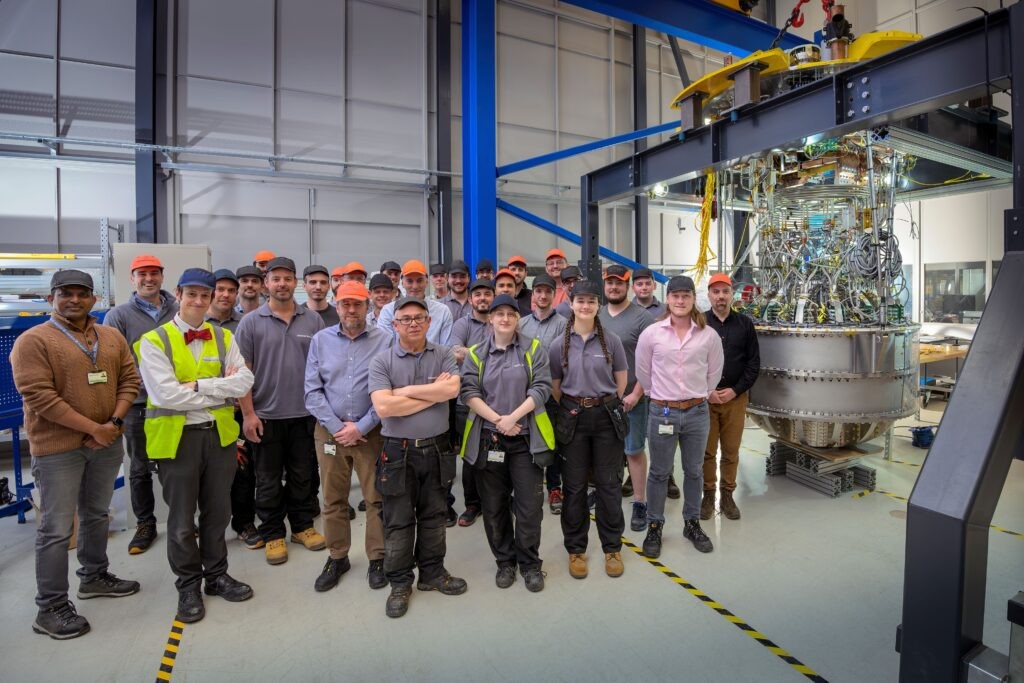
UK Tokamak Energy completes testing of Demo4 fusion high-temperature superconducting magnet system
On September 9, 2026, Tokamak Energy of the UK announced the completion of a 14-month testing campaign for its Demo4 fusion magnet system, validating the company's capabilities in the design, manufacture, integration, and operation of complete high-temperature superconducting (HTS) magnet systems. The technical experience gained from Demo4 testing is now being applied to the collaboration between Tokamak Energy and UK Fusion Energy (UKFE), supporting the development of HTS magnet systems for the Spherical Tokamak for Energy Production (STEP) fusion program. The results also target HTS commercial applications beyond fusion, and...
2026-09-09
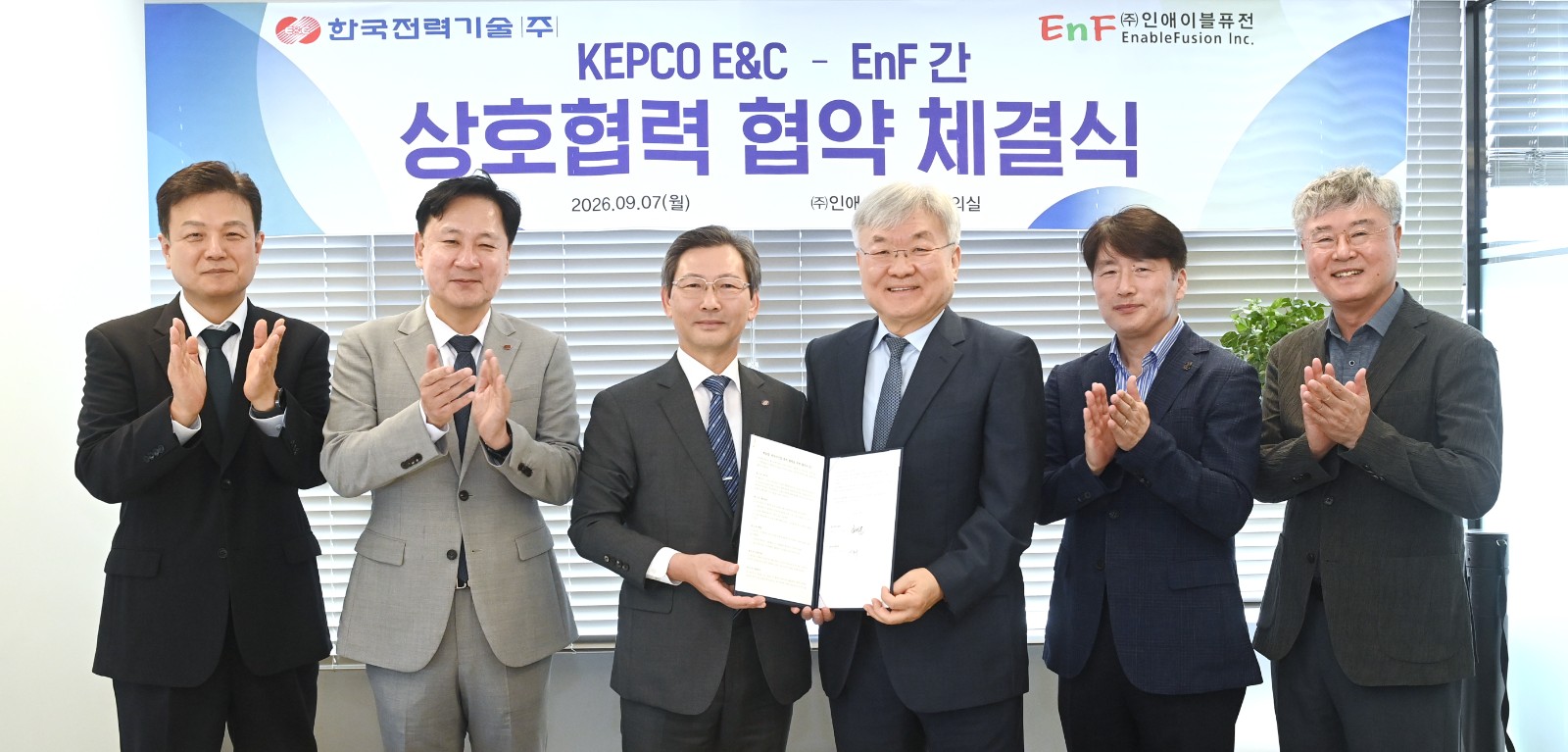
Two South Korean companies to collaborate on expanding fusion energy projects
KEPCO Engineering & Construction (KEPCO E&C) signed a Memorandum of Understanding (MOU) with Enable Fusion on September 7 at the Daejeon Science Center to establish a cooperation framework for participation in fusion energy projects, technology sharing, and joint business development. Kim Tae-kyun, President of KEPCO E&C, and Lee Kyung-soo, CEO of Enable Fusion, attended the signing ceremony. Under the MOU, the two parties will provide each other with technical and commercial information required for participation in the construction of fusion power facilities and jointly develop fusion energy projects both domestically and overseas. KEPCO E&C plans to...
2026-09-08
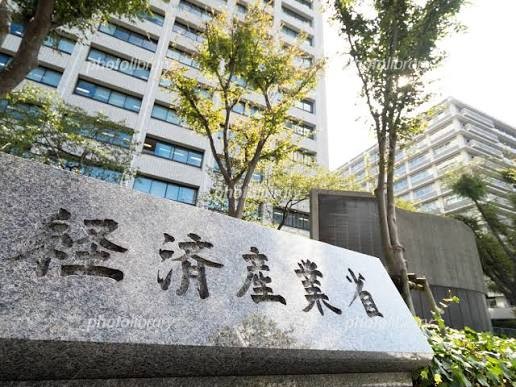
Japan Selects Four Companies for Fusion Power Program
Japan's Ministry of Economy, Trade and Industry (METI) has conditionally selected EX-Fusion, Helical Fusion, Linea Innovation, and Starlight Engine to participate in a fusion program targeting reactor operation in the 2030s. The program will provide approximately $370 million, equivalent to around €318 million, in subsidies to selected projects by the end of February 2029. Specific funding allocations are still subject to formal grant decisions. The support corresponds to commitments in Japan's 2023 fusion strategy, which sets out the goal of achieving fusion power in the 2030s...
2026-09-07
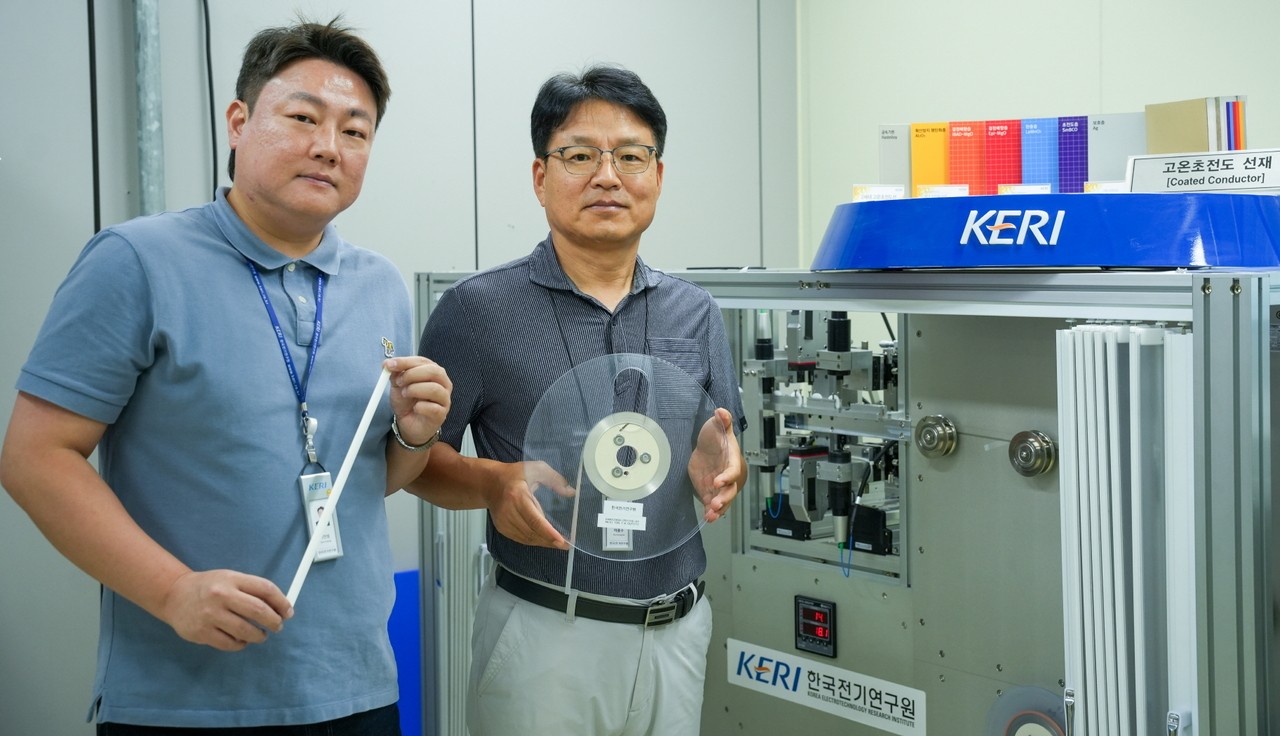
South Korea Develops 3D Non-Contact Inspection System for High-Temperature Superconducting Wire
The Korea Electrotechnology Research Institute (KERI) recently announced that a research team led by Ha Hong-su and Park In-sung at its Low-Temperature Device Research Center has developed a three-dimensional non-contact ultra-precision inspection system capable of continuously measuring the thickness and width of high-temperature superconducting (HTS) wire. The institute stated that this is the world's first such inspection system for HTS wire. KERI researchers Ha Hong-su and Park In-sung pose with a high-temperature superconducting wire beside the 3D non-contact ultra-precision inspection system. [Korea Electrotechnology Research Institute] HTS wire exhibits near-zero electrical resistance below a specific temperature, enabling high-current, low-loss transmission,...
2026-09-07
Germany's BEST and Luvata Partner to Expand Supply of RRP Superconductors for Fusion
Bruker Energy & Supercon Technologies (BEST) of Germany and Luvata Materials & Solutions, part of the Luvata Group, have announced a strategic partnership to expand the industrial supply capacity of high-performance RRP® superconductors for next-generation magnetic confinement fusion power demonstration projects worldwide. According to information released by the two companies, the collaboration will focus on enhancing the industrial readiness and availability of RRP superconductors, expanding manufacturing capabilities, and strengthening supply chain resilience to meet the large-scale demand for superconducting materials in high-field magnetic confinement fusion projects...
2026-09-05
India's Private Fusion Tokamak PRAGYA Achieves Plasma Operation
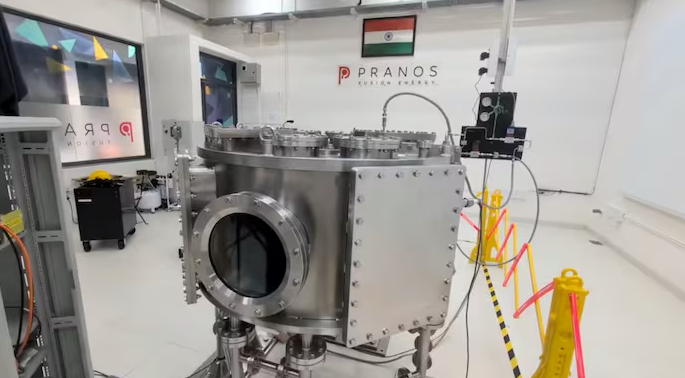
Bengaluru-based deep-tech energy startup Pranos Fusion has produced plasma in its experimental device PRAGYA. The company states that PRAGYA is India's first compact tokamak developed by a private enterprise, marking a transition in India's private fusion research and development from the design and manufacturing phase to experimental operation. PRAGYA adopts a compact, low-aspect-ratio tokamak design, primarily used to generate, confine, and control plasma. Tokamaks use strong magnetic fields to confine high-temperature plasma within a toroidal vacuum vessel, creating conditions for future fusion of light atomic nuclei. The fundamental process of fusion reactions is the same mechanism by which the Sun releases energy, but engineering implementation still faces multiple challenges in plasma confinement, magnets, materials, and control systems.
2026-09-04
US Realta Fusion and MGE Plan to Jointly Develop 200 MW Fusion Power Plant
Realta Fusion, a company developing magnetic mirror fusion energy technology, announced on September 2 that it has established a strategic partnership with Madison Gas and Electric (MGE) and its parent company MGE Energy, Inc. The two parties will jointly evaluate the feasibility of co-developing a 200 MW electric-class fusion energy power plant in Wisconsin, USA. Under the collaboration arrangement, the first phase includes a direct equity investment by MGE Energy in Realta Fusion. MGE has also agreed to provide equipment, engineering, and technical support to Realta Fusion, as well as assistance in project siting, permitting, grid interconnection, and financing to advance preliminary work for the proposed 200 MW fusion power project.
2026-09-03
South Korea Plans to Increase R&D Investment in Nuclear Fusion and Small Modular Reactors
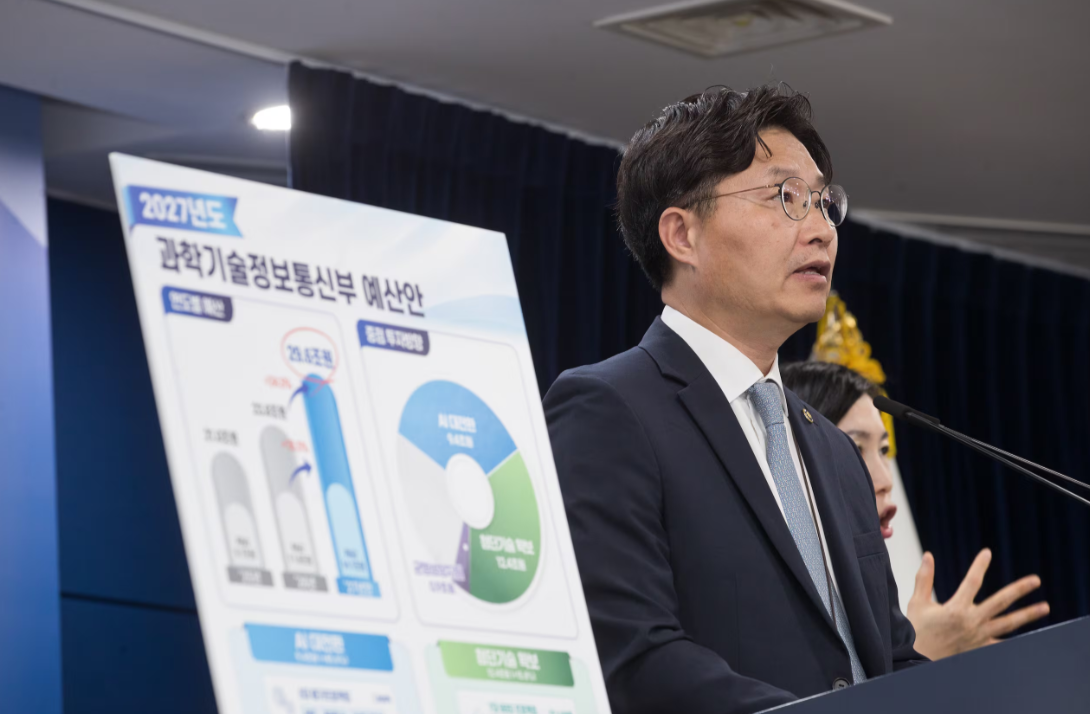
South Korea's Ministry of Science and ICT (MSIT) stated on September 1 that in the 2027 government budget proposal approved at a Cabinet meeting, the ministry's budget amounts to 29.6476 trillion Korean won, an increase of 24.5% compared to this year's supplementary budget. Of this, the R&D budget is planned to increase from 11.9 trillion won this year to 14.1 trillion won, accounting for 36% of the South Korean government's total R&D budget. In the science and technology sector, MSIT plans to invest 12.377 trillion won in R&D related to next-generation artificial intelligence and advanced technologies. In explaining the budget proposal, the ministry's First Vice Minister stated that in response to the growing electricity demand driven by AI development, South Korea will accelerate the development of future clean energy sources such as small modular reactors (SMRs) and nuclear fusion...
2026-09-02
Japan's Helical Fusion Technology Selected as Candidate for METI's Fusion Demonstration Program
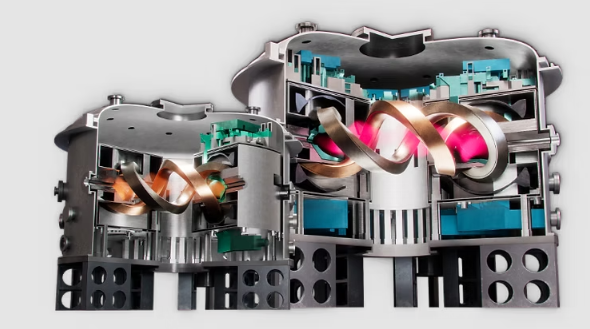
Helical Fusion Co., Ltd. has recently been selected as a final candidate for the fusion power demonstration project support program by Japan's Ministry of Economy, Trade and Industry (METI). The program aims to align with Japan's national fusion strategy, advancing fusion energy into the demonstration phase by the 2030s and building the technical foundation for subsequent commercialization. The left image shows Helix HARUKA, Helical Fusion's integrated demonstration device; the right image shows Helix KANATA, Helical Fusion's fusion test plant. Under the current arrangement, the program will provide approximately 60 billion yen in government funding over three years through 2028, supporting private-sector R&D across multiple fusion technology...
2026-09-01

U.S. University Establishes Fusion Energy Seed Fund to Support Four Interdisciplinary Research Projects
The Institute for Fusion Studies at The University of Texas at Austin recently launched a fusion energy seed fund to support four interdisciplinary research projects. These projects will bring together teams from plasma physics, engineering, and computational science to address challenges in control, materials, particle confinement, and edge plasma simulation faced by fusion devices such as tokamaks. The fund is supported by the Institute for Fusion Studies (IFS), the Oden Institute for Computational Engineering ...
2026-09-01
Tennessee Issues First-Ever Commercial Fusion-Specific Permit in the U.S. to Type One Energy
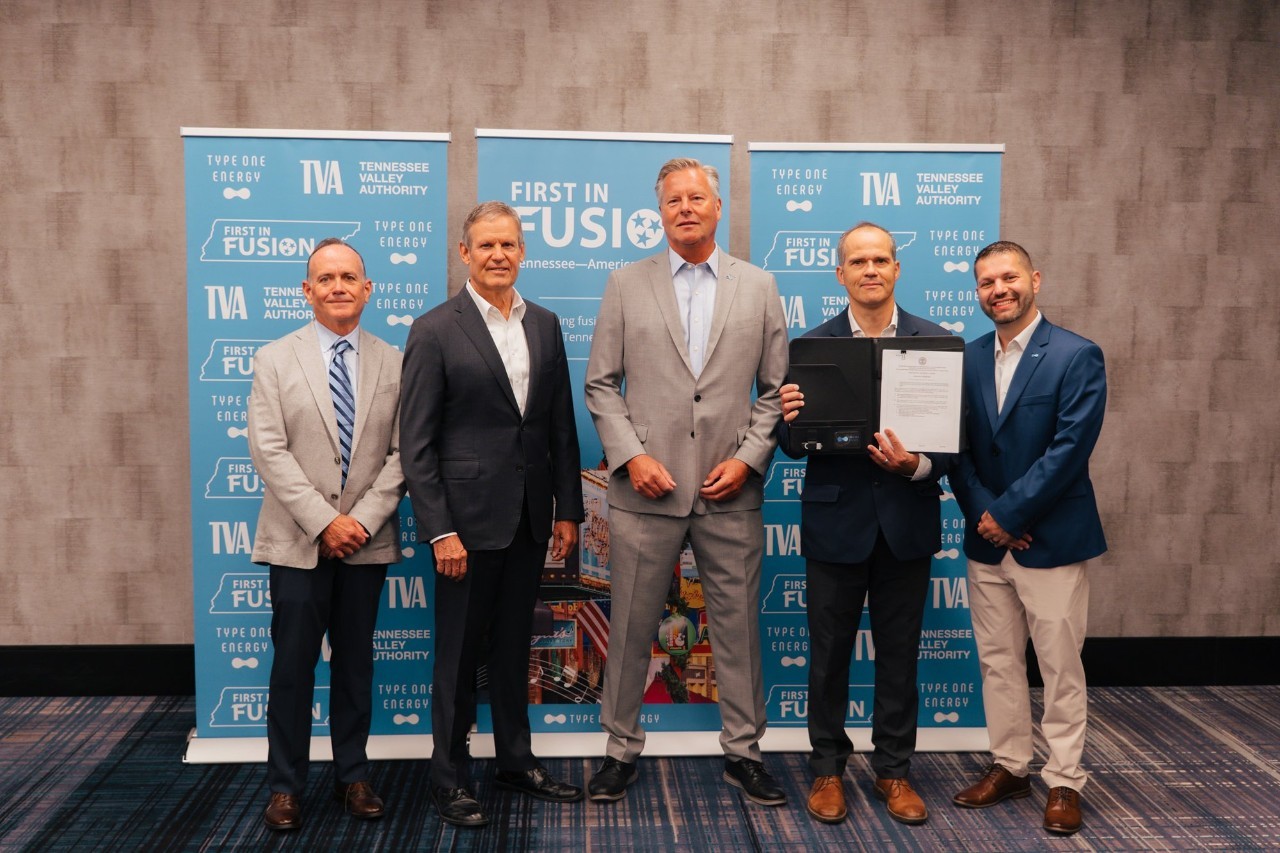
The Tennessee Department of Environment and Conservation (TDEC) has issued Type One Energy the state's first permit specifically for a fusion energy facility, allowing the company to advance fusion-related projects at the Tennessee Valley Authority's (TVA) Bull Run Energy Complex in Clinton. Tennessee officials stated this is the first permit of its kind in the United States issued under a new state-level fusion regulatory framework. Tennessee Governor Bill Lee, alongside fusion energy partners, presented the first U.S. permit specifically for a commercial fusion facility on Monday at the Organization of American States (OAS) annual meeting in Nashville. (LR) TVA Interim...
2026-09-01

Korea's Eugene MS Wins KRW 11.4 Billion Order for ITER Core Components
Korea's Eugene MS announced on August 31 that it has signed a contract with the Korea Institute of Fusion Energy (KFE) to produce and supply the second batch of vacuum vessel port sealing flanges for the International Thermonuclear Experimental Reactor (ITER). The contract is valued at approximately KRW 11.4 billion, equivalent to about 44% of Eugene MS's 2025 revenue of KRW 25.9 billion. The contract period runs through December 2030. Under the arrangement, the sealing flanges will be delivered to the ITER Organization in three batches, with final inspection and related procedures scheduled for completion by June 30, 2031. The ITER vacuum vessel port sealing flanges consist of large fasteners and other components...
2026-08-31
UK JET Decommissioning Project to Trial Asset-Based Decommissioning Approach
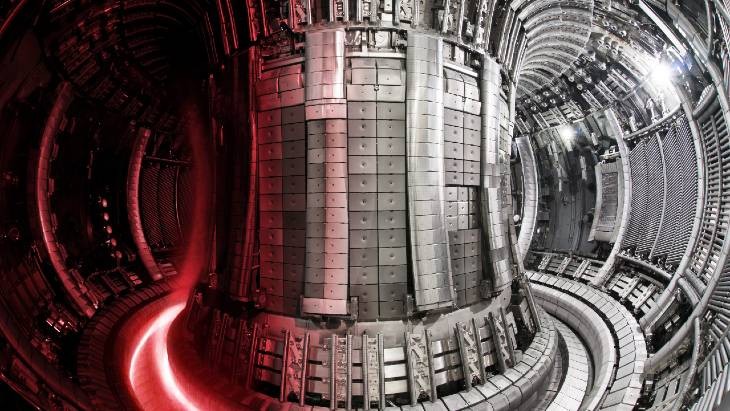
The JET Decommissioning and Repurposing (JDR) project recently announced that it will trial an asset-based decommissioning approach in three areas of the JET facility during the next phase of work. These areas were once part of the power supply infrastructure during JET plasma operations. This trial work will support the overall development of the Culham Campus and, in conjunction with the Strategic Investment and Development for Energy and AI (STRIDE) programme, facilitate land remediation to create conditions for the installation of a fourth supergrid transformer. JDR has signed a contract with Ramco UK to undertake the relevant trial work. JDR Engineering Integration Manager Steve...
2026-08-28
U.S. Fusion Company Advances Deuterium-Helium-3 Fusion Testing
American Fusion Inc. on August 27 announced progress in ongoing testing of the Texatron Fusion Engine and released computational and experimental observations regarding the device's ability to achieve deuterium-helium-3 (D-³He) fusion conditions. The company stated that the test program is evaluating two Texatron configurations at approximately 500 kilowatts and 5 megawatts, with the core technical approach being proprietary pulsed magnetic compression. Texatron's R&D focus is on utilizing short-duration, high-intensity electromagnetic pulses to compress and heat plasma in extremely short timeframes, simultaneously creating the conditions required for fusion, including high temperature, high pressure, high density, and a certain confinement time. American Fusion Inc...
2026-08-28
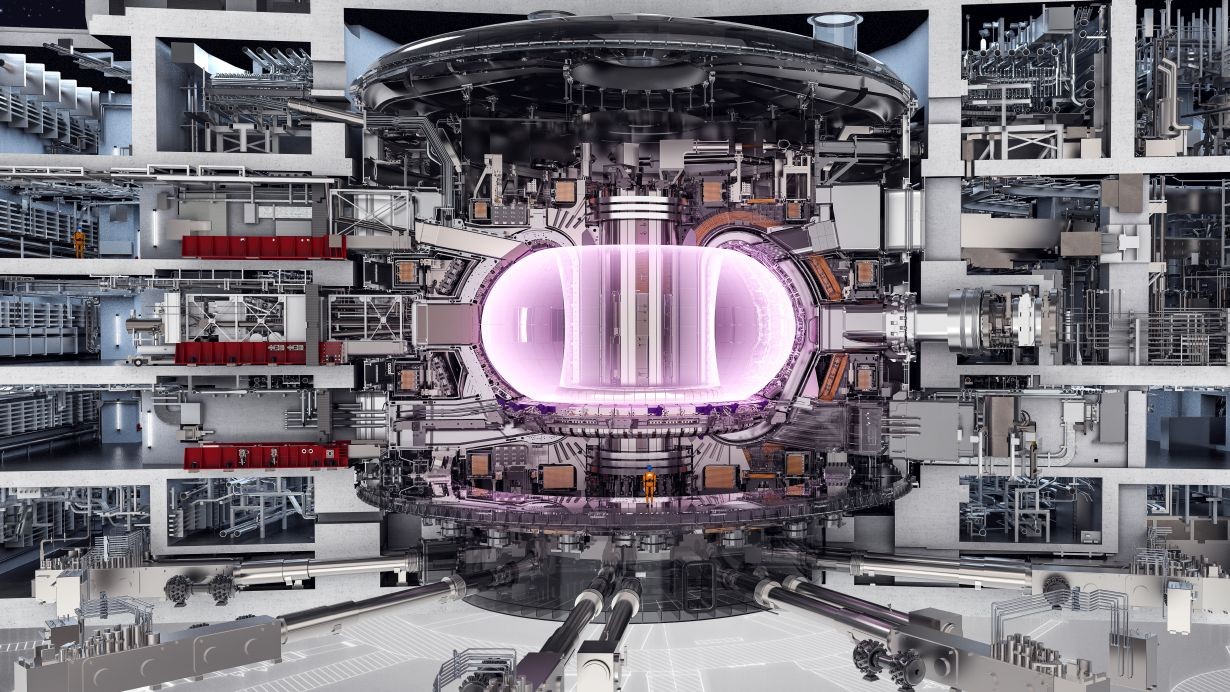
France's ITER research program may start before 2034
Scientific preparation work for the International Thermonuclear Experimental Reactor (ITER) is currently about 7 months ahead of the original schedule, and the research program may start earlier than the previously set target of 2034. Anatoly Krasilnikov, Director of the ITER Project Center at Rosatom, revealed this progress during the Technoprom-2026 forum. Krasilnikov stated that the project team no longer uses the milestone term "first plasma," but has instead adjusted the objective to "start of the research program," with a target date of 2034. Based on the current progress, the work is 7 months ahead of schedule, and there is a possibility of achieving the goal ahead of time...
2026-08-28

Japan to Build Fusion Tritium Fuel Research Base in Aomori Prefecture
Japan's Ministry of Education, Culture, Sports, Science and Technology (MEXT) has decided to establish a new fusion power generation research base in Aomori Prefecture, focusing on tritium fuel handling technology. The base will target the development needs of fusion demonstration projects in the 2030s, promoting joint research and development among industry, government, and academia. MEXT plans to include approximately 100 billion yen in fusion development-related funding in its budget request for the next fiscal year. Fusion power generation releases energy through the fusion reaction of deuterium and tritium nuclei, a principle similar to the energy generation process inside the sun. Unlike traditional nuclear power that relies on nuclear fission chain reactions, fusion reactions carry a lower risk of runaway, leading many countries to view it as an important direction for future energy technology...
2026-08-28

U.S. Marathon Fusion Demonstrates Hydrogen and Lithium Isotope Enrichment Technology
U.S.-based Marathon Fusion announced on August 27 that it has successfully demonstrated hydrogen and lithium isotope enrichment technology using its proprietary plasma centrifuge. The company stated that this advancement addresses the fuel cycle needs of fusion energy and related isotope supply requirements. In the deuterium-tritium fusion pathway, hydrogen isotope processing is critical to the continuous operation of fusion devices, while lithium isotope enrichment is closely tied to tritium production. The U.S. Department of Energy (DOE) released its "Fusion Science and Technology Roadmap" in June of this year, which identifies tritium processing as one of the core challenges, noting that related progress is essential for achieving sustained deuterium-tritium fusion operation and validating fusion as a large-scale energy form...
2026-08-28
Japan's Helical Fusion and Tohoku University Launch Social Communication Research on Fusion Energy
Helical Fusion recently announced that it has launched a joint research project with the Takahashi-Kariwara Laboratory of the Graduate School of Engineering at Tohoku University in August 2026, focusing on ideal communication methods for the social implementation of fusion energy. The project is planned to last approximately one year, with a focus on exploring the communication methods, dialogue mechanisms, and decision-making pathways required for fusion energy to move toward social application. According to the project plan, both parties will examine cases of existing advanced technologies in areas such as social acceptance and risk perception to study communication strategies needed for the stable application of fusion energy in future society. The research also plans to introduce...
2026-08-27
South Korea's POSCO Group Invests in Japanese Fusion Company Kyoto Fusion Engineering
South Korea's POSCO Group has invested in Japanese fusion energy company Kyoto Fusion Engineering (KF) to establish an early presence in the global fusion energy market and explore new business opportunities in future steel, specialty materials, and energy infrastructure. According to industry sources on the 27th, POSCO Group participated in Kyoto Fusion Engineering's Series D funding round. The investment was made through the Korea-Japan Fusion Fund, established by IMM Investment Japan (IMMJ) together with Korean and Japanese investors. POSCO Holdings and POSCO International also contributed to the fund...
2026-08-27
Reading Ranking
- 1 UK Tokamak Energy completes testing of Demo4 fusion high-temperature superconducting magnet system
- 2 Lower Saxony, Germany Plans to Build Europe's First Large-Scale Fusion-Grade High-Temperature Superconducting Tape Plant
- 3 US Fusion Company Commonwealth Fusion Systems Secures $1 Billion Investment from South Korea's Hyundai
- 4 UK's MAST Upgrade sets plasma pressure record in fifth experimental campaign
- 5 First H-mode plasma with ELMs achieved on WEST
- 6 TMTG Advances $6 Billion-Plus Merger with TAE, Pivoting to Commercial Fusion Energy
- 7 Japan's Helical Fusion Technology Selected as Candidate for METI's Fusion Demonstration Program
- 8 U.S. University Establishes Fusion Energy Seed Fund to Support Four Interdisciplinary Research Projects
- 9 ITER Test Blanket Modules Enter Key Phase of Preliminary Design Review
- 10 Syntec Optics Secures Fusion Energy Orders, AI Data Center-Related Orders Exceed $4 Million
- 11 Japan to Build Fusion Tritium Fuel Research Base in Aomori Prefecture
- 12 UK Atomic Energy Authority spins out Singular Machines
- 13 Japan's GX Promotion Organization Invests in Nuclear Fusion Startups
- 14 U.S. Marathon Fusion Demonstrates Hydrogen and Lithium Isotope Enrichment Technology
- 15 South Korea Plans to Increase R&D Investment in Nuclear Fusion and Small Modular Reactors