
- Russia masters production technology of ultra-pure germanium for gamma detectors
- Russian Researchers Propose New Method for Preparing Iron-59 Magnetite Nanoparticles, Potentially Advancing Nuclear Medicine Diagnostics and Therapy
- IAEA Meeting Focuses on Data Needs for Ion Beam Analysis, JINR Presents Progress in Nuclear Track Emulsion Research
- Canada's AtomVie Opens Large-Scale Radiopharmaceutical R&D and Manufacturing Facility in Hamilton
- Radionuclide Ward Officially Launched at Xuguan Campus of Suzhou Nuclear Industry General Hospital under CNNC Medical
- State Nuclear Uranium Industry Achieves 100% Localization of Electron Linear Accelerator Development
- Russian Research Team Synthesizes Novel Metal-Organic Framework Material Capable of Immobilizing Radioactive Cesium
- Fudan team extracts CKM matrix element |Vus| via quantum entanglement in collider experiment for the first time
- Rosatom Fuel Division Completes Assembly of 30th Industrial Metal 3D Printer
- BWXT Selected for Conceptual Design of First Module of U.S. NNSA Lithium Processing Facility
Medical
View more >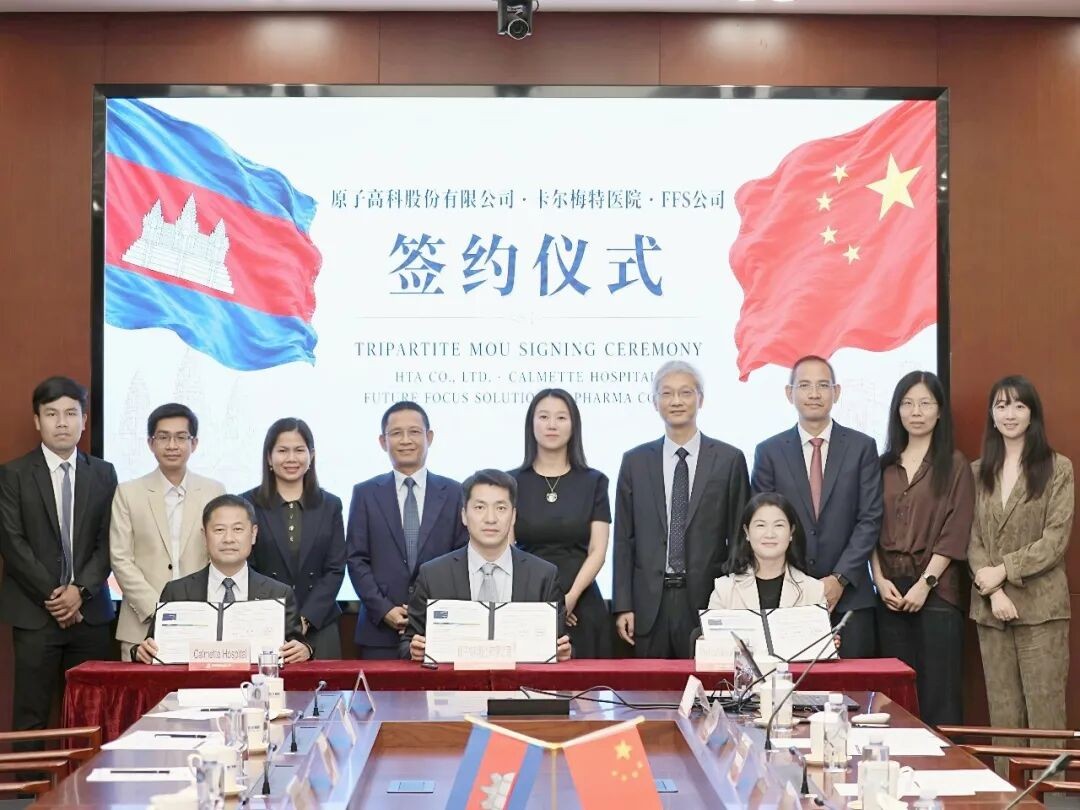
Atom High-Tech Signs Memorandum of Cooperation with Cambodia's Calmette Hospital and Others to Advance Nuclear Medicine Capacity Building
On September 4, Atom High-Tech, Cambodia's Calmette Hospital, and FFS Company held a trilateral memorandum of cooperation signing ceremony in Beijing. Huo Yingying, Deputy Secretary of the Party Committee of China Isotope & Radiation Corporation (CIRC), attended and delivered a speech, while Zhang Yiming, Secretary of the Party Committee and Chairman of Atom High-Tech, signed on behalf of the company. Established in 1950, Calmette Hospital is one of Cambodia's largest and most technologically advanced public hospitals and serves as a national referral center. It undertakes three core missions: delivering high-quality medical services, training health professionals, and conducting medical research. Currently, the hospital is actively advancing its nuclear medicine capacity by establishing the country's first nuclear medicine department, further improving its oncology diagnosis and treatment and molecular imaging service systems...
2026-09-07
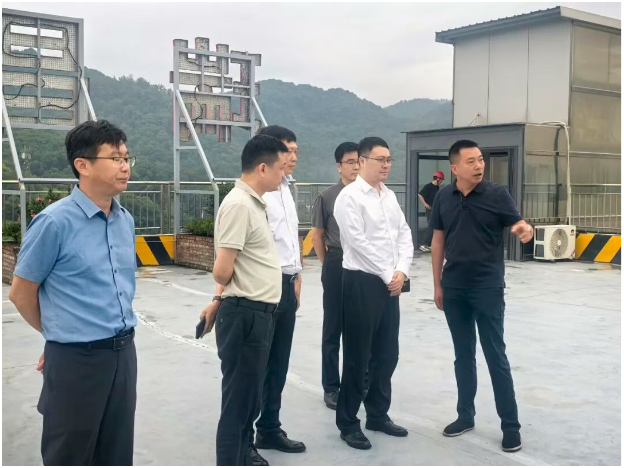
Baiyunshan Xike Visits Jiujiang, Jiangxi to Explore Nuclear Medicine Industry Chain Cooperation
Recently, a delegation from Guangzhou Baiyunshan Xike Health Pharmaceutical Co., Ltd., a subsidiary of Guangzhou Pharmaceutical Holdings Limited (GP Corp.), visited Jiujiang City, Jiangxi Province, conducting field inspections and discussion exchanges in Ruichang City, Jiujiang Economic Development Zone, and Pengze County, focusing on cooperation across the full nuclear medicine industry chain. Liu Hong, Director of the Scientific Research Project Management Department of GP Corp. and Chairman and General Manager of Baiyunshan Xike, led the core team in exchanges with Chen Shuilian, Member of the Party Leadership Group and Vice Mayor of Jiujiang Municipal People's Government, as well as responsible officials from Ruichang City, Pengze County, and Jiujiang Economic Development Zone, reaching multiple consensuses on subsequent cooperation. The inspection covered key facilities including the Ruichang Institute of Nuclear Physics Applications, the Biomedical (Nuclear) Industrial Park in Jiujiang Economic Development Zone, and the Jiangxi Tianhong Nuclear Technology project site in Pengze County. The delegation conducted in-depth visits to research laboratories, industrial parks, and projects under construction to understand local capabilities in nuclear technology research, isotope R&D infrastructure, project construction progress, as well as land and industrial supporting conditions.
2026-09-07

Canada's AtomVie Opens Large-Scale Radiopharmaceutical R&D and Manufacturing Facility in Hamilton
On September 4, AtomVie Global Radiopharma, a radiopharmaceutical contract development and manufacturing organization, announced the official opening of its new state-of-the-art production facility at 10 Aeropark Boulevard, Hamilton, Ontario, Canada. The facility is designed to support the full-spectrum translation of radiopharmaceuticals from early-stage research and development, through clinical development, to commercial manufacturing. According to reports, the new facility represents an investment of over $160 million and spans 72,300 square feet, making it one of the largest single-site radiopharmaceutical R&D CDMO facilities in North America. The facility offers production capabilities ranging from low-throughput to high-throughput, increasing AtomVie's overall production capacity by more than tenfold, with dedicated spaces configurable to meet clients' subsequent R&D and commercialization needs.
2026-09-05
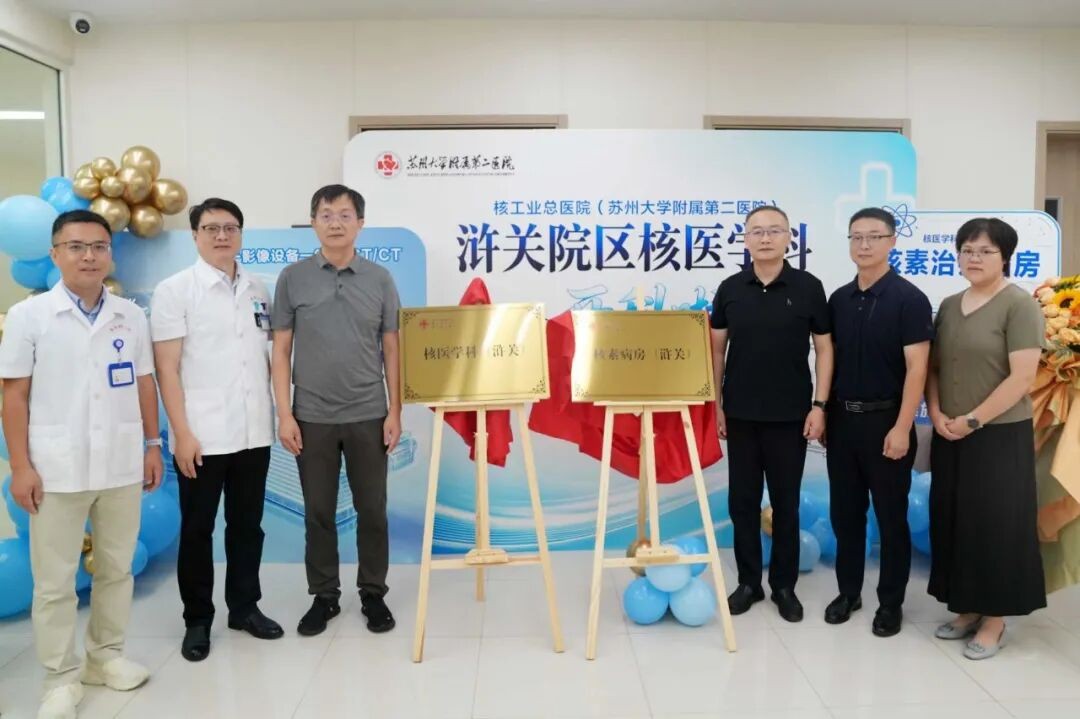
Radionuclide Ward Officially Launched at Xuguan Campus of Suzhou Nuclear Industry General Hospital under CNNC Medical
On September 3, the radionuclide ward of the Nuclear Medicine Department at the Xuguan Campus of Suzhou Nuclear Industry General Hospital, affiliated with CNNC Medical, was officially inaugurated and put into operation. The ward addresses the standardized radionuclide therapy needs of patients with tumors, thyroid diseases, and endocrine disorders, providing inpatient treatment services with isolation and protection conditions. According to reports, the newly launched radionuclide ward is equipped with radiation protection facilities and intelligent monitoring systems, enabling fully enclosed ward management, treatment process monitoring, and multi-level protection. Following the ward's commissioning, the Nuclear Medicine Department will expand from its previous examination-focused service model into a closed-loop service chain integrating radionuclide diagnosis, drug therapy, isolated hospitalization, and research follow-up, enhancing its capacity to manage complex and critically ill patients...
2026-09-05
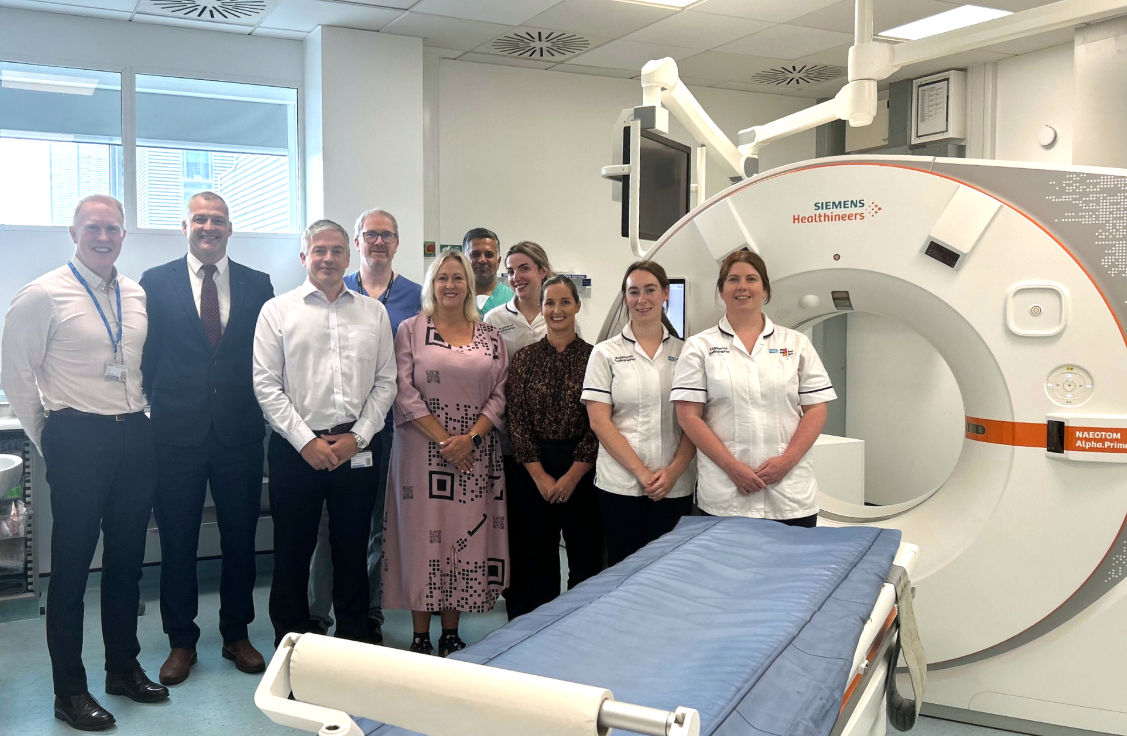
Royal Victoria Hospital Belfast Introduces Photon-Counting CT, Becoming Ireland's First Hospital to Adopt the Technology
Royal Victoria Hospital Belfast recently introduced the Siemens Healthineers NAEOTOM Alpha.Prime photon-counting CT scanner, becoming the first hospital in Ireland to adopt this next-generation CT imaging technology. The hospital is part of the Belfast Health and Social Care Trust, and this installation is part of a long-term value partnership between the hospital and Siemens Healthineers. According to reports, the NAEOTOM Alpha.Prime photon-counting CT delivers ultra-high-resolution images and spectral data at lower radiation doses. Its 0.2 mm slice thickness helps clinicians visualize small blood vessels, fine anatomical structures, and early pathological changes, enabling more diagnostic information to be obtained in a single scan...
2026-09-03

China's largest single-building oncology nuclear medicine center to be completed and put into operation in Luzhou, Sichuan
On September 2, the "Myriad Weather in Sichuan · Starting Strong for the '15th Five-Year Plan'" Luzhou special press conference was held in Chengdu. The conference disclosed that China's largest single-building oncology nuclear medicine center is about to be completed and put into operation in Luzhou, Sichuan. Construction site of the Oncology Nuclear Medicine Center of the Affiliated Hospital of Southwest Medical University. The center is a key project of Sichuan Province's regional medical centers. The project has a total investment of 310 million yuan, covers an area of approximately 15,000 square meters, and plans more than 160 beds. It will integrate functions including nuclear medicine molecular imaging, nuclear drug R&D and preparation, radionuclide therapy, tumor radiotherapy, and specialized oncology diagnosis and treatment, and will be built into...
2026-09-03

IAEA 70th General Conference to Host Technical Cooperation Side Events Focusing on Radiotherapy Financing and African Nuclear Workforce Development
The 70th Regular Session of the International Atomic Energy Agency General Conference will be held from September 14 to 18, 2026, at the Vienna International Centre in Austria. During the session, delegates and technical experts from various countries will discuss the Agency's ongoing work and topics related to nuclear science and technology. The 70th Regular Session of the IAEA General Conference will take place from September 14 to 18, 2026, at the Vienna International Centre. (IAEA) As part of the arrangements related to the General Conference, the IAEA Department of Technical Cooperation will host two side events during the conference week, highlighting its technical cooperation support to Member States. One event will focus on financing for the expansion of radiotherapy services, while the other will...
2026-09-03

West Physics Acquires U.S. Medical Physics Services Provider RTS, Expanding Nuclear Medicine and Radiation Safety Service Network
West Physics Consulting, LLC, a U.S. provider of medical and health physics consulting services, announced on September 2, 2026, that it has acquired Radiographic Testing Services, Inc. (RTS). Headquartered in Albany, New York, RTS primarily provides medical physics services covering nuclear medicine, diagnostic radiology, radiation oncology, and Certified Radiological Equipment Safety Officer (CRESO)-related services. West Physics stated that this acquisition will integrate the strengths of both companies in customer service, quality management, and technical capabilities. Upon completion of the transaction, the company will add a new office in Albany, New York, and further expand its presence in Albany, New York...
2026-09-03
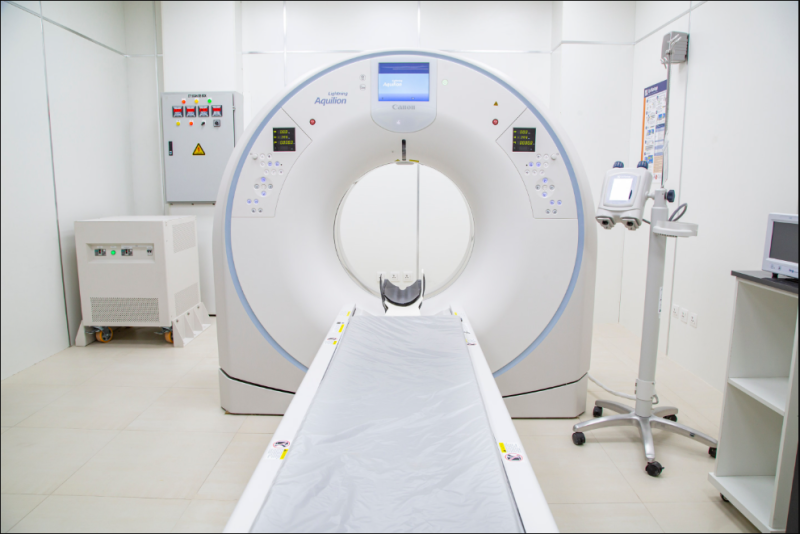
Sejong City Requests National Support for Proton Cancer Therapy Center Budget
On September 2, 2026, the Democratic Party of Korea and Sejong City held their first budget policy consultation meeting at the Sejong City Government to discuss key agenda items and budget support for the city. At the meeting, Sejong City Mayor Cho Sang-ho requested the Democratic Party's attention to several issues, including securing national funding for the construction of a cancer proton therapy center, improving the general grant system for Sejong City, and promoting the passage of the Special Act on the Administrative Capital within the year. After the closed-door consultation, a relevant spokesperson stated in a briefing that the meeting proposed allocating 300 million KRW each in the next year's national budget for a feasibility study on the construction of the cancer proton therapy center and for the formulation of the basic plan for the National Central Bioresource Center.
2026-09-02

AI-Enhanced MRI System Deployed at Utah Medical Center for Cardiac and Cancer Imaging
Intermountain Medical Center in Murray, Utah, has begun using a new magnetic resonance (MR) system for imaging cardiac and cancer patients. The facility stated that the GE HealthCare SIGNA Sprint Elite MR system was placed into service earlier this year, making it the first of its kind in Utah and the second in the United States. According to the hospital, the system integrates artificial intelligence software designed to reduce image noise and enhance scan clarity. The facility believes that clearer images will help clinicians assess cardiac tissue and cancer-related conditions, while also potentially reducing the time patients spend undergoing MR exams. Cardiac imaging is one of the system's key application areas.
2026-09-02
Prostate cancer becomes most common cancer among men in South Korea, Lu-177 PSMA therapy reaches cumulative 200 procedures
Prostate cancer incidence in South Korea has continued to rise, making it the most common cancer among men in the country. Meanwhile, a novel nuclear medicine treatment for metastatic prostate cancer—Lutetium-177 (Lu-177) prostate-specific membrane antigen (PSMA) radioligand therapy—is accumulating more clinical cases. Seoul St. Mary's Hospital Uro-Oncology Center stated on September 1 that since performing South Korea's first Lu-177 PSMA treatment on November 2, 2020, the center had administered a cumulative total of 200 such treatments to 84 patients with metastatic prostate cancer as of the 21st of last month. Metastatic castration-resistant prostate cancer refers to a state in which prostate cancer continues to progress despite androgen suppression therapy. As the disease advances, patients have fewer treatment options and a worse prognosis, making it essential to select appropriate treatment modalities and sequencing based on prior treatment history and physical condition.
2026-09-02

Ionetix begins routine supply of astatine-211 in North America, expanding sources of isotopes for targeted alpha therapy
Ionetix, a U.S. medical isotope producer, recently announced that it has begun routine supply of astatine-211 (At-211) in North America. The company stated that this development expands the supply sources of At-211 and is expected to support its further application in preclinical research and clinical development. Ionetix noted that it believes it is the first non-academic commercial supplier of At-211 in the United States. Ionetix produces At-211 at its facility in Lansing, Michigan, leveraging its proprietary cyclotron technology. The company currently operates a 30 MeV cyclotron equipped with optimized target technology, aiming to support the production of clinical-grade At-211. The company stated that its production ca...
2026-09-02

FDA Grants Breakthrough Therapy Designation to JBS-003 for Guiding De-escalated Radiotherapy in HPV-Positive Oropharyngeal Cancer
On September 1, Juniper Biosciences announced that the U.S. Food and Drug Administration (FDA) has granted Breakthrough Therapy Designation to its hypoxia tracer JBS-003. The product, 18F-Fluoromisonidazole (FMISO), is intended to identify tumor hypoxia and guide de-escalated radiotherapy in patients with HPV-positive oropharyngeal cancer (OPC). JBS-003 is licensed from Memorial Sloan Kettering Cancer Center (MSK). According to information released by the company, the tracer is based on F-MISO PET molecular imaging technology and can visualize specific hypoxic features within tumors. Tumor hypoxia is considered to be associated with radioresistance; by imaging hypoxic regions, clinicians can stratify patients by risk and...
2026-09-02

Canada's Devonian Integrates HPLC-MS, NMR, and Cell-Based Potency Assays into Thykamine Quality Control Platform
Devonian Health Group Inc., a Canadian clinical-stage biopharmaceutical company, recently announced that it has completed independent validation of key analytical methods and biological quality control technologies and integrated them into the extraction and production process of Thykamine, the company's lead active pharmaceutical botanical candidate. According to the company, its quality control program includes validated high-performance liquid chromatography-mass spectrometry (HPLC-MS) chemical fingerprinting, nuclear magnetic resonance (NMR) spectroscopy, and cell-based biological potency assays based on the U937 human cell line. The relevant cell-based assays use macrophage inflammatory protein-1β (MIP-1β) as a biomarker of Thykamine's anti-inflammatory activity...
2026-09-02

GE HealthCare's Photonova Spectra Photon-Counting CT Receives CE Mark, to Be Commercialized in Countries Recognizing CE Marking
On August 31, GE HealthCare announced that its advanced photon-counting computed tomography (PCCT) system, Photonova Spectra, has received CE marking. The system utilizes GE HealthCare's proprietary Deep Silicon™ detector technology. This certification will expand the system's availability in countries and regions that recognize the CE mark and pave the way for its clinical use. According to reports, Photonova Spectra is designed to address the growing patient volumes and increasing diagnostic complexity faced by healthcare institutions today, aiming to provide clinicians with clearer and more timely imaging information. Leveraging deep silicon detector technology, the system can acquire spectral and spatial imaging information in each scan...
2026-09-01
Scientific Research
View more >
Russia masters production technology of ultra-pure germanium for gamma detectors
The Giredmet Research Institute, part of Rosatom, recently announced that its researchers have developed technology for producing high-purity germanium (HPGe) for gamma-ray detectors. This breakthrough is expected to replace imported crystals and promote the formation of a complete production cycle for detector equipment within Russia. According to reports, experts at Giredmet have designed and manufactured experimental equipment, and based on this, developed a process for preparing ultra-high-purity germanium single crystals. The purity of the germanium material reaches at least 7N, i.e., 99.99999%, equivalent to only one impurity atom per 10 million atoms of the primary material. The institute stated that the first batch of experimental samples has been obtained, verifying the effectiveness of the adopted deep germanium purification method in achieving the purity level required for detector applications.
2026-09-07

Russian Researchers Propose New Method for Preparing Iron-59 Magnetite Nanoparticles, Potentially Advancing Nuclear Medicine Diagnostics and Therapy
Russian researchers have developed a new method for preparing iron-59-labeled magnetite nanoparticles, which is expected to provide a new material preparation pathway for medical applications such as magnetic resonance imaging, single-photon emission computed tomography, and radionuclide therapy. According to reports, researchers from the Vernadsky Institute of Geochemistry and Analytical Chemistry and the Karpov Institute of Physical Chemistry, both under the Russian Academy of Sciences, have proposed synthesizing iron-59 magnetite nanoparticles using the sol-gel method. The relevant findings have been published in the journal Applied Radiation and Isotopes. The sol-gel method is a chemical approach for preparing nanomaterials, with the core process involving the conversion of a liquid colloidal solution into a gel-like network...
2026-09-07
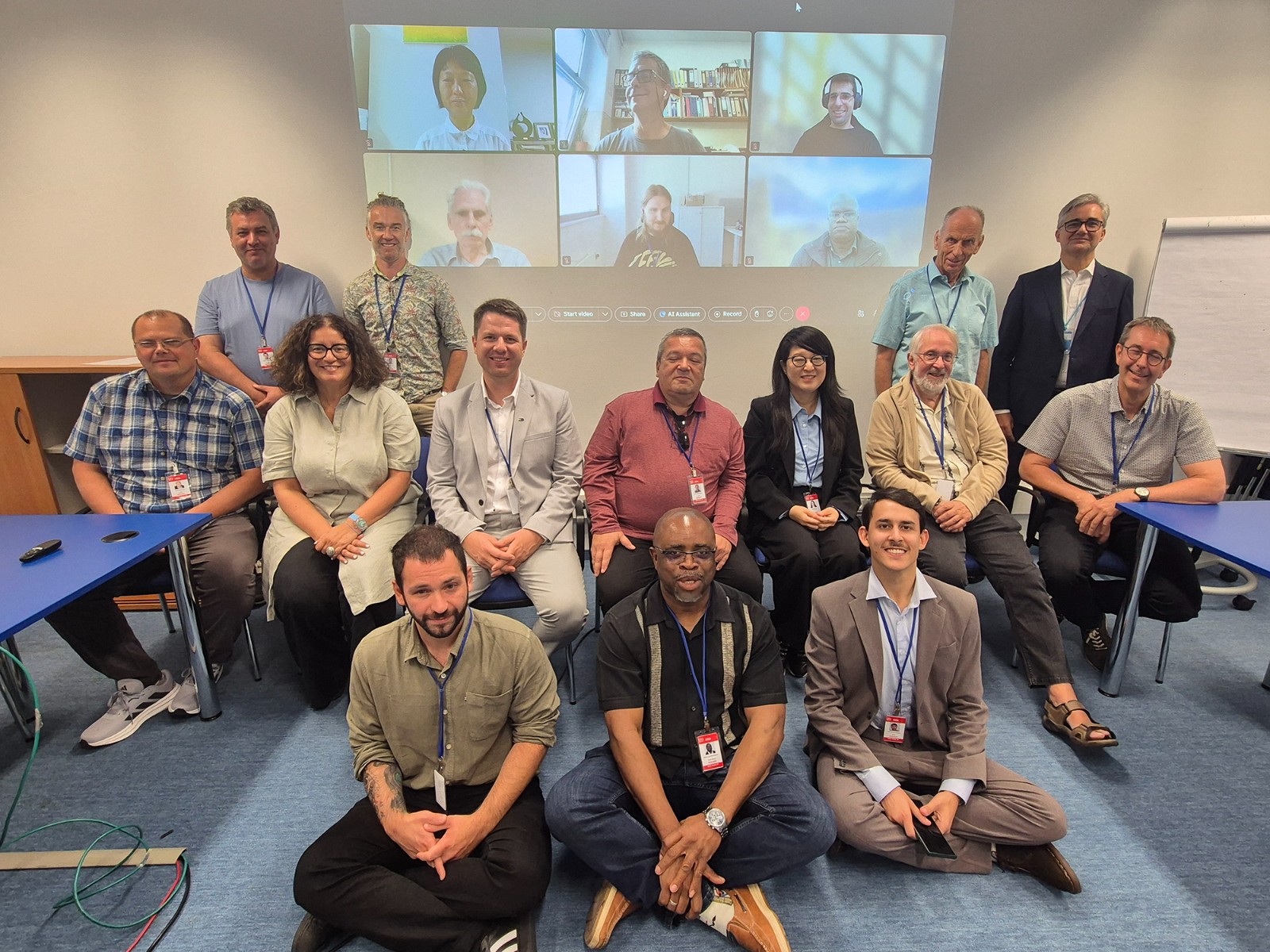
IAEA Meeting Focuses on Data Needs for Ion Beam Analysis, JINR Presents Progress in Nuclear Track Emulsion Research
From August 24 to 28, 2026, the International Atomic Energy Agency held a Technical Meeting on Data Requirements for Ion Beam Analysis in Vienna, Austria, attended by scientists and experts from multiple nuclear physics research institutions. Andrey Zaitsev, Senior Researcher at the High Energy Physics Laboratory of the Joint Institute for Nuclear Research, delivered a report at the meeting, presenting the current performance of nuclear track emulsions and research progress related to the BECQUEREL project. The meeting focused on assessing whether existing nuclear data can meet current and future application needs of ion beam analysis, and discussed new experimental methods, as well as the application of artificial intelligence and machine learning in experiments and data processing. Topics included elastic backscattering cross sections, nuclear re...
2026-09-05
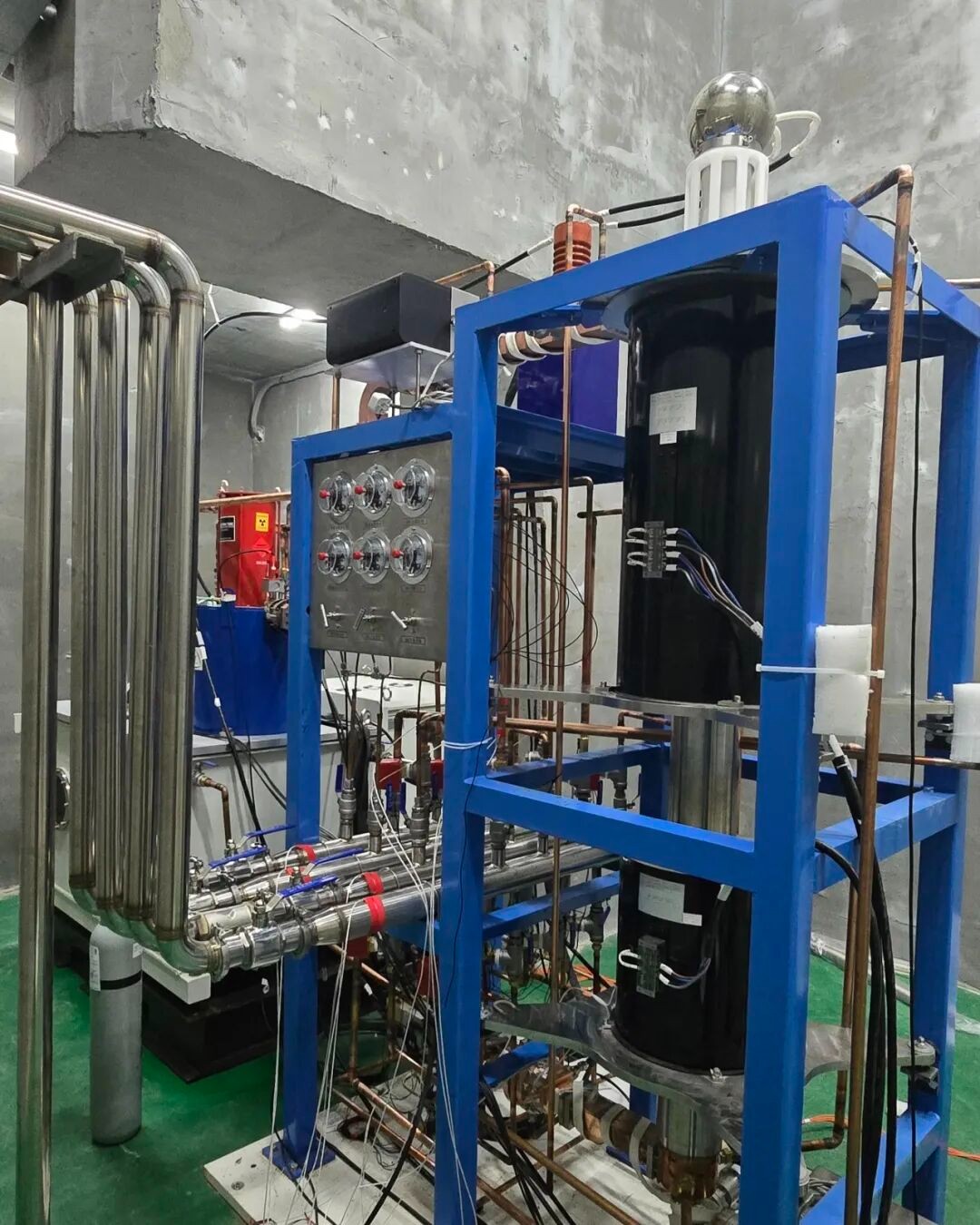
State Nuclear Uranium Industry Achieves 100% Localization of Electron Linear Accelerator Development
Recently, the first fully domestically produced 10 MeV/20 kW electron linear accelerator developed by the Technology Center of State Nuclear Uranium Industry (Nuclear Power Tongchuang) completed its 20 kW beam extraction test, with performance meeting design specifications. This marks a significant breakthrough for State Nuclear Uranium Industry in the field of electron accelerator development and elevates its capability in developing nuclear technology application equipment to a new level. Main unit of the 10MeV/20kW electron irradiation accelerator As a versatile high-energy electron linear accelerator, the 10MeV/20kW electron linear accelerator is widely used in multiple sectors of the national economy, including medical device sterilization, traditional Chinese medicine pest control, food preservation, and polymer material modification. During the current process of engineering application and industrial promotion, its core components such as klystrons, waveguide windows, and water loads have a relatively low localization rate, with some models still relying on imports, facing challenges such as long procurement cycles, high costs, and difficulties in spare parts support. The R&D team of State Nuclear Uranium Industry has focused on industry pain points, adhered to a problem-oriented approach, overcome difficulties, efficiently resolved various technical challenges, and successfully achieved 100% localization of this model of electron linear accelerator with significantly reduced overall machine costs, breaking the reliance on imported core components. As a key R&D project for differentiated layout in the nuclear technology industry, State Nuclear Uranium Industry will continue to improve its processes and standards systems, accelerate the application of research achievements in typical scenarios, bridge the chain from R&D to industrial application, and promote the steady development of the nuclear technology industry.
2026-09-05
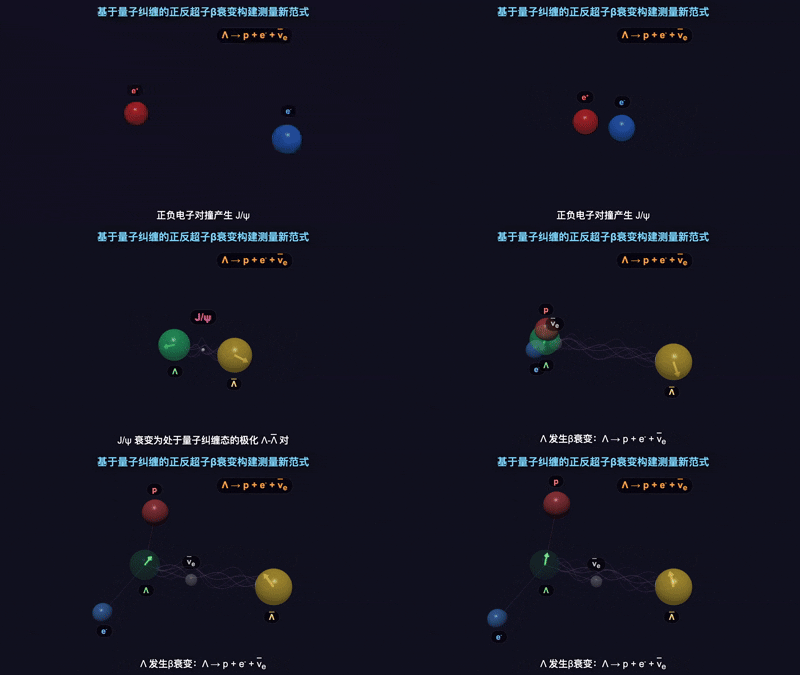
Fudan team extracts CKM matrix element |Vus| via quantum entanglement in collider experiment for the first time
On the evening of September 2, 2026, Beijing time, the team led by Luo Tao from the Institute of Modern Physics at Fudan University, together with collaborators, published a research achievement titled "Exploring baryon semileptonic decays through polarization and entanglement" in Nature. This study, for the first time in a collider experiment, utilized quantum entanglement and polarization information to extract the Cabibbo-Kobayashi-Maskawa (CKM) matrix element |Vus|, providing a new experimental pathway for precisely testing the Standard Model of particle physics. The CKM matrix describes the strength of transitions between different quarks under the weak interaction. Among them, |Vus| corresponds to the transition from the strange quark to the up quark, and its numerical precision is related to the test of the three-generation quark mixing mechanism in the Standard Model. Currently, results for |Vus| obtained from different decay processes still show discrepancies, and the unitarity test of the first row of the CKM matrix also exhibits some tension, necessitating more independent measurement methods for verification.
2026-09-04
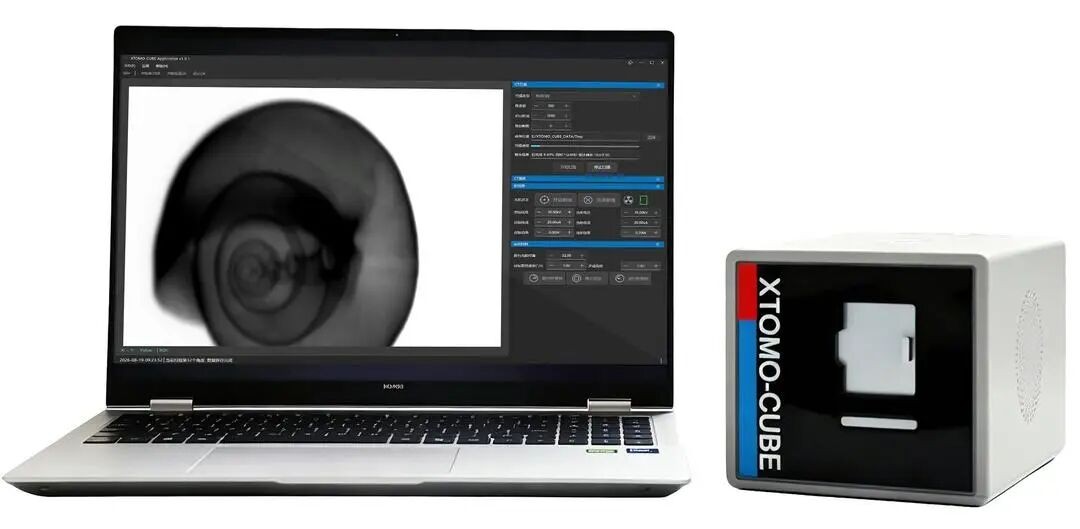
Domestically Developed "Palm-Sized CT" Debuts: 6 kg Micro X-ray CT Enables 3D Non-Destructive Testing
The XTOMO-CUBE series micro-CT, independently developed by Ruiying Detection Technology (Jinan) Co., Ltd., recently made its debut. With dimensions of 140×132×220 mm and a total weight of approximately 6 kg, the device can be held in one hand and is dubbed the "palm-sized CT." It can scan small-sized samples such as chicken bones, snail shells, and capsule tablets, revealing their internal three-dimensional structures. According to reports, CT stands for computed tomography technology. Compared with traditional CT equipment, the XTOMO-CUBE integrates key modules such as a miniaturized X-ray source, rotation stage, and detector into a compact body, paired with fully self-developed software capable of completing processes including projection data acquisition, CT image reconstruction, and 3D rendering. The...
2026-09-04
Environmental Protection
View more >
- New Monitoring Well Characterizes Hexavalent Chromium Plume at Los Alamos National Laboratory
- Demolition Begins on Contaminated Buildings in Isotope Area at Oak Ridge National Laboratory
- Russian Academy of Sciences Reveals Mechanism of Microbial Bioremediation Reducing Actinide Content in Groundwater
- Japanese Team Develops High-Temperature, High-Pressure Isotope Ratio Analysis Method for Tracing Halogenated Pollutants
- CIAE Neutron Measurement Patent for Nuclear Waste Wins China Patent Excellence Award
- IAEA Technical Meeting on Indicators for the Management of Disused Ionizing Radiation Sources
- Symposium on Marine Radiation Monitoring and Emergency Response Technology Exchange Successfully Held
- Fifth Mega Saltstone Disposal Unit Approved for Operation at U.S. Savannah River Site
- Hanford Site Resumes Certification Work for Permanent Disposal of Transuranic Waste
- Busan, South Korea Reports No Abnormal Radiation Detected in Seawater and Seafood Three Years After Fukushima Discharge
Industry
View more >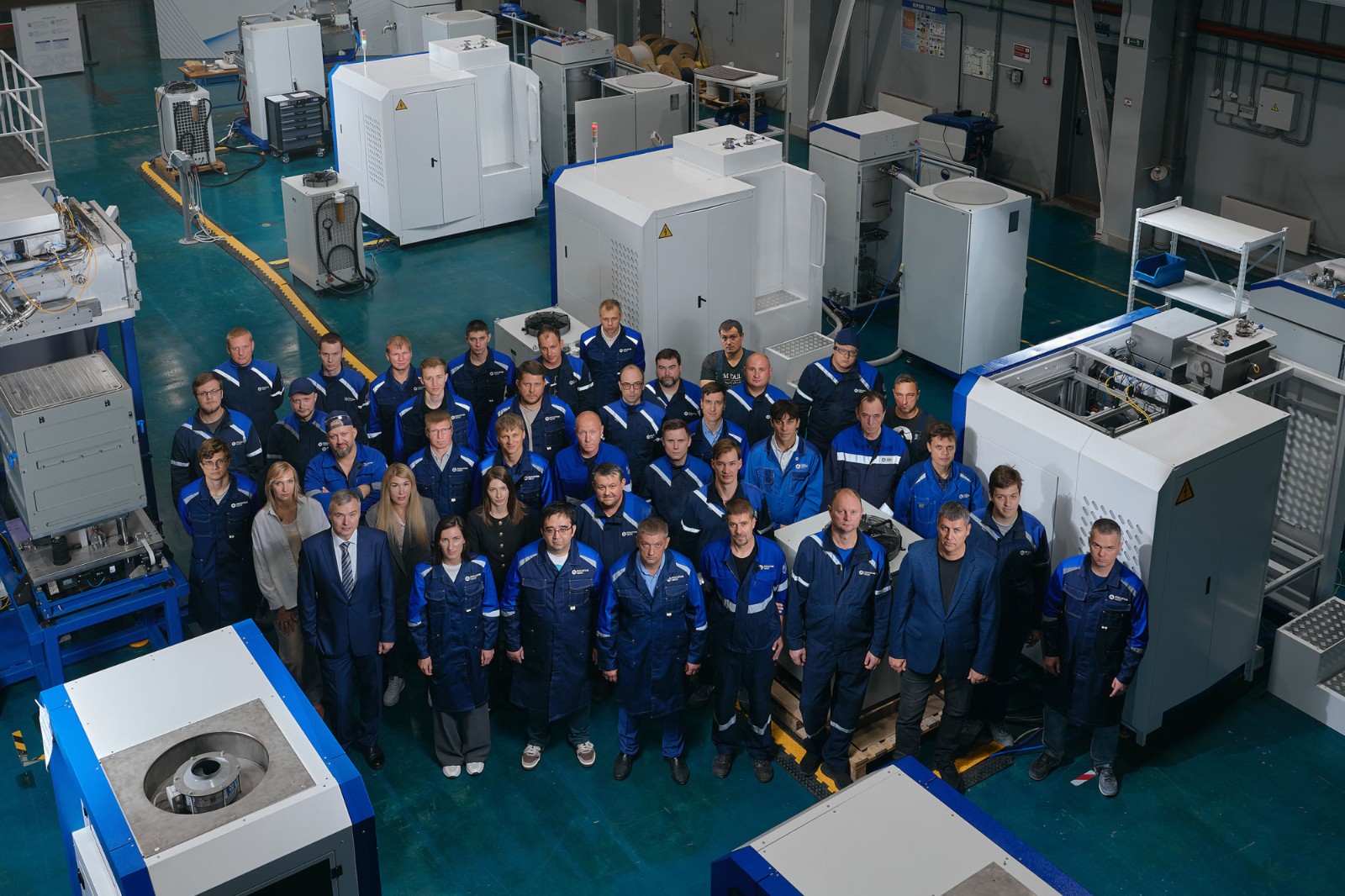
Rosatom Fuel Division Completes Assembly of 30th Industrial Metal 3D Printer
On September 3, 2026, the Moscow Additive Manufacturing Technology Center of Rosatom's Fuel Division completed the assembly of its 30th industrial metal 3D printer. The equipment is the medium-sized RusMelt 300M, a flagship model in Rosatom's metal 3D printer product line. The rollout of the 30th unit coincides with the 30th anniversary of TVEL JSC, the management company of Rosatom's Fuel Division. According to reports, the additive manufacturing technology business unit of Rosatom's Fuel Division currently produces industrial-grade 3D printers capable of meeting manufacturing needs for components of various sizes, utilizing mainstream metal additive manufacturing technologies such as selective laser melting (SLM), direct metal deposition (DMD), and electron beam additive manufacturing (EBAM)...
2026-09-04
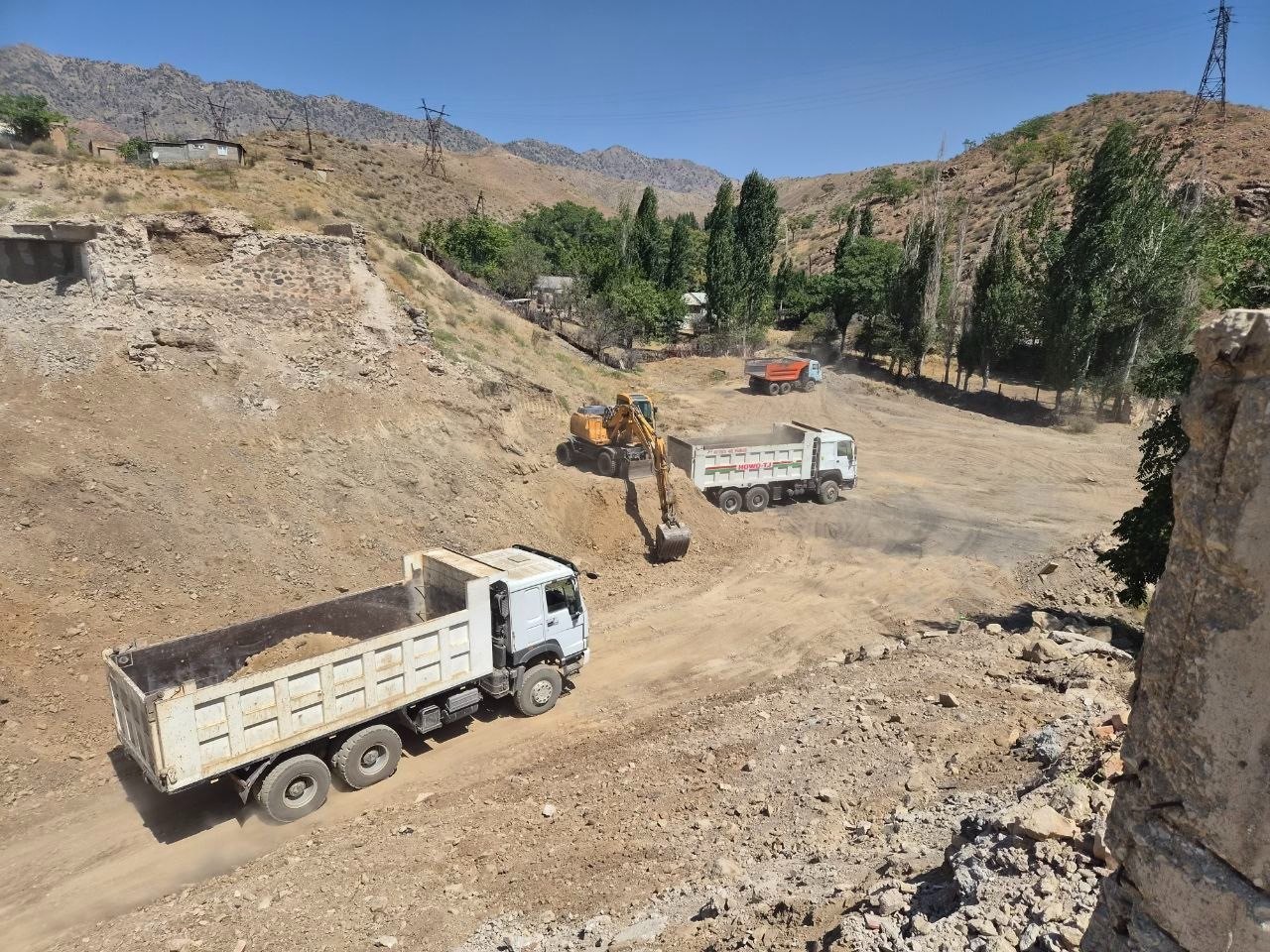
Russia launches remediation of legacy uranium sites at Taboshar facility in Tajikistan
Rosatom has recently launched remediation work at the legacy uranium production site of Workshop No. 3 at the Taboshar facility in Tajikistan, through its fuel division subsidiary, the Central Design and Technology Institute (JSC CPTI). The site is located in the village of Istiklol, Sughd Region, Republic of Tajikistan. The remediation is carried out under the intergovernmental agreement between the Russian Federation and the Republic of Tajikistan on cooperation in remediating areas affected by uranium mining and ore production, with the goal of improving the local environmental conditions and creating conditions for the future safe use of the area. Prior to the commencement of the work, JSC CPTI had completed remediation design and estimate documentation for two facilities in the Sughd Region,...
2026-09-02

U.S. Proposes Clearer Groundwater Protection Standards for In-Situ Uranium Recovery Sites
The U.S. Nuclear Regulatory Commission (NRC) on September 1 proposed a rule aimed at establishing clearer groundwater protection standards for communities surrounding in-situ uranium recovery sites, while streamlining the process for extending decommissioning deadlines for radioactive materials facilities and nuclear reactors, reducing redundant administrative steps without compromising safety. The rule addresses two aspects under NRC oversight. First, it proposes risk-informed regulatory standards for protecting drinking water near in-situ uranium recovery facilities, designed to guard against both radiological and non-radiological contamination. In-situ uranium recovery is a method of uranium extraction that involves injecting solution into uranium-bearing ore bodies to dissolve underground uranium resources and pump them to the surface for recovery. Second, it proposes to simplify the process for facility owners to apply for extensions of decommissioning deadlines. The NRC stated that current time requirements are relatively rigid and may lead to premature license termination; the proposed changes aim to reduce applicant costs, improve regulatory efficiency, and provide clearer expectations for communities and facility operators.
2026-09-02
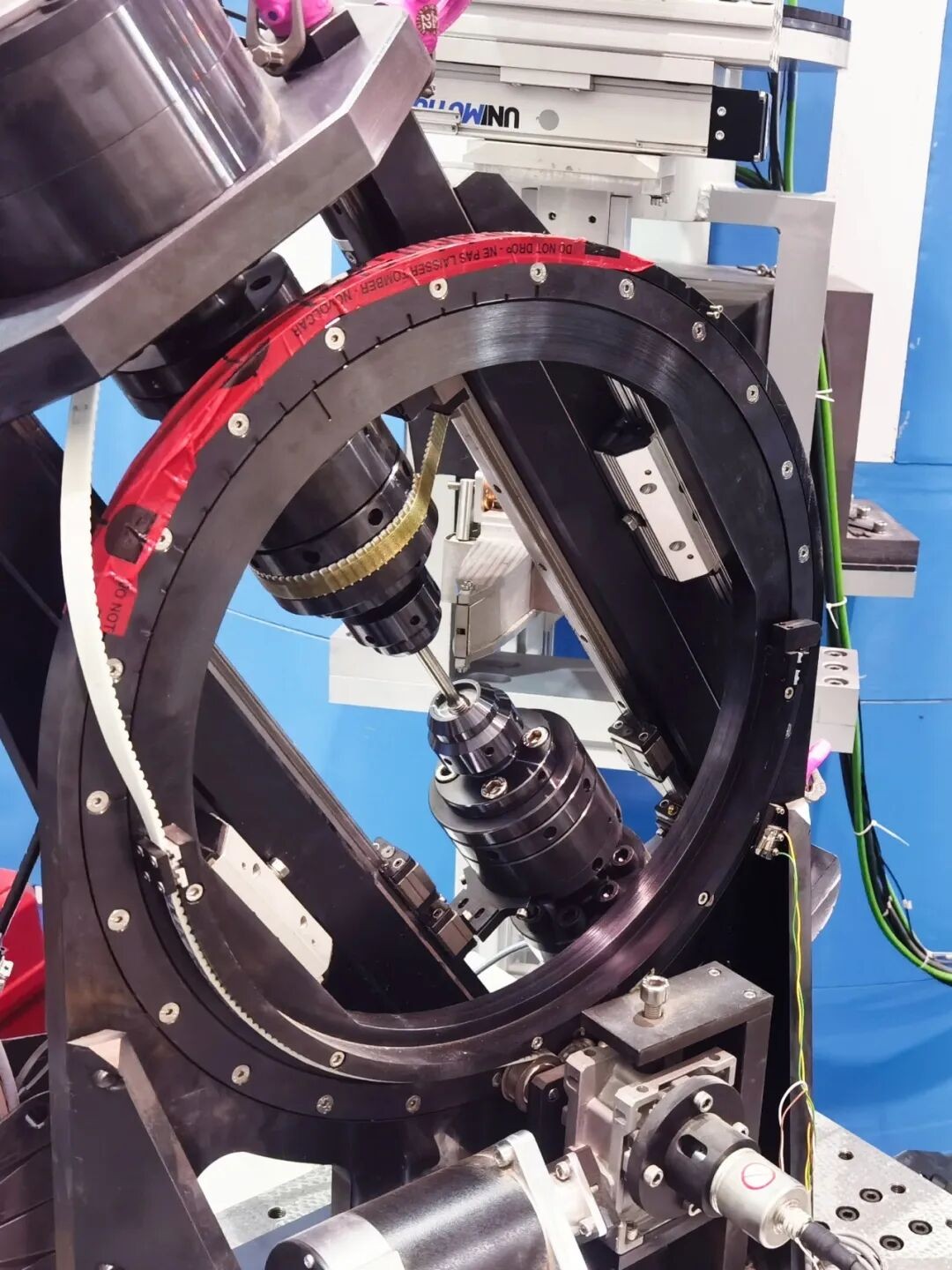
Major Breakthrough in Residual Stress Research on Key Aviation Materials in China
Nickel-based single-crystal superalloys are key materials for manufacturing turbine blades in aviation engines. Recently, the neutron scattering team from the Department of Nuclear Physics at the China Institute of Atomic Energy (CIAE) under CNNC, leveraging the Engineering Science Stress Spectrometer at the China Advanced Research Reactor (CARR), overcame technical challenges in residual stress measurement of single-crystal superalloys and established a precise three-dimensional residual stress testing method based on neutron diffraction. This provides an effective solution for residual stress assessment of critical aviation materials and lays a solid methodological foundation for the in-depth application of the CARR Engineering Science Stress Spectrometer in high-end manufacturing. During high-temperature heat treatment or service of nickel-based single-crystal superalloys...
2026-09-02
- Northeast Regional Office of the Ministry of Ecology and Environment Conducts Research on Radiation Risk Prevention and Control in the Scrap Metal Recycling and Smelting Industry
- First experiments at Russia's SKIF microfocus station to target "invisible" gold deposits and extraterrestrial particle research
- China's First Enterprise-Level Synchrotron Radiation Technology Application Research Platform Inaugurated in Shanghai
- Russia and Egypt Plan to Jointly Establish Additive Manufacturing Center in Egypt
- 3D Systems Collaborates with Savannah River National Laboratory to Advance 3D Printing in Nuclear Energy Systems
- CNNC Fuyuan (Beijing) Technology Co., Ltd. officially established, focusing on accelerator and radiation technology equipment
- Tescan Launches MIRA XR Ultra-High-Resolution Scanning Electron Microscope for Materials Characterization and Failure Analysis Applications
- IsoEnergy Signs Agreement with Kineepik Métis Local to Advance Uranium Exploration in Saskatchewan, Canada
- U.S. Develops Hybrid Process Combining Electroforming and 3D Printing for Critical Component Manufacturing in Advanced Nuclear Reactors
- Ur-Energy Ships First Uranium from Shirley Basin Mine to Lost Creek Processing Plant
Food
View more >
IAEA Launches Research Project on Edible Insects and Novel Food Safety
As demand for alternative protein sources grows, the International Atomic Energy Agency recently launched a five-year coordinated research project focusing on potential safety risks associated with the production, processing, and consumption of edible insects and other novel foods, while promoting the application of nuclear, isotopic, and related analytical techniques in food safety testing. Edible insects are gaining increasing attention. Data show that more than 2,000 species of edible insects are known globally, with approximately 2 billion people regularly consuming insects; at least 113 countries currently consume one or more insect species. In Africa, Asia, the Pacific region, and Latin America, insects have long been part of the diet for certain populations. As...
2026-09-03

Electron Beam Processing Can Reduce Poultry Pathogens, Study Shows Turkey Meat Quality Remains Well Preserved
A study on electron beam treatment of poultry meat products shows that electron beam irradiation has the potential to reduce the risk of foodborne pathogens in poultry while preserving meat quality as much as possible. The paper, titled "Effects of Electron Beam (eBeam) Treatment on the Texture and Sensory Attributes of Chicken and Turkey Meat Batters," was published in the journal Poultry Science. Electron beam is a non-thermal processing technology that uses high-energy electrons to cause irreversible damage to pathogen DNA or RNA, making it difficult for bacteria to replicate. Like X-rays and gamma rays, electron beam has been approved by the U.S. Food and Drug Administration for cold pasteurization that does not rely on heating. The research team used the electron beam irradiation facility at Texas A&M University...
2026-08-26
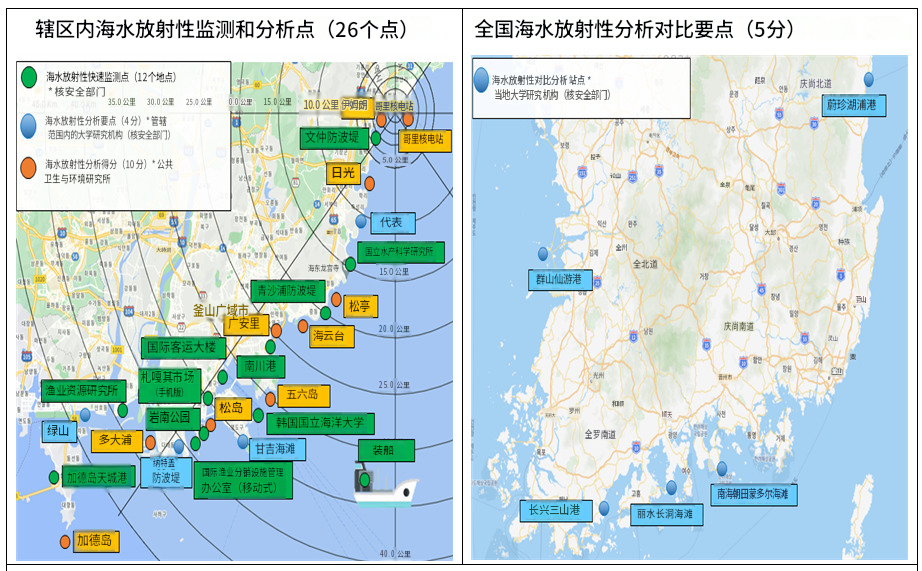
Busan, South Korea Reports No Abnormal Radiation Detected in Seawater and Seafood Three Years After Fukushima Discharge
Busan Metropolitan City stated on August 24 that since the discharge of contaminated water from the Fukushima nuclear power plant began in 2023, the city has continuously conducted radiation monitoring and analysis of coastal seawater and seafood. The results show that the safety conditions of Busan's waters and seafood remain stable with no abnormal changes detected. According to Busan Metropolitan City, seawater radioactivity testing is currently conducted at 26 coastal points. Among them, samples from 14 coastal locations including Haeundae, Gwangalli, Dadaepo, Songdo, and Songjeong are analyzed by the Busan Metropolitan City Institute of Health and Environment and local university research institutions. Test results show that the concentrations of relevant radionuclides are far below the World Health Organization drinking water standards, with cesium-134,...
2026-08-24

China Isotope & Radiation's National Headquarters for Irradiation Application Industry Settles in Guangzhou
On August 11, the national headquarters of China Isotope & Radiation's irradiation application industry — CNNC Irradiation (Guangdong) Technology Co., Ltd. (hereinafter referred to as "CNNC Irradiation") — officially settled in Tianhe District, Guangzhou, and entered the Pearl River New City. This marks an important milestone in the development of China Isotope & Radiation's irradiation application industry. The relocation of the national headquarters for irradiation application to Guangzhou is a key step for China Isotope & Radiation in implementing the central-local cooperation deployment between CNNC and Guangdong Province, and in strategically positioning for the "15th Five-Year Plan." As the nuclear technology application industry platform of CNNC, China Isotope & Radiation possesses a complete industrial chain and core technological advantages in the irradiation application field. It is a leading domestic provider of irradiation facility design, manufacturing, installation, and operation & maintenance services, and has accumulated extensive industrialization experience in high-end medical device sterilization, green irradiation processing of food and traditional Chinese medicinal materials, and material modification.
2026-08-14

New National Standard GB/T 18525.1-2026 — The Red Beans and Mung Beans You Eat May Have Been
Starting December 1, 2026, a new national standard concerning food safety on your dining table will officially take effect — Recently, the State Administration for Market Regulation and the Standardization Administration of China issued the 2026 No. 23 National Standard Announcement, among which the "Irradiation Technology for Agricultural Products — Part 1: Legumes and Their Products" (GB/T 18525.1-2026) is particularly noteworthy. This standard, led by the Institute of Food Science and Technology, Chinese Academy of Agricultural Sciences, will officially take effect on December 1, 2026, replacing the old standard (GB/T 18525.1-2001) that has been in use for over 20 years. When hearing the word "irradiation," many people's first reaction is: "Is it safe?" "Will food become radioactive after being irradiated..."
2026-08-13
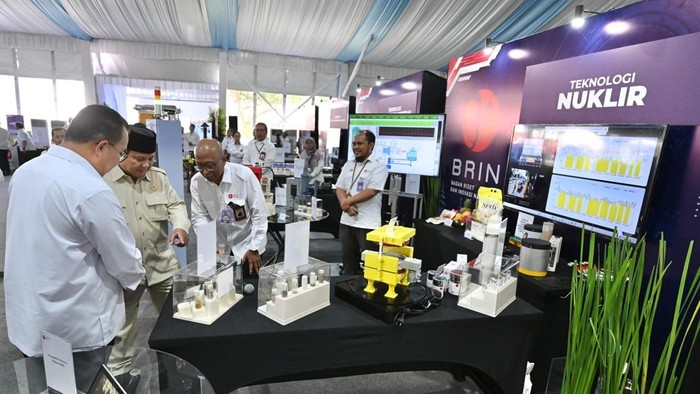
Indonesia's BRIN Showcases Nuclear Technology Research Progress, Covering Radiopharmaceuticals and Food Irradiation Applications
The National Research and Innovation Agency (BRIN) of Indonesia recently showcased its nuclear technology research achievements at the Presidential Palace in Jakarta. BRIN Head Arief Satria stated that the relevant technologies fall within the scope of peaceful uses of nuclear energy, with applications extending beyond energy to also cover food and health sectors. In the health sector, BRIN is developing radiopharmaceuticals for nuclear medicine. These drugs contain radioactive substances and can be used for cancer diagnosis and treatment. Arief stated that radiopharmaceutical research and development is of great significance for cancer detection and therapy. In the food sector, BRIN applies nuclear technology to food preservation, with a focus on irradiation treatment of export fruits. Arief explained that some importing countries re...
2026-08-07
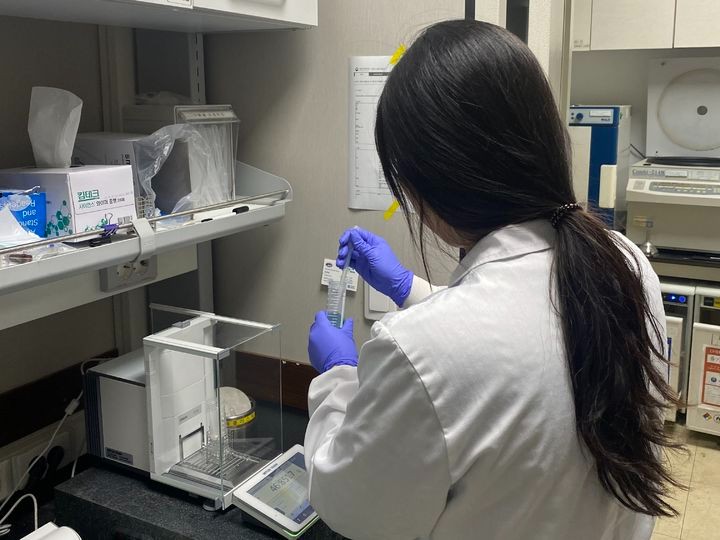
Radioactivity test results for agricultural and fishery products in North Chungcheong Province, South Korea, pass standards in first half of the year
The Chungcheongbuk-do Institute of Health and Environment announced on August 7 that it conducted radioactivity safety testing on agricultural and fishery products sold and used within the province in the first half of this year, and the results showed that all relevant samples met food radioactivity safety standards. The testing covered 119 types of agricultural products and 274 types of fishery products sold at large supermarkets, local food direct-sale stores, or used as ingredients for school meals. Testing items included indicators such as radioactive iodine, radioactive cesium, and tritium. The test results showed that the levels of radioactive iodine and radioactive cesium in the samples did not exceed the permissible limit of 100 Bq/kg for food radioactivity; tritium was not detected in any of the 80 seafood samples. The relevant test results can be found on the Chungcheongbuk-do Institute of Health and Environment website.
2026-08-07
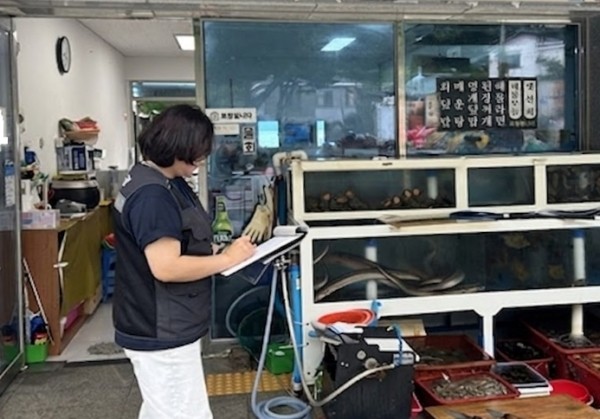
South Gyeongsang Province Completes 380 Food Radioactivity Tests in First Half of Year, All Meeting Standards
The Gyeongsangnam-do Institute of Health and Environment recently announced that in the first half of this year, it conducted radioactivity testing on agricultural products, aquatic products, and processed foods already in circulation, completing tests on 380 samples. Testing items included radioactive iodine, radioactive cesium, and tritium, with all results meeting food radiation-related standards. According to the institute, it continues to conduct radiation monitoring on foods with high market consumption to ensure the daily dietary safety of residents. Of the 380 tests completed in the first half of this year, 338 were for iodine and cesium, and 42 were for tritium, with no samples exceeding permissible levels. In terms of monitoring methods, the institute has established a...
2026-07-27
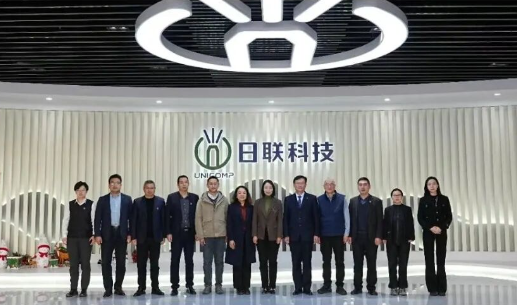
Riliantek and Jiangnan University Jointly Establish the "X-ray Food Inspection Joint Research Center"
Recently, the opening ceremony of the "X-ray Food Inspection Joint Research Center" jointly built with Jiangnan University was successfully held.In recent years, food safety issues have received widespread attention from all walks of life. UFJ T
2026-07-27
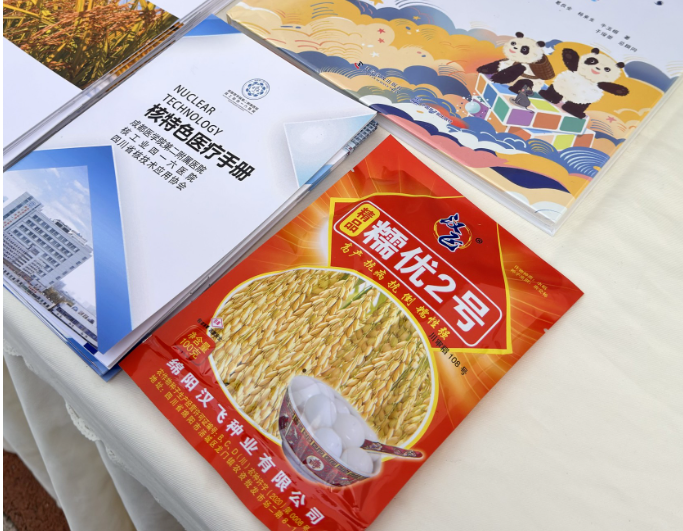
Nuclear Technology Bolsters Food Safety: Sichuan Institute of Atomic Energy Promotes Irradiated Food via "Three Rural Services" Outreach
Recently, during a provincial-level "Three Rural Services" (bringing culture, science/technology, and healthcare to rural areas) demonstration event in Sichuan, the Sichuan Institute of Atomic Energy showcased "irradiated lemon-flavored chi
2026-07-27
Agriculture
View more >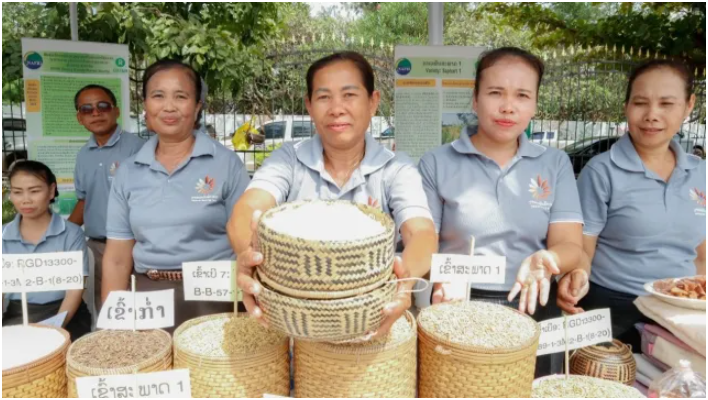
Nuclear technology breeding helps Laos improve rice varieties and increase yields
Rice is a vital staple food and source of income for rural households in the Lao People's Democratic Republic, and serves as the foundation of the country's food security. Over 80% of local farmers grow rice, with paddy fields accounting for approximately 60% of the nation's cultivated land. To enhance food supply capacity, Laos has set a target of increasing rice production to 5.5 million tonnes. The Saphart 1 rice variety was launched at the 2023 National Seed Fair for Food Security and Nutrition. (Photo: S. Phommalath/ RCCRC) Facing challenges such as environmental change, flooding, plant diseases, and increasing pressure on agricultural systems, agricultural researchers in Laos are turning to nuclear technology to improve rice varieties. The National Agriculture and Forestry Research Institute of Laos...
2026-09-01
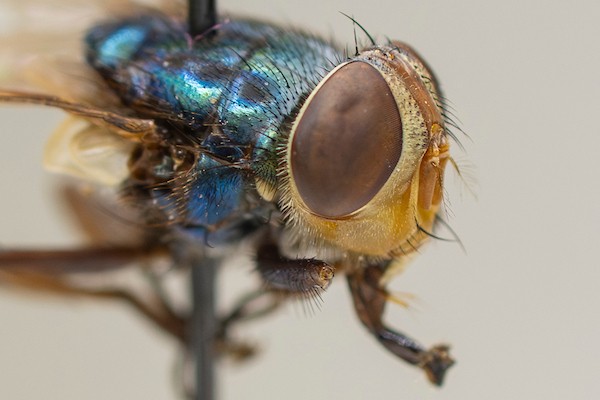
DARPA Ships Insect Sterility Technique Irradiator to the United States with Panamanian Cooperation
An insect irradiator used for the sterile insect technique program was recently transshipped to the United States via Panama, where it will support U.S. efforts to address the New World screwworm threat. The equipment was acquired by the U.S. Defense Advanced Research Projects Agency (DARPA) on July 8, 2026, and arrived in Panama, where it was subsequently transferred from the port to the airport with the assistance of Panamanian partners. The New World screwworm is a parasitic pest whose flies lay eggs in warm-blooded animals, with larvae burrowing into tissue and feeding, posing a threat to livestock production. Jon O’Rullian, president of the equipment manufacturer Foss Therapy Services, Incorporated, stated that threats of this kind are significant to all types of livestock producers.
2026-08-26
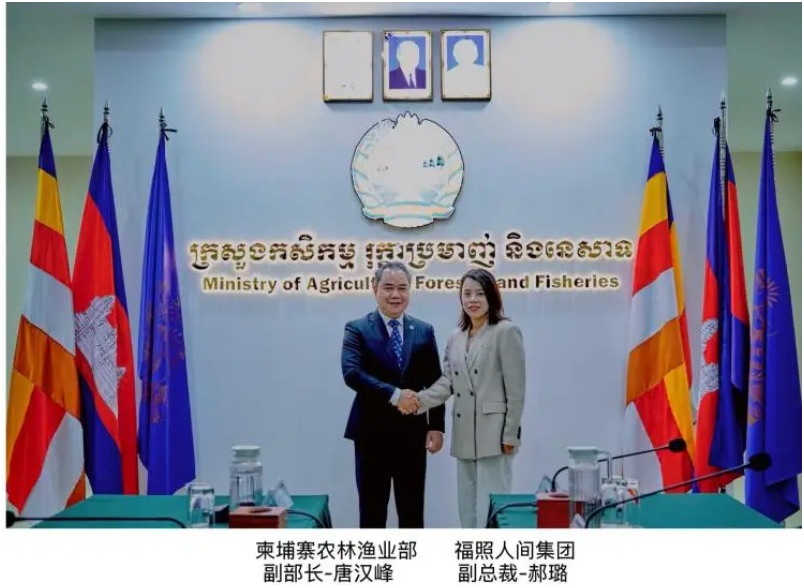
China and Cambodia Sign MOU on Agricultural Supply Chain Cooperation, with Irradiation Processing Technology Listed as a Key Focus
On August 10, Haikou Silk Road Social Science Research Institute and the Ministry of Agriculture, Forestry and Fisheries of the Kingdom of Cambodia signed the Memorandum of Understanding on Research Cooperation for the Stability and Development of the China-Cambodia Agricultural Supply Chain in Phnom Penh. According to the MOU, the industrial application of irradiation processing technology in the agricultural sector has been listed as one of the core cooperation directions for both sides. In this cooperation, the Joint Laboratory for R&D and Validation of Agricultural Product Irradiation Technology played a key supporting role. The joint laboratory was co-founded by Fuzhao Renjian Group and the Institute of Agro-Products Processing Science and Technology of the Chinese Academy of Agricultural Sciences, focusing on breeding, post-harvest loss reduction, agricultural product processing, and food safety, conducting irradiation technology R&D and validation, and promoting the application of relevant outcomes...
2026-08-24
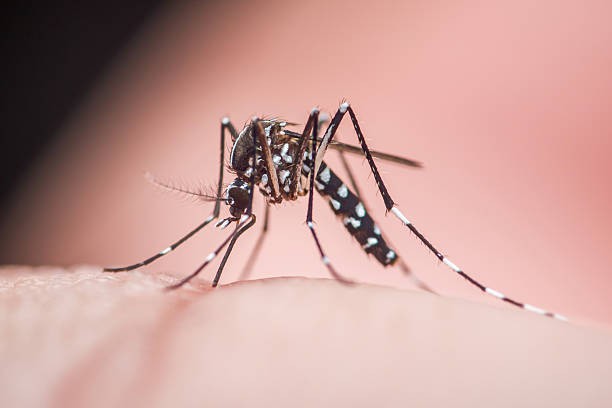
Brive in France Tests Sterile Insect Technique Using X-Ray Irradiation to Control Tiger Mosquitoes, Preliminary Results Show Nearly 60% Sterility Rate in Mosquito Eggs
The city of Brive-la-Gaillarde in the Nouvelle-Aquitaine region of France is using the Sterile Insect Technique (SIT) to control tiger mosquitoes. Since May 2025, the city has been working with the Montpellier-based company Terratis, releasing male mosquitoes that have been treated with X-ray irradiation and rendered incapable of reproduction, in order to reduce the tiger mosquito population. The core of this method is to allow sterile males to mate with wild females, causing the females to lay eggs that cannot hatch. Although it may appear that mosquitoes are still being released in active mosquito areas, the released individuals are males, which do not bite humans. As of October 31, 2025, Brive has deployed nearly 11 million sterile male mosquitoes across 58 release points covering more than 100 hectares, with a weekly release volume of approximately 400,000...
2026-08-23

Texas A&M University Develops Rio Red Grapefruit Through Radiation Mutagenesis, Now Accounting for About 75% of Texas Production
In 1984, researchers at Texas A&M University used radiation mutagenesis to develop the Rio Red grapefruit. Forty-two years later, this variety has become the dominant cultivar in Texas's grapefruit industry, accounting for approximately 75% of the state's total grapefruit production. The Rio Red grapefruit is distinguished by its vibrant pink flesh, as well as its greater cold tolerance and higher yields compared to other grapefruit varieties. These traits have facilitated its widespread adoption across Texas growing regions, gradually establishing it as a representative grapefruit variety in the local market. Grapefruit itself was not originally a product of artificial breeding. The earliest known grapefruit seedlings appeared in Barbados in the 18th century, resulting from a cross between the Jamaican sweet...
2026-08-22

IAEA Launches Research Project on Edible Insects and Novel Foods Safety
As global demand for alternative protein sources rises, the International Atomic Energy Agency has recently launched a five-year coordinated research project focusing on assessing safety risks associated with edible insects and other novel foods during production, processing, and consumption. The project will be implemented through the Joint FAO/IAEA Centre of Nuclear Techniques in Food and Agriculture, utilizing nuclear techniques, isotope techniques, and related detection methods to analyze chemical, biological, and physical hazards in food. Currently, more than 2,000 species of edible insects are known globally, and approximately 2 billion people regularly consume insects. In Africa, Asia, the Pacific region, and Latin America, insects have long been part of the diet in some communities...
2026-08-20
Security
View more >
- CGN Begoo Empowers Fuzhou Changle Airport T2 Terminal to Pass Provincial Acceptance
- U.S. NNSA and DTRA Remove High-Risk Cobalt-60 Radioactive Source from Guatemala
- Argonne National Laboratory Measures Dust Resuspension Behavior in Radioactive Contamination Scenarios
- Finland Launches Its First IAEA International Assessment of Radiation Emergency Preparedness
- Russian Far Eastern Federal University Develops Ultrafast Ceramic Scintillators for Rapid Ionizing Radiation Detection
- Texas Department of Public Safety Advances Airborne Radiation Detection Capabilities
- Portal Inspection and Screening System Tested at Chernyshevskoye Border Crossing on Russia-Lithuania Border
- U.S. Customs and Border Protection Awards OSI Systems $85 Million Contract for Mobile X-Ray Inspection Systems
- Amentum Joins Babcock UK Defense Engineering Services Framework to Support Naval Nuclear Infrastructure Projects
- US OSI Systems Secures Approximately $200 Million Contract for Mobile Vehicle Inspection Systems