
Texas A&M University Develops Rio Red Grapefruit Through Radiation Mutagenesis, Now Accounting for About 75% of Texas Production
 Scan to share
In 1984, researchers at Texas A&M University used radiation mutagenesis to develop the Rio Red grapefruit. Forty-two years later, this variety has become the dominant cultivar in Texas's grapefruit industry, accounting for approximately 75% of the state's total grapefruit production.
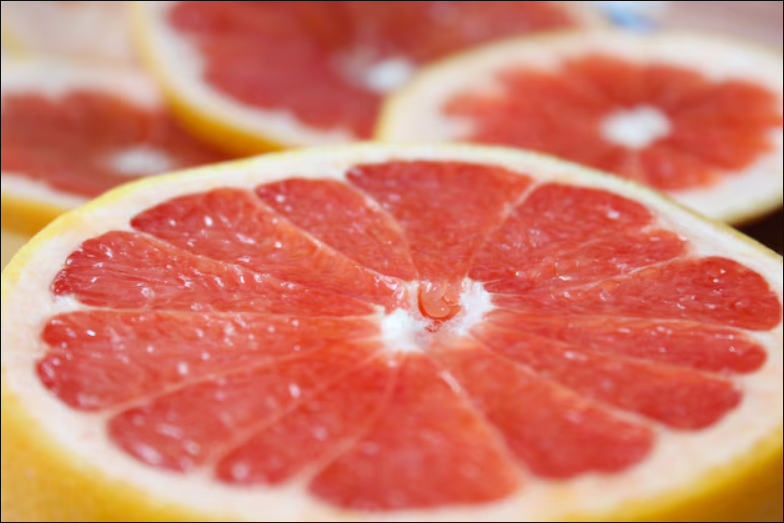
The Rio Red grapefruit is distinguished by its vibrant pink flesh, as well as its greater cold tolerance and higher yields compared to other grapefruit varieties. These traits have facilitated its widespread adoption across Texas growing regions, gradually establishing it as a representative grapefruit variety in the local market.
Grapefruit itself was not originally a product of artificial breeding. The earliest known grapefruit seedlings appeared in Barbados in the 18th century, resulting from a natural cross between the Jamaican sweet orange and the Indonesian pomelo. In 1906, a natural genetic mutation produced the first pink grapefruit, and growers subsequently began propagating this fruit with pink flesh.
The scientific foundation of radiation breeding dates back to the late 19th century. Following the discovery of X-rays and radioactivity, researchers gradually recognized that radiation could alter an organism's DNA by breaking molecular bonds or inducing mutations, some of which could be inherited by offspring. By the 1950s, the United States promoted the peaceful uses of nuclear technology, and one plant research approach was known as the "gamma garden": researchers placed plants at varying distances from a central radiation source to expose them to different radiation doses, then screened surviving plants and their progeny for mutant traits with potential practical value.
The Rio Red grapefruit is one outcome of radiation-induced mutation breeding in plants. Beyond grapefruit, radiation plant research has also been used to develop mint varieties resistant to severe fungal diseases, the common California rice variety "Calrose," and the high-yielding barley variety "Golden Promise," widely cultivated in the 1970s and 1980s.
Today, the gamma garden has largely faded as a research method, but some countries, including Japan, still maintain radiation breeding facilities.
Disclaimer: Information republished from partner media, institutions or other websites is provided for reference and communication purposes only. It does not imply endorsement of its views or verification of its accuracy. Please contact us if any content infringes rights or requires correction.