
Search Results
Keyword:radiation breeding

Texas A&M University Develops Rio Red Grapefruit Through Radiation Mutagenesis, Now Accounting for About 75% of Texas Production
In 1984, researchers at Texas A&M University used radiation mutagenesis to develop the Rio Red grapefruit. Forty-two years later, this variety has become the dominant cultivar in Texas's grapefruit industry, accounting for approximately 75% of the state's total grapefruit production. The Rio Red grapefruit is distinguished by its vibrant pink flesh, as well as its greater cold tolerance and higher yields compared to other grapefruit varieties. These traits have facilitated its widespread adoption across Texas growing regions, gradually establishing it as a representative grapefruit variety in the local market. Grapefruit itself was not originally a product of artificial breeding. The earliest known grapefruit seedlings appeared in Barbados in the 18th century, resulting from a cross between the Jamaican sweet...
2026-08-22
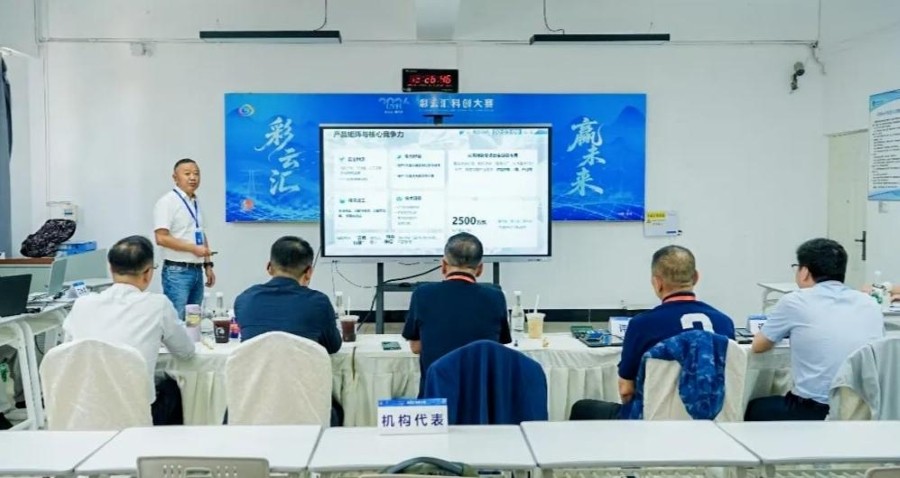
Yunnan Caiyunhui Innovation Competition Semifinals Conclude, Irradiation Technology Application Projects Debut
On July 29, the semifinals of the 2026 Caiyunhui Innovation Competition Yunnan Division, themed "Caiyunhui, Win the Future," concluded at Kunming City College. The semifinals covered five industry sectors: next-generation information technology, biomedicine, high-end equipment manufacturing, new materials, new energy, and energy conservation and environmental protection, with 301 enterprises from Yunnan Province advancing to the semifinals. In terms of participant composition, 111 enterprises were in next-generation information technology and 104 in biomedicine, with these two categories accounting for over 70% of the total semifinalists, making them the key tracks of this year's Yunnan Division. In the startup group, projects in next-generation information technology and biomedicine rose to 67%, reflecting that local science and technology innovation projects in Yunnan are extending from traditional industry tracks to emerging industry tracks.
2026-08-01