
Iranian Atomic Energy Organization Official Says Domestically Built Fusion Device Will Be Commissioned
 Scan to share
Recently, Iranian Vice President and Head of the Atomic Energy Organization of Iran (AEOI) Mohammad·Eslami revealed in a television interview that Iran has made significant progress in developing its first nuclear fusion system——a tokamak device——and emphasized that the device will be built entirely with 100% domestic technology. Eslami stated that he hopes the tokamak device will be successfully commissioned according to the scheduled timetable, which not only demonstrates Iran's achievements in exploring the technological frontier but also reflects its determination to keep pace with the world's technologically advanced countries.
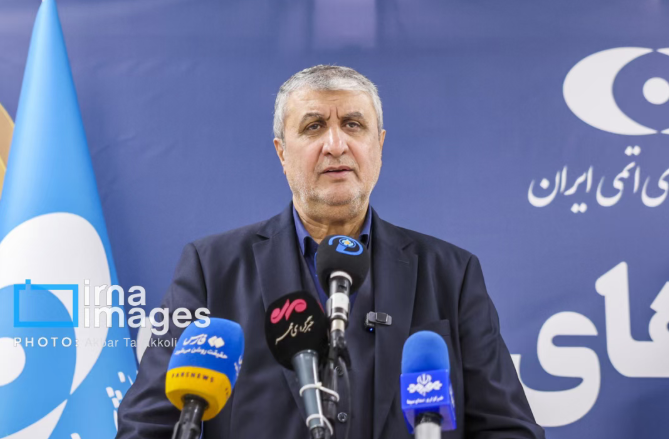
Regarding specific application prospects, Ali Norouzi, head of Iran Advanced Technologies Company, a subsidiary of the Atomic Energy Organization of Iran, explained that the radiation initially generated by the process can be applied to the manufacture of radiopharmaceuticals and advanced medical diagnostic systems, with the ultimate vision being to realize a fusion power generation system capable of continuously producing extremely high electric current without energy loss. However, industry analysis points out that the release of this Iranian fusion news has deep historical and geopolitical contexts.
Looking back at Iran's nuclear fusion development history, since the completion of its first tokamak, Alvand, in 1975, it has gone through key milestones including the gratuitous transfer of the Damavand device by Russia's Kurchatov Institute and China's delivery of the decommissioned HT-6B device. Since the launch of the "National Nuclear Fusion Project" in 2010, multiple Iranian universities and institutions have successively built medium-sized tokamak devices such as Alborz and Taban. Therefore, there remains some uncertainty as to which specific device the official reference to the "first 100% domestically produced" tokamak actually corresponds.
Analysts point out that against the backdrop of increasing pressure from international sanctions, Iran often demonstrates a hardline stance by announcing new achievements in the nuclear field. The statement that the fusion device will be commissioned on schedule comes at a time when verification has been interrupted following recent strikes on Iranian nuclear facilities and bilateral negotiations have reached a stalemate. Although officials claim it will proceed according to the scheduled timetable, since specific construction parameters, site selection, and a clear timetable have not been disclosed, the technical information density of this statement, compared with its actual political maneuvering intent, still needs further observation and verification.
Disclaimer: Information republished from partner media, institutions or other websites is provided for reference and communication purposes only. It does not imply endorsement of its views or verification of its accuracy. Please contact us if any content infringes rights or requires correction.