
South Korea's Key Nuclear Fusion Technology and Demonstration Facility Project Passes Review
 Scan to share
Recently, South Korea's nuclear fusion key technology development and demonstration infrastructure construction project passed the preliminary feasibility review of national R&D projects. The special program is scheduled to be implemented from 2027 to 2036, with a total investment of 1.4813 trillion won, of which the central government plans to bear 1.2877 trillion won, accounting for approximately 87% of the total. The funds will be used for key technology R&D for fusion reactors and the construction of demonstration facilities, with both tasks incorporated into the same ten-year implementation period.
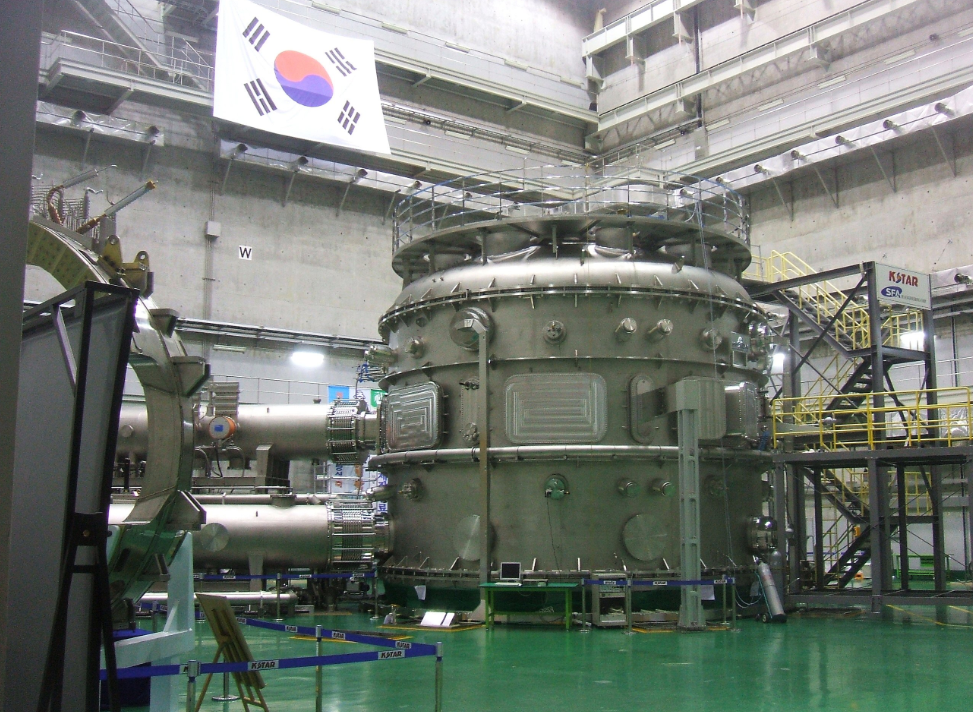
The R&D work will first focus on how to form and sustain plasma within a fusion reactor. The heating system is responsible for inputting energy into the plasma, the current drive system is used to sustain the plasma current, and the superconducting magnets provide the magnetic field required to confine the plasma. The special program will advance the R&D of these key technologies so that the relevant equipment can be tested under conditions close to actual fusion reactor operation.
The R&D scope also includes fusion reactor materials, breeding blankets, and the fuel cycle. Materials research needs to address thermal loads and neutron irradiation, while breeding blankets and the fuel cycle involve the breeding, recovery, and reuse of tritium. Incorporating these elements into the same special program provides conditions for verifying the performance of components under extreme operating conditions and evaluating the interfaces between different systems.
The proposed Fusion Energy Key Technology Demonstration Center will provide a test platform for the above-mentioned R&D. Facility construction will be advanced in parallel with technology development, and subsequent verification will focus on the operational performance of equipment and systems in a simulated fusion reactor environment. South Korea has already incorporated nuclear fusion into its layout of seven future strategic technologies, and the special program that passed the review this time will rely on the Demonstration Center to advance engineering verification of key technologies.
Disclaimer: Information republished from partner media, institutions or other websites is provided for reference and communication purposes only. It does not imply endorsement of its views or verification of its accuracy. Please contact us if any content infringes rights or requires correction.