

First Supercapacitor Pulsed Power Supply System of the HL-3 Upgrade Project Successfully Handed Over
On September 10, the 300MVA/3000MJ supercapacitor pulsed power supply system of the HL-3 upgrade project was successfully handed over. This is the first system of the project to complete handover, marking that the project construction is gradually transitioning from the equipment installation and subsystem static commissioning stage to the system joint commissioning stage, providing support for advancing fusion engineering. Zhang Libo, President and Deputy Secretary of the Party Committee of the Southwestern Institute of Physics, and Chen Qingchuan, Vice President, attended the handover ceremony. Zhang Libo stated at the ceremony that the completion of the handover of the first system is the result of collaborative efforts by all participating units, accumulating experience and creating conditions for subsequent system joint commissioning. All parties will continue to consolidate responsibilities and advance key milestones on schedule....
2026-09-12
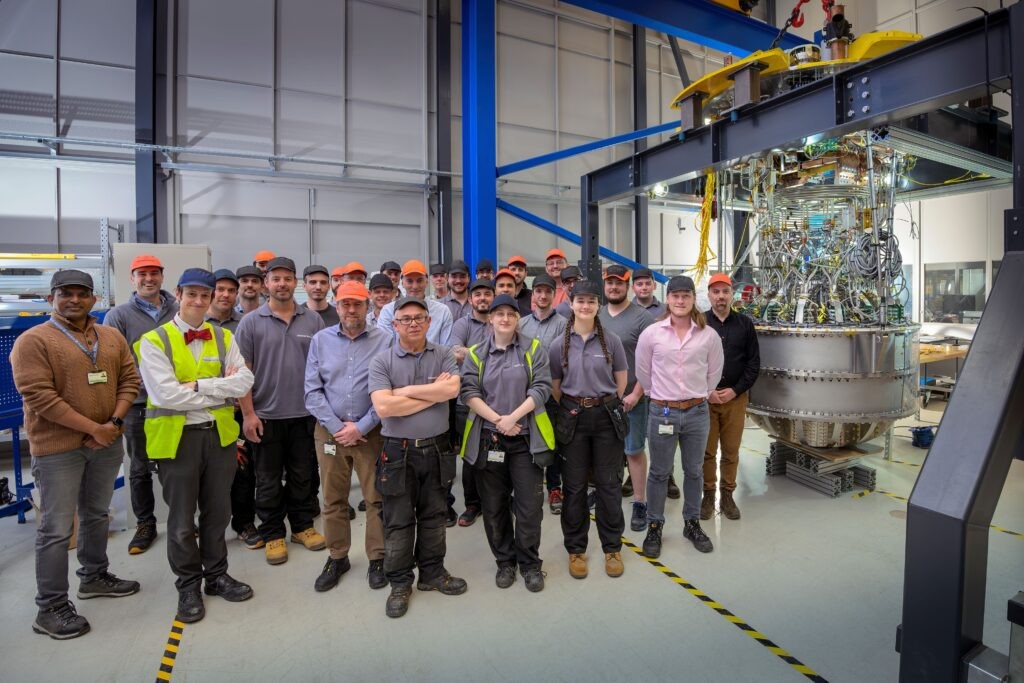
UK Tokamak Energy completes testing of Demo4 fusion high-temperature superconducting magnet system
On September 9, 2026, Tokamak Energy of the UK announced the completion of a 14-month testing campaign for its Demo4 fusion magnet system, validating the company's capabilities in the design, manufacture, integration, and operation of complete high-temperature superconducting (HTS) magnet systems. The technical experience gained from Demo4 testing is now being applied to the collaboration between Tokamak Energy and UK Fusion Energy (UKFE), supporting the development of HTS magnet systems for the Spherical Tokamak for Energy Production (STEP) fusion program. The results also target HTS commercial applications beyond fusion, and...
2026-09-09
Japan Selects Four Companies for Fusion Power Program
Japan's Ministry of Economy, Trade and Industry (METI) has conditionally selected EX-Fusion, Helical Fusion, Linea Innovation, and Starlight Engine to participate in a fusion program targeting reactor operation in the 2030s. The program will provide approximately $370 million, equivalent to around €318 million, in subsidies to selected projects by the end of February 2029. Specific funding allocations are still subject to formal grant decisions. The support corresponds to commitments in Japan's 2023 fusion strategy, which sets out the goal of achieving fusion power in the 2030s...
2026-09-07
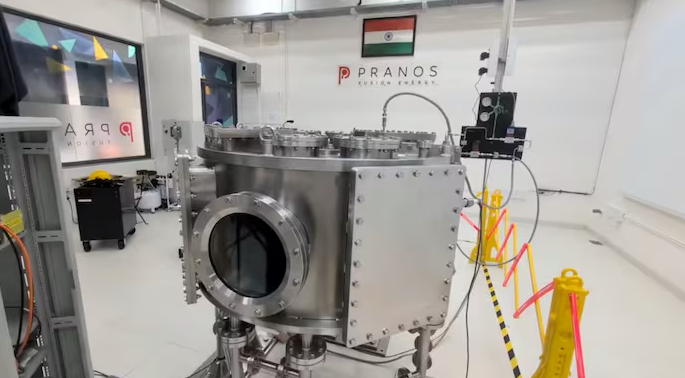
India's Private Fusion Tokamak PRAGYA Achieves Plasma Operation
Bengaluru-based deep-tech energy startup Pranos Fusion has produced plasma in its experimental device PRAGYA. The company states that PRAGYA is India's first compact tokamak developed by a private enterprise, marking a transition in India's private fusion research and development from the design and manufacturing phase to experimental operation. PRAGYA adopts a compact, low-aspect-ratio tokamak design, primarily used to generate, confine, and control plasma. Tokamaks use strong magnetic fields to confine high-temperature plasma within a toroidal vacuum vessel, creating conditions for future fusion of light atomic nuclei. The fundamental process of fusion reactions is the same mechanism by which the Sun releases energy, but engineering implementation still faces multiple challenges in plasma confinement, magnets, materials, and control systems.
2026-09-04

U.S. University Establishes Fusion Energy Seed Fund to Support Four Interdisciplinary Research Projects
The Institute for Fusion Studies at The University of Texas at Austin recently launched a fusion energy seed fund to support four interdisciplinary research projects. These projects will bring together teams from plasma physics, engineering, and computational science to address challenges in control, materials, particle confinement, and edge plasma simulation faced by fusion devices such as tokamaks. The fund is supported by the Institute for Fusion Studies (IFS), the Oden Institute for Computational Engineering ...
2026-09-01
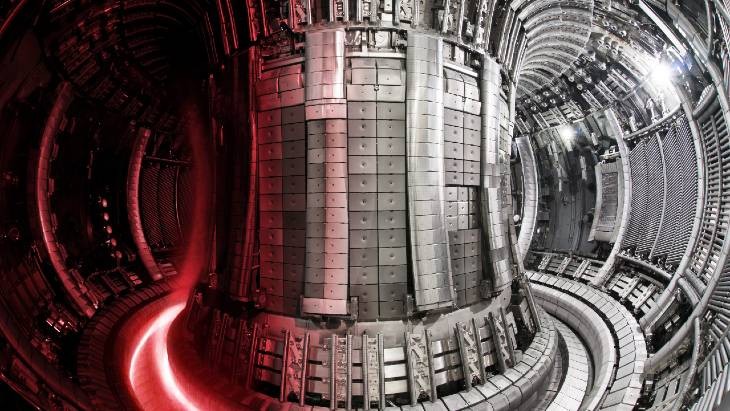
UK JET Decommissioning Project to Trial Asset-Based Decommissioning Approach
The JET Decommissioning and Repurposing (JDR) project recently announced that it will trial an asset-based decommissioning approach in three areas of the JET facility during the next phase of work. These areas were once part of the power supply infrastructure during JET plasma operations. This trial work will support the overall development of the Culham Campus and, in conjunction with the Strategic Investment and Development for Energy and AI (STRIDE) programme, facilitate land remediation to create conditions for the installation of a fourth supergrid transformer. JDR has signed a contract with Ramco UK to undertake the relevant trial work. JDR Engineering Integration Manager Steve...
2026-08-28
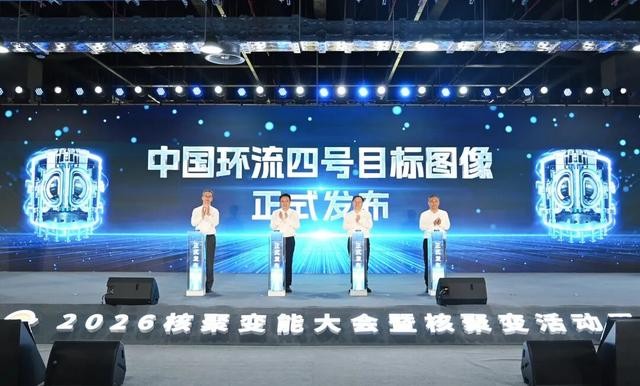
Target Image of "Artificial Sun" China Huanliu-4 Released
The 2026 Fusion Energy Conference and Fusion Energy Week opened in Shanghai on the 25th. The target image of the "Artificial Sun" China Huanliu-4 was released at the opening ceremony. China Huanliu-4 is a fourth-generation magnetic confinement fusion large-scale scientific experimental device and the world's first high-temperature superconducting strong-field steady-state burning experimental platform. It will systematically verify the reliability of high-temperature superconducting strong-field magnets in complex fusion environments, demonstrate full-domain intelligent control of fusion reactors, and achieve long-duration steady-state operation of the device. Fusion energy is an important direction for the future development of human energy, and major countries around the world are competing to position themselves in the new track of fusion energy. Zhang Guangjun, Vice Minister of Science and Technology, pointed out on the same day that the 15th Five-Year Plan will incorporate controlled nuclear fusion as a future energy technology into key directions for energy innovation development, and list controlled nuclear fusion as a major national frontier science and technology project.
2026-08-26

U.S. Research Reveals Diamond Melting Mechanism at High Pressure, Potentially Enhancing Inertial Confinement Fusion Performance
A research team at Lawrence Livermore National Laboratory (LLNL) in the U.S. recently published a study in Nature Physics reporting that the latest dynamic compression experiments have, for the first time, directly recorded atomic structural changes during diamond melting under extreme high pressure. The experiments showed that under high-pressure conditions, solid diamond can float in liquid metallic carbon, similar to ice floating on water. Diamond is not only a high-hardness carbon material but is also used as the fuel target capsule shell in inertial confinement fusion experiments. When intense lasers drive the capsule implosion, the compression and melting behavior of the diamond shell can affect whether the fusion fuel reaches the required high-temperature, high-pressure state. Meanwhile, the planetary science community has long focused on the high-pressure behavior of carbon in the deep interiors of ice giant planets...
2026-08-26
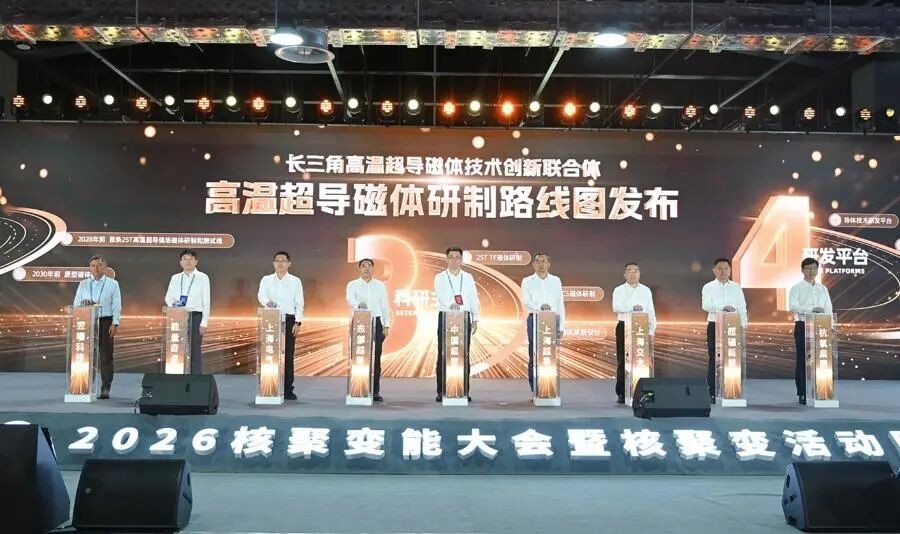
China's Huanliu-4 High-Temperature Superconducting Magnet Development Roadmap Clarified
On August 25, during the 2026 Fusion Energy Conference and Fusion Energy Activity Week, the Yangtze River Delta Innovation Consortium, led by China Fusion Energy Co., Ltd., has clarified its development targets for high-temperature superconducting high-field tokamak magnets: to build the first 25T high-temperature superconducting high-field magnet development and testing line by 2028, and to complete prototype magnet development by 2030. The consortium is led by China Fusion Energy Co., Ltd., with members including Shanghai Superconductor, Eastern Superconductor, Shanghai Jiao Tong University, Shanghai Electric Nuclear Power Group, Chaoci Xinneng, Energy Singularity, Hangyang Group, and Yixi Technology. The consortium will focus on building high-temperature superconducting high-field tokamak magnet development capabilities and engineering technology systems to provide key technical support for the subsequent construction of China's Huanliu-4.
2026-08-26

US Pacific Fusion Breaks Ground on $1 Billion Fusion Facility in New Mexico
On August 25, local time, Pacific Fusion launched construction of a research and manufacturing campus in Albuquerque, New Mexico, USA. The project involves an investment of approximately $1 billion and will be used to build the company's fusion demonstration system, with goals including achieving net facility gain and producing high-yield fusion energy pulses. The campus is located in the Mesa del Sol area of Albuquerque. According to Pacific Fusion's plan, the demonstration system aims to achieve net energy gain at the facility level by 2030, meaning the fusion device outputs more energy than the total energy initially stored in the equipment. The company stated that if this goal is achieved, it will mark a significant technological milestone in the commercialization of fusion energy...
2026-08-26
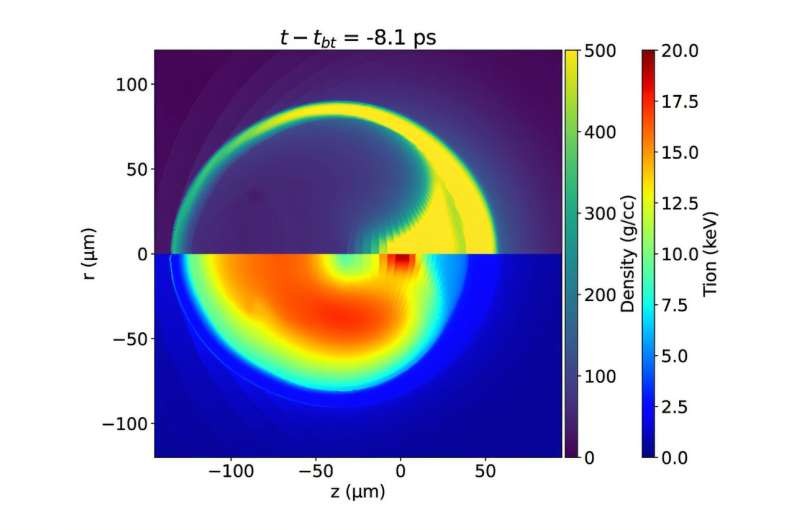
US Study Shows Inertial Fusion Implosions Can Tolerate Certain Asymmetries
Researchers at the Lawrence Livermore National Laboratory (LLNL) in the US have recently found that implosion designs for inertial fusion energy (IFE) can withstand considerable imperfections before performance degrades sharply. This result aids in the design of fuel targets for future fusion power plants, particularly in assessing the tolerance of target capsules to errors under high-frequency injection and laser-driven conditions. The study's simulation results show the density (top) and temperature (bottom) at the instant just before fusion reactions peak in an asymmetric implosion. The hottest spot coincides with the point of highest fuel density, indicating direct ignition of high-density fuel jets driven by asymmetry. The image was recently selected for the cover of Physics of Plasmas...
2026-08-25
Expansion Project Advances at Centrus Energy's Uranium Enrichment Facility in Piketon, Ohio
Centrus Energy said on August 24 that Ohio Governor Mike DeWine, Lieutenant Governor Jim Tressel, JobsOhio CEO J.P. Nauseef, along with state, federal, and local stakeholders, visited the company's uranium enrichment facility in Piketon, Ohio, to discuss the development of the U.S. domestic nuclear fuel supply chain and Ohio's role in it. In September 2025, Centrus Energy announced a multi-billion-dollar expansion of the Piketon uranium enrichment plant. Currently, the expansion...
2026-08-25
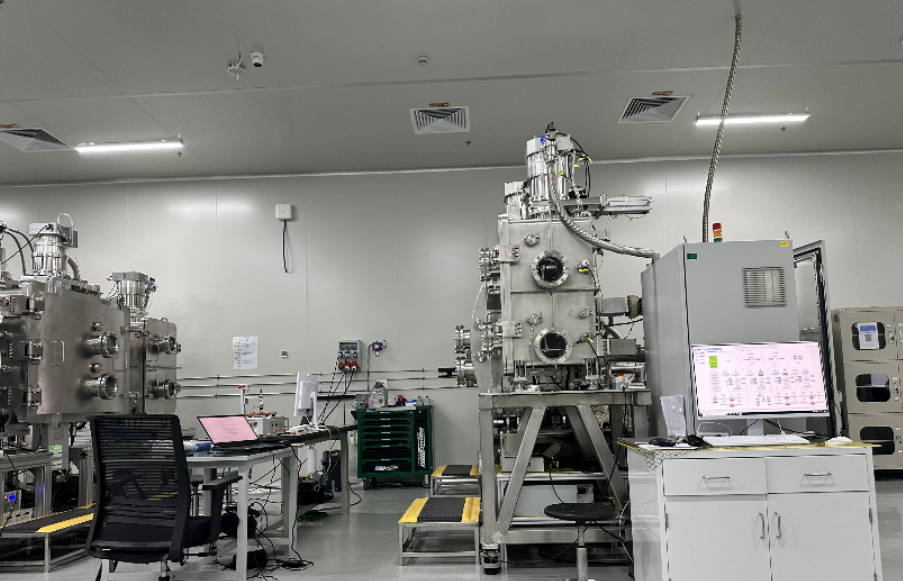
Beijing's First Second-Generation High-Temperature Superconducting Tape Mass Production Line Project Approved
Recently, the second-generation high-temperature superconducting tape R&D and production project invested in by Energy Singularity Superconducting Technology (Beijing) Co., Ltd., a wholly-owned subsidiary of Energy Singularity, was officially approved for project initiation in the Daxing section of the Airport Economic Zone. Once completed and put into operation, the project will establish Beijing's first mass production line for second-generation high-temperature superconducting tape. According to reports, the project plans to build three production lines for rare-earth barium copper oxide (ReBCO) high-temperature superconducting tape based on the pulsed laser deposition (PLD) process route, achieving an annual output of 1,200 kilometers of high-temperature superconducting tape in the 12 mm width specification. High-temperature superconducting tape is a key raw material for manufacturing high-temperature superconducting magnets. In tokamak devices, high-temperature superconducting tape accounts for approximately...
2026-08-24
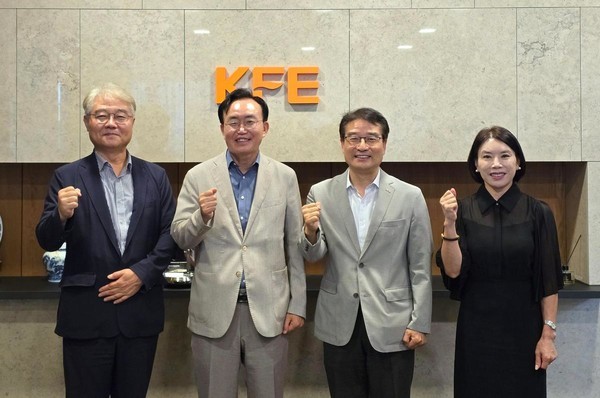
Naju City, Korea Proposes Construction of National Fusion Energy Center
Naju City, Korea recently proposed the concept of building a national-level fusion energy center, planning to use the locally planned artificial sun research facility as a foundation to connect the entire process of fusion energy from basic research, demonstration and validation, to power generation and industrialization. On August 21, Naju City Mayor Yoon Byung-tae visited the Korea Institute of Fusion Energy (KFE) and met with its President Oh Young-kuk. Yoon proposed that Naju City would strive to host the fusion demonstration reactor (DEMO) linked to the artificial sun research facility, while promoting the construction of a government-led comprehensive fusion energy research base and industrial cluster, and applying for the designation of a specialized fusion energy...
2026-08-22
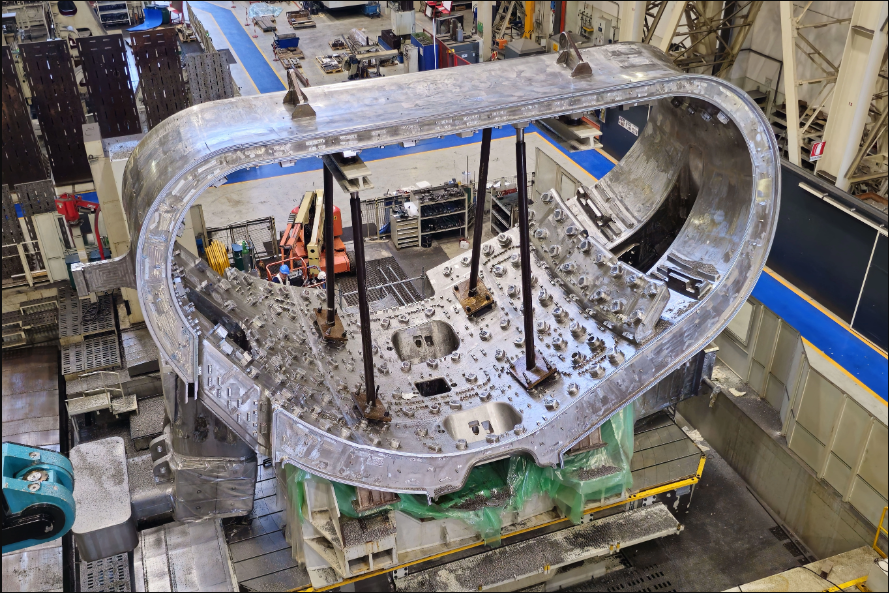
ITER vacuum vessel assembly in France progresses steadily, with five European sectors at different critical stages
The vacuum vessel assembly work for the International Thermonuclear Experimental Reactor (ITER) project in southern France is progressing steadily. As the core component of the ITER tokamak device, the vacuum vessel will contain the plasma confined by superconducting magnets, serving as the critical space where fusion reactions occur. This stainless steel ring-shaped structure weighs approximately 5,200 tonnes in total, measures 19.4 meters in diameter, and consists of nine sectors, five of which are manufactured by Europe. The European Fusion for Energy organization (F4E), together with the AMW consortium comprising Ansaldo Nucleare, Westinghouse Electric Italy, and Walter Tosto Company, is responsible for the related manufacturing work.
2026-08-21

Russia Plans to Build New Tokamak Device Using Reactor Technologies
Alexey Likhachev, Director General of Rosatom, recently stated at a nuclear energy development conference that Rosatom is collaborating with the Kurchatov National Research Centre to build a new tokamak device using reactor technologies. Likhachev said that fusion energy technology is one of the key directions for Russia's nuclear energy development. Currently, the European Union, the United States, the United Kingdom, and China are all advancing related projects, and technological competition in the field of controlled thermonuclear fusion continues to intensify. Russia hopes to use this project to maintain its technological leadership in this knowledge-intensive nuclear energy sector.
2026-08-21
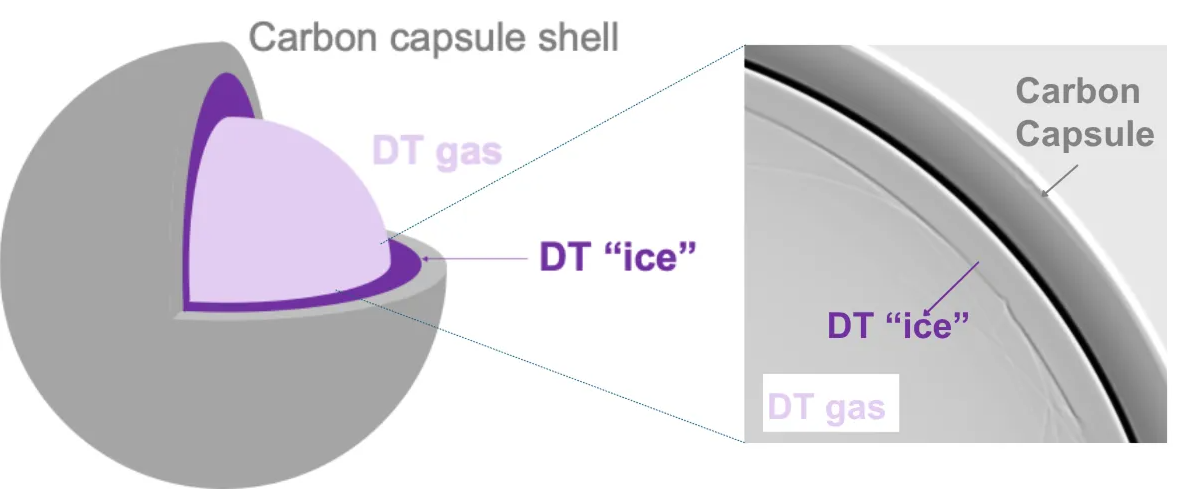
US Inertia Fusion Fuel Preparation Time Significantly Reduced
US fusion startup Inertia Enterprises said it has made progress in inertial fusion energy fuel preparation in collaboration with Lawrence Livermore National Laboratory (LLNL), reducing the time required for the critical step of forming a cryogenic deuterium-tritium fuel layer from potentially several days in the past to tens of minutes. The company said this achievement completes a key task in the first phase of its commercial fusion power plant development goals. The fundamental approach of inertial fusion energy involves using high-energy lasers to compress and heat small targets containing deuterium-tritium fuel, bringing the fuel to ignition conditions and releasing energy. The National Ignition Facility (NIF) has already...
2026-08-21
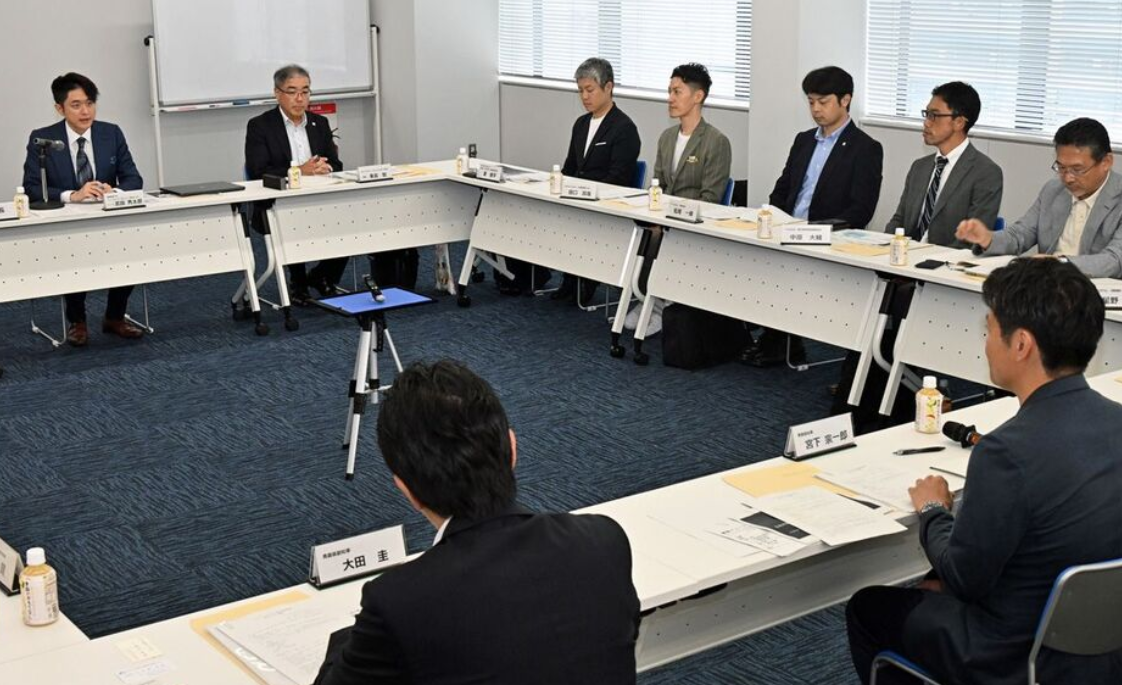
Aomori Prefecture in Japan to Apply as Candidate Site for Nuclear Fusion Power Generation Demonstration Facility
On August 19, Soichiro Miyashita, Governor of Aomori Prefecture, stated that the prefecture will apply as a candidate site for a nuclear fusion power generation demonstration facility once relevant preparatory work is completed. Starlight Engine, a Japanese nuclear fusion startup, is currently soliciting candidate sites from prefectures and government-designated cities, with plans to conduct field surveys of promising candidates as early as this autumn. Starlight Engine plans to finalize the construction site by 2028, launch the FAST nuclear fusion power generation demonstration project in 2035, and conduct power generation demonstrations in 2038. The application deadline for site selection is October. Aomori Prefecture stated that it will consult with Rokkasho Village and, after preparing the application documents, formally submit the application.
2026-08-20
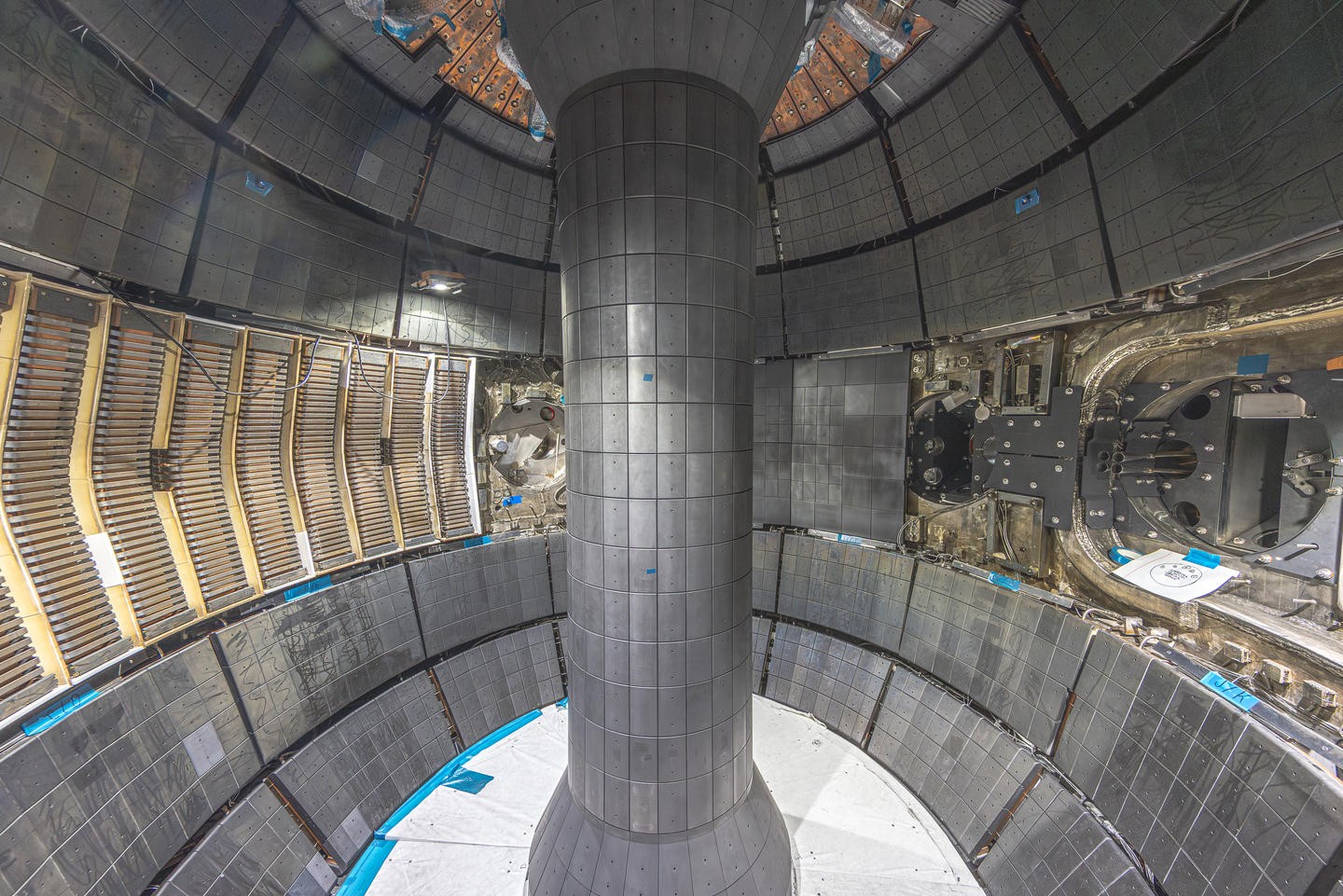
Princeton Plasma Physics Laboratory to Validate Spherical Tokamak Fusion Path with NSTX-U
The Princeton Plasma Physics Laboratory (PPPL) is advancing research on the National Spherical Torus Experiment-Upgrade (NSTX-U), planning to use this largest spherical tokamak in the United States to assess the potential of compact tokamak configurations for future fusion power plants. The device is designed to become one of the most powerful spherical tokamaks in the world and will be used to study key issues such as high-temperature plasma confinement, heat transport, material performance, and real-time control. The image above shows the vacuum vessel and center column of the NSTX-U at the Princeton Plasma Physics Laboratory (PPPL). This device will help scientists determine the optimal shape for future fusion power plants...
2026-08-20
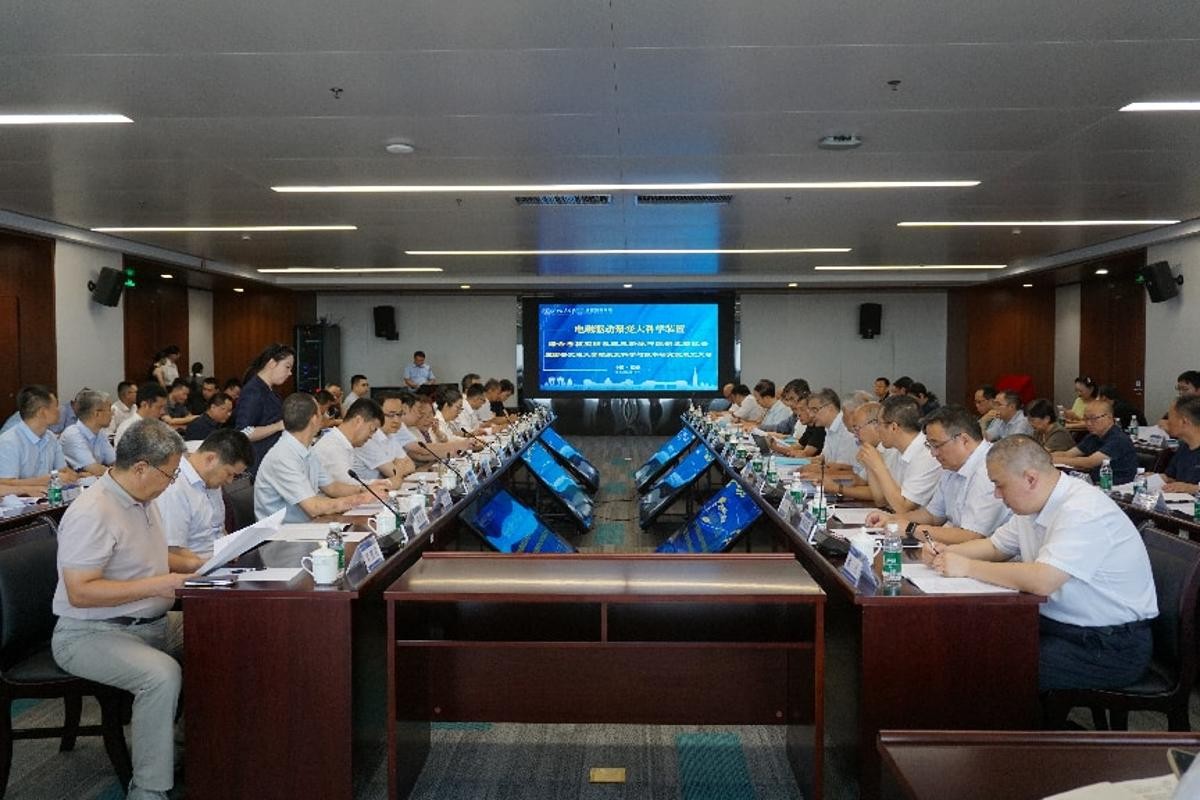
Single-Channel Pulse Source of Electromagnetic-Driven Fusion Large Scientific Facility Passes Acceptance
On August 16, the test and acceptance meeting for the single-channel pulse source of the comprehensive assessment experimental system of the electromagnetic-driven fusion large scientific facility, along with the inauguration ceremony of the Institute of Nuclear Fusion Science and Technology at Xi'an Jiaotong University, was held at the China Western Science and Technology Innovation Harbor. During the meeting, the single-channel pulse source of the comprehensive assessment experimental system passed testing and acceptance, and the Institute of Nuclear Fusion Science and Technology at Xi'an Jiaotong University was officially inaugurated. Before the meeting, attending experts and guests inspected the single-channel pulse source experimental system. During the acceptance session, the project team presented the overall status of the electromagnetic-driven fusion large scientific facility, the development progress of the single-channel pulse source, and the test verification results. The expert panel discussed the...
2026-08-18

Russia to Develop General Safety Rules for Controlled Thermonuclear Fusion Facilities
The Federal Environmental, Industrial and Nuclear Supervision Service of Russia (Rostekhnadzor) has completed the development of the draft federal norms and rules in the field of atomic energy use, "General Provisions for Ensuring the Safety of Controlled Thermonuclear Fusion Facilities," and has been soliciting comments and suggestions on the results of the draft review since August 17, 2026, with a feedback deadline of September 17, 2026. According to the draft, the document applies to controlled thermonuclear fusion facilities equipped with thermonuclear reactors or thermonuclear devices. The scope of application includes thermonuclear devices with a neutron production intensity exceeding 10²⁰ neutrons per second, or, in pulsed operation with a single pulse of less than 1 second, exceeding 10²⁰ neutrons per pulse, as well as...
2026-08-17
Reading Ranking
- 1 UK Tokamak Energy completes testing of Demo4 fusion high-temperature superconducting magnet system
- 2 First Supercapacitor Pulsed Power Supply System of the HL-3 Upgrade Project Successfully Handed Over
- 3 Beijing's First Second-Generation High-Temperature Superconducting Tape Mass Production Line Project Approved
- 4 Dong Baotong, Director of the National Nuclear Safety Administration: China's nuclear safety level remains among the top internationally, and during the "15th Five-Year Plan" period, the number of operating nuclear power units in China will rank first in the world
- 5 U.S. University Establishes Fusion Energy Seed Fund to Support Four Interdisciplinary Research Projects
- 6 Target Image of "Artificial Sun" China Huanliu-4 Released
- 7 China's Huanliu-4 High-Temperature Superconducting Magnet Development Roadmap Clarified
- 8 StarRing Fusion Completes RMB 880 Million Series A++ Financing to Advance Fusion Device and Key Technology Engineering
- 9 US Pacific Fusion Breaks Ground on $1 Billion Fusion Facility in New Mexico
- 10 Chinese Team Achieves Full Technical Chain Integration in Wall Treatment for the World's Largest "Artificial Sun"
- 11 Two IPP studies reveal edge turbulence mechanisms in fusion plasmas from first principles
- 12 Princeton Plasma Physics Laboratory to Validate Spherical Tokamak Fusion Path with NSTX-U
- 13 IAEA Launches New Project to Advance Research Network on Small and Medium-Sized Fusion Devices
- 14 US Study Shows Inertial Fusion Implosions Can Tolerate Certain Asymmetries
- 15 Key Breakthroughs Achieved in Development of Core Equipment for BEST Compact Fusion Energy Test Facility