
Beijing's First Second-Generation High-Temperature Superconducting Tape Mass Production Line Project Approved
 Scan to share
Recently, the second-generation high-temperature superconducting tape R&D and production project invested in by Energy Singularity Superconducting Technology (Beijing) Co., Ltd., a wholly-owned subsidiary of Energy Singularity, was officially approved for project initiation in the Daxing section of the Airport Economic Zone. Once completed and put into operation, the project will establish Beijing's first mass production line for second-generation high-temperature superconducting tape.
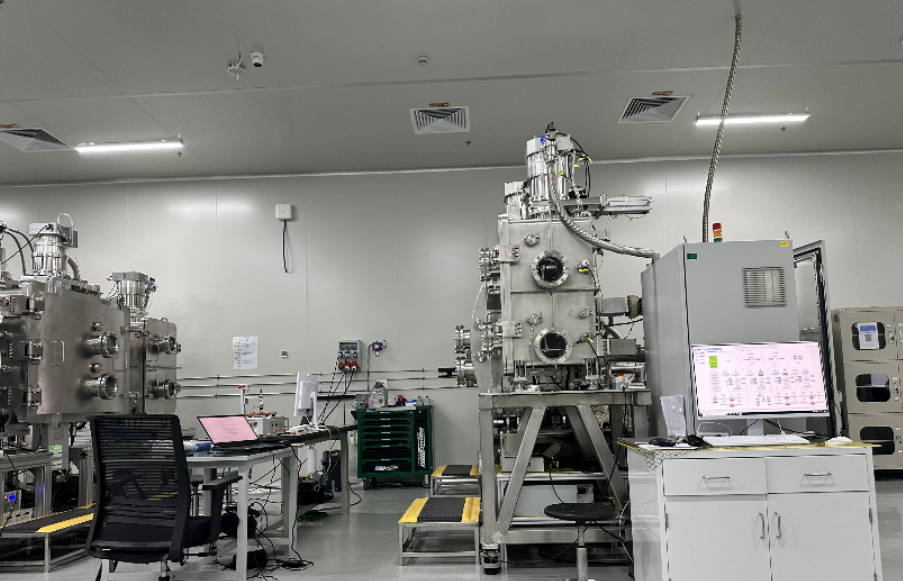
According to reports, the project plans to build three production lines for rare-earth barium copper oxide (ReBCO) high-temperature superconducting tape based on the pulsed laser deposition (PLD) process route, achieving an annual output of 1,200 kilometers of high-temperature superconducting tape in the 12 mm width specification.
High-temperature superconducting tape is a key raw material for manufacturing high-temperature superconducting magnets. In tokamak devices, high-temperature superconducting tape accounts for approximately two-thirds of the total cost of the magnet system and about 20% of the overall cost of the tokamak device. Advancing the independent R&D and production of high-temperature superconducting tape will help reduce the manufacturing costs of superconducting magnets and tokamak devices.
According to the project plan, the relevant production capacity will serve the next-generation device "Honghuang 170" currently under development by Energy Singularity, with an expected self-sufficiency rate of approximately 50% for high-temperature superconducting tape, providing support for the autonomous and controllable key supply chain.
Disclaimer: Information republished from partner media, institutions or other websites is provided for reference and communication purposes only. It does not imply endorsement of its views or verification of its accuracy. Please contact us if any content infringes rights or requires correction.