
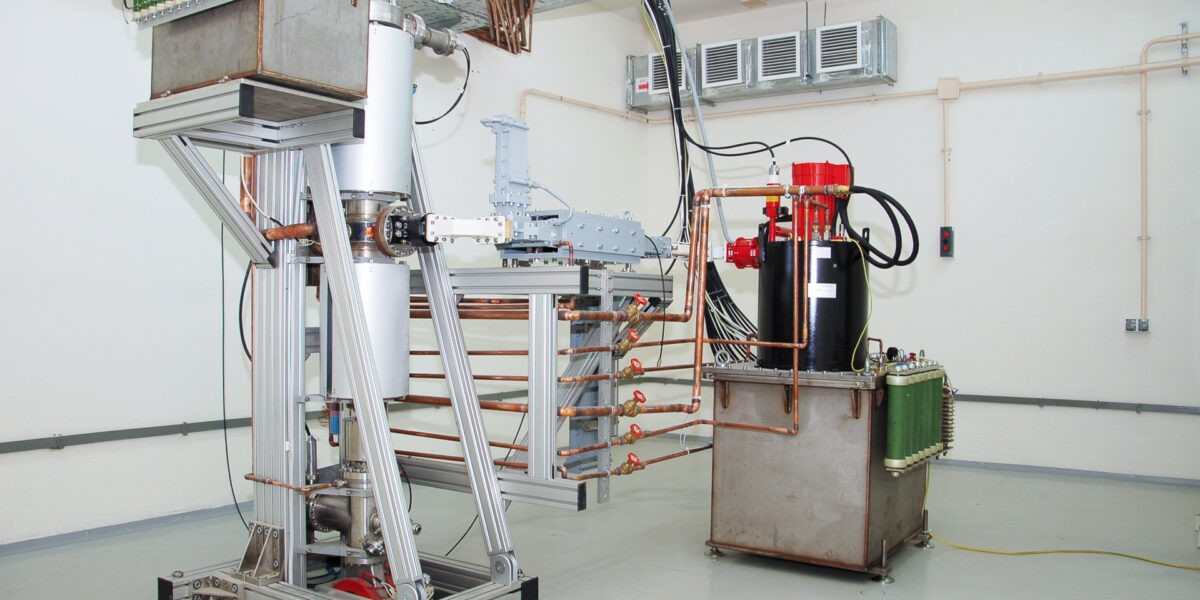
Russian Research Team Synthesizes Novel Metal-Organic Framework Material Capable of Immobilizing Radioactive Cesium
The Frumkin Institute of Physical Chemistry and Electrochemistry of the Russian Academy of Sciences has synthesized a novel metal-organic framework material containing neptunium and cesium atoms. Research shows that this material is insoluble in water, resistant to high temperatures and intense radiation, and can stably "lock" radioactive cesium within its own structure, offering new insights for research on radionuclide immobilization and radioactive waste treatment materials. Metal-organic framework materials are a class of materials with high porosity and controllable crystal structures, whose lattices are typically composed of metal atoms connected by organic molecules. Since their pore sizes and structures can be tuned at the molecular level, these materials can be used to adsorb gases or specific nuclides. However, compared with traditional adsorbents such as activated carbon...
2026-09-04

New Monitoring Well Characterizes Hexavalent Chromium Plume at Los Alamos National Laboratory
LOS ALAMOS, New Mexico — The U.S. Department of Energy Environmental Management Los Alamos Field Office continues to advance characterization efforts for the hexavalent chromium plume at Los Alamos National Laboratory to inform future remediation alternative selection. According to reports, its legacy cleanup contractor, Newport News Nuclear BWXT-Los Alamos LLC, has completed drilling of a new groundwater monitoring well. Designated R-80, the well reaches approximately 1,030 feet below ground surface and will be used to further characterize the northeastern extent of the hexavalent chromium plume and evaluate different remediation alternatives. Completion of this monitoring well also marks the achievement of a Fiscal Year 2026 consent order milestone for the hexavalent chromium remediation project...
2026-09-02

Demolition Begins on Contaminated Buildings in Isotope Area at Oak Ridge National Laboratory
The Oak Ridge Environmental Management Office in Tennessee recently initiated demolition of a group of highly contaminated buildings in the Isotope Area at Oak Ridge National Laboratory. Located in the laboratory's central campus, this area is considered one of the more challenging sites in the local cleanup effort. The Isotope Area comprises 10 facilities, constructed between the late 1940s and early 1960s, which once served the laboratory's isotope program. These facilities were used for decades in the production, processing, and research of chemical elements for medical, industrial, and scientific applications. As the laboratory evolved, the facilities were taken out of service in the early 1990s but remained standing. According to reports, the area retains contaminated...
2026-09-02

Russian Academy of Sciences Reveals Mechanism of Microbial Bioremediation Reducing Actinide Content in Groundwater
September 1, 2026 news: Researchers from the Vernadsky Institute of Geochemistry and Analytical Chemistry of the Russian Academy of Sciences, in collaboration with the Frumkin Institute of Physical Chemistry and Electrochemistry of the Russian Academy of Sciences and other institutions, studied the biogeochemical mechanisms affecting the distribution of actinides such as uranium, plutonium, and neptunium during bioremediation of nitrate-contaminated groundwater. Radionuclide-contaminated groundwater is a significant environmental issue in areas associated with nuclear fuel cycle facilities. Long-lived actinides such as uranium, plutonium, and neptunium, once released into the environment, can migrate over considerable distances with groundwater. Bioremediation, which alters geochemical conditions by stimulating natural microbial processes in the subsurface environment, is considered a potential approach for remediating contaminated zones...
2026-09-02
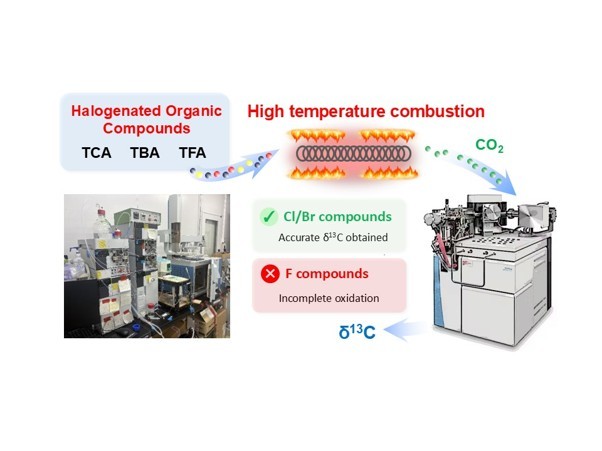
Japanese Team Develops High-Temperature, High-Pressure Isotope Ratio Analysis Method for Tracing Halogenated Pollutants
Researchers from Shibaura Institute of Technology (SIT) and the National Institute of Advanced Industrial Science and Technology (AIST) in Japan have collaboratively developed a customized high-temperature, high-pressure combustion interface for liquid chromatography-isotope ratio mass spectrometry (LC-IRMS), enabling carbon stable isotope ratio (δ¹³C) analysis of various halogenated organic compounds. The research findings were published online on August 2, 2026, and will appear in Volume 1421 of Analytica Chimica Acta, scheduled for release on November 1, 2026. Source of the new high-temperature, high-pressure LC-IRMS system: Professor Hiroto Kawashima, SIT, Japan. Halogenated organic compounds are widely present in disinfection byproducts, pesticides, refrigerants, and industrial chemicals, some of which exhibit persistence, bioaccumulation, and toxicity. Traditional environmental monitoring primarily relies on concentration measurements, which makes it difficult to directly provide information on pollutant sources and environmental transformation processes. δ¹³C analysis can offer clues for studying chemical sources, production processes, and environmental fate, but organic pollutants containing strong carbon—chlorine or carbon—fluorine bonds are difficult to fully oxidize under conventional LC-IRMS combustion conditions, limiting the application of this technique.
2026-09-02
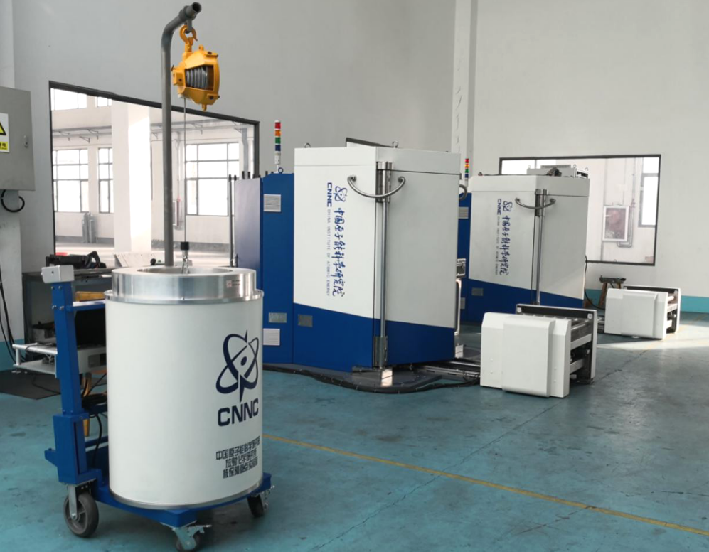
CIAE Neutron Measurement Patent for Nuclear Waste Wins China Patent Excellence Award
On August 28, the results of the 26th China Patent Award, the highest government honor in China's intellectual property field, were announced. The invention patent for the calibration method of a neutron measurement device for drummed nuclear waste, completed by Zhu Liqun, Senior Engineer, and Xu Xiaoming, Associate Researcher, from the Department of Radiochemistry at the China Institute of Atomic Energy (CIAE), won the China Patent Excellence Award. Since 2020, CIAE has won the China Patent Award for six consecutive sessions, securing a total of 11 awards including 2 gold and 1 silver medals, further demonstrating the institute's formidable strength in technological innovation and intellectual property. The calibration method invention patent for the neutron measurement device for drummed nuclear waste has achieved multiple world firsts...
2026-08-29
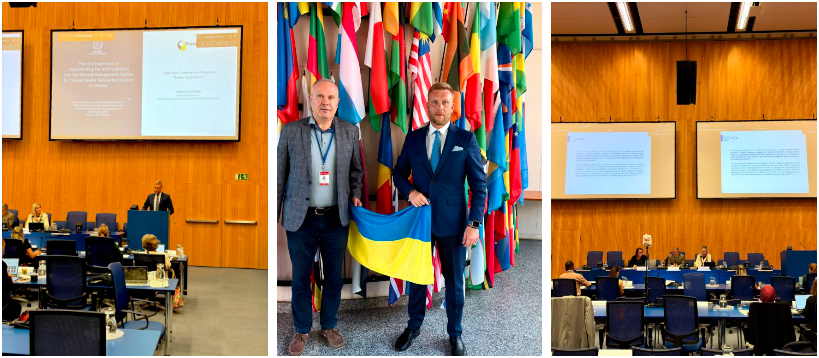
IAEA Technical Meeting on Indicators for the Management of Disused Ionizing Radiation Sources
From 24 to 28 August 2026, a technical meeting was held at the IAEA headquarters, focusing on indicators for the status of disused ionizing radiation sources and their application in sustainable management. The meeting emphasized how these indicators can serve as measurement tools to support countries in the long-term, safe, and traceable management of disused radiation sources. The Ukrainian delegation participated in the meeting, including Oleksii Zhyvotenko, Head of the Department for Production and Technical Issues and Radioactive Material Management at the "Radon" Association of the National Academy of Sciences of Ukraine, as well as representatives of the central nuclear power plant management. During the meeting, the Ukrainian side delivered a presentation on the practical experience of integrating key IAEA indicators into Ukraine's national management system for disused ionizing radiation sources.
2026-08-28

Symposium on Marine Radiation Monitoring and Emergency Response Technology Exchange Successfully Held
To further enhance the technical support capability for marine radiation environment monitoring and promote scientific research innovation and practical application in marine radiation monitoring and emergency response, the National Marine Environmental Monitoring Center (hereinafter referred to as the Marine Center) recently conducted a technical exchange with the Jinan Zhongke Nuclear Technology Research Institute. The two sides engaged in comprehensive discussions on technology development, equipment application, data analysis, and standards development, focusing on the new situation and new requirements facing marine radiation environmental safety. The Marine Center systematically presented its operational system, technical capabilities, and practical experience in the field of marine radiation monitoring and emergency response. The Jinan Zhongke Nuclear Technology Research Institute highlighted its core...
2026-08-27
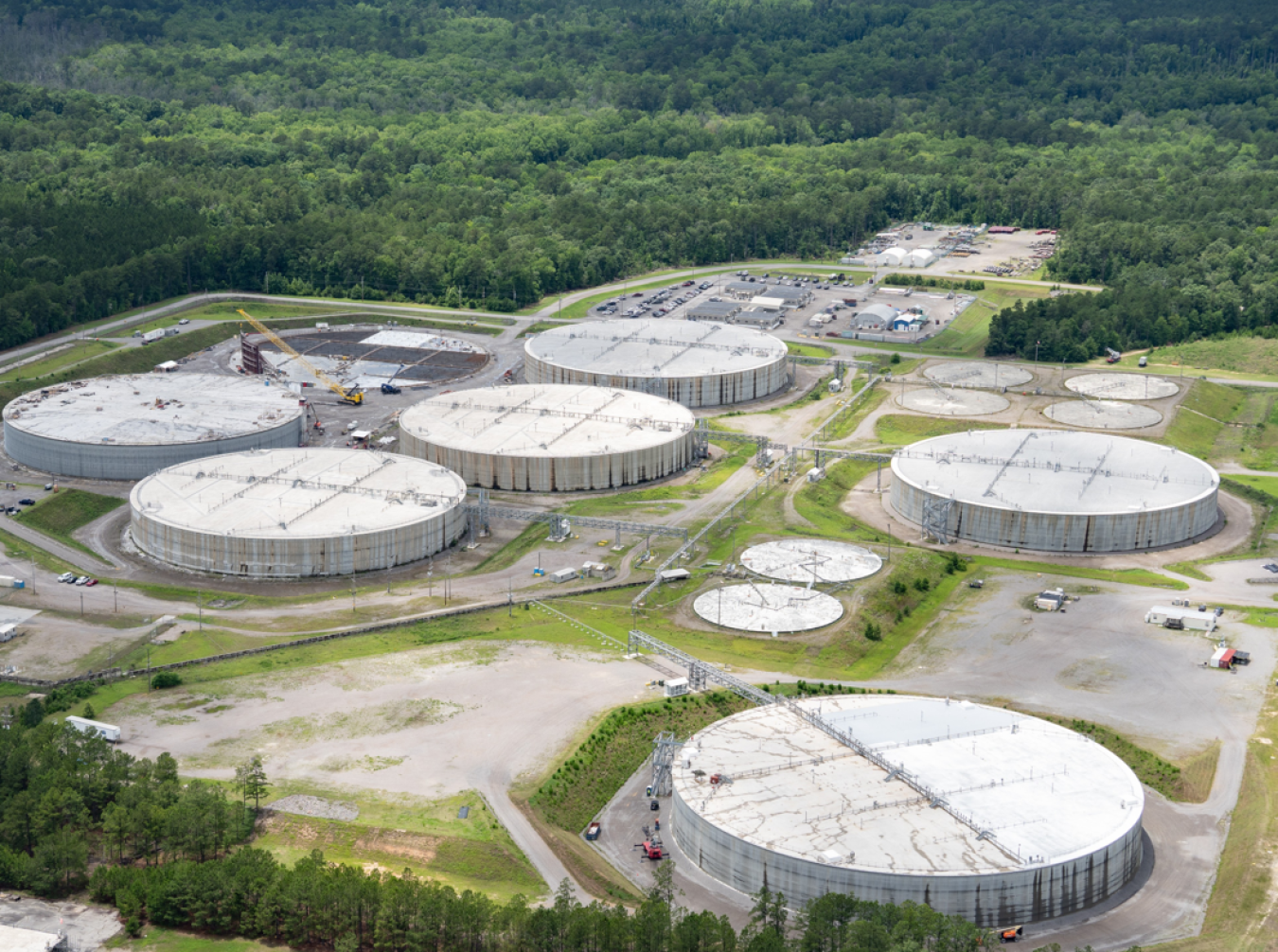
Fifth Mega Saltstone Disposal Unit Approved for Operation at U.S. Savannah River Site
The U.S. Department of Energy Office of Environmental Management announced on August 25 that it has approved the operation of the fifth mega saltstone disposal unit at the Savannah River Site in Aiken, South Carolina. Designated as SDU 10, the facility will receive purified material for final disposal, marking a new milestone in the site's cleanup program. According to reports, SDU 10 completed construction in June 2024, nearly 10 months ahead of schedule. Its leak-tightness testing was completed in December 2025, and the test results verified that the unit can safely store up to 33 million gallons of purified, solidified salt solution generated at the Savannah River Site. Saltstone disposal units are the end-stage facilities in the salt waste treatment process.
2026-08-26
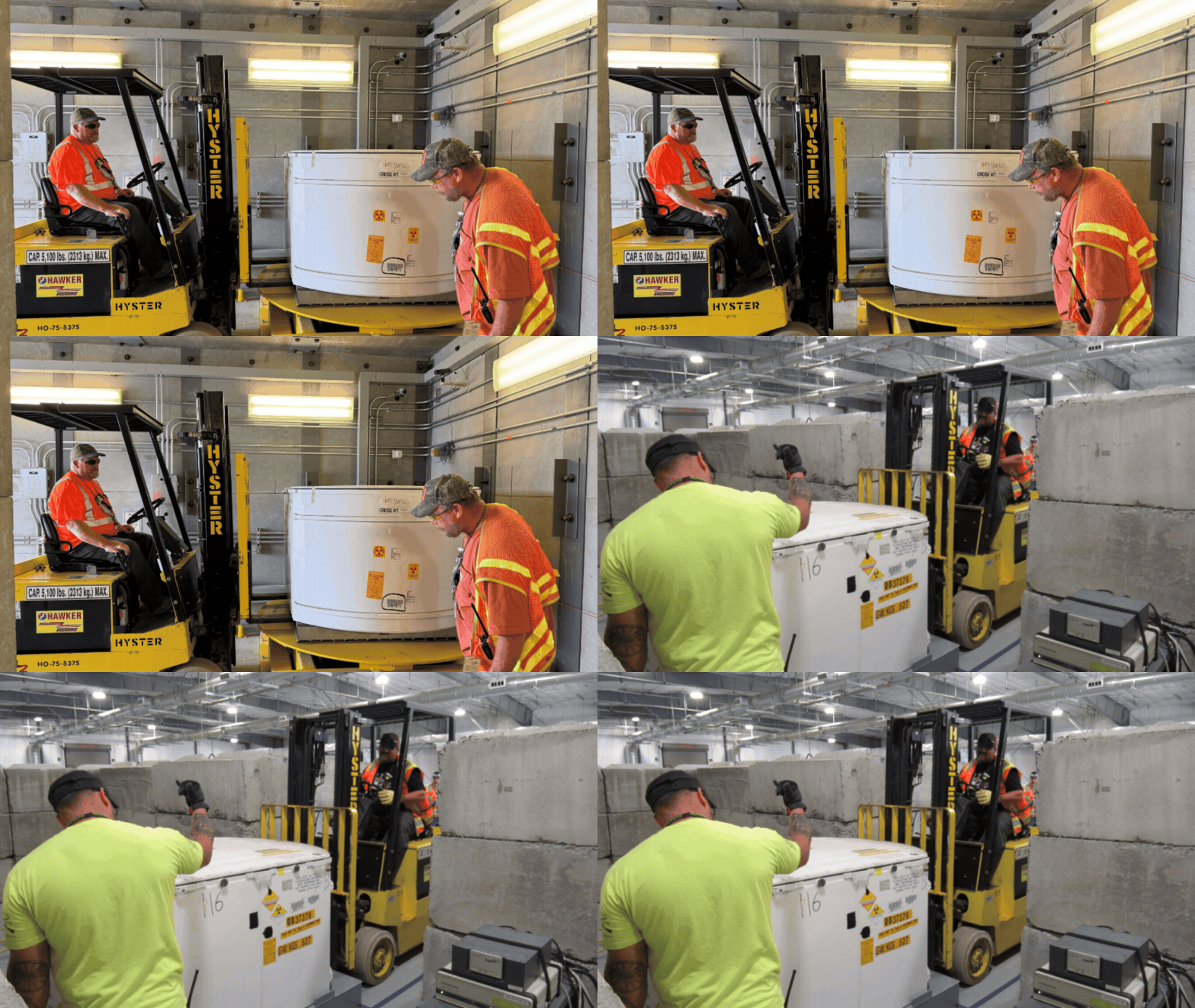
Hanford Site Resumes Certification Work for Permanent Disposal of Transuranic Waste
The U.S. Department of Energy Office of Environmental Management recently stated that its contractor, Central Plateau Cleanup Company, has resumed transuranic waste characterization and disposal certification work at the Hanford Site in Washington State, preparing for the future shipment of relevant waste to the Waste Isolation Pilot Plant near Carlsbad, New Mexico, for permanent disposal. The Hanford Site had suspended its transuranic waste treatment program in 2011 due to higher priorities for other cleanup tasks, and resumed related work in 2018. According to the plan, the site will resume shipping contact-handled transuranic waste to the Waste Isolation Pilot Plant by September 30, 2028. Hanford Site Office of the U.S. Department of Energy Office of Environmental Management...
2026-08-26
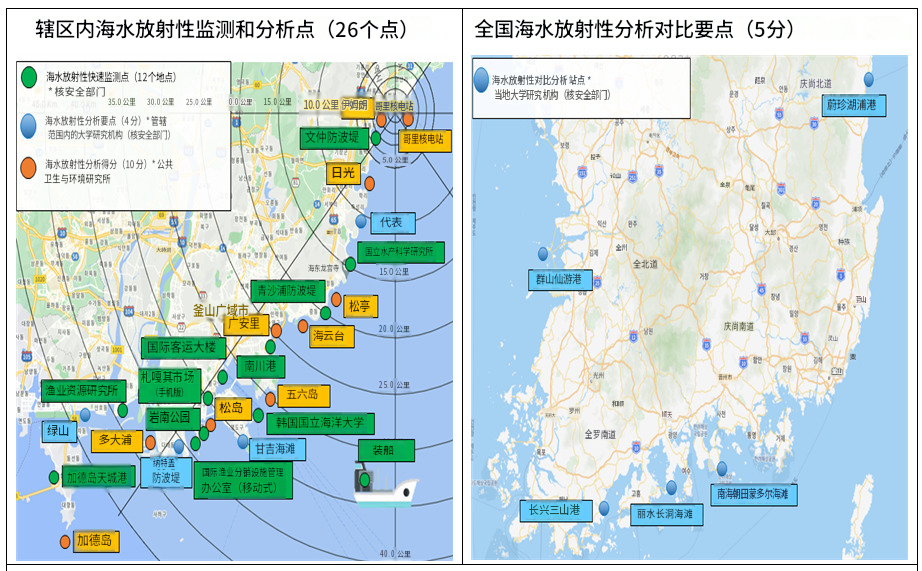
Busan, South Korea Reports No Abnormal Radiation Detected in Seawater and Seafood Three Years After Fukushima Discharge
Busan Metropolitan City stated on August 24 that since the discharge of contaminated water from the Fukushima nuclear power plant began in 2023, the city has continuously conducted radiation monitoring and analysis of coastal seawater and seafood. The results show that the safety conditions of Busan's waters and seafood remain stable with no abnormal changes detected. According to Busan Metropolitan City, seawater radioactivity testing is currently conducted at 26 coastal points. Among them, samples from 14 coastal locations including Haeundae, Gwangalli, Dadaepo, Songdo, and Songjeong are analyzed by the Busan Metropolitan City Institute of Health and Environment and local university research institutions. Test results show that the concentrations of relevant radionuclides are far below the World Health Organization drinking water standards, with cesium-134,...
2026-08-24
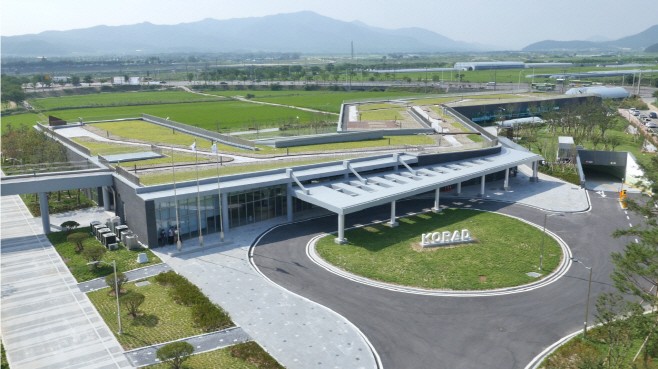
Korea Atomic Energy Environment Corporation Earns Top Grade A in All Categories of Radioactivity Analysis Capability Evaluation for Nine Consecutive Years
The Korea Atomic Energy Environment Corporation announced on August 21 that it received an A-grade rating in all evaluation categories for the ninth consecutive year in the 2026 Radioactivity Analysis Capability Evaluation conducted by the Korea Institute of Nuclear Safety. In this evaluation, the corporation achieved A-grade results across all analysis items covering 7 samples and 12 radionuclides, demonstrating high detection precision and quality control capabilities. The Radioactivity Analysis Capability Evaluation has been conducted annually since 1997, primarily to verify the testing capabilities of domestic radioactivity analysis institutions in Korea, as well as the reliability and quality management level of related analytical data. This year, a total of 58 institutions participated in the evaluation, including regional radiation monitoring...
2026-08-21
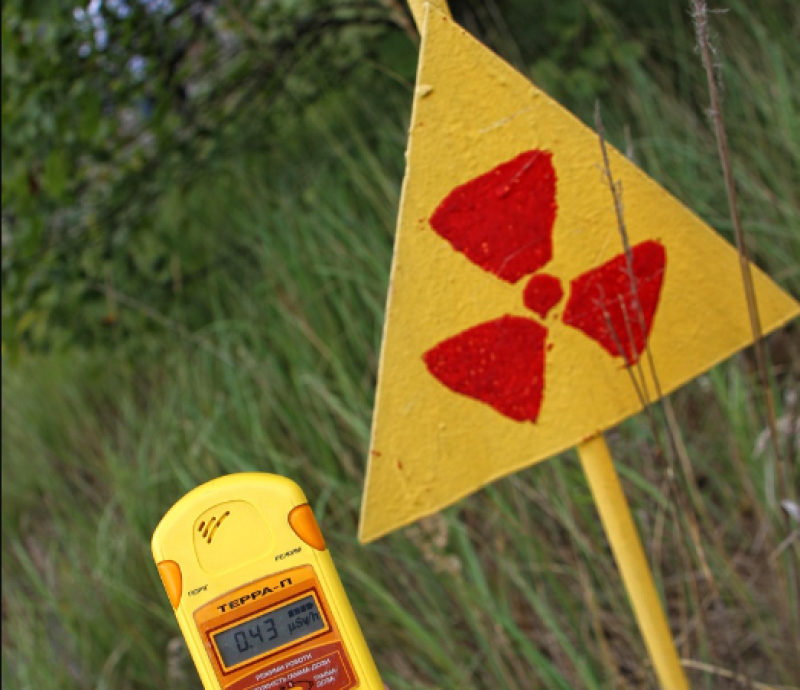
22 Atmospheric Radiation Automatic Monitoring Stations in Shaanxi Operate Stably, with National-Controlled Stations Achieving 99.9% Data Acquisition Rate
In recent years, Shaanxi Province has continuously strengthened the construction of its radiation environmental monitoring network. The 22 atmospheric radiation automatic monitoring stations across the province, including 12 national-controlled stations and 10 provincial-controlled stations, have maintained stable operation. These stations utilize high-pressure ionization chambers, ultra-high-flow aerosol samplers, gamma spectrometers, and other equipment to conduct continuous monitoring of atmospheric instantaneous gamma dose rates, aerosol samples, and gamma radionuclides. Relevant data are transmitted in real time to the system platform of the Shaanxi Provincial Nuclear and Radiation Safety Supervision Station. According to reports, Shaanxi has gradually established an automatic station operation and maintenance management system featuring strong organization, closed-loop responsibility, funding guarantees, standardized procedures, and digital-intelligent empowerment. In 2023, the 5-minute data acquisition rate of Shaanxi's 12 national-controlled stations reached 99.9%, ranking third nationwide.
2026-08-21
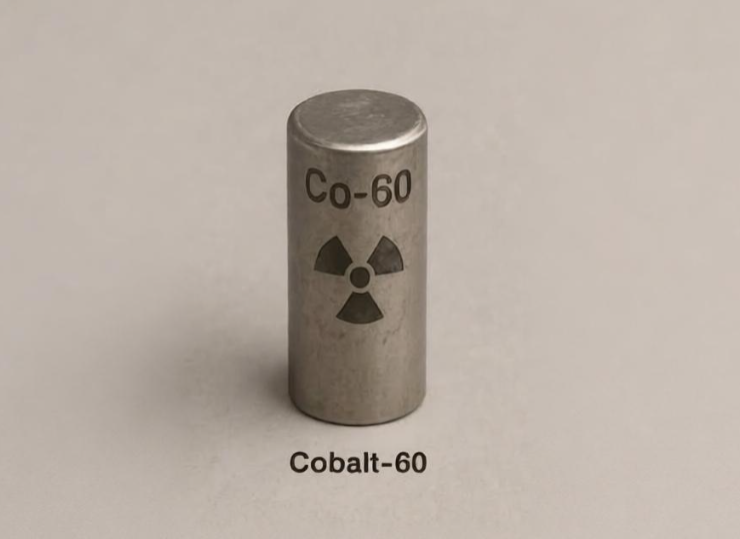
A Category IV Cobalt-60 (Co-60) radioactive source retired in Huangshi
Recently, under the coordinated deployment and on-site supervision of the Huangshi Municipal Ecological Environment Bureau in Hubei Province, a retired Category IV Cobalt-60 (Co-60) radioactive source was transported in a closed loop by a professionally qualified vehicle and safely delivered to the Hubei Provincial Urban Radioactive Waste Repository, where it was permanently sealed in a standardized manner. The collection and storage process for this waste source followed standard procedures with meticulous control, and no readings exceeding limits, equipment loosening, or other safety anomalies occurred throughout the entire transport process. It is understood that this Cobalt-60 radioactive source was originally the core component of a level gauge supporting an enterprise's kiln production line. As the production line was dismantled and scrapped, the related equipment ceased operation, increasing the safety management pressure of the idle radioactive source. Upon receiving the enterprise's disposal application, the Huangshi Municipal Ecological Environment Bureau...
2026-08-21
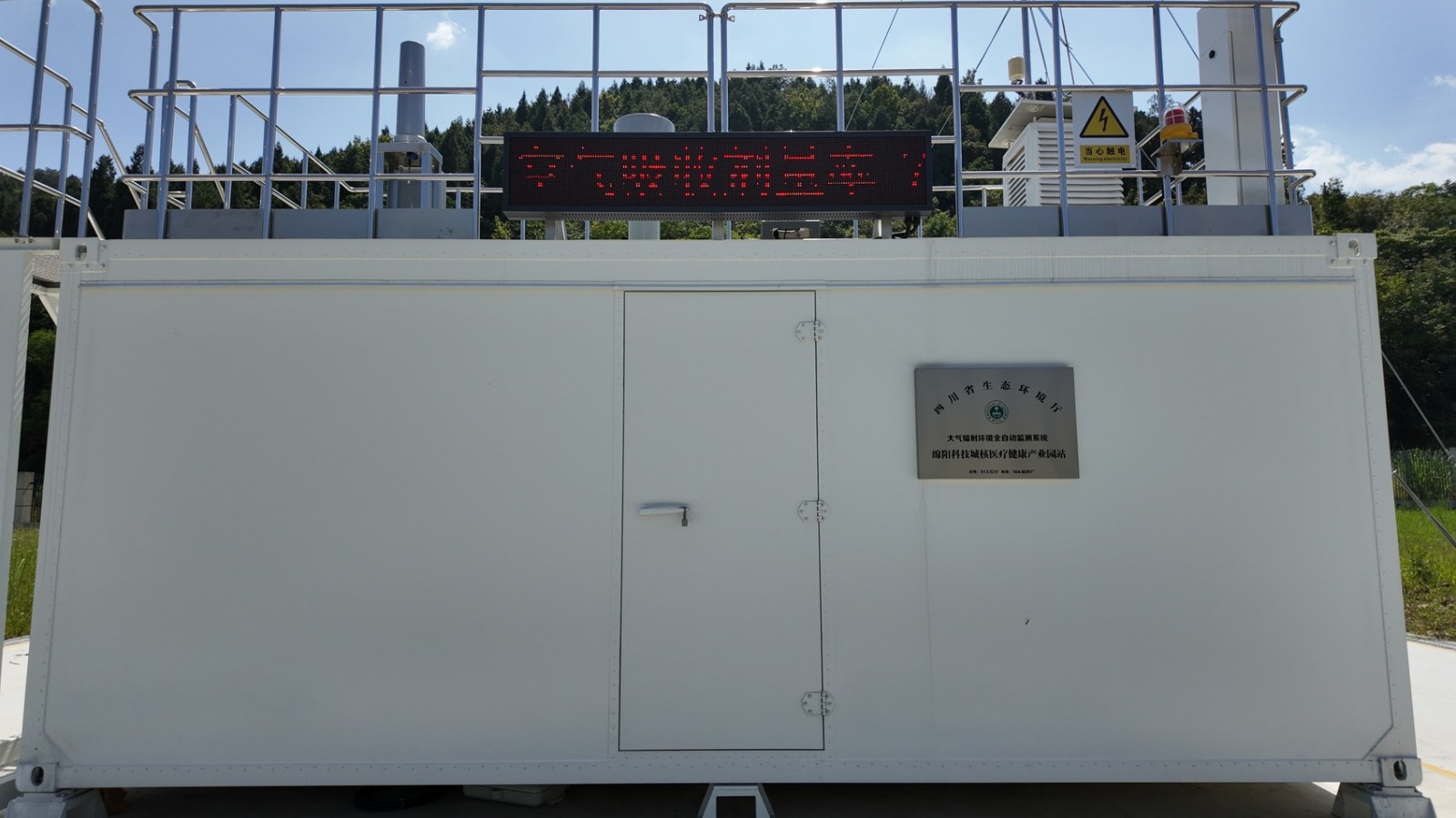
Automatic Radiation Environment Monitoring Station in Mianyang, Sichuan Put into Trial Operation, with Core Equipment and Systems Achieving Domestic Localization
Recently, the automatic radiation environment monitoring station located within the Nuclear Medical Health Industrial Park of the China (Mianyang) Science and Technology City was officially put into trial operation. As the first automatic radiation environment monitoring station in Sichuan Province to fully achieve domestic localization of core equipment and systems, it will provide radiation environment safety assurance for the development of the nuclear medical industry in the park through 24-hour uninterrupted automatic monitoring capabilities. At the automatic radiation environment monitoring station, operational data from equipment such as environmental γ dose rate monitors are updated in real time on monitoring screens. Compared with the previous approach that relied on manual on-site sampling and batch laboratory analysis, the automatic station enables continuous monitoring, reducing the time required to produce monitoring results from several days to the same day, thereby improving...
2026-08-20
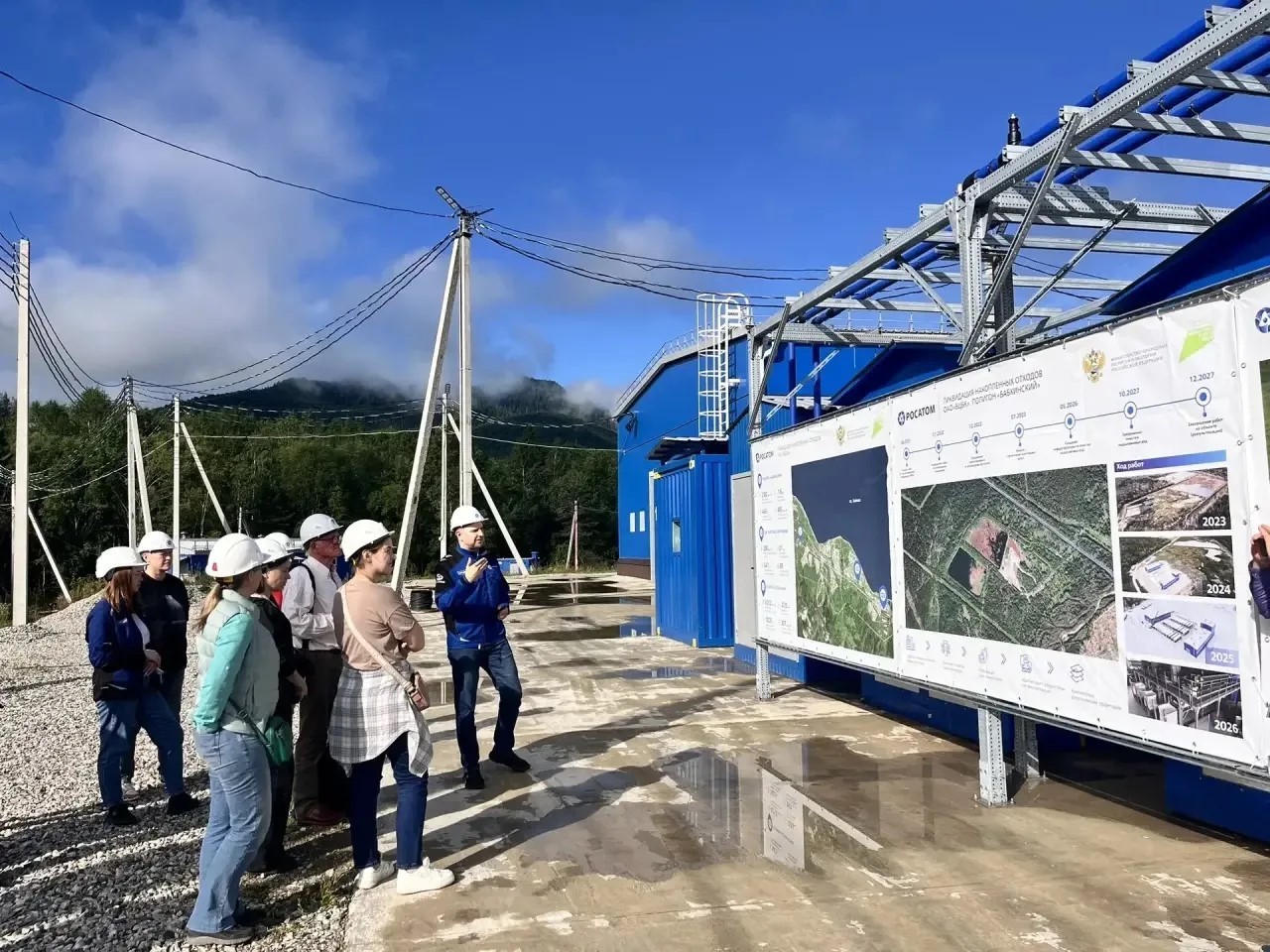
UNESCO Expert Mission Inspects Environmental Remediation Project at Former Baikal Pulp and Paper Mill in Russia
On August 19, 2026, a monitoring mission for the Lake Baikal World Heritage Site, comprising experts from UNESCO and the International Union for Conservation of Nature, inspected the cumulative environmental damage remediation work carried out by Federal Environmental Operator, a subsidiary of Rosatom, at the former Baikal Pulp and Paper Mill site. At the former plant area, the experts were briefed on progress in sludge treatment, alkaline wastewater treatment, and nature-based remediation technologies. The relevant projects primarily target historically accumulated pollution, with the goal of reducing the risk of pollutants entering Lake Baikal. During the visit, the infrastructure at the Babushinsky landfill and the former wastewater treatment plant had been completed and entered the commissioning phase. The...
2026-08-19
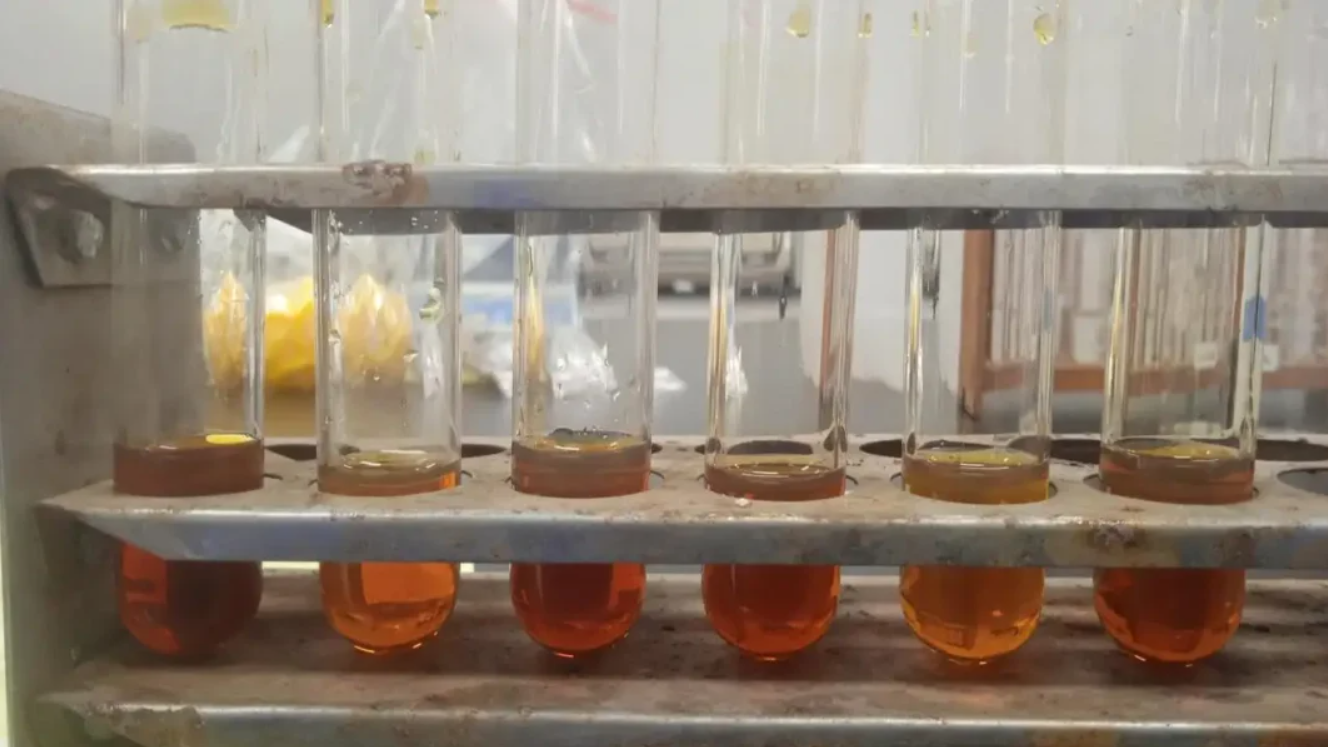
Indonesia Develops Cobalt-60 Gamma Irradiation Technology to Boost Biodiesel Production from Waste Cooking Oil
The Indonesian Nuclear Technology Polytechnic, under the National Research and Innovation Agency (BRIN), has recently successfully developed cobalt-60 (Co-60) gamma irradiation technology and applied it to increase biodiesel production from waste cooking oil. The study aims to explore more efficient pathways for renewable energy production while providing a new solution for the resource utilization of waste cooking oil. Dita Ariyanti, a lecturer at the Indonesian Nuclear Technology Polytechnic, stated that with continued growth in energy consumption and declining fossil fuel reserves, the need to develop alternative energy sources is becoming increasingly urgent. For Indonesia, rising energy demand and dependence on fossil fuels also pose challenges to greenhouse gas emission reduction. Waste cooking oil was previously mostly treated as household waste, and improper disposal could pollute the environment; converting it into biodiesel can reduce waste while obtaining renewable energy.
2026-08-19
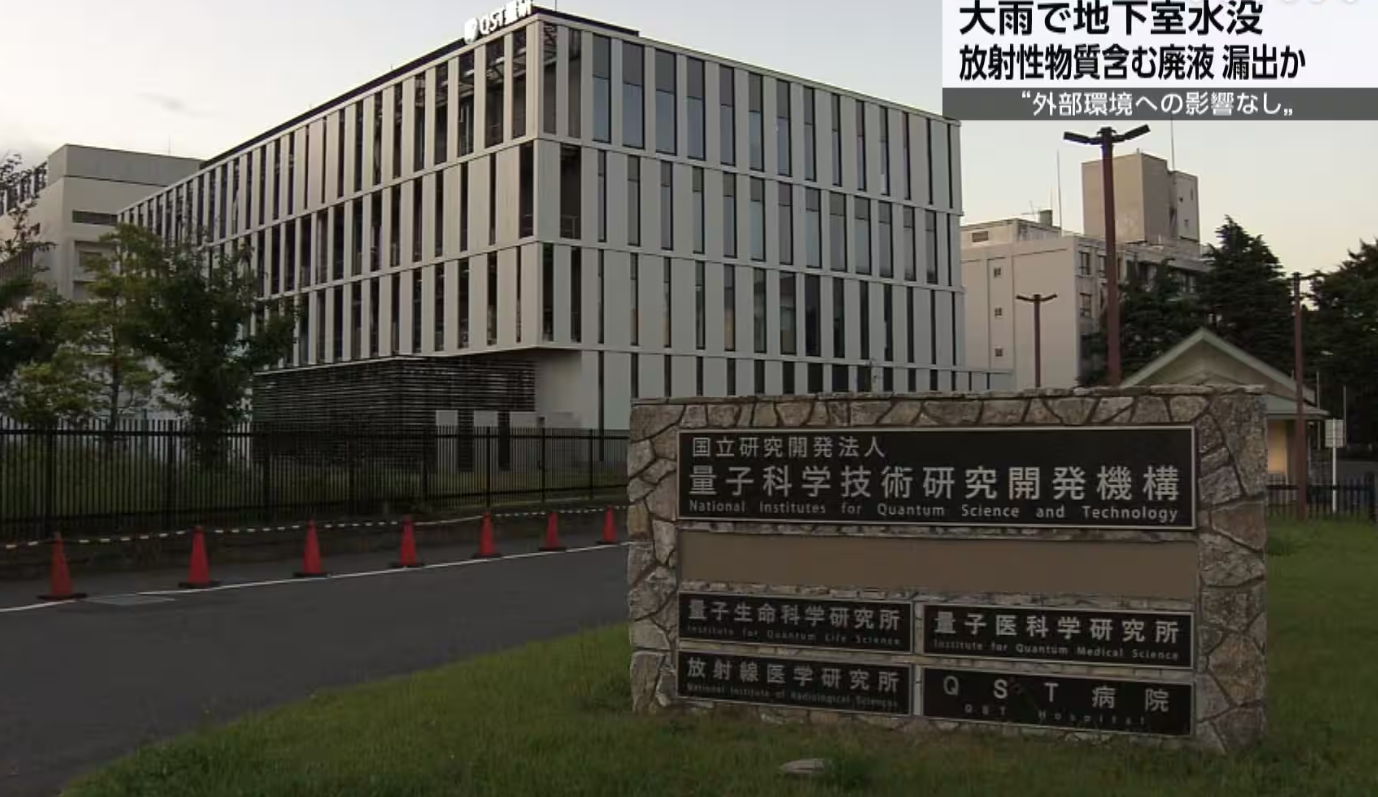
Radioactive liquid waste leak suspected at QST's underground facility in Chiba due to record rainfall
According to Japanese media reports, due to record-breaking rainfall in Chiba Prefecture, an underground facility of the National Institutes for Quantum Science and Technology (QST) in Chiba City was flooded, and radioactive liquid waste in underground storage tanks at the facility may have mixed with rainwater and leaked outdoors. QST stated that as of the 13th, an estimated 2,000 to 3,000 liters of liquid waste had accumulated in the relevant underground storage tanks. After investigating water bodies around the tanks, the institute confirmed that detected radioactive material concentrations were below standard values, and no environmental impact has been indicated so far. QST reported the incident to national and local governments the following day and plans to submit preventive measures to the Nuclear Regulation Authority of Japan.
2026-08-18

CNNC Sichuan Environmental Protection Holds Cadre Meeting to Announce Comrade Zhang Xiangming's Appointment as Chief Accountant of the Company
On August 17, CNNC Sichuan Environmental Protection held a cadre meeting to announce the decision of the Group Company Party Leadership Group on the appointment of Comrade Zhang Xiangming as Chief Accountant of CNNC Sichuan Environmental Protection Engineering Co., Ltd. Wang Suohui, Secretary of the Party Committee and Chairman of CNNC Environmental Protection, attended the meeting via video and delivered a speech. Chang Yu, Secretary of the Party Committee and Chairman of the Company, presided over the meeting. On behalf of the Party Committee of CNNC Environmental Protection, Wang Suohui extended congratulations to Comrade Zhang Xiangming on his new appointment. He pointed out that this cadre adjustment was a decision made by the Group Company Party Leadership Group from the overall perspective of optimizing and strengthening the leadership team, fully reflecting the high importance attached to and earnest expectations for CNNC Sichuan Environmental Protection. At present, CNNC Sichuan Environmental Protection is at a critical stage of tackling tough challenges, with various tasks...
2026-08-18
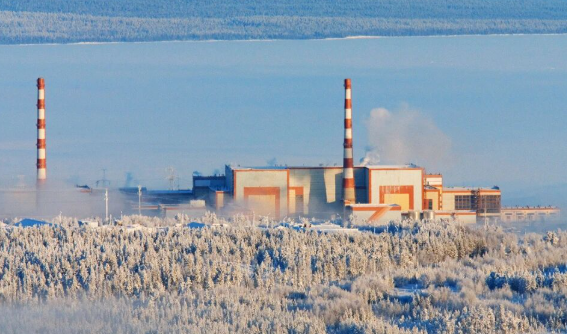
Long-term radiation environment at Kola NPP remains under control: gamma dose rates within natural background levels, 15 permanent observation stations operating since 1972
Long-term monitoring results from the external radiation monitoring group at Russia's Kola Nuclear Power Plant show that gamma radiation dose rates around the plant site have consistently remained within natural background radiation levels, with radionuclide concentrations matching background values, indicating a sound radiation environment with no differences from surrounding areas. The station's radiation safety department collects surface water samples from the discharge canal monthly, with monitoring coverage encompassing all elements including the atmosphere, snow cover, bottom sediments, food products, algae, berries, mushrooms, and caged fish. The monitoring architecture consists of two tiers: 15 permanent environmental observation stations have been in continuous operation since before the commissioning of the first reactor unit in 1972; 13 ASKRO automated radiation environment monitoring system stations provide real-time ground-level gamma dose rate data, which is transmitted directly to the Rosenergoatom crisis center and integrated into the national unified radiation monitoring network. Approximately 200,000 cubic meters of air are drawn weekly through air filtration units to capture radionuclides, with volumetric activity of radioactive iodine also measured. A mobile radiological laboratory performs on-site spectrometric analysis. Annually, about 1,200 environmental samples are collected from around the plant site and delivered to the Polyarnye Zori laboratory, where well water samples analyzed by Canberra spectrometers yield "zero nuclide" results, with samples retained for one year for potential re-analysis. Biological samples are processed using the ashing method, and instrument sensitivity is sometimes insufficient to even detect any signal from the plant's impact.
2026-08-14
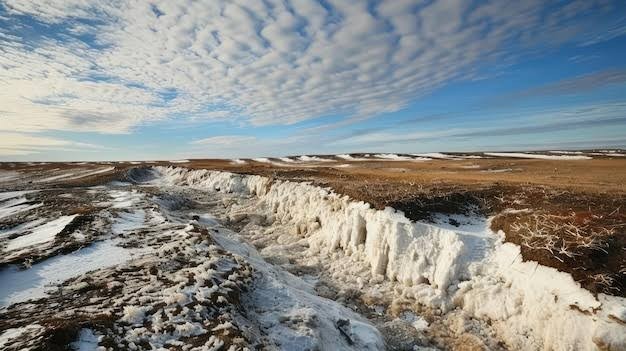
Radioactivity Levels in Arctic Archipelagos Within Background Range, Russian Research Team Reports No Anomalies
On August 13, Andrei Puchkov, senior researcher at the Environmental Radioactivity Laboratory of the N.P. Laverov Federal Arctic Integrated Research Center, Ural Branch of the Russian Academy of Sciences, stated that measurements taken during the 2026 Arctic Floating University expedition's landings on Novaya Zemlya and Franz Josef Land showed very low radioactivity levels, with no anomalies detected. Puchkov noted that the expedition measured radon concentrations at all landing sites, with radon flux densities ranging from below 1 millibecquerel per square meter per second to 200 millibecquerels per square meter per second, all recorded values remaining within background levels. He indicated that permafrost acts as a barrier and shield in the region, preventing radioactive gases from reaching the surface; relatively higher radon fluxes in some areas may be associated with geological features such as fault zones and fracture zones.
2026-08-14
Reading Ranking
- 1 New Monitoring Well Characterizes Hexavalent Chromium Plume at Los Alamos National Laboratory
- 2 A Category IV Cobalt-60 (Co-60) radioactive source retired in Huangshi
- 3 Busan, South Korea Reports No Abnormal Radiation Detected in Seawater and Seafood Three Years After Fukushima Discharge
- 4 CIAE Neutron Measurement Patent for Nuclear Waste Wins China Patent Excellence Award
- 5 UNESCO Expert Mission Inspects Environmental Remediation Project at Former Baikal Pulp and Paper Mill in Russia
- 6 Automatic Radiation Environment Monitoring Station in Mianyang, Sichuan Put into Trial Operation, with Core Equipment and Systems Achieving Domestic Localization
- 7 Hanford Site Resumes Certification Work for Permanent Disposal of Transuranic Waste
- 8 CGN Environmental Protection Launches Its First Integrated Project Combining CFS System O&M with Marine Emergency Biological Cleanup
- 9 Japanese Team Develops High-Temperature, High-Pressure Isotope Ratio Analysis Method for Tracing Halogenated Pollutants
- 10 The Radiation Environment Monitoring Technical Center of the Ministry of Ecology and Environment organized an online training session to communicate requirements for radiation monitoring data manageme
- 11 Russian Research Team Synthesizes Novel Metal-Organic Framework Material Capable of Immobilizing Radioactive Cesium
- 12 Long-term radiation environment at Kola NPP remains under control: gamma dose rates within natural background levels, 15 permanent observation stations operating since 1972
- 13 Inner Mongolia Nuclear and Radiation Monitoring Center Organizes Standard Pre-Research Exchange Meeting
- 14 U.S. Research Team Tracks Main Drivers of Global Methane Rise Using Stable Isotope Analysis
- 15 Arab League Holds Second Technical Committee Meeting on Nuclear and Radiation Emergency Preparedness Roadmap, Focusing on Cross-Border Coordination and Alignment with IAEA Obligations