
Rwanda Plans to Introduce Nuclear Technology to Boost Agricultural Production and Address Climate Change
 Scan to share
Armand Zingiro, Minister of State in Rwanda's Ministry of Infrastructure, stated at the 70th General Conference of the International Atomic Energy Agency (IAEA) held in Vienna that the government is exploring the use of nuclear and isotope technologies to improve agricultural productivity, ensure food security, and enhance capacity to address climate change. The conference was held from September 14 to 18, and Zingiro led the Rwandan delegation to attend the meeting.
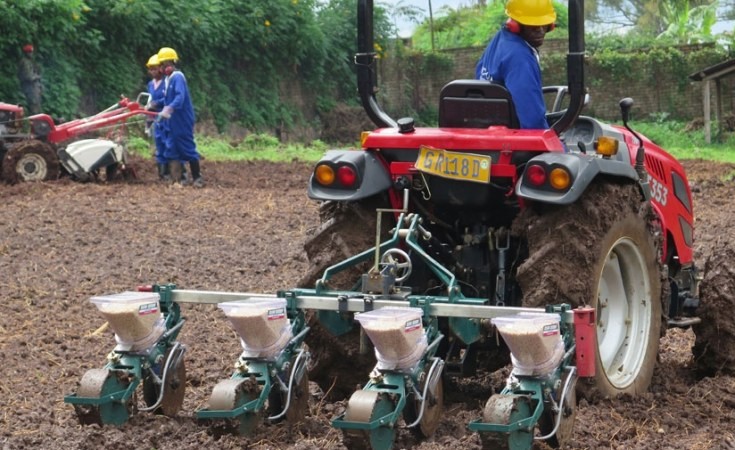
Zingiro pointed out that Rwanda fully recognizes the enormous potential of nuclear and isotope technologies in the fields of agriculture and food security. The application of nuclear technology in agriculture is mainly reflected in improving crop yields, controlling pests and diseases, managing natural resources, and ensuring food safety through radiation and isotope methods.
To this end, Rwanda has clearly expressed its intention to participate in the "Atoms4Food" initiative jointly launched by the International Atomic Energy Agency and the Food and Agriculture Organization of the United Nations (FAO). The initiative aims to support countries in applying nuclear technology and other advanced technologies to enhance crop and livestock productivity, reduce post-harvest losses, and build climate-resilient food systems.
Rwanda plans to work closely with the International Atomic Energy Agency and the Food and Agriculture Organization of the United Nations to assess its national priorities and actual capabilities, thereby formulating a tailored plan that meets national needs. In addition to agricultural applications, Rwanda is also actively promoting broader nuclear science and technology development projects, including nuclear power and research reactors.
In March of this year, the International Atomic Energy Agency's Integrated Nuclear Infrastructure Review (INIR) mission conducted a visit to Rwanda to assess the progress of infrastructure development required for the safe and sustainable introduction of nuclear power. Rwanda has developed an integrated work plan based on the review recommendations to further consolidate the preparatory foundation for its national nuclear power project.
In addition to the nuclear power program, Rwanda also plans to build a research reactor as an important component of its nuclear science and technology center plan. The International Atomic Energy Agency's Integrated Research Reactor Infrastructure Review mission completed its assessment in July of this year and provided guidance and recommendations on the technical, institutional, and human resource development required for the project.
Currently, the Rwandan government is fully committed to cultivating the professional talent and institutional capacity needed to sustain its nuclear energy program through specialized training, education, and international cooperation. At the same time, Rwanda is also expanding the application of nuclear technology in fields such as healthcare, including improving cancer diagnosis and treatment through radiopharmaceutical production and positron emission tomography (PET) imaging technology.
Zingiro emphasized that Rwanda reaffirms nuclear safety, nuclear security, safeguards, and radiation protection as the core pillars of its national nuclear program. The government will continue to maintain close collaboration with the International Atomic Energy Agency and other partners to ensure that all nuclear activities strictly comply with international obligations and standards.
Disclaimer: Information republished from partner media, institutions or other websites is provided for reference and communication purposes only. It does not imply endorsement of its views or verification of its accuracy. Please contact us if any content infringes rights or requires correction.