
Russian Researchers Find Low-Energy Electron Beam and X-Ray Treatment of Wheat Seeds Can Increase Yields
 Scan to share
Researchers from the D.V. Skobeltsyn Institute of Nuclear Physics at Lomonosov Moscow State University, in collaboration with the Faculty of Physics and the Faculty of Chemistry of Lomonosov Moscow State University, as well as the Siberian Federal Scientific Centre of Agro-BioTechnologies of the Russian Academy of Sciences, have found that pre-sowing treatment of wheat seeds with low-energy electron beams and X-rays can help increase crop yields and enhance plant resistance to diseases.
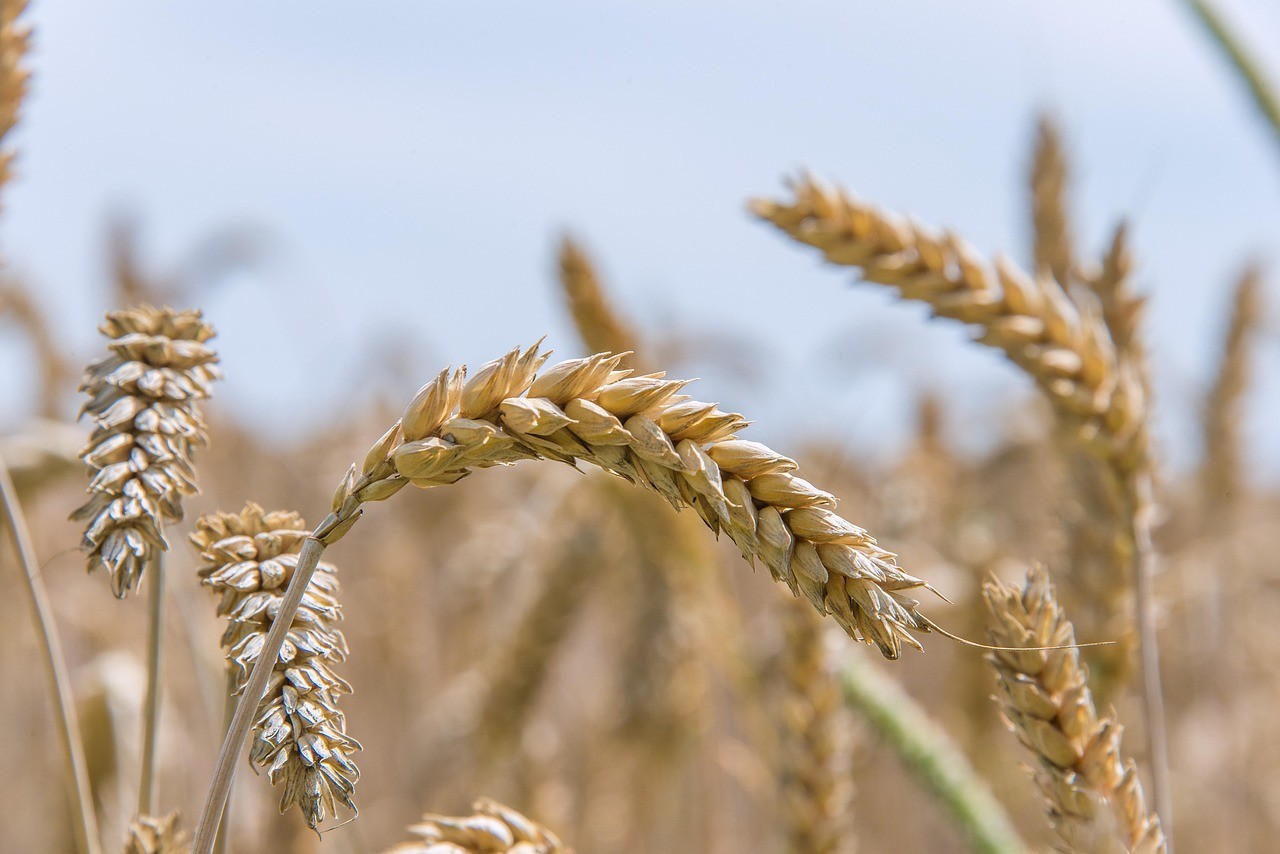
The study focused on the wheat variety “Novosibirskaya 29” and included laboratory experiments, two consecutive years of field trials, and computer modeling. The results showed that a dose range of 5 to 15 Gy is suitable as a pre-sowing irradiation treatment parameter for wheat seeds.
According to Victoria Ipatova, a junior researcher at the Department of Medical and Industrial Nuclear Physics Methods at the D.V. Skobeltsyn Institute of Nuclear Physics of Moscow State University, the research team determined the optimal dose range based on data on the effects of accelerated electrons and X-ray treatment of seeds on crop yields and the incidence of leaf blight infection in plants. In the first year of field trials, treatment with both types of radiation sources increased crop yields by 22% to 48%; in the second year of trials, X-ray treatment demonstrated a more stable positive effect, with yields increasing by 9% to 33%.
In addition to yield assessment, the researchers also simulated the absorbed dose distribution inside the seeds and analyzed the effects of radiation-induced reactive oxygen species. The researchers believe that low doses of reactive oxygen species may trigger adaptive mechanisms in plants, thereby influencing plant growth and stress resistance.
The study authors stated that for this technology to enter practical agricultural application, appropriate treatment protocols must be selected based on wheat variety, radiation type, and different agro-climatic conditions. Future research will further focus on the molecular mechanisms triggered by low-dose ionizing radiation in seeds.
Disclaimer: Information republished from partner media, institutions or other websites is provided for reference and communication purposes only. It does not imply endorsement of its views or verification of its accuracy. Please contact us if any content infringes rights or requires correction.