
Search Results
Keyword:Russia
German state of Lower Saxony approves production of Russian-designed VVER nuclear fuel at Lingen plant under additional strict conditions
The government of Lower Saxony in northwestern Germany has approved a nuclear project linked to Russia's state nuclear corporation Rosatom. The project, operated by French company Framatome, aims to produce Russian-designed nuclear fuel rods and fuel assemblies in the city of Lingen, with key components to be supplied by Rosatom's subsidiary TVEL. Nevertheless, to address potential security risks, particularly threats of espionage and sabotage from Russian participants, the approval was granted with strict conditions. Under the terms of the approval, employees of Rosatom and TVEL will be barred from entering the facility, except in exceptional circumstances and when accompanied by nuclear regulatory authorities. Additionally, all...
2026-07-31
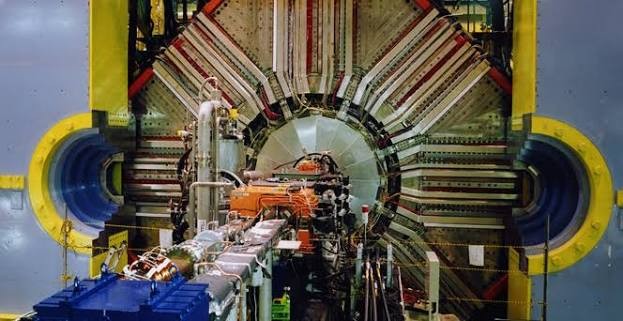
Russian researchers detect anomalous signs in bottomonium states using Belle II experiment data
The Budker Institute of Nuclear Physics of the Siberian Branch of the Russian Academy of Sciences recently announced that Russian researchers have detected anomalous phenomena in the analysis of data from the international Belle II experiment, indicating that the structure of certain excited states of bottomonium may be more complex than predicted by traditional models. Bottomonium is a class of unstable heavy particles composed of a bottom quark and an anti-bottom quark. Yevgeny Kovalenko, a young researcher at the Budker Institute of Nuclear Physics of the Siberian Branch of the Russian Academy of Sciences, stated that analysis of Belle II experiment data suggests that certain excited states of bottomonium may contain lighter quark components. In other words, these particles in specific states may not simply be plain bottom quark–anti-bottom quark combinations.
2026-07-31
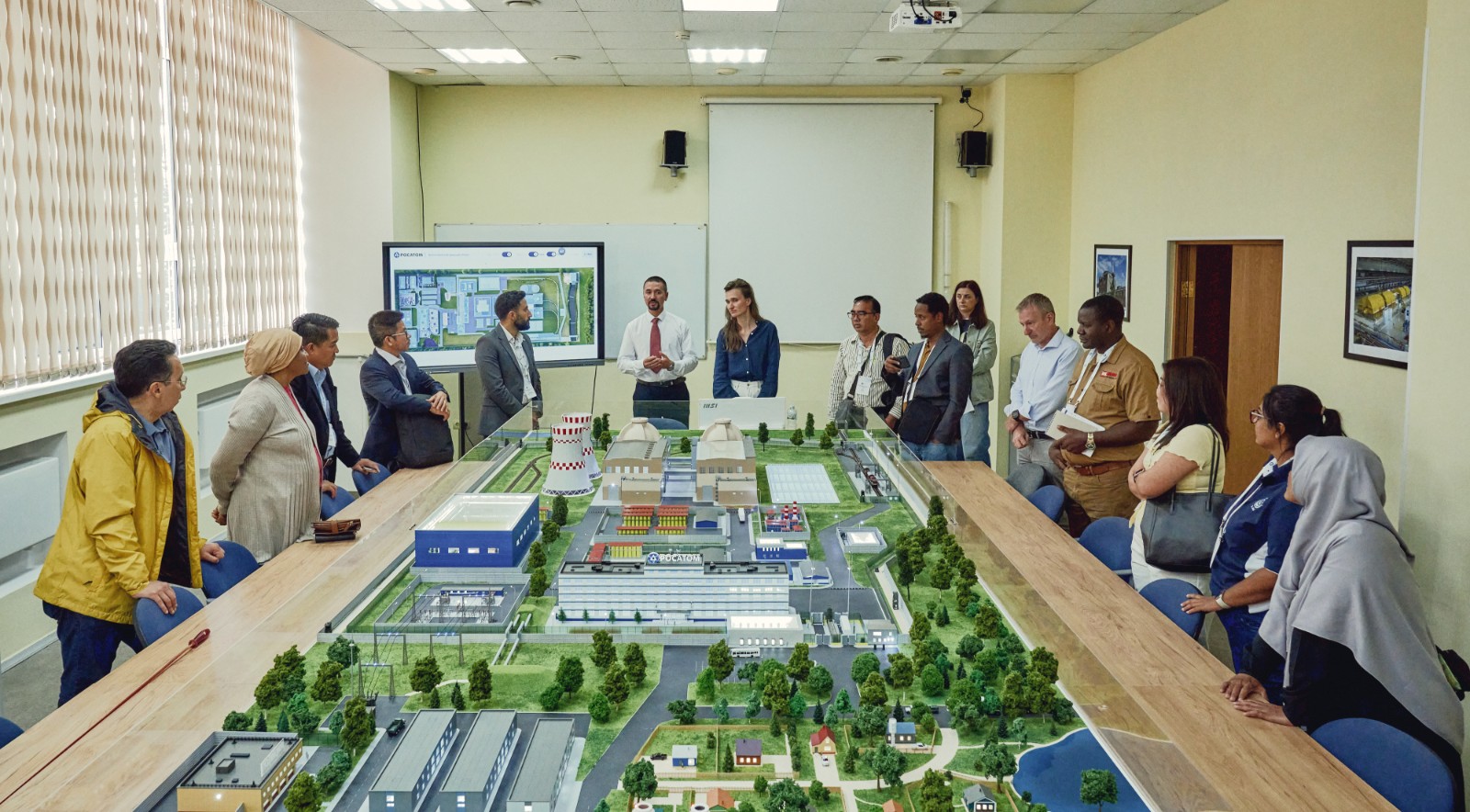
IAEA Training Course for Owner/Operator Organizations of New Nuclear Power Projects Concludes in Russia
On July 30, the Interregional Training Course on the Establishment of Owner/Operator Organizations for New Nuclear Power Projects, jointly organized by Rosatom and the International Atomic Energy Agency (IAEA), concluded at the Rosatom Technical Academy. Eighteen experts from 15 countries in Asia and Africa completed the five-day training. The participants were primarily from national nuclear energy institutions, regulatory bodies, and relevant competent authorities responsible for nuclear infrastructure development in their respective countries. The course focused on the establishment and capacity building of owner/operator organizations for new nuclear power projects, covering topics such as license applications, change management, feasibility study preparation, personnel competency development, organizational structure design, and contract management.
2026-07-31
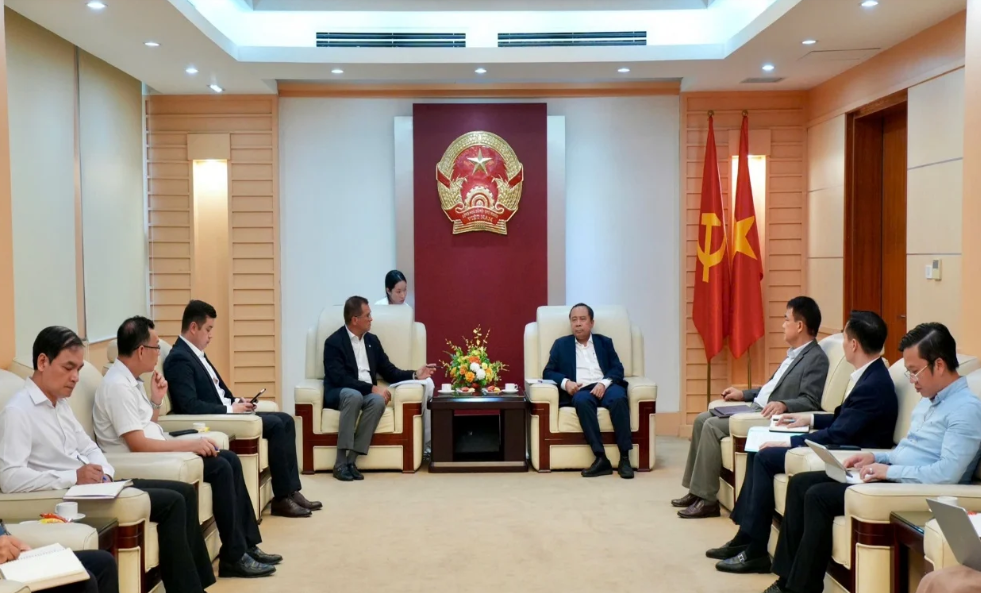
Vietnam and Russia Join Forces to Accelerate Nuclear Science and Technology Research Center Project
On the afternoon of July 30, Vietnamese Minister of Science and Technology Vu Hai Quan received a delegation led by Ilja Vergizajev, General Director of Rosatom Construction Technology Co., Ltd., a subsidiary of Russia's State Atomic Energy Corporation (Rosatom), in Hanoi. During the meeting, the Vietnamese side put forward three specific requests: accelerating the construction of the Vietnam Nuclear Science and Technology Research Center (CNST); supporting Vietnam in gradually mastering small modular reactor (SMR) technologies; and training human resources for Vietnam in the fields of atomic energy, radiation, and nuclear safety. Both sides confirmed that nuclear cooperation holds strategic significance and has long been a focus of high-level attention between the two countries. The CNST has been defined by the Vietnamese side as a...
2026-07-31
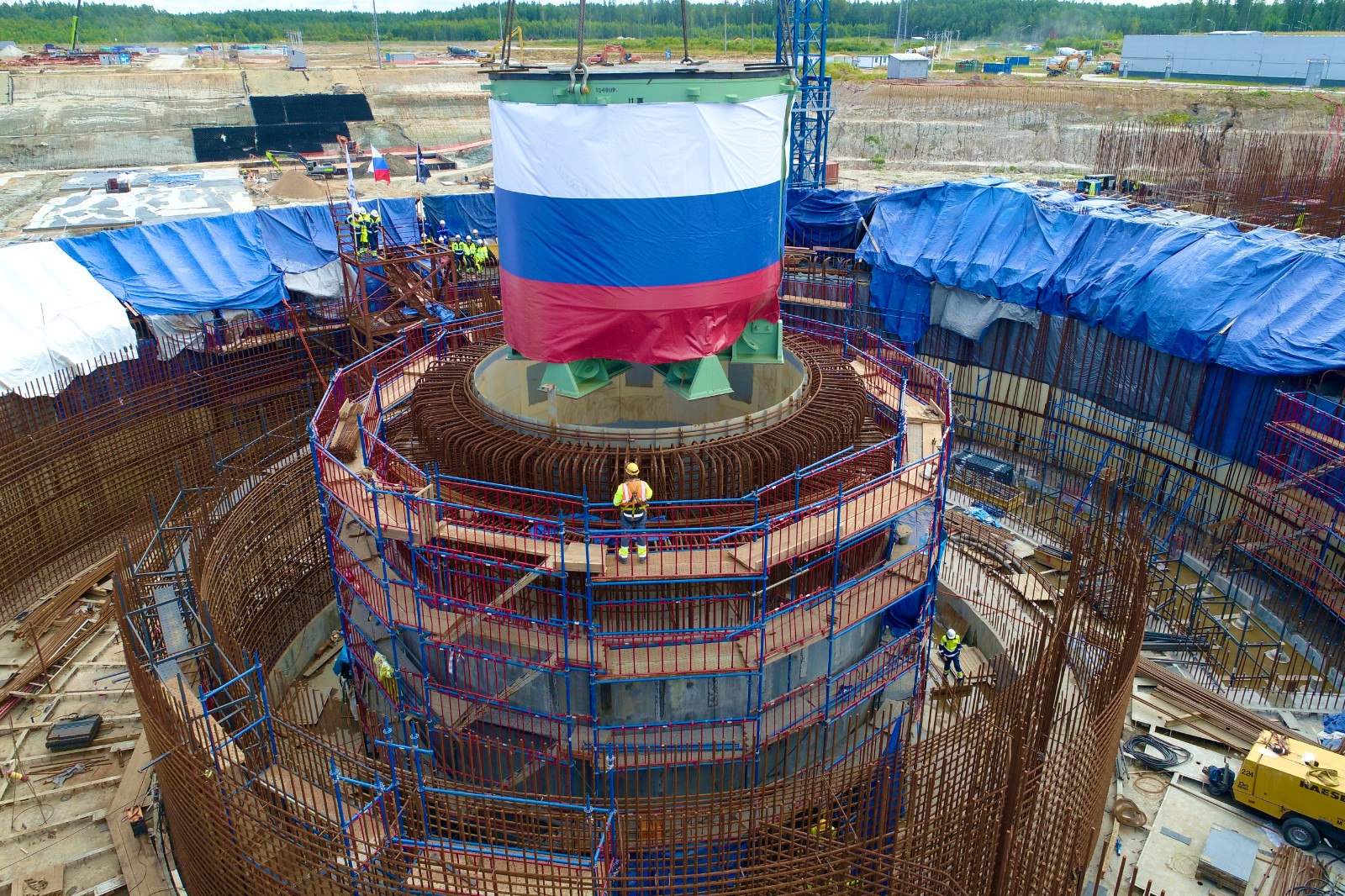
Unit 4 of Leningrad NPP Phase II completes installation of first major equipment
Unit 4 of Russia's Leningrad NPP Phase II recently completed the installation of the core melt catcher vessel. This is the first major equipment of the unit to enter the installation stage, and also the first passive safety system equipment to be installed. The steel structure weighs 157 tonnes, and the installation was carried out using a heavy crawler crane, taking about one work shift of approximately 8 hours, nearly 3 months ahead of the original schedule. Valery Zhemchugov, Acting Director of Leningrad NPP, stated that the installation of the core melt catcher vessel is a key milestone in the construction of Unit 4, a VVER-1200 pressurized water reactor unit, and that the relevant work was completed in accordance with quality requirements, providing more time for subsequent reactor building civil and installation works.
2026-07-31
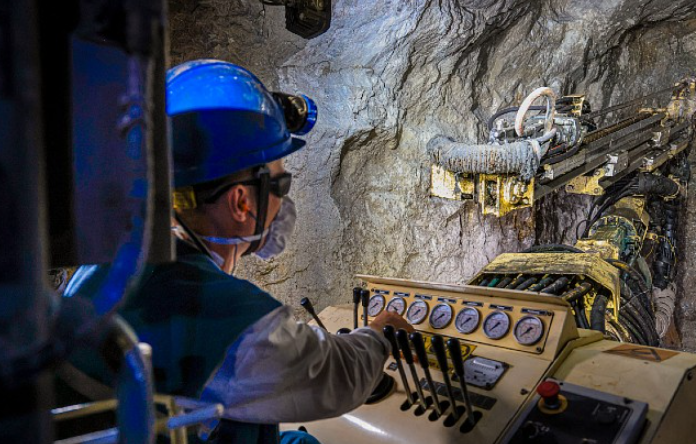
Progress in Russia's Khilonduevskoye Uranium Deposit Development: 3 Kilometers of Mine Workings Completed Ahead of Schedule
The mining division of Russia's Rosatom recently announced that underground mining crews completed three kilometers of mine workings ahead of schedule during the development of the Khilonduevskoye deposit. This milestone, originally planned for completion on August 10, was achieved by a team of workers from the Priargunsky Industrial Mining and Chemical Union (PIMCU), which is part of Rosatom Nedra. According to PIMCU, this mine connection will significantly optimize the ventilation system at the fourth level of the Khilonduevskoye deposit and improve the efficiency of rock block loading, laying the foundation for subsequent development work. The company's CEO, Ivan Kiselev, stated that this connection is of critical importance to the company, as it not only links two sections of the mine but also fundamentally transforms the logistics and safety of fourth-level operations.
2026-07-31
Russia says its nuclear power plant designs can adapt to construction requirements in seismically active regions
On June 25, Dmitry Ivanov, Chief Engineer of the Atomenergoproekt Integrated Design Institute under the engineering division of Rosatom, stated that Rosatom incorporates seismic requirements into its nuclear power plant designs, enabling relevant units to be constructed and operated in seismically unstable regions. Ivanov noted that Rosatom is currently building or overseeing the construction of nuclear power plants in Russia as well as in India, Bangladesh, Hungary, Egypt, Turkey, and Iran. The seismic impacts faced by different project sites vary, with some regions potentially experiencing higher seismic intensity. Drawing on experience from past projects, the company implements corresponding seismic resistance into nuclear power plant designs in accordance with regulatory document requirements to ensure safe plant operation.
2026-06-26
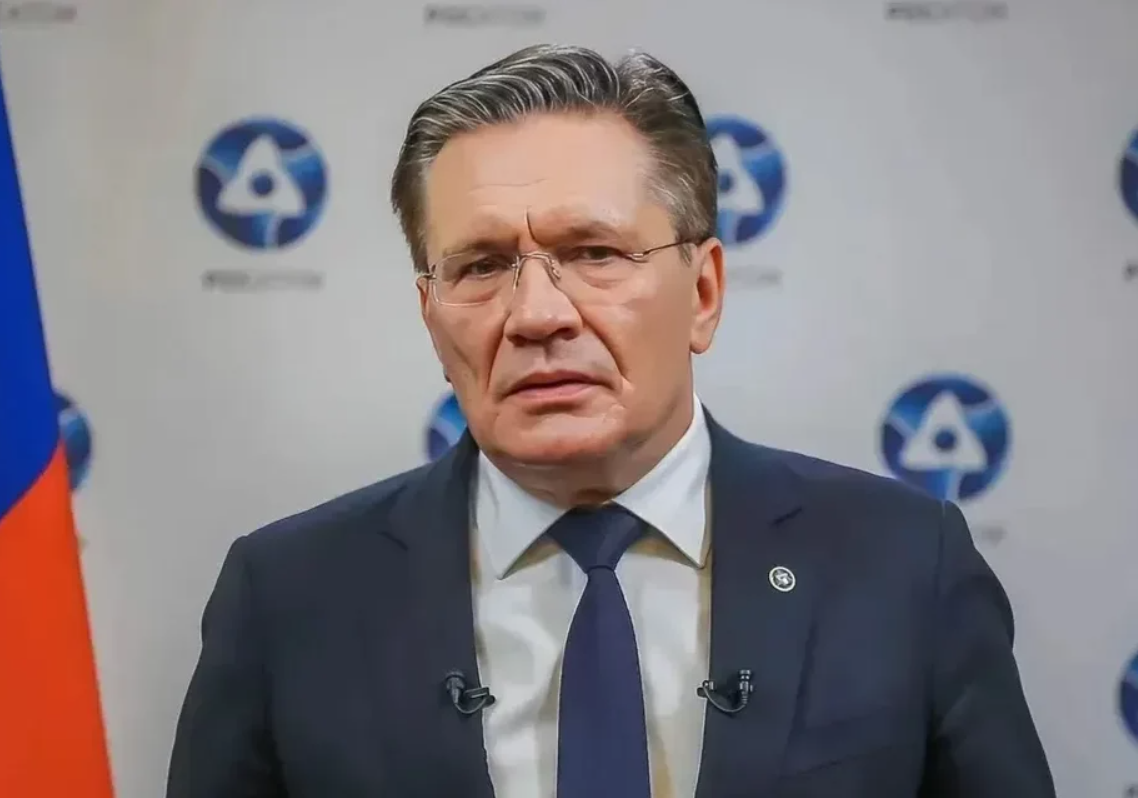
Rosatom Says Small Nuclear Power Development Requires Regulatory Reform
Rosatom Director General Alexey Likhachev said on July 5 that if Russia hopes to maintain its global leadership in the small nuclear power market, nuclear regulations and standards also need to keep pace with technological changes, particularly by revisiting the licensing and approval process for small nuclear power plants. In an article published in the Rosatom Corporate Newspaper, Likhachev stated that small nuclear power plants are expected to become a significant new form of energy in the coming decades, but their deployment still faces considerable regulatory challenges. Due to the relative novelty of such facilities to regulators, approval approaches tend to be cautious. He believes that accelerating the licensing and construction process while ensuring safety has become a task of national importance.
2026-07-06
Russia says all countries have the right to develop peaceful uses of nuclear energy
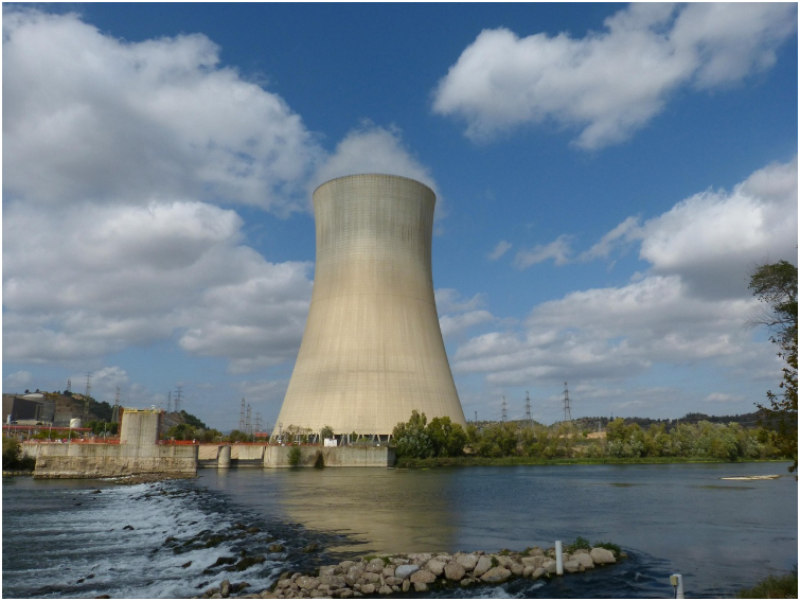
Russian Presidential Press Secretary Dmitry Peskov stated that Russia has always believed that any country should enjoy the right to develop peaceful uses of atomic energy, and Iran, Saudi Arabia, and other countries are no exception. Earlier on July 23 local time, the U.S. Department of Energy announced that it had signed a civil nuclear energy cooperation agreement with Saudi Arabia. The agreement will also be submitted to the U.S. Congress for review. In response to a reporter's question, Peskov said that Russia's position on the peaceful use of atomic energy and the development of peaceful nuclear energy is "well known." He stated that Iran should have this right, and Saudi Arabia and other countries should also have this right....
2026-07-24
Russian flaw detection robots to be deployed for the first time at Egypt's El Dabaa NPP
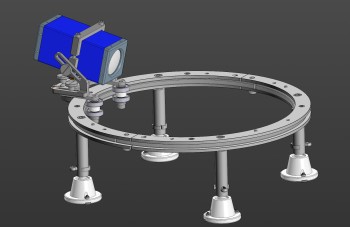
Engineers from Russia's Ural Atomenergo and the Atomic Energy Non-Destructive Testing Center (NDTC) have developed an automated metal non-destructive testing system, which includes specialized inspection devices for reactor pressure vessel equipment. The system will be sent to Egypt's El Dabaa Nuclear Power Plant for related equipment inspection. This is also the first deployment of such a standardized system at a nuclear power project outside Russia. The system consists of multiple robotic arms and a magnetic wheeled robot, capable of delivering ultrasonic flaw detection sensors and measuring devices to positions that are difficult for humans to access. The developer stated that the main goal of the system is to replace manual operations in high-radiation areas, reducing the risk of personnel entering hazardous zones for inspection tasks.
2026-07-30
Russian regulator inspects nuclear fuel cycle safety compliance at Ural Electrochemical Plant
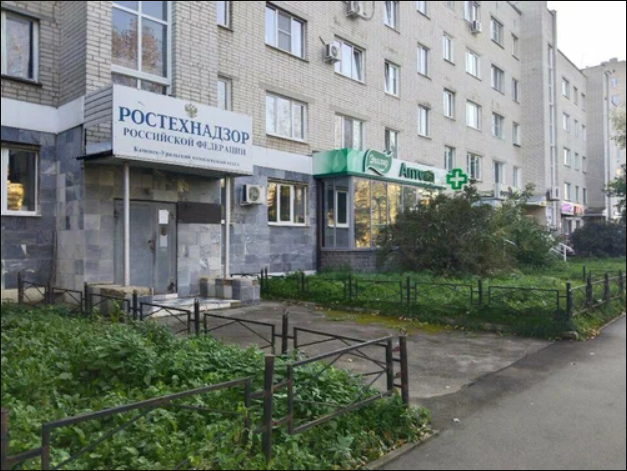
On July 27, the Department for Supervision of Nuclear Fuel Cycle Facilities, Ship Nuclear Power Plants and Radiation Hazardous Facilities of the Federal Service for Environmental, Technological and Nuclear Supervision of Russia conducted a routine on-site comprehensive inspection of the Ural Electrochemical Plant Joint-Stock Company located in Novosibirsk, focusing on verifying the enterprise's compliance with relevant federal laws, regulations, and regulatory license terms on the use of atomic energy. The inspection covered multiple aspects of the operational safety of nuclear fuel cycle facilities, including the implementation of responsibilities of the operating organization in safety assurance, maintenance of performance of important safety systems and components, safety control during technical process implementation, compliance with decommissioning requirements for nuclear facilities, and safety of radioactive waste treatment...
2026-07-30
Russia Completes Manufacturing of Second RITM-200 Reactor Unit for Leningrad Nuclear-Powered Icebreaker
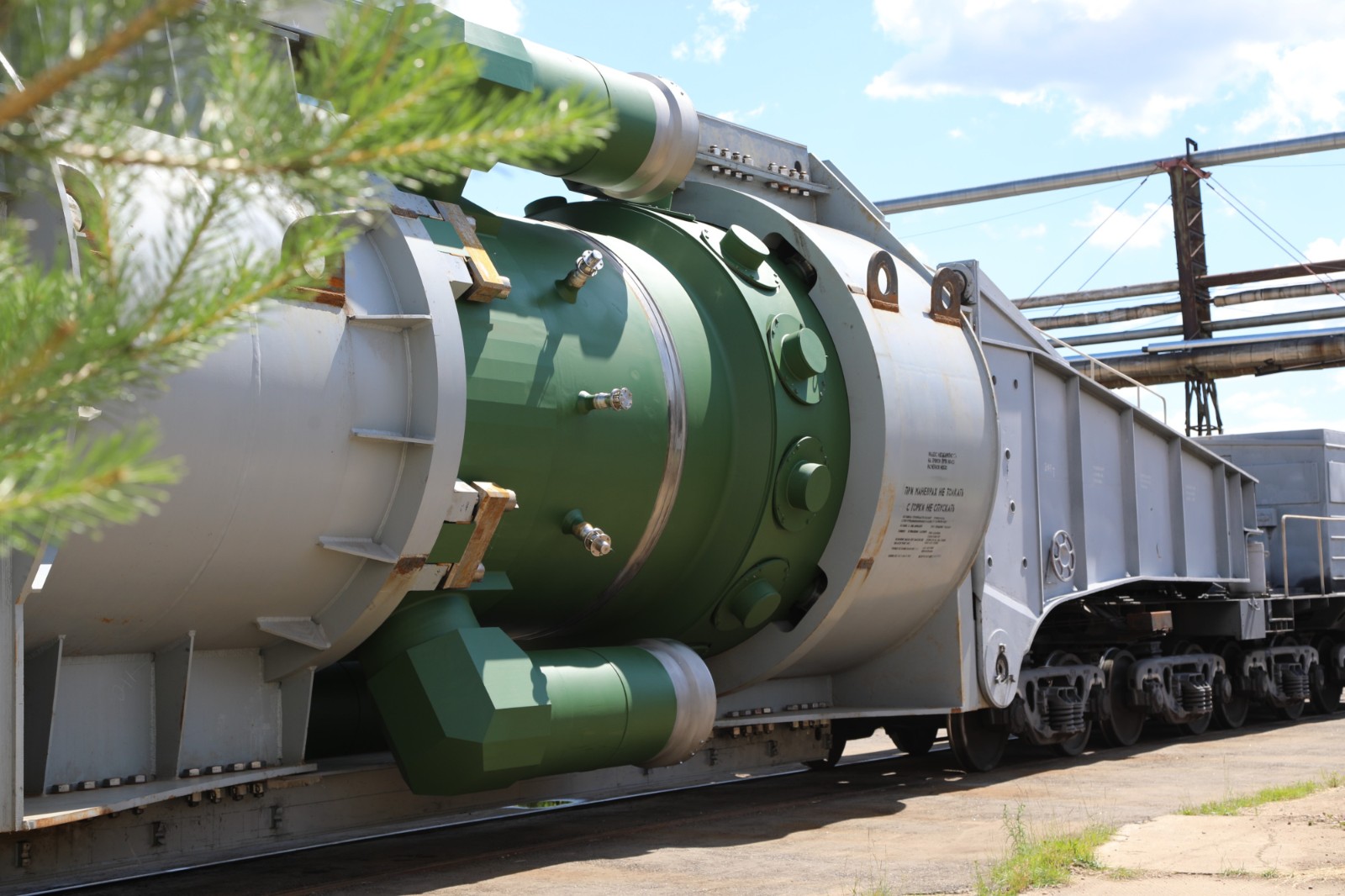
On July 29, Rosatom's ZiO-Podolsk Mechanical Plant in the Moscow Region completed the manufacturing of the second RITM-200 reactor unit for the Leningrad nuclear-powered icebreaker. With this, the manufacturing of all major equipment for the reactor compartment of this under-construction 22220-type universal nuclear-powered icebreaker has been fully completed. The Leningrad nuclear-powered icebreaker began construction in January 2024. The naming of the vessel is linked to the 80th anniversary of the lifting of the Siege of Leningrad, with veterans and survivors of the siege proposing that this new-generation nuclear-powered icebreaker be named Leningrad. Following Rosatom's tradition of naming reactor units, the two completed reactor units of the Leningrad have been named "Iskra" and "Grom," commemorating the operations that broke and ultimately lifted the Siege of Leningrad between 1943 and 1944.
2026-07-30
Rosatom says 13 small reactor pressure vessels at various production stages
Rosatom Director General Alexey Likhachev recently stated that 13 small reactor pressure vessels are currently at various production stages, and the equipment will be used for nuclear-powered icebreakers and small nuclear power plant projects. Likhachev noted that the batch includes reactor pressure vessels for the Uzbekistan nuclear power plant, which is planned to start construction in 2026. He said that the simultaneous manufacturing of 13 small reactor pressure vessels is unprecedented in the history of Russia's nuclear industry. The reactor pressure vessel is one of the core components of the primary circuit of a nuclear reactor, used to house the core and related internal structures, and withstand high temperatures and pressures during operation.
2026-07-30
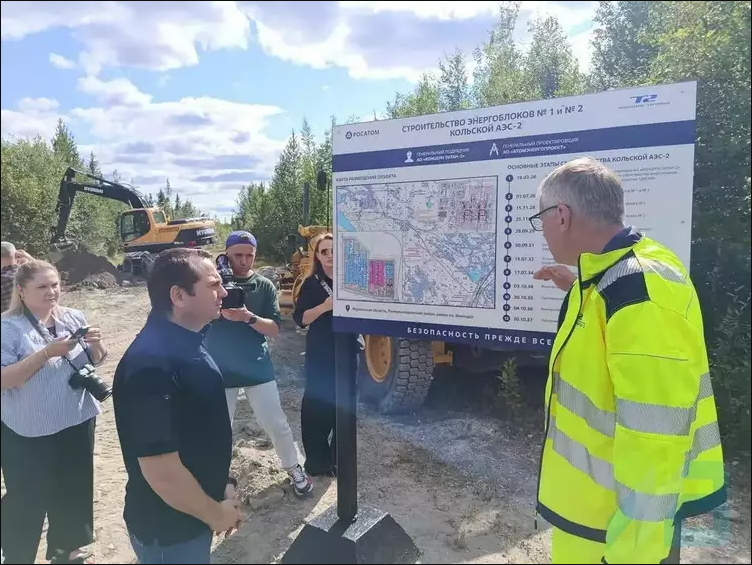
Construction of Kola Nuclear Power Plant Phase II Starts in Murmansk Region
On July 29, Murmansk Region Governor Andrey Chibis announced the start of construction of the Kola Nuclear Power Plant Phase II, located near the town of Polyarnye Zori in the region. Chibis stated that the Kola NPP is the most powerful nuclear power plant north of the Arctic Circle, having supplied energy to the Arctic region for over half a century. The newly launched Phase II project is situated adjacent to the existing plant, with a planned installed capacity of 1,200 megawatts. He noted that the Kola NPP Phase II is the second major energy facility built in the Murmansk Region in the past seven years, and will provide energy support for key regional projects over the coming decades, including the construction of new production facilities, mining projects, and the development of the trans-Arctic transport corridor and the resource base of the Northern Sea Route.
2026-07-30
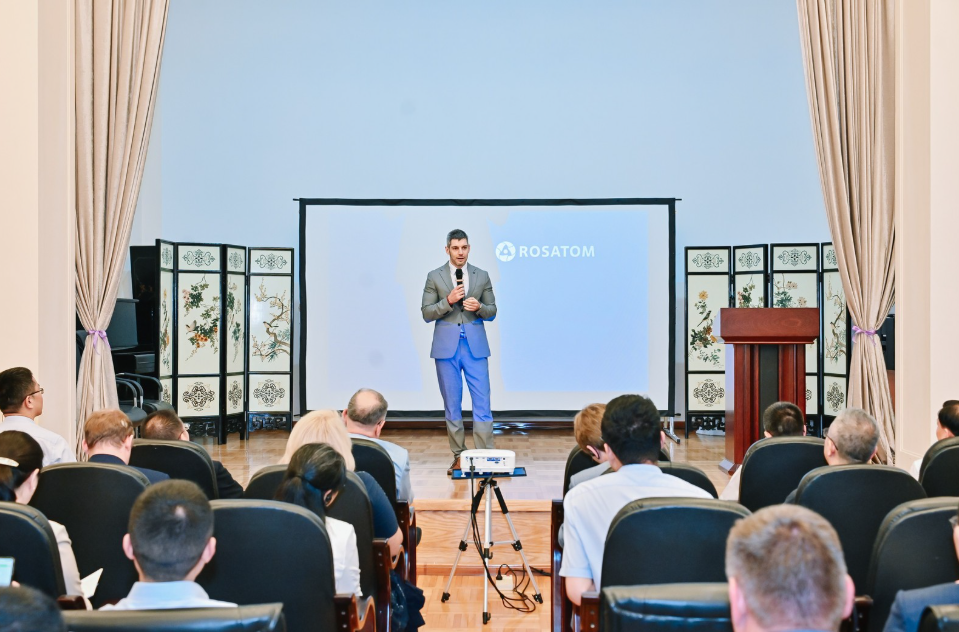
China and Russia Discuss Cooperation on Non-Energy Applications of Nuclear Technology in Beijing
On July 24, Rosatom hosted a Russian-Chinese business matchmaking event in Beijing, focusing on cooperation in the non-energy applications of nuclear technology. Held at the Trade Representation of the Russian Federation in China, the event was attended b
2026-07-27