

Russian Floating Nuclear Power Plant Improves Air Quality in Arctic City
Recently, the Russian floating nuclear power plant Akademik Lomonosov released its latest environmental monitoring report. The report shows that since the nuclear power plant officially took over most of the heating load of Pevek in the Chukotka Autonomous Okrug in 2022, total pollutant emissions into the local atmosphere have plummeted from 11.64 tons to 2.281 tons, a reduction of nearly 80%. It is reported that Rosatom has established 11 automated radiation monitoring stations in Pevek and its surroundings to conduct comprehensive monitoring of air, water quality, soil, and waste. Monitoring results indicate that all environmental impact indicators are better than the established national standards, with average levels less than 10% of the maximum permissible...
2026-10-31
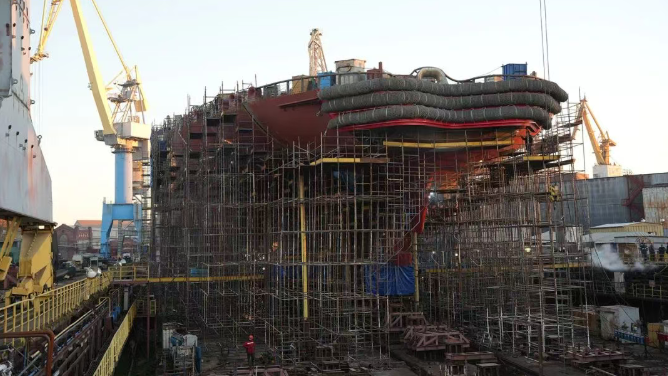
Russia's Nuclear Icebreaker Leningrad Completes Anti-Icing System Installation
Recently, the Baltic Shipyard, a subsidiary of Russia's United Shipbuilding Corporation (ОСК), announced that it has successfully installed the anti-icing device turbo-compressor unit for the Leningrad, the sixth nuclear-powered icebreaker of Project 22220 currently under construction. It is reported that this domestically produced high-performance compressor can provide large-flow compressed air, forming an air-water curtain through underwater exhaust ports on the hull, thereby significantly reducing friction between the hull and ice and scouring away ice debris and accumulated snow. Combined with the 45 mm thick special steel used in the hull's ice belt, this anti-icing system can ensure that the nuclear-powered vessel maintains optimal navigation performance and structural safety when operating in the extreme cold latitudes of the Arctic. The Leningrad is Russia's...
2026-10-30
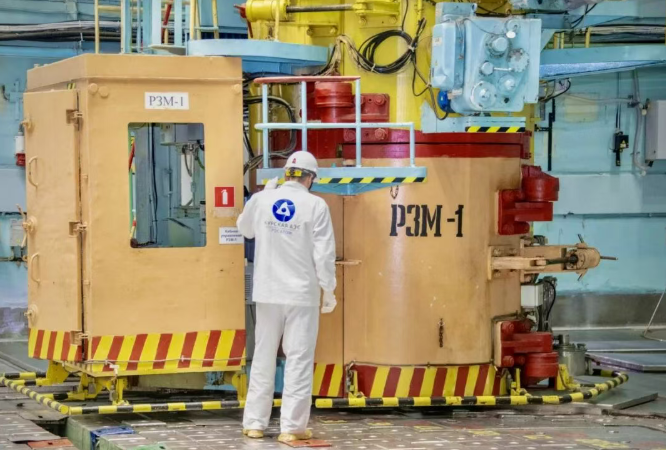
Russia's Kursk Nuclear Power Plant Loads Improved Nuclear Fuel for the First Time
Recently, Russia's State Atomic Energy Corporation (Rosatom) announced that the loading of the first batch of improved low-erbium-oxide-content nuclear fuel assemblies (TVS PSE) into the RBMK-1000 reactors of Units 3 and 4 at the Kursk Nuclear Power Plant has been successfully completed, with official permission obtained from the Federal Service for Ecological, Technological and Nuclear Supervision of the Russian Federation. It is reported that the new fuel was developed and produced by the Machine-Building Plant (MSZ) in Elektrostal, a subsidiary of Rosatom. Denis Pereguda, Deputy Chief Engineer for Safety at the Kursk Nuclear Power Plant, stated that the fuel composition optimization scheme is based on independent calculations by leading nuclear research institutions such as NIKIET...
2026-10-30
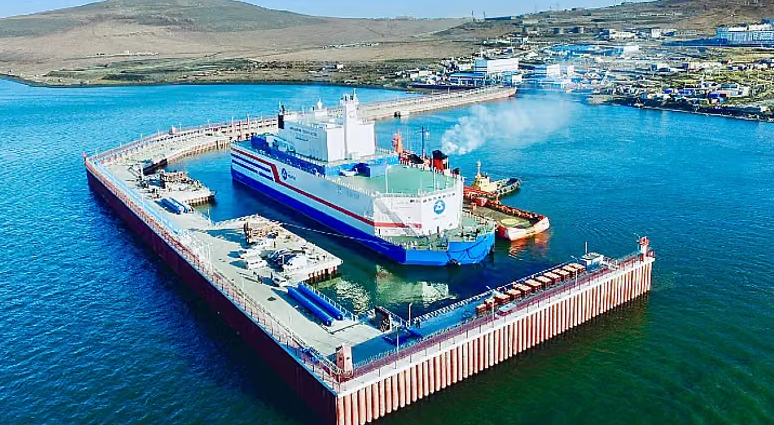
Rosatom Plans to Export Floating Nuclear Power Plants to Four African Countries
Recently, Alexey Likhachev, CEO of Rosatom, stated at the Third Russia-Africa Summit held in Moscow that the company is in in-depth consultations with four African coastal countries—Egypt, Togo, Namibia, and Tanzania—regarding the deployment of 100 MW offshore floating nuclear power plants (FNPPs). It is reported that the floating nuclear power plants offered by Rosatom to the African market are equipped with two RITM-200M reactors adapted for tropical climates, with a total installed capacity of approximately 100 MW and a design life of up to 60 years. The project plans to adopt a Power Purchase Agreement (PPA) business model, with Rosatom responsible for...
2026-10-30

Iran and Russia Plan Joint Construction of Small Modular Reactors
Recently, Behrouz Kamalvandi, spokesperson for the Atomic Energy Organization of Iran (AEOI), announced that Iran is currently at a critical stage of signing a cooperation agreement with Russia, aimed at comprehensively accelerating the joint construction and engineering implementation of small modular reactors (SMRs) between the two sides. It is reported that Kamalvandi made this announcement while attending the 6th Nuclear Energy Ministerial Meeting held in South Korea. He pointed out that in recent years, escalating global environmental challenges have further highlighted the urgency of expanding nuclear power generation. Currently, the total installed nuclear power capacity worldwide is approximately 400,000 MW, of which Iran's Bushehr ...
2026-10-29
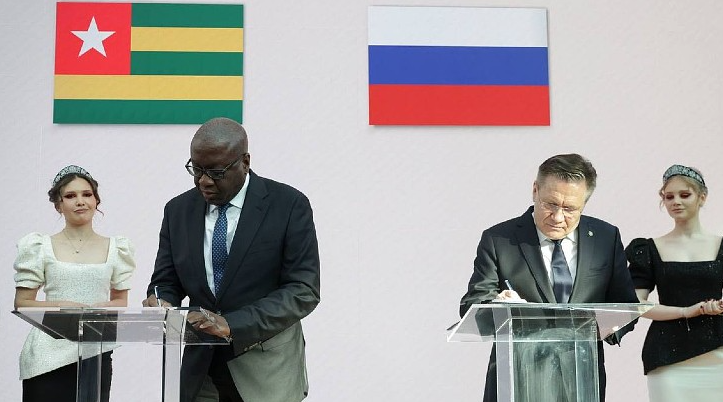
Togo and Russia Sign Memorandum of Understanding on Nuclear Energy Cooperation
Recently, the Ministry of Energy of Togo and Rosatom signed a memorandum of understanding during the Russia-Africa Summit held in Moscow, under which the two sides will jointly assess the feasibility of implementing nuclear power and nuclear technology projects in Togo. It is reported that Togo's Minister of Energy Robert Koffi Messan Eklo and Rosatom Director General Alexey Likhachev jointly signed the agreement. In addition to assessing nuclear power construction, the memorandum will also explore the application of nuclear technology in non-power fields such as healthcare and agriculture, and includes content on cultivating nuclear energy talent in Togo and enhancing public awareness of nuclear energy...
2026-10-29

Egyptian and Russian Heads of State Meet to Discuss Expansion of El Dabaa Nuclear Power Plant
Recently, Egyptian President Abdel Fattah el-Sisi met with Russian President Vladimir Putin at the Kremlin during the third Russia-Africa Summit held in Moscow. El-Sisi stated that Egypt hopes to further expand strategic nuclear energy cooperation with Russia and explicitly proposed plans to build new nuclear reactors after 2030. It is reported that El-Sisi reaffirmed Cairo's firm commitment to the construction timeline and payment obligations of the El Dabaa Nuclear Power Plant project. The reactor pressure vessel for Unit 2 of the nuclear power plant was successfully installed on July 9 this year...
2026-10-29
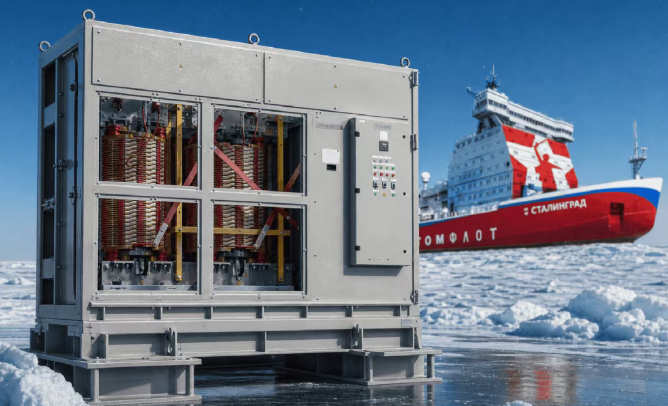
Russian Maritime Register of Shipping Completes Inspection of Key Transformers for Nuclear-Powered Icebreaker
Recently, the Nuclear Ship Branch of the Russian Maritime Register of Shipping (RS) successfully completed the technical inspection of the ТРСЗП-6000/10-ОМ4 three-phase dry-type power transformer intended for the Project 22220 universal nuclear-powered icebreaker Stalingrad. It is reported that the inspection was led by Alexander Mamontov, Chief Engineer Surveyor of the RS Nuclear Ship Branch, and the equipment was manufactured locally by the St. Petersburg-based Electro-Physics company. The transformer has a rated power of 6000 kVA and a rated voltage of 10.5 kV,...
2026-10-28
Rosatom Plans to Build Eight New Nuclear Power Units and SMRs in Iran
Recently, Alexey Likhachev, Director General of Rosatom, announced that Russia and Iran have reached an agreement to jointly construct 8 new nuclear power units in Iran, and signed a cooperation agreement this autumn for the construction of small modular reactor (SMR) nuclear power generation facilities in Iran. It is reported that the two sides are currently steadily advancing the construction of Units 2 and 3 of the Bushehr Nuclear Power Plant. Likhachev refuted rumors that Russian personnel might evacuate from Bushehr, and explicitly stated that Rosatom is expanding the on-site construction workforce as planned, with the total number of Chinese and Russian technical personnel on site expected to gradually increase to ...
2026-10-28
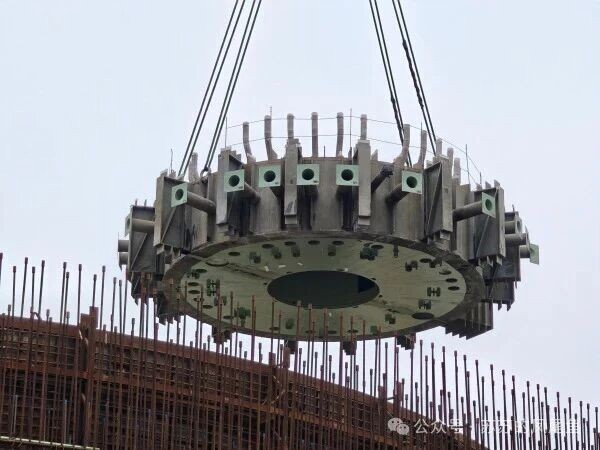
Installation of key components of the core catcher for Unit 4 of Leningrad NPP Phase II completed
The under-construction Unit 4 of Leningrad NPP Phase II has recently reached a key engineering milestone: the engineering team of the general contractor TITAN-2 successfully positioned and secured the maintenance platform and cantilever truss of the core catcher (the core passive safety system molten core retention device) precisely in the reactor shaft. The two large components weigh 78 tonnes and 148 tonnes respectively. Following the installation of the first batch of components (the catcher vessel and internal filler materials) in the summer of this year, another breakthrough has been achieved in the assembly of large structures for this core safety facility. As the core barrier of the defense-in-depth system of the Generation III+ pressurized water reactor (VVER-1200), the core catcher is mainly used under severe accident conditions...
2026-10-25
Russia Launches Pilot Operation of Predictive Analytics System, Achieving Advance Unit Fault Warning Based on Digital Foundation
The Novovoronezh Phase II Nuclear Power Plant, Leningrad Phase II Nuclear Power Plant, and Beloyarsk Nuclear Power Plant under the Electric Power Division of Rosatom officially launched the pilot operation of a new-generation domestically developed industrial-grade predictive analytics system on October 22. The system is designed to identify potential anomalies in advance before substantive mechanical or electrical failures occur in equipment, marking Russia's entry into a stage of in-depth application of digital intelligent operation and maintenance for in-service nuclear power units. The system is built on the "AtomIntellect" industrial digital foundation independently developed by the Fuel Division of Rosatom, integrating cutting-edge machine learning algorithms and deep neural network modeling technologies, and possesses strong large-scale multi-dimensional operating condition...
2026-10-25
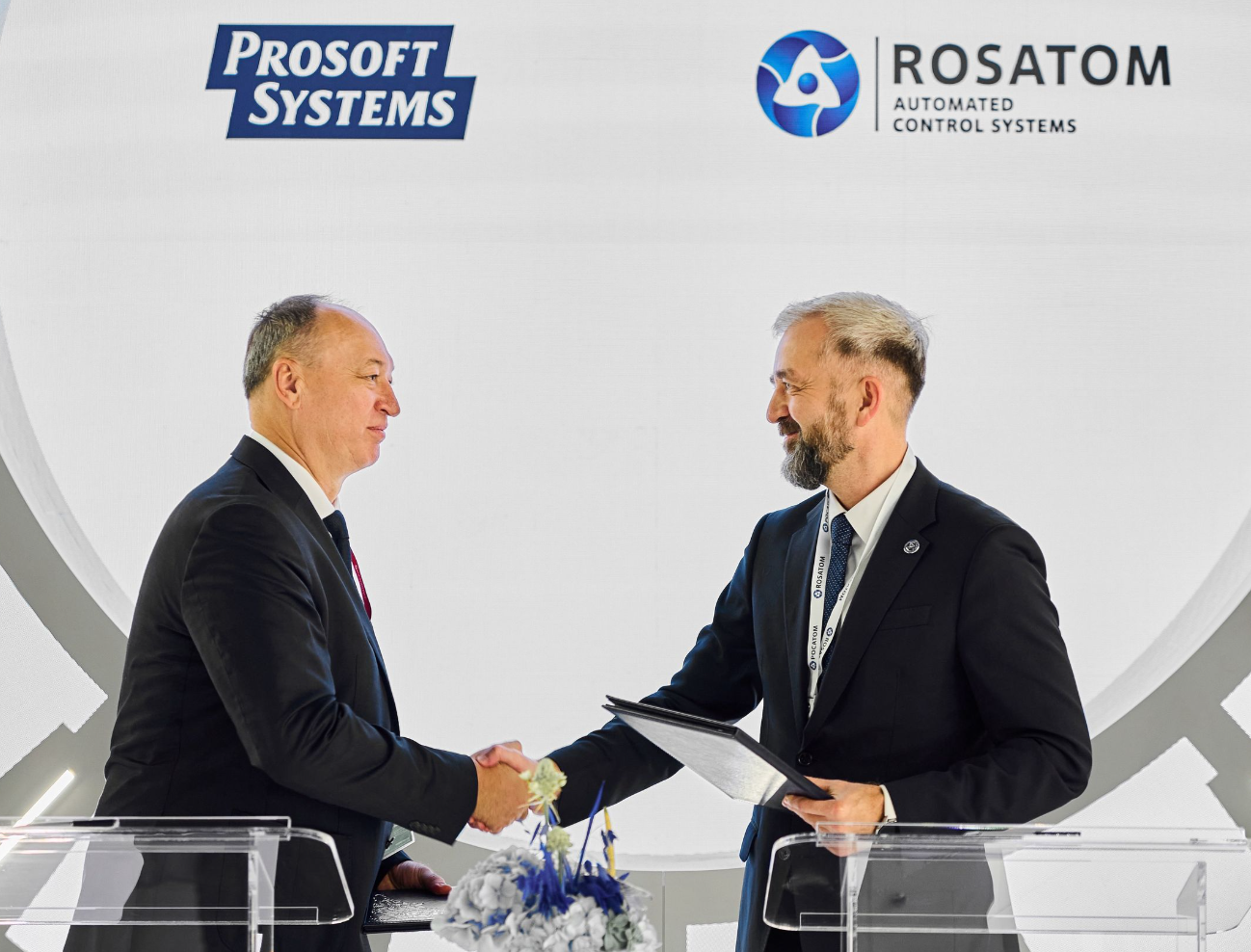
Rosatom Joins Forces with Prosoft-Systems and Reglab to Deepen Cooperation, Boosting Gen IV Nuclear Power and Industrial Autonomous Automation
During the Russian Energy Week international forum held in Moscow, JSC Rusatom Automated Control Systems (RASU), the core management entity of Rosatom's Automation Control Systems and Electrical Engineering Division, formally signed a strategic cooperation agreement with Prosoft-Systems LLC and its controlled subsidiary Reglab LLC. The parties will deeply integrate their technological expertise in industrial-grade hardware development, software development, and turnkey control system engineering deployment...
2026-10-18
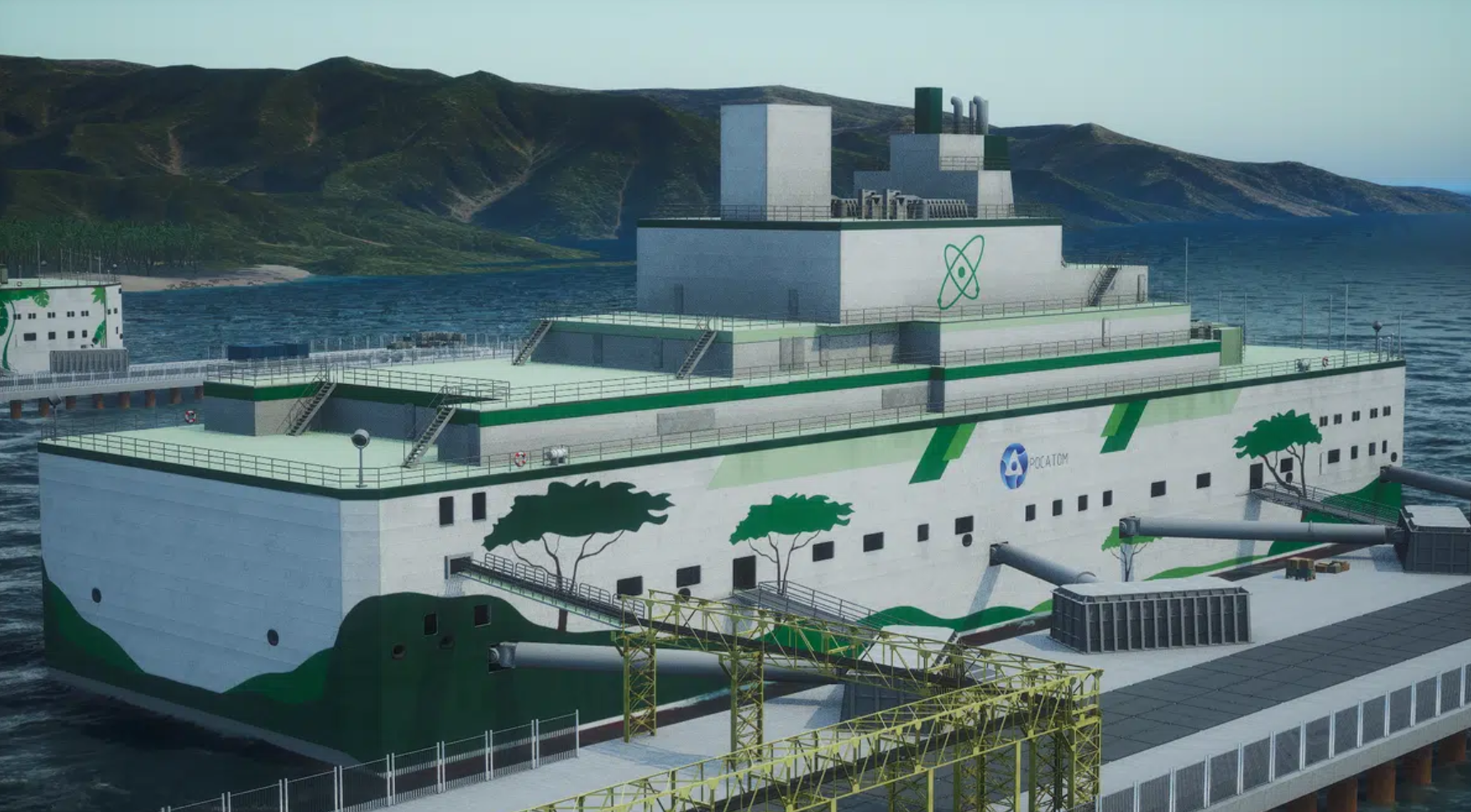
Rosatom and Indonesia Reach Historic Agreement to Implement First Floating Nuclear Power Plant Power Supply Export Project
Rosatom State Corporation and Indonesian state-owned enterprise PT Pembangkit Listrik Nuklir have reached an agreement to supply electricity generated by floating nuclear power units to electricity customers in North Maluku Province in eastern Indonesia. The agreement was signed on October 16, 2026, in Moscow during Russian Energy Week (REW), marking an important milestone in bilateral energy cooperation between Russia and Indonesia. Under the project plan, Rosatom State Corporation will deploy two FPU-...
2026-10-17
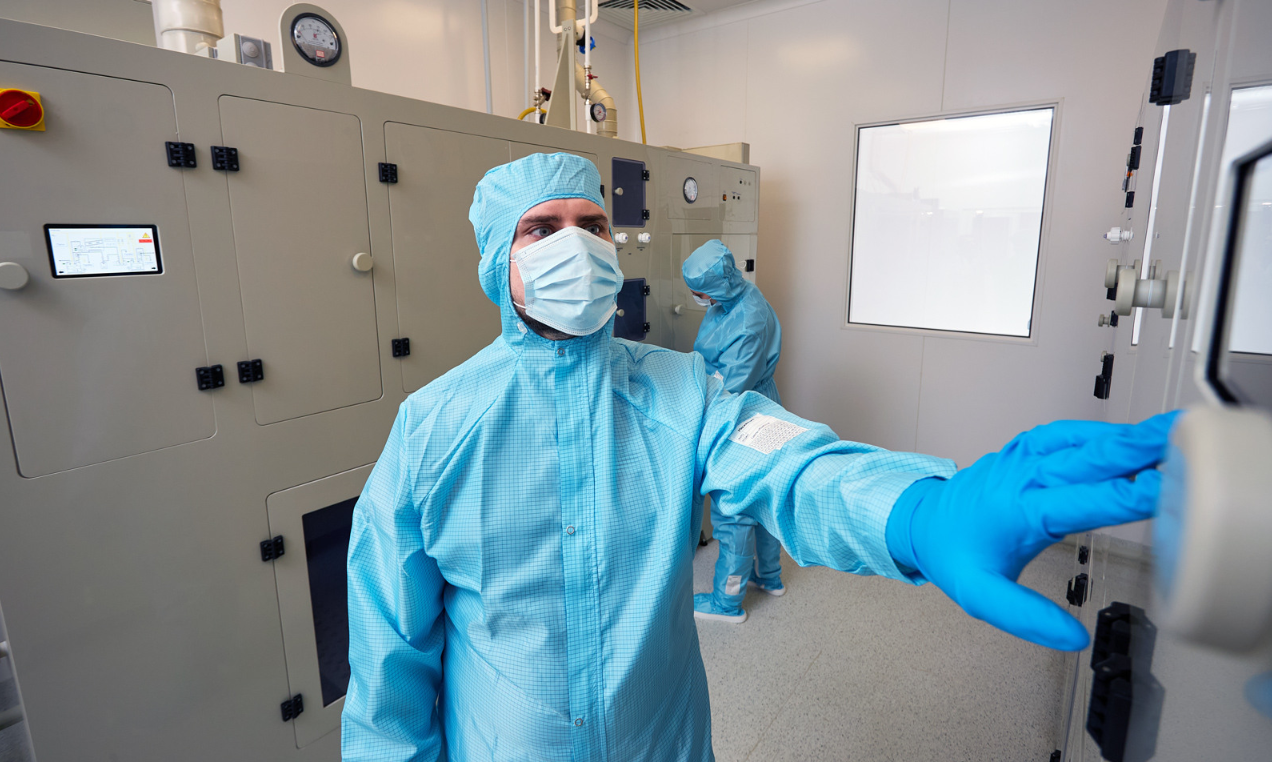
KhimMed to Build Large-Scale Electrolyte Plant for Rosatom, Securing Supply Chain for Gigafactories
Recently, the Fuel Division of Rosatom, Russia's state nuclear energy corporation, signed a cooperation agreement with KhimMed, a diversified chemical holding company, announcing joint development of domestically produced key components for lithium-ion batteries and the construction of industrial-scale electrolyte production facilities at KhimMed's existing site. It is understood that the new facility has a potential annual production capacity of up to 10,000 tons of electrolyte, sufficient to support the production of lithium-ion batteries with a total capacity of 15 GWh to 20 GWh. By comparison, the two gigafactories planned by Rosatom's Fuel Division in Kaliningrad Oblast and Moscow Oblast have a combined planned capacity of 8 GWh, meaning that the electrolyte plant's output can not only fully meet Rosatom's own...
2026-10-16
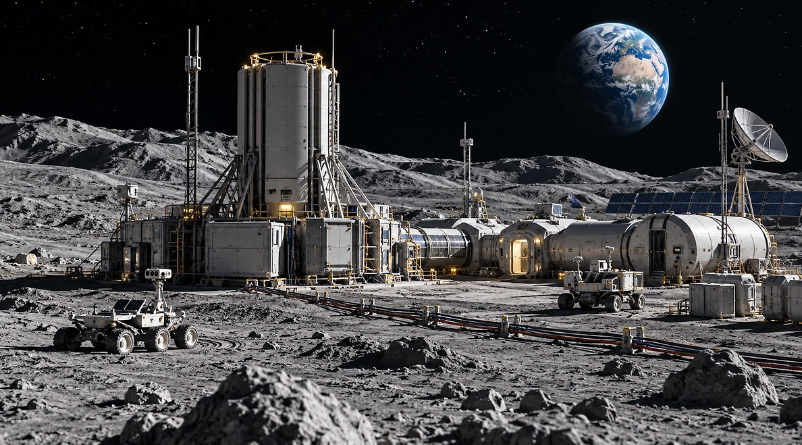
Russia plans to build its first lunar nuclear power plant around 2035 to supply energy for extraterrestrial research bases
Recently, Alexey Likhachev, CEO of Rosatom, stated during a visit to the Atomic Museum at the All-Russian Exhibition Center (VDNKh) that Russia plans to build its first nuclear power plant on the lunar surface before the mid-2030s (around 2035), to provide stable electricity for future lunar bases and research facilities. It is understood that this lunar nuclear power plant will become the core energy hub for future extraterrestrial space stations and deep space exploration infrastructure. Roscosmos signed a formal contract with the Lavochkin Association in December 2025, fully launching the lunar...
2026-10-16
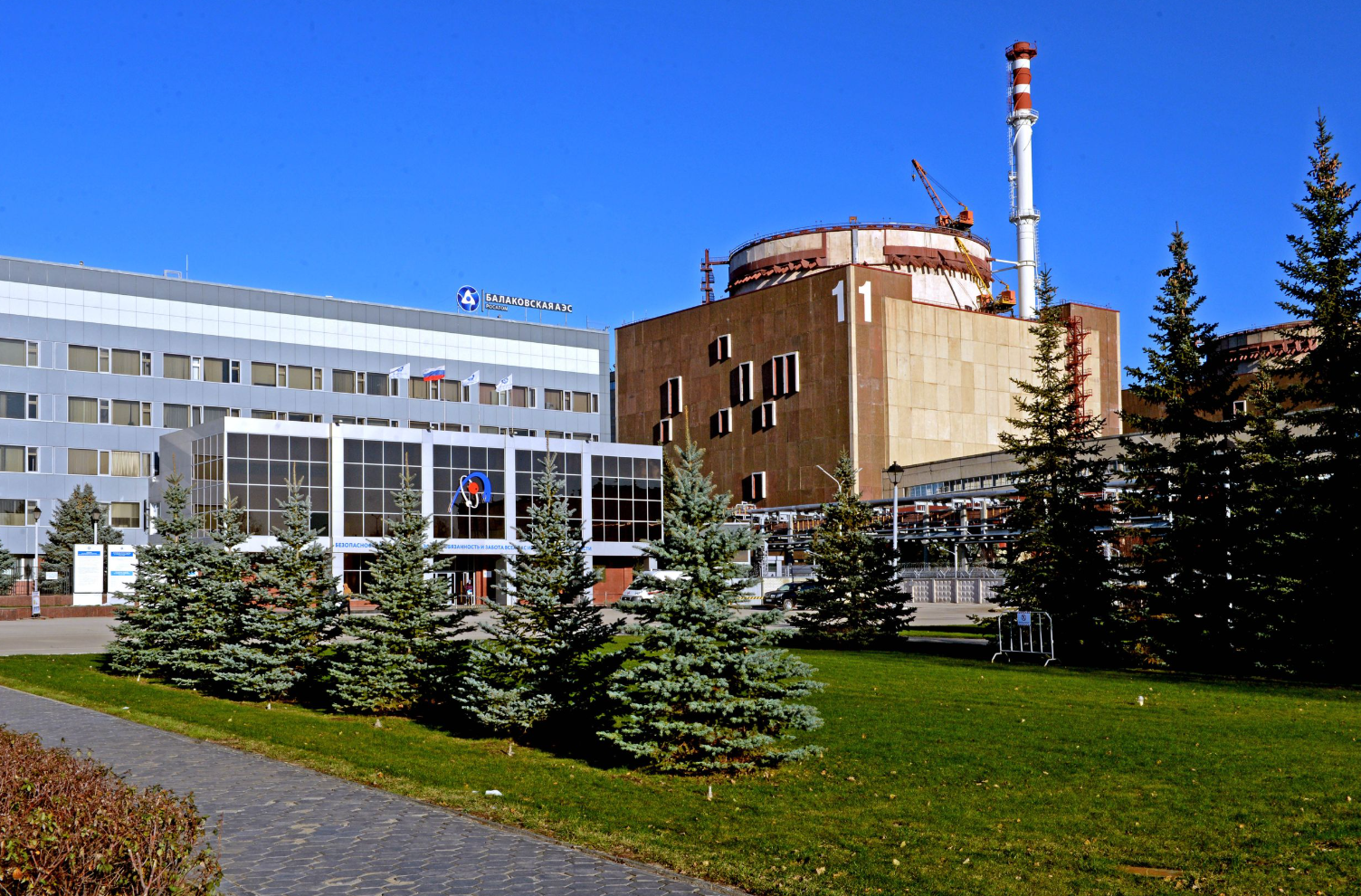
Russia's Balakovo NPP Meets 2026 Metal Decontamination and Recycling Target Ahead of Schedule, Over 57 Tonnes of Purified Steel Ingots Return to Industrial Circulation
Rosenergoatom, the electric power division of Rosatom, has announced that its Balakovo Nuclear Power Plant (Balakovo NPP) has completed its 2026 target for Very Low-Level Waste (VLLW) disposal and metal recycling ahead of schedule. The plant has transferred a cumulative 80 tonnes of very low-level iron-containing metal waste to external specialized processing enterprises. Following deep decontamination and remelting refinement, more than 57 tonnes of clean metal ingots meeting unrestricted release standards were ultimately produced, fully realizing the recycling and regeneration of materials from decommissioned nuclear power equipment. According to the long-term radioactive waste management plan published by Balakovo NPP, the site plans to...
2026-10-14
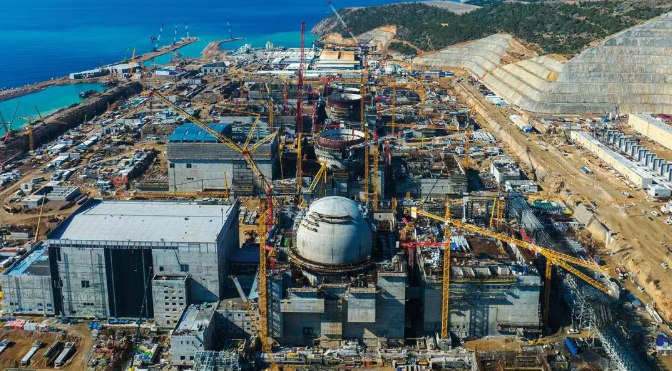
MIPT and U.S. Partners Develop Precise Method for Calculating Nuclear Power Plant Seismic Resistance
Recently, the Science Communication Center of the Moscow Institute of Physics and Technology (MIPT) reported that Russian and American researchers have jointly developed a method capable of precisely calculating the seismic resistance of nuclear power plants, taking into account the heterogeneous structure of reinforced concrete, including the presence of individual rebar within walls and domes. The new method helps improve nuclear power plant safety by accounting for differences in how different types of seismic waves act on reinforced concrete. Alena Favorskaya, a lead researcher at MIPT, stated that the study explicitly identifies metal rebar as heterogeneities in the computational domain rather than averaging them; the grid-characteristic method (gr...
2026-10-13
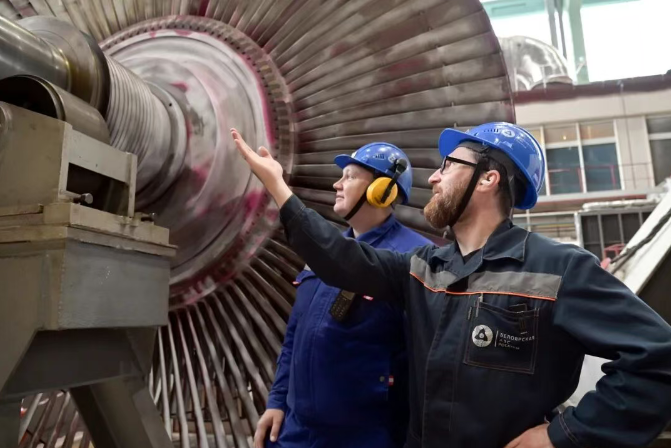
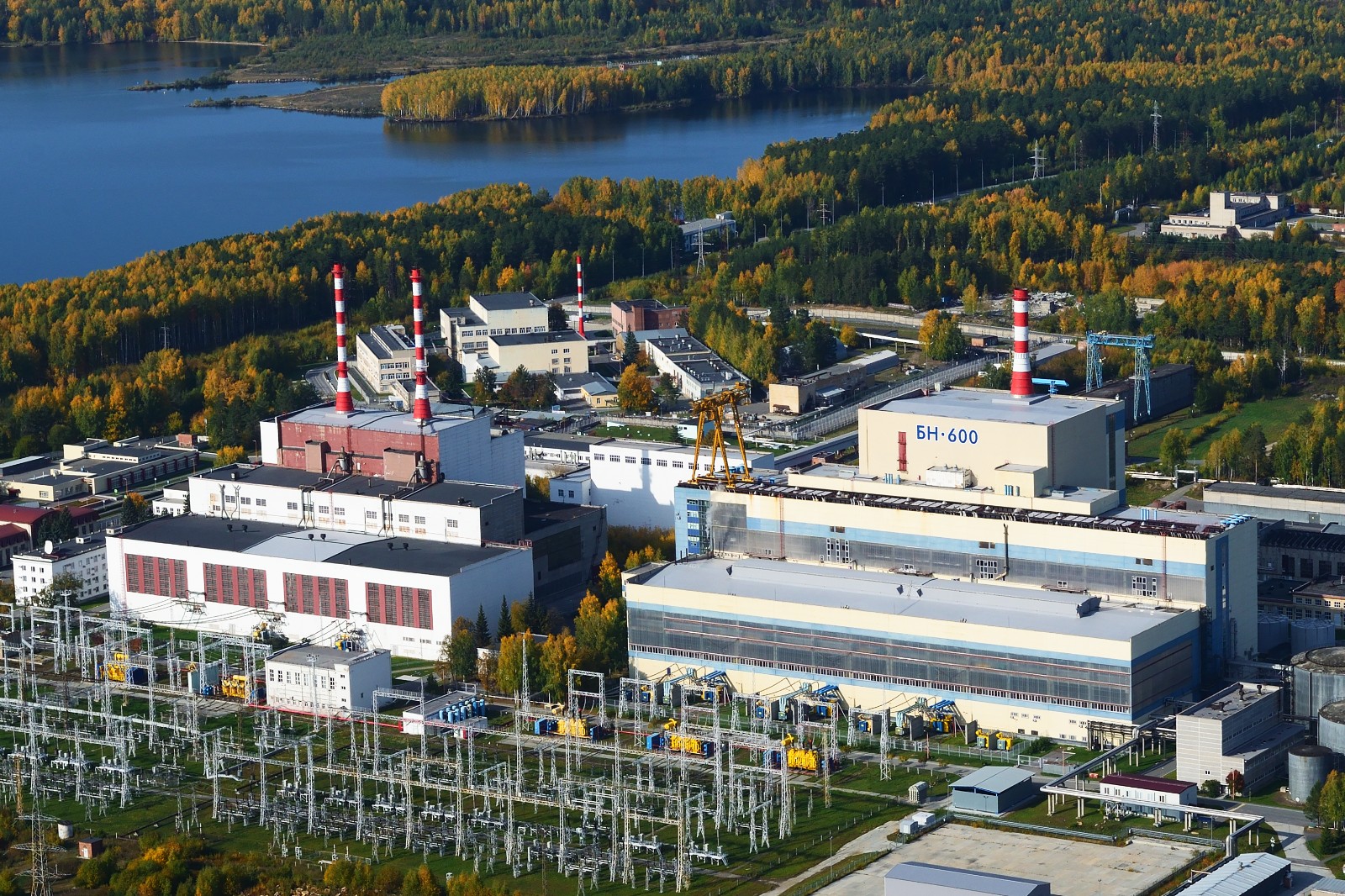
Beloyarsk NPP BN-600 Unit 3 Reaches Full Power After Maintenance, New Liquid Sodium Electromagnetic Pump Commissioned
Recently, Unit 3 of the Beloyarsk NPP equipped with the BN-600 reactor reached 100% power after scheduled maintenance. More than 1,000 employees participated in the maintenance, from the nuclear power plant's maintenance department, Uralatomenergoremont, and other contracting organizations. It is understood that the main work during the outage included: completing the refueling of 120 fuel assemblies containing nuclear fuel, performing major overhaul of the reactor facility and replacing 9 guide tubes of the control and protection system, as well as performing major overhaul of generator No. 6. One of the most important modernization efforts was the replacement of the electromagnetic pump (EMN, electromagnetic pump) used for transporting liquid metal sodium in the secondary loop.
2026-10-13
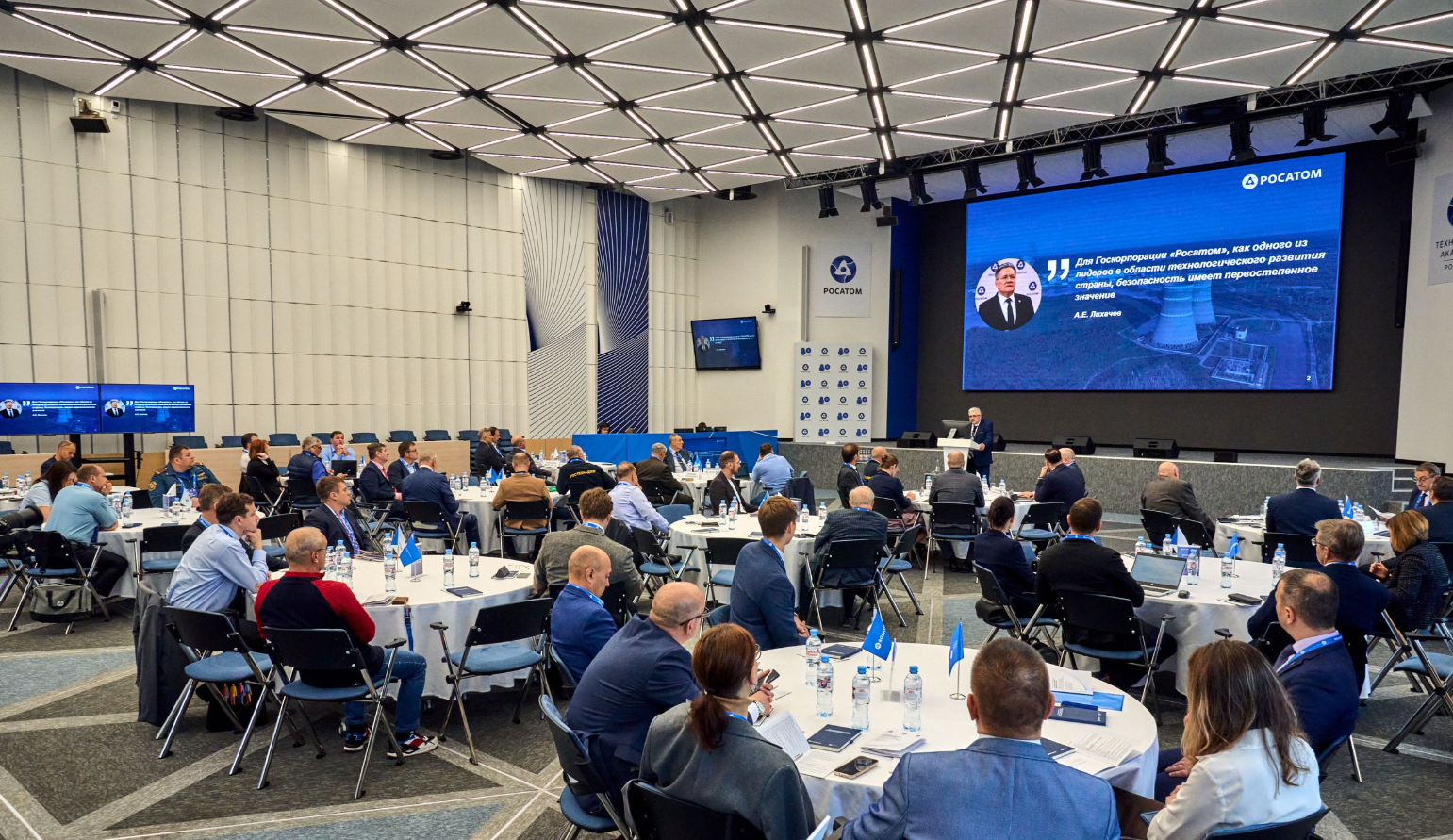
The 20th International Nuclear Forum Concludes in Obninsk: Focusing on Nuclear Emergency Preparedness and Response, Rosatom Showcases Nearly 3,000 Professional Emergency Responders
With the support of the Public Council of Rosatom, the 20th International Nuclear Forum "Nuclear Technology Safety: Emergency Preparedness and Response," hosted by the Rosatom Technical Academy, successfully concluded on October 9, 2026, in Obninsk. As the birthplace of the world's first nuclear power plant, Obninsk hosted this milestone annual international event for the first time. The forum attracted more than 100 nuclear safety and emergency experts from Russia and abroad. In addition to Rosatom, the Federal Service for Ecological, Technological and Nuclear Supervision (Rostechnadzor), Rosenergoatom, the Rosatom Emergency Technical Center, and the NPO Typhoon research and production association...
2026-10-12

Russia Completes Qualification Tests of ITER First Wall Tungsten Lining, Advancing Development of Key Components for International Thermonuclear Fusion
The Efremov Institute of Electrophysical Apparatus (NIIEFA), a subsidiary of Rosatom State Atomic Energy Corporation, recently successfully completed the qualification testing phase of tungsten materials for the first wall lining of the International Thermonuclear Experimental Reactor (ITER). This testing aimed to verify the feasibility of the selected technical solution. The expert team completed vacuum rapid brazing of the tungsten lining, robotic ultrasonic inspection, and rigorous thermal cycling tests, laying a solid foundation for subsequent mass production of key components. As the physical boundary between the scorching plasma and the main reactor equipment in a tokamak device, the first wall lining must protect the equipment from high-energy particle bombardment while...
2026-10-10
Large-Scale Nuclear Emergency Exercise Held at Russia's Beloyarsk NPP: Simulating Response to Concurrent Dual-Reactor Accident
The Beloyarsk NPP in Russia's Sverdlovsk Region launched a two-day comprehensive nuclear emergency exercise on October 6, 2026. The exercise is based on a hypothetical scenario of a natural disaster compounded by a reactor safety system failure, with a focus on emergency response and cross-departmental coordinated handling capabilities when two nuclear reactors experience severe accidents simultaneously. The exercise is being conducted simultaneously at the Beloyarsk NPP site and the neighboring city of Zarechny, and is the largest annual comprehensive nuclear emergency drill in the Russian nuclear industry system and the Ural Federal District. Beloy...
2026-10-08
Reading Ranking
- 1 Vietnam's National Assembly Approves Agreement for Ninh Thuan 1 Nuclear Power Project
- 2 Russian Company InterPolaris Completes Testing of Heat Exchangers and Mechanical Filters for Nuclear-Powered Icebreakers
- 3 Russia's Kursk Nuclear Power Plant Loads Improved Nuclear Fuel for the First Time
- 4 Rosatom Completes Installation of Two Moisture Separator Reheaters for the Conventional Island of the BREST-OD-300 Lead-Cooled Fast Reactor
- 5 Russian Maritime Register of Shipping Completes Inspection of Key Transformers for Nuclear-Powered Icebreaker
- 6 Indian, Russian Leaders to Meet Ahead of BRICS Summit; Talks on New Nuclear Power Plants on Agenda
- 7 Russian Energopotok Plant Delivers 241 Units of Equipment to Multiple Nuclear Power Plants in August
- 8 Kazakhstan's Kazatomprom to Supply Natural Uranium Concentrate to Russian and Chinese Companies
- 9 Russia Says Will Advance Nuclear Cooperation with China, India
- 10 First Batch of Radioactive Waste Transported from New Chernobyl Waste Processing Facility
- 11 Russia's Kurchatov Institute to Receive 5.7 Billion Rubles in Fiscal Budget Support: Focusing on Controlled Thermonuclear Fusion and Advanced Plasma Technology R&D
- 12 Russia Completes Qualification Tests of ITER First Wall Tungsten Lining, Advancing Development of Key Components for International Thermonuclear Fusion
- 13 Russian Scientists Propose Fast Calculation Method to Simulate Plasma Ion Parameters in Seconds
- 14 German state of Lower Saxony approves production of Russian-designed VVER nuclear fuel at Lingen plant under additional strict conditions
- 15 Balakovo NPP Publishes 2025 Ecological Safety Report