
Russia's Balakovo NPP Meets 2026 Metal Decontamination and Recycling Target Ahead of Schedule, Over 57 Tonnes of Purified Steel Ingots Return to Industrial Circulation
 Scan to share
Rosenergoatom, the electric power division of Rosatom, has announced that its Balakovo Nuclear Power Plant (Balakovo NPP) has completed its 2026 target for Very Low-Level Waste (VLLW) disposal and metal recycling ahead of schedule. The plant has transferred a cumulative 80 tonnes of very low-level iron-containing metal waste to external specialized processing enterprises. Following deep decontamination and remelting refinement, more than 57 tonnes of clean metal ingots meeting unrestricted release standards were ultimately produced, fully realizing the recycling and regeneration of materials from decommissioned nuclear power equipment.
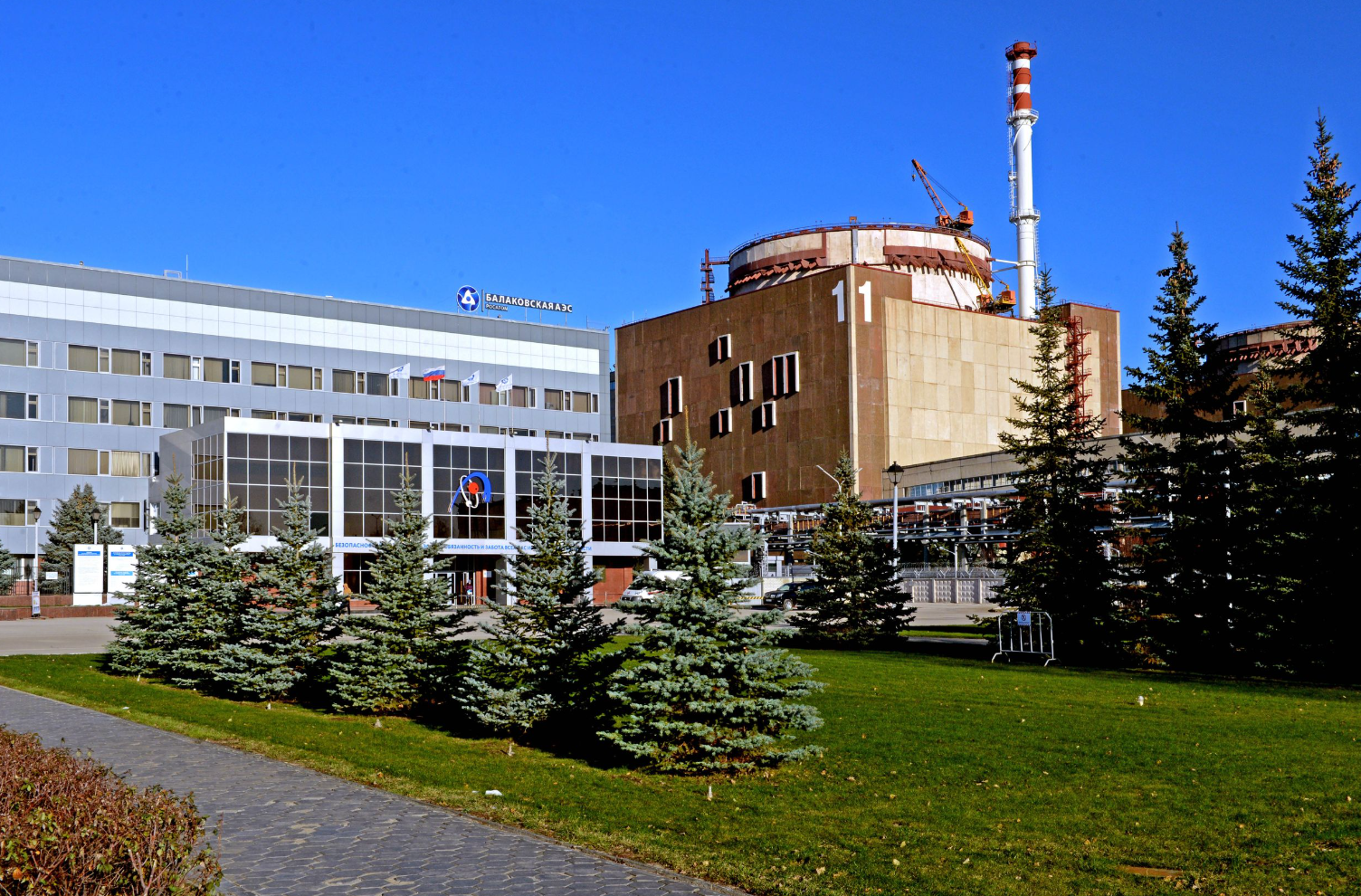
According to the long-term radioactive waste management plan published by Balakovo NPP, the site plans to further transfer and dispose of 220 tonnes of very low-level metal components to specialized processing organizations by the end of 2029. The metal waste completed for removal and disposal this time mainly originated from decommissioned equipment retired during routine maintenance and system upgrades of the nuclear power units, covering various pipeline valves, supporting steel structures, system piping networks, and tooling fixtures and other high-strength alloy components.
To ensure radiation safety throughout the entire transfer and processing chain, all equipment to be processed was sealed in special-purpose containers with strict airtightness that have passed national nuclear safety certification, and safely transported by rail or road to a specialized metal decontamination facility. In the processing workshop, the components underwent multiple volume-reduction and contamination-reduction processes including mechanical dismantling, chemical decontamination, ultrasonic cleaning, and high-temperature melt refining. Continuous radiation monitoring barriers were installed at all operating stations and key nodes to prevent radioactive cross-contamination.
The special metal ingots produced after comprehensive decontamination and remelting possess excellent environmental safety characteristics. Konstantin Melnik, Head of the Radioactive Waste Management Workshop at Balakovo NPP, noted that the integrated decontamination and smelting technology applied by the specialized processing plant effectively removed radionuclides adhering to the metal matrix surfaces. The gamma radiation dose rate of the final steel ingots is entirely within the natural environmental background radiation level, fully meeting the legal safety standards for industrial reuse. These ingots can be directly used as high-quality charge materials for traditional metallurgical steel plants for high-temperature smelting of special steels and industrial alloys.
From the perspective of environmental protection and resource conservation, the decontamination and recycling mechanism for very low-level metal components from nuclear facilities breaks through the previous single engineering model of disposing of all large metal waste as solid radioactive waste through geological storage and landfill, significantly reducing the volumetric load and long-term monitoring costs of high-level radioactive waste final geological disposal repositories. Through systematic recovery of metal raw materials, it not only eliminates the environmental degradation risks of long-term on-site temporary storage of obsolete decommissioned components, but also establishes a practical example for Russia's implementation of the national "Ecology" priority program and the construction of a resource-conserving industrial circular economy.
This initiative is a core strategic component of Rosatom's practice of the circular economy concept and comprehensive reduction of total radioactive waste volumes. Currently, the group is systematically building new waste management infrastructure covering nuclear facilities across Russia. By advancing technological closed loops including extraction of fissile materials from Spent Nuclear Fuel reprocessing, and decontamination and purification of steel and rare metals from decommissioned nuclear facilities, it is maximizing the reduction of high-risk waste requiring permanent isolation and disposal while fully reducing the extraction intensity of strategic natural resources such as natural uranium ore.
Located on the left bank of the Saratov Reservoir in Saratov Oblast, Balakovo NPP is one of Russia's largest backbone nuclear power bases. The plant has four VVER-1000 improved type (V-320) pressurized water reactor units with an installed capacity of 1,000 MW each, which were successively connected to the grid and commissioned between 1985 and 1993. As the most important baseload energy hub in the Volga Federal District, the plant's annual power generation accounts for approximately one-quarter of the district's total electricity generation, continuously providing stable power supply support for the middle and lower reaches of the Volga River, the Central Federal District, the Urals, and the Siberian power grid.
Disclaimer: Information republished from partner media, institutions or other websites is provided for reference and communication purposes only. It does not imply endorsement of its views or verification of its accuracy. Please contact us if any content infringes rights or requires correction.