
Rosatom Establishes Third Base Laboratory in Seversk to Cultivate Fourth-Generation Nuclear Power Engineering Talent Through Targeted Training
 Scan to share
In the closed administrative-territorial formation of Seversk (ZATO Seversk) in Tomsk Oblast, Russia, Rosatom has officially established and commissioned its third industry Base Laboratory under the framework of the national science and technology leadership project “New Nuclear and Energy Technologies” (Новые атомные и энергетические технологии). The laboratory focuses on fourth-generation nuclear power engineering practice, aiming to provide systematic advanced talent reserves for Russia's and the world's first “reactor + closed nuclear fuel cycle” demonstration facility.
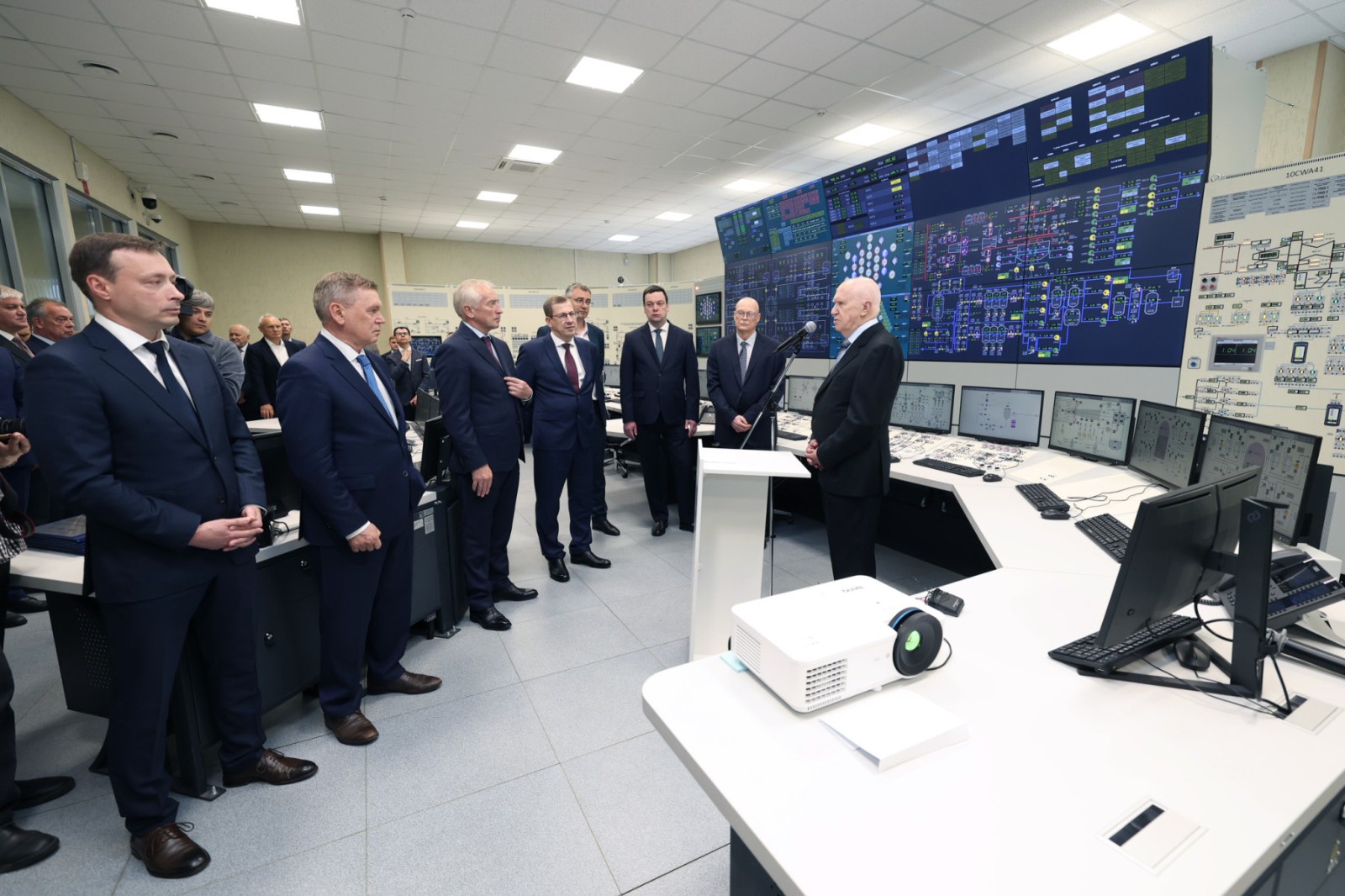
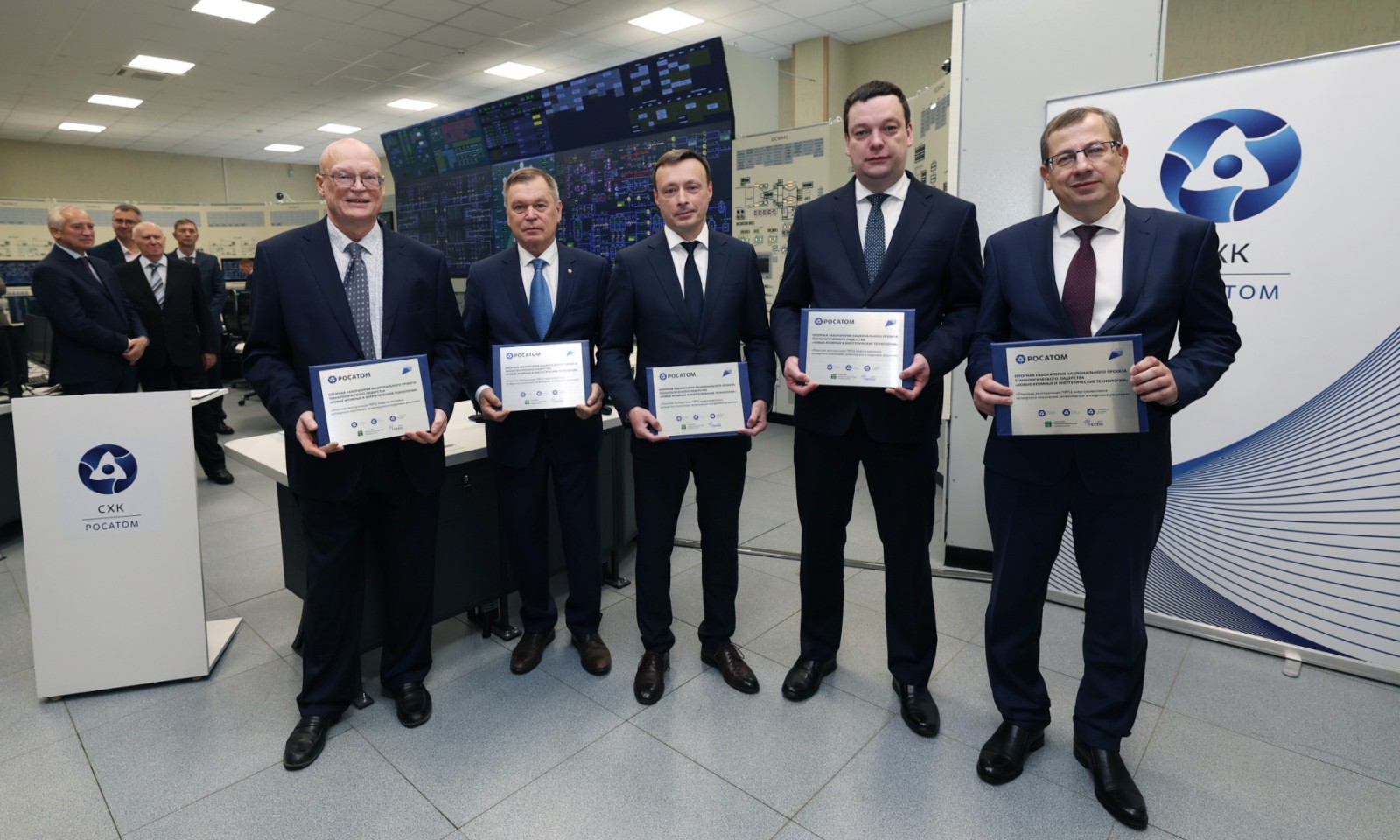
The co-construction cooperation agreement for this Base Laboratory was jointly signed by Rosatom, the strategic project management entity AO "Proryv" (Breakthrough Project), the Rosatom Technical Academy, the Siberian Chemical Combine (SCC / АО «СХК») under the Fuel Division, as well as the National Research Nuclear University MEPhI (NRNU MEPhI) and Tomsk Polytechnic University (TPU).
The coordination and teaching management hub of the laboratory is located at the Seversk Technological Institute (STI MEPhI), adjacent to the production site of the fourth-generation Demonstration Energy Complex (ODEC). The teaching and research experimental platform deeply integrates the advantageous resources of three parties: the Siberian Chemical Combine, the Seversk branch of MEPhI, and Tomsk Polytechnic University. MEPhI and Tomsk Polytechnic University will jointly carry out higher education and inter-university networked continuing engineering education through the laboratory; the Rosatom Technical Academy focuses on advanced professional skills development and on-site practical training for in-service personnel; the Siberian Chemical Combine fully opens its production demonstration facility site to support topic research, engineering process verification, and hands-on teaching for frontline technical personnel.
Natalya Ilyina, Director of Science and Technology Planning and Project Management at Rosatom, emphasized that Rosatom is building professional talent cultivation infrastructure in full-process synchronization with the evolution cycle of cutting-edge nuclear energy technologies. The previously established first Base Laboratory (at Sirius University in Sochi) focused on the research and development of special robotic systems for nuclear energy, and the second Base Laboratory (in St. Petersburg) focused on numerical computational modeling of nuclear power processes and physical systems; the third Base Laboratory now located in Seversk has the core objective of directly tackling the commissioning and production operational maintenance of the fourth-generation Demonstration Energy Complex. Seamlessly interlocking cutting-edge basic research, engineering design, higher education, and real nuclear industry production enables talent cultivation to break free from the bottleneck of passive catch-up and achieve a strategically advanced layout for industrial-scale commercial deployment.
Konstantin Izmestiev, Acting General Director of the Siberian Chemical Combine, stated that the Seversk Base Laboratory is a direct response to the talent gap of the strategic “Proryv” (Breakthrough) Project and will purposefully produce a group of interdisciplinary engineering and technical backbone personnel skilled in the operation of advanced lead-cooled fast reactors and highly active nuclear fuel cycles. The fourth-generation Demonstration Energy Complex (ODEC) underpinning the “Proryv” Project comprises three core closed-loop modules: a high-density nitride mixed fuel (MNUP fuel) fabrication/re-fabrication module, a BREST-OD-300 power unit equipped with an innovative lead-cooled fast neutron reactor, and an on-site dry/wet advanced reprocessing module for spent fuel. This project is the world's first to implement plant-level “fast neutron reactor + on-site closed nuclear fuel cycle,” and is of milestone significance for reshaping inherent reactor safety, greatly improving uranium resource utilization efficiency, and achieving deep transmutation of radionuclides.
Disclaimer: Information republished from partner media, institutions or other websites is provided for reference and communication purposes only. It does not imply endorsement of its views or verification of its accuracy. Please contact us if any content infringes rights or requires correction.