
German state of Lower Saxony approves production of Russian-designed VVER nuclear fuel at Lingen plant under additional strict conditions
 Scan to share
The government of Lower Saxony in northwestern Germany has approved a nuclear project linked to Russia's state nuclear corporation Rosatom. The project, operated by French company Framatome, aims to produce Russian-designed nuclear fuel rods and fuel assemblies in the city of Lingen, with key components to be supplied by Rosatom's subsidiary TVEL. Nevertheless, to address potential security risks, particularly threats of espionage and sabotage from Russian participants, the approval was granted with strict conditions.
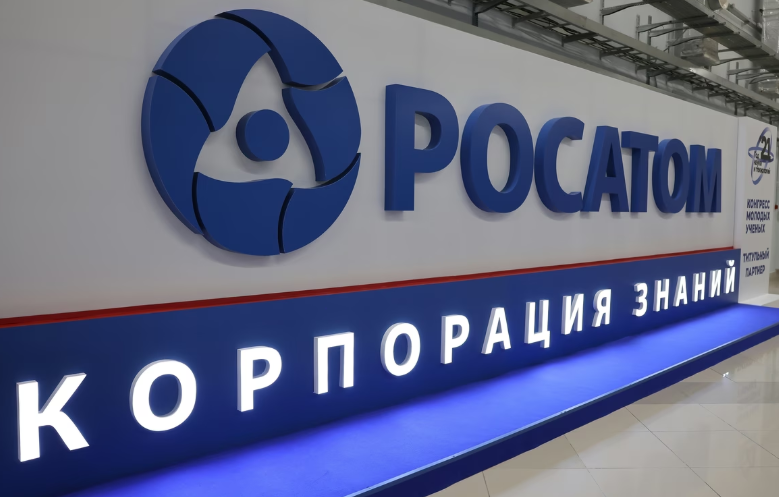
Under the terms of the approval, employees of Rosatom and TVEL will be barred from entering the facility, except in exceptional circumstances and when accompanied by nuclear regulatory authorities. Additionally, all machinery and equipment supplied by TVEL will be subject to comprehensive security inspections, and Framatome employees must comply with relevant regulations to prevent espionage, sabotage, or recruitment activities involving TVEL and Rosatom personnel. These measures are designed to minimize the risks that Russian involvement may pose.
The project received approval at a time when the European Union is increasingly emphasizing nuclear energy as a key pathway to reducing dependence on fossil fuels. At the same time, the EU is also working to ban energy imports from Russia in response to the impact of the war in Ukraine. Nevertheless, after assessing the latest evaluations from security agencies, the German government concluded that the project could proceed provided strict security measures are implemented.
However, this decision has also sparked controversy. Lower Saxony's Environment Minister Christian Meyer has questioned the federal government's approval and the revised security assessment, calling it "fundamentally wrong." Nevertheless, he acknowledged that due process must be respected in a state governed by the rule of law. Roderich Kiesewetter, an expert from the Christian Democratic Union, has called for the permit to be revoked, arguing that it constitutes a security risk—either a successful Russian influence operation or an irresponsible act.
The Federal Environment Ministry has denied responsibility for this decision, emphasizing that the Lower Saxony Environment Ministry, as the licensing authority, is responsible for investigating and assessing the relevant facts. Although the state ministry is subject to federal government oversight, it makes decisions independently unless the federal ministry assumes decision-making authority over the project. In fact, the Federal Environment Ministry has been involved in the project since 2022 and reserved the right to approve the final decision, a power it has now exercised.
Disclaimer: Information republished from partner media, institutions or other websites is provided for reference and communication purposes only. It does not imply endorsement of its views or verification of its accuracy. Please contact us if any content infringes rights or requires correction.