
KhimMed to Build Large-Scale Electrolyte Plant for Rosatom, Securing Supply Chain for Gigafactories
 Scan to share
Recently, the Fuel Division of Rosatom, Russia's state nuclear energy corporation, signed a cooperation agreement with KhimMed, a diversified chemical holding company, announcing joint development of domestically produced key components for lithium-ion batteries and the construction of industrial-scale electrolyte production facilities at KhimMed's existing site.
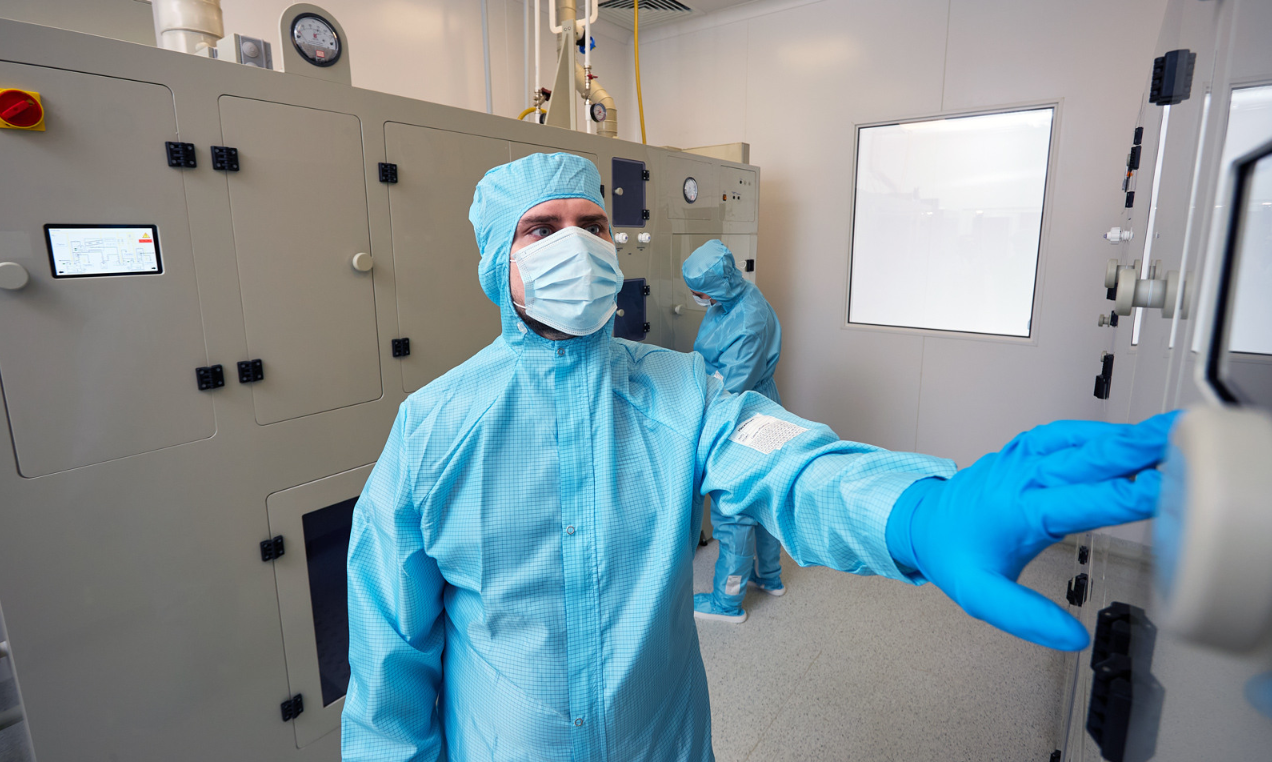
It is understood that the new facility has a potential annual production capacity of up to 10,000 tons of electrolyte, sufficient to support the production of lithium-ion batteries with a total capacity of 15 GWh to 20 GWh. By comparison, the two gigafactories planned by Rosatom's Fuel Division in Kaliningrad Oblast and Moscow Oblast have a combined planned capacity of 8 GWh, meaning that the electrolyte plant's output can not only fully meet Rosatom's own energy storage and power battery needs, but also supply other domestic battery manufacturers in Russia, significantly enhancing the localization level and technological autonomy of Russia's battery industry chain.
In terms of project deployment and technological advantages, the new plant will leverage KhimMed's specialized R&D expertise and mature infrastructure in the field of specialty high-purity chemicals to shorten logistics cycles and accelerate industrial application. As a key core material for lithium-ion batteries, the performance of the electrolyte directly determines the battery's cycle life, operating temperature range, charging speed, and operational safety. In the future, the project will also serve as an important foundation for both parties to expand R&D into cathode materials, anode materials, and other battery-grade chemicals.
It is reported that Vsevolod Voronov, Deputy Science and Technology Director of the Energy Storage Business Unit of Rosatom's Fuel Division, and Nikolai Tsourkov, President of KhimMed, both emphasized that with the successive commissioning of gigafactories, building a localized supply chain for key components is crucial for the sustainable development of Russia's new energy and energy storage industries. Industry analysis points out that this cross-sector cooperation marks an important step for Rosatom in extending from traditional nuclear energy to the entire clean energy storage industry chain, and will provide solid material support for the large-scale deployment of electric vehicles and stationary grid energy storage.
Disclaimer: Information republished from partner media, institutions or other websites is provided for reference and communication purposes only. It does not imply endorsement of its views or verification of its accuracy. Please contact us if any content infringes rights or requires correction.