
U.S. nuclear company TerraPower partners with Korean firms to advance Natrium advanced nuclear deployment in America
 Scan to share
U.S. nuclear company TerraPower, backed by Bill Gates, is accelerating the commercialization of its advanced nuclear reactors. The company announced on August 14 that it has reached cooperation agreements with South Korea's Hyundai Engineering & Construction and SK Innovation, aiming to advance the deployment of up to eight 345 MW Natrium reactors in the U.S. nuclear expansion. The first plant is expected to be completed by 2030, a timeline that underscores the urgency of deploying next-generation nuclear technology in the United States.
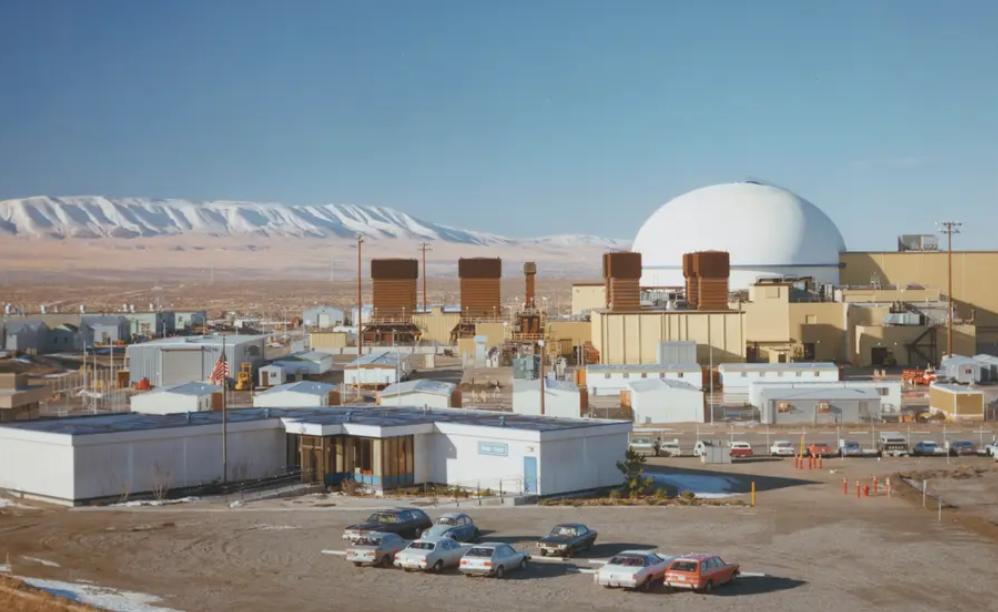
Under the agreement, Hyundai Engineering & Construction has been selected as the engineering, procurement, and construction contractor for up to eight future Natrium reactor projects. The cooperation arrangement also includes related financing guarantee mechanisms, intended to enhance project bankability and reduce uncertainties in the early stages of large-scale construction. TerraPower President and CEO Chris Levesque stated that this marks a new phase of international cooperation with leading Korean institutions, reflecting the growing reliance of advanced nuclear projects on cross-border supply chains and engineering capabilities.
The core of Natrium technology lies in combining a 345 MW sodium-cooled fast reactor with a molten salt energy storage system. The reactor can operate continuously at full power, storing generated heat in molten salt tanks during periods of low electricity demand; when power demand rises, the stored heat is used to drive steam turbines for electricity generation. This design seeks to address the traditional nuclear issue of being "stable but not flexible enough," enabling nuclear power to better complement renewable energy fluctuations and grid peak-shaving needs.
TerraPower's choice to partner with Korean companies also highlights South Korea's strengths in large-scale engineering construction, the nuclear industry chain, and project execution. For the United States, advanced nuclear is seen as a key option for reducing carbon emissions, enhancing energy security, and replacing aging fossil fuel power plants; for Korean companies, participating in the Natrium project helps them enter the U.S. next-generation nuclear market and secure a position in the global advanced reactor competition.
However, the path from demonstration to large-scale commercial deployment of the Natrium reactor still faces challenges including regulatory approval, supply chain development, cost control, and public acceptance. If the first plant is commissioned on schedule in 2030 and validates its energy storage and flexible generation capabilities, TerraPower's model could become an important template for the U.S. nuclear renaissance and provide a new commercial reference for global advanced nuclear technology pathways.
Disclaimer: Information republished from partner media, institutions or other websites is provided for reference and communication purposes only. It does not imply endorsement of its views or verification of its accuracy. Please contact us if any content infringes rights or requires correction.