
Nuclear Technology Aids Pest Control: Sterile Insect Technique Achieves Results in Multiple Countries
 Scan to share
The application of nuclear technology is not limited to power generation and heating. In areas such as agricultural pest control, animal health, and disease vector management, the Sterile Insect Technique (SIT) based on cobalt-60 gamma rays is playing an important role.
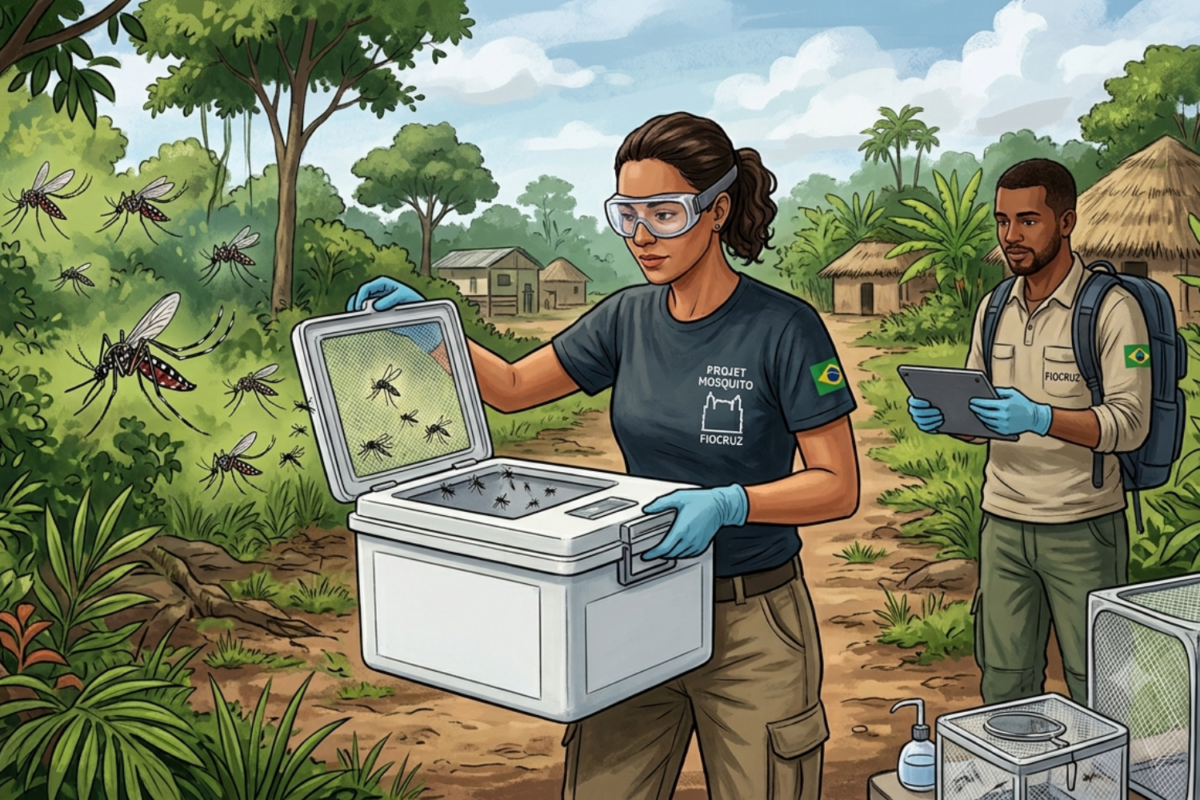
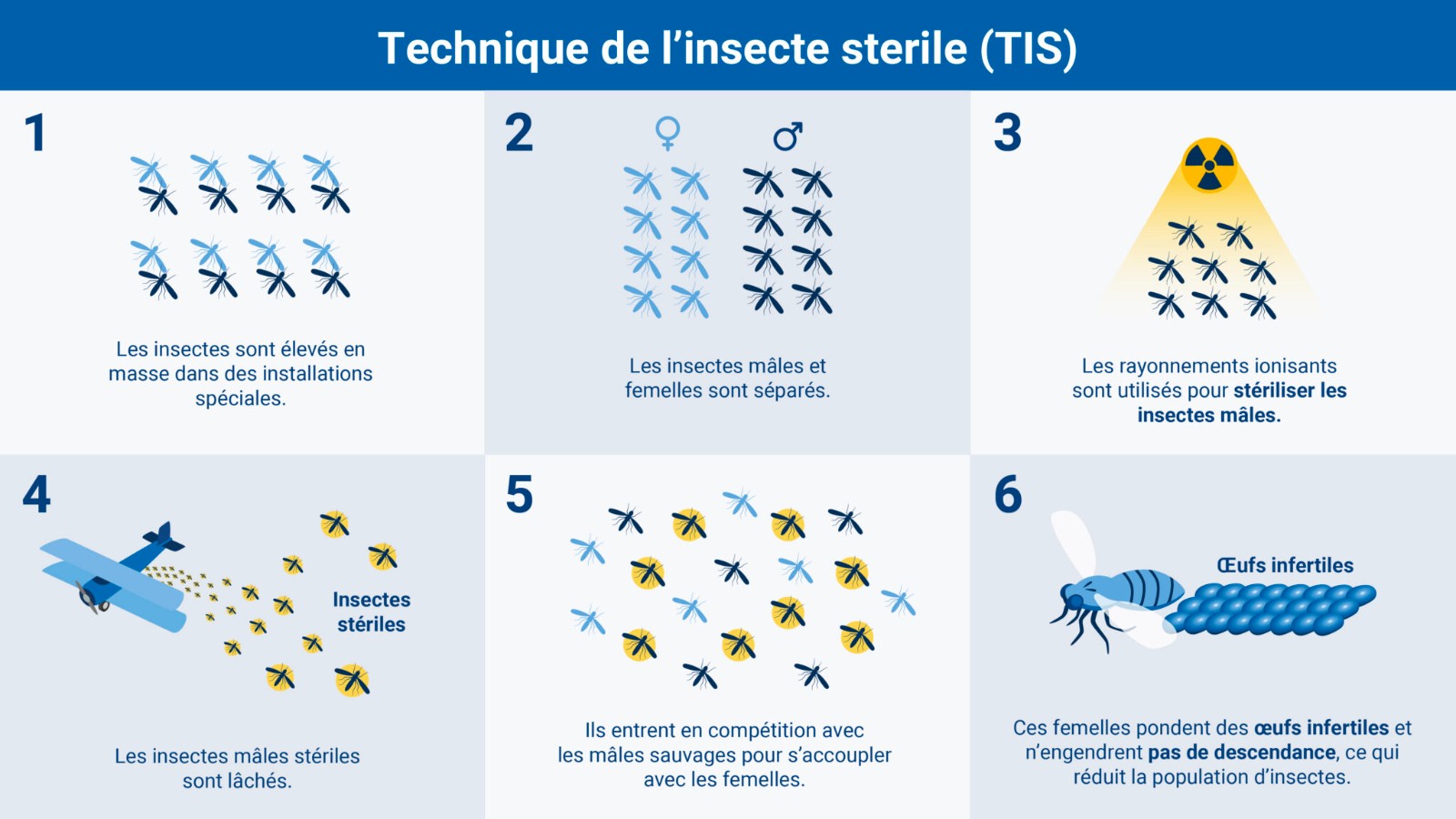
The core approach of SIT involves mass-rearing target pests in specialized facilities, separating males, and then irradiating them with a cobalt-60 gamma ray source. The radiation causes DNA breaks in the reproductive cells of male insects, leaving them able to fly and mate with wild females but unable to produce viable offspring. As large numbers of sterile males are continuously released, the proportion of ineffective matings in the wild population increases, pest numbers decline generation after generation, and under certain conditions, local eradication can even be achieved.
International Atomic Energy Agency
Compared with some chemical pesticides, SIT is highly species-specific, leaves no residues in the environment, and is less prone to inducing resistance. Since the released insects cannot reproduce, the technology also reduces the risk of invasive species spreading in ecosystems. However, the technology places high demands on implementation, requiring accurate identification of pest-infested areas, continuous monitoring of wild populations, and the production and release of millions of insects each week over multiple generations. Practice has shown that SIT is more effective when the target pest population has already been suppressed or when used in combination with other control methods.
Cobalt-60 is typically produced by converting natural cobalt-59 through neutron capture in nuclear reactors, and it emits high-energy gamma rays with a half-life of 5.27 years. After production, cobalt-60 is encapsulated as sealed sources for use in irradiation facilities required for SIT, as well as in applications such as medical supply sterilization. Relevant data show that global cobalt-60 production is concentrated in a few countries, including Canada, Russia, China, Argentina, and India, with EDF and Framatome also studying the feasibility of producing cobalt-60 using French pressurized water reactors.
Currently, the International Atomic Energy Agency and the Food and Agriculture Organization of the United Nations jointly support and develop the Sterile Insect Technique. The two organizations established their cooperation in 1959 and set up a joint laboratory in Seibersdorf, Austria, in 1964, combining agricultural expertise with nuclear technology capabilities for work related to agriculture, food, and animal health.
In Zanzibar, Tanzania, SIT was used to eradicate the tsetse fly. The tsetse fly transmits parasites that cause sleeping sickness in humans and nagana disease in animals, severely affecting livestock development. The local campaign was carried out in two phases: from 1988 to 1994, insecticides were first used to suppress the tsetse fly population, followed by the release of sterile male tsetse flies from 1994 to 1997. Tanzania conducted large-scale breeding and sterilization at the Tanga Center, with sterile males released twice weekly by light aircraft. From August 1994 to December 1997, a total of 8.5 million sterile male tsetse flies were released. After the project was implemented, the last fertile female fly was captured in February 1996, and the last wild tsetse fly was captured in September 1996. Following eradication, nagana disease disappeared from the island, creating conditions for introducing higher-yielding cattle breeds and increasing milk and meat production.
In the Dominican Republic, SIT has been used to control the Mediterranean fruit fly. After the pest was detected in Punta Cana in March 2015, the United States imposed trade restrictions on agricultural products such as mangoes, avocados, papayas, and citrus fruits. The response relied primarily on releasing sterile male fruit flies bred in Guatemala and subjected to irradiation, with a cumulative release of more than 4 billion flies. The last fruit fly was detected in January 2017, and the country declared eradication in July 2017. After a new infestation occurred in 2023, drawing on previous experience, the affected area was contained within 50 square kilometers, with 3 million sterile males released weekly for 26 consecutive weeks. By September 2024, the pest was eradicated in less than 10 months, and no new restrictions were imposed by major trading partners.
In China, pilot efforts have focused on the Asian tiger mosquito, which transmits diseases such as dengue fever and chikungunya. Since the 2010s, projects on two islands in the Pearl River in Guangzhou have combined SIT with the Incompatible Insect Technique (IIT): the former sterilizes male mosquitoes through gamma irradiation, while the latter uses Wolbachia bacteria to render crosses between released males and wild females unable to produce offspring. Between 2015 and 2016, millions of male mosquitoes were released weekly in the area. Results published in 2019 showed that the wild tiger mosquito population decreased by more than 94%, with a notable decline in human biting incidents. Unlike the eradication goal in Zanzibar, the focus of China's efforts is on continuously suppressing mosquito vector populations in densely populated urban areas to reduce the risk of dengue outbreaks.
Disclaimer: Information republished from partner media, institutions or other websites is provided for reference and communication purposes only. It does not imply endorsement of its views or verification of its accuracy. Please contact us if any content infringes rights or requires correction.