
U.S. NNSA and DTRA Remove High-Risk Cobalt-60 Radioactive Source from Guatemala
 Scan to share
The U.S. National Nuclear Security Administration (NNSA) announced on August 27 that, in cooperation with the U.S. Defense Threat Reduction Agency (DTRA), it has removed a high-risk cobalt-60 radioactive source from a facility in Guatemala and transported the associated components to a secure storage location in the United States. This operation aims to reduce security risks associated with radioactive materials and prevent high-activity radioactive substances from being illegally acquired or misused.
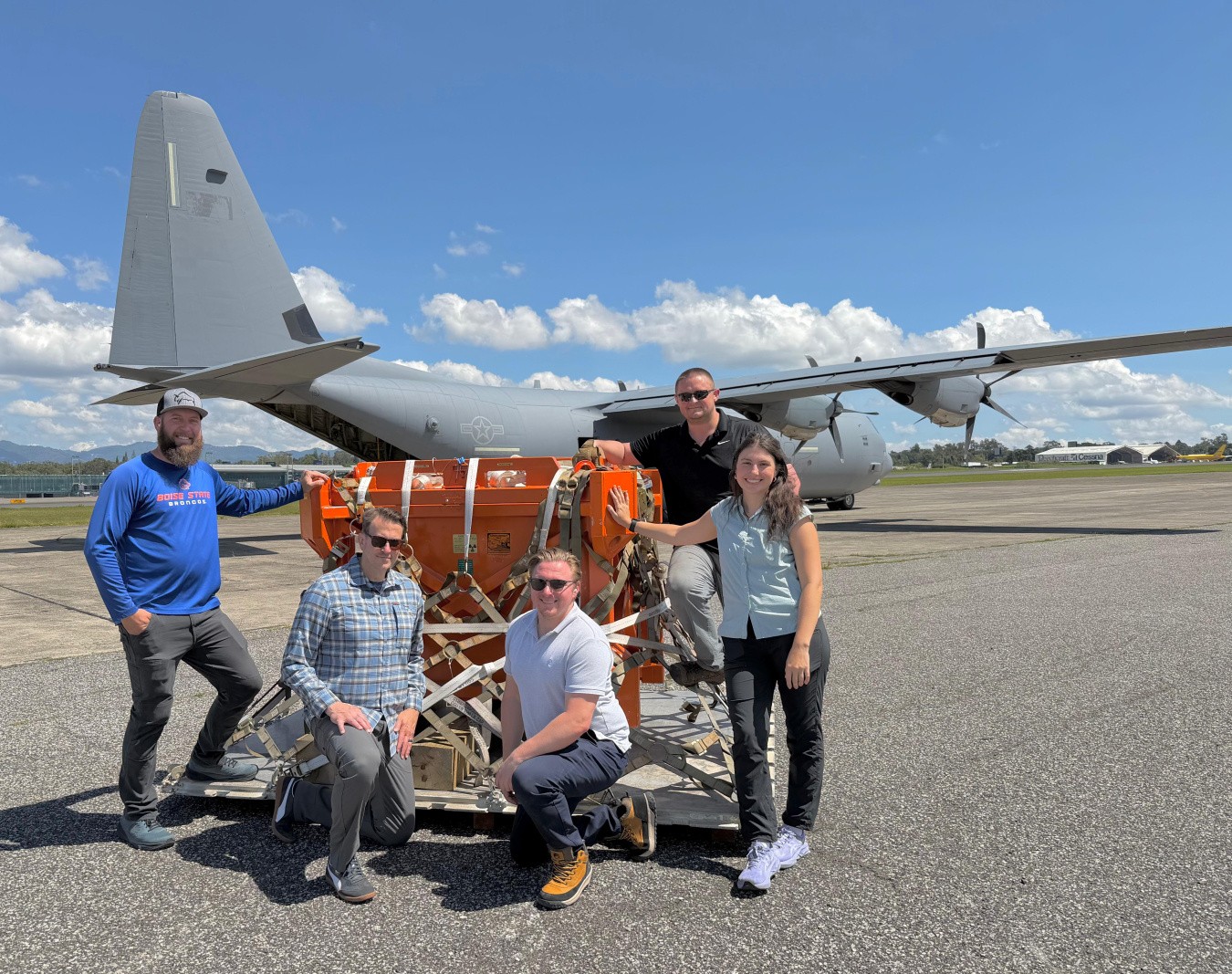
According to reports, cobalt-60 can be used in medical equipment for cancer treatment, but high-activity radioactive sources, if improperly managed, may pose radiological safety hazards. In May of this year, an NNSA Los Alamos National Laboratory team, in cooperation with relevant Guatemalan agencies, dismantled a decommissioned U.S.-manufactured cobalt-60 teletherapy unit and removed the associated radioactive components.
During the dismantlement and transport process, representatives from Guatemala's National Radioactive Waste Center and the Ministry of Energy and Mines provided transportation, logistics, and security support. The removal team safely loaded the radioactive source components into Type B transport packaging to meet radioactive material transport requirements. DTRA was responsible for providing transport support to safely return the radioactive source to the United States.
Maya Villatoro, head of the Technical Laboratory Department at Guatemala's Ministry of Energy and Mines, stated that through cooperation with NNSA and DTRA, Guatemala was able to remove high-risk radioactive materials from the facility, reducing the risks they pose to communities and the nation.
NNSA stated that the agency advances radiological security efforts by removing high-activity radioactive materials and strengthening cooperation with industry, law enforcement, and government agencies, thereby reducing the likelihood of such materials being improperly acquired.
Disclaimer: Information republished from partner media, institutions or other websites is provided for reference and communication purposes only. It does not imply endorsement of its views or verification of its accuracy. Please contact us if any content infringes rights or requires correction.