
Prostate cancer becomes most common cancer among men in South Korea, Lu-177 PSMA therapy reaches cumulative 200 procedures
 Scan to share
Prostate cancer incidence in South Korea has continued to rise, making it the most common cancer among men in the country. Meanwhile, a novel nuclear medicine treatment for metastatic prostate cancer——Lutetium-177 (Lu-177) prostate-specific membrane antigen (PSMA) radioligand therapy——is accumulating more clinical cases.
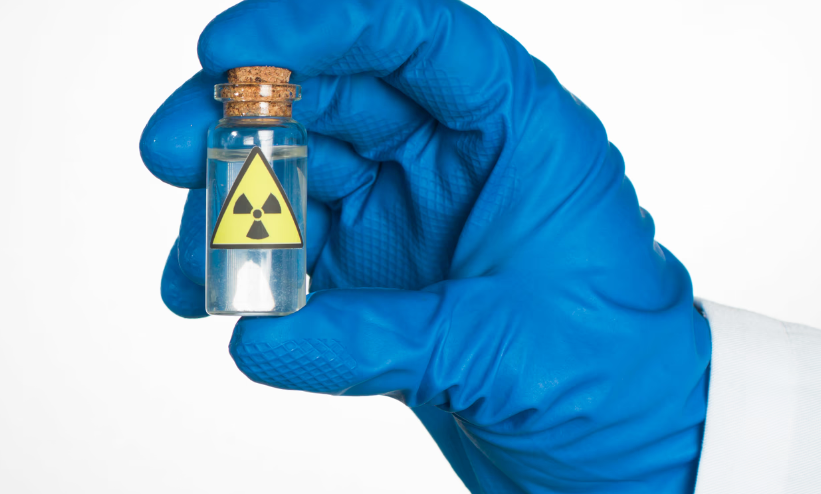
Seoul St. Mary's Hospital Uro-Oncology Center stated on September 1 that since performing South Korea's first Lu-177 PSMA treatment on November 2, 2020, the center had administered a cumulative total of 200 such treatments to 84 patients with metastatic prostate cancer as of the 21st of last month.
Metastatic castration-resistant prostate cancer refers to a state in which prostate cancer continues to progress despite androgen suppression therapy. As the disease advances, patients have fewer available treatment options and a worse prognosis, making it essential to select appropriate treatment modalities and sequencing based on prior treatment history and physical condition.
Lu-177 PSMA therapy is one of the new standard treatments for prostate cancer. This therapy leverages the fact that PSMA protein expression levels are higher in prostate cancer cells—particularly in metastatic cancer cells—than in normal cells for targeted treatment. Before treatment, patients undergo imaging examinations to confirm the intensity of PSMA expression and the extent of disease spread; only those who meet a certain expression threshold receive intravenous administration of a therapeutic radiopharmaceutical conjugated with the radioisotope Lutetium-177.
Once in the bloodstream, the drug selectively attaches to cancer cells and releases β particles that damage cancer cell DNA. Since the range of β particles is only a few millimeters, the impact on surrounding normal tissue is relatively limited. Because diagnosis and treatment target the same molecule, this approach is also referred to as “theranostics.”
According to the “2026 Prostate Cancer Fact Sheet” published by the Korean Urological Oncology Society, new prostate cancer cases in South Korea in 2023 reached 23,928, approximately 2.2 times the 11,095 cases recorded in 2014. Prostate cancer accounted for 15.0% of all cancers in Korean men, surpassing lung cancer at 14.5% and stomach cancer at 12.8%, making it the most frequently diagnosed cancer among men and the sixth most common cancer overall.
Data show that prostate cancer incidence rises markedly with age. Cases are relatively rare among men in their 40s, increase more rapidly after the 50s, and become significantly more prevalent among those in their 60s, 70s, and 80s. Compared with 2006, the crude incidence rate of prostate cancer in South Korean men in 2023 increased by 25.2% for those in their 50s, 51.0% for those in their 60s, and 55.8% for those in their 70s.
Early-stage prostate cancer often presents no obvious symptoms, and some patients only seek medical attention after experiencing urinary abnormalities or pain. Data indicate that if the cancer is detected while still confined to the prostate, the five-year survival rate can exceed 95%. The most practical early screening method currently available is the prostate-specific antigen (PSA) blood test. Given its relative simplicity and low cost, medical researchers recommend that men aged 50 and older undergo regular PSA testing.
Disclaimer: Information republished from partner media, institutions or other websites is provided for reference and communication purposes only. It does not imply endorsement of its views or verification of its accuracy. Please contact us if any content infringes rights or requires correction.