
FAO and IAEA: Nuclear Technologies Are Enhancing Agricultural Production and Food Security
 Scan to share
On March 30, 2021, the Food and Agriculture Organization of the United Nations and the International Atomic Energy Agency presented multiple applications of nuclear technologies in agriculture and food security. The two organizations have collaborated for over 50 years in knowledge sharing and capacity building, further strengthening their partnership through the establishment of the Joint FAO/IAEA Centre of Nuclear Techniques in Food and Agriculture.
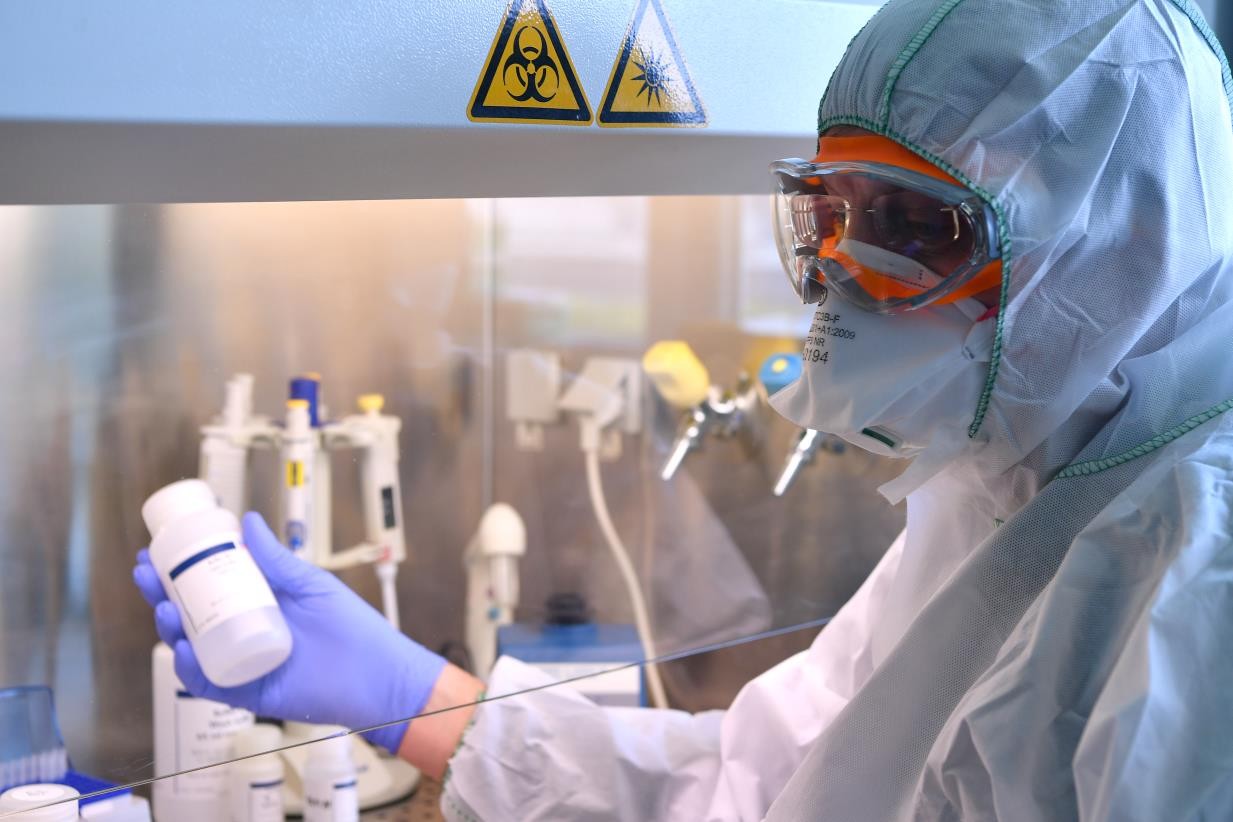
In the field of animal health, nuclear technologies are used for the detection, control, and prevention of transboundary animal diseases and zoonoses. Belize previously had to send animal disease testing samples to overseas laboratories; with support from the Joint FAO/IAEA Centre, the Belize Agricultural Health Authority established a molecular diagnostic laboratory for animal health and adopted real-time polymerase chain reaction (PCR) testing technology. This method can detect animal diseases within 24 hours, helping frontline personnel take rapid prevention and control measures. Recently, the laboratory has also been used to assist in human COVID-19 testing, reflecting the "One Health" concept that animal, human, plant, and environmental health are interconnected.
In soil and water resource management, radionuclide and stable isotope techniques can be used to assess soil erosion, track soil quality, and monitor fertilizer uptake. Researchers from the University of Abomey-Calavi in Benin and the National Institute of Agricultural Research of Benin, in collaboration with the Joint Centre, applied nuclear isotope methods in soybean cultivation and recommended the addition of fertilizers containing the stable isotope nitrogen-15 to evaluate crop utilization efficiency of biofertilizers and their ability to fix nitrogen from the atmosphere. These measures helped increase Benin's soybean production from 57,000 tonnes in 2009 to 220,000 tonnes in 2019.
In pest control, the Sterile Insect Technique (SIT) is an environmentally friendly control method based on nuclear technology. This technique involves mass-rearing pests, sterilizing male insects using ionizing radiation, and releasing them into target areas where they mate with wild females without producing offspring, thereby suppressing or eliminating pest populations. Ecuador used sterile Mediterranean fruit flies to control Mediterranean fruit fly infestations in three fruit-producing regions and, with support from the Joint Centre, imported and released 3 million sterile Mediterranean fruit flies weekly. Thanks to these measures, Ecuador continued exporting fruit to the United States, with exports reaching $22 million in 2019.
In food safety and quality control, food irradiation can be used to kill potentially harmful microorganisms, prevent foodborne diseases, and prevent pest transmission. Vietnamese experts, with support from FAO/IAEA, began food irradiation research in the late 1990s and currently operate 11 irradiation facilities. Gamma rays are the commonly used irradiation method locally, processing approximately 1 tonne of fruit per hour; over the past year, Vietnam irradiated an average of 200 tonnes of fresh fruit for export weekly using gamma rays and X-rays.
In plant breeding and genetics, gamma rays, X-rays, ionizing radiation, or electron beams can be used to induce genetic changes in seeds, providing more genetic variation for breeding. Crop varieties developed through these techniques may exhibit higher yields, better quality, and traits such as drought tolerance, heat tolerance, flood tolerance, pest and disease resistance, or shortened growth cycles. The Agricultural Research Corporation of Sudan, with support from the Joint Centre, developed a drought-tolerant peanut variety that requires only 250 mm of rainfall annually to grow, compared to 350 mm for traditional varieties; its yield is 27% higher than that of traditional varieties.
The Joint FAO/IAEA Centre of Nuclear Techniques in Food and Agriculture stated that these nuclear technologies are serving agricultural production, food safety, resource conservation, and crop improvement, providing technical support for enhancing nutrition, production, the environment, and quality of life.
Disclaimer: Information republished from partner media, institutions or other websites is provided for reference and communication purposes only. It does not imply endorsement of its views or verification of its accuracy. Please contact us if any content infringes rights or requires correction.