
Search Results
Keyword:sterile insect technique
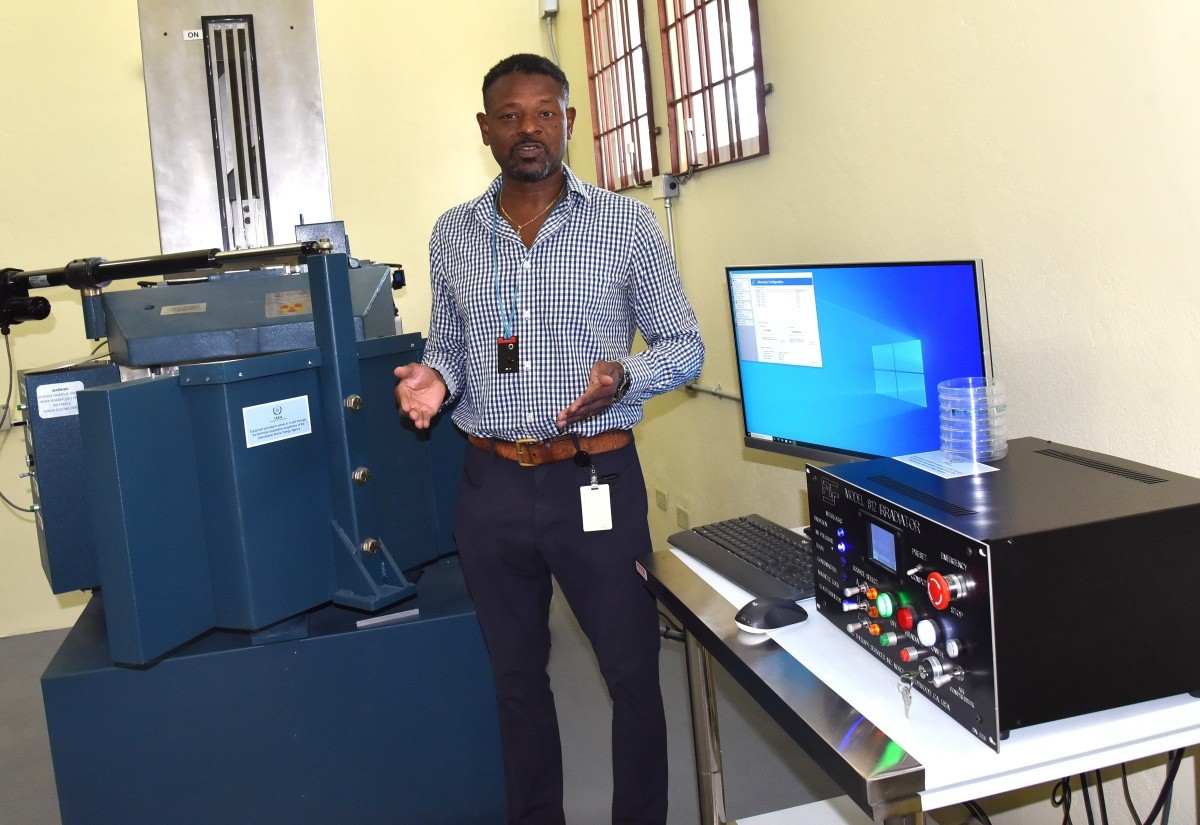
Jamaica Commissions Cobalt-60 Gamma Irradiator to Support Sterile Insect Technique and Agricultural Research
A new gamma irradiator at the International Centre for Environmental and Nuclear Sciences at the University of the West Indies in Jamaica has been commissioned, providing new technical capabilities for the country's research in vector-borne disease control, agricultural improvement, and nuclear technology applications. The equipment began operation in October 2024 and was officially inaugurated in August 2025, currently focusing primarily on sterile insect technique research, with the main objective of controlling Aedes aegypti mosquitoes. John Antoine, head of the Nuclear Analysis Laboratory and senior research scientist at the International Centre for Environmental and Nuclear Sciences, explained that the irradiator can deliver controlled, measurable doses of radiation to samples or products without making the samples or products themselves radioactive. He compared the...
2026-09-08
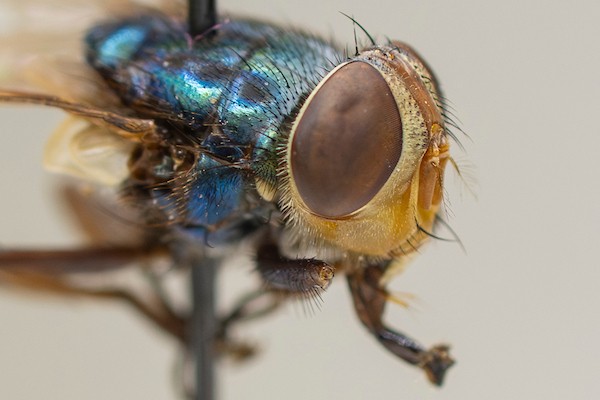
DARPA Ships Insect Sterility Technique Irradiator to the United States with Panamanian Cooperation
An insect irradiator used for the sterile insect technique program was recently transshipped to the United States via Panama, where it will support U.S. efforts to address the New World screwworm threat. The equipment was acquired by the U.S. Defense Advanced Research Projects Agency (DARPA) on July 8, 2026, and arrived in Panama, where it was subsequently transferred from the port to the airport with the assistance of Panamanian partners. The New World screwworm is a parasitic pest whose flies lay eggs in warm-blooded animals, with larvae burrowing into tissue and feeding, posing a threat to livestock production. Jon O’Rullian, president of the equipment manufacturer Foss Therapy Services, Incorporated, stated that threats of this kind are significant to all types of livestock producers.
2026-08-26
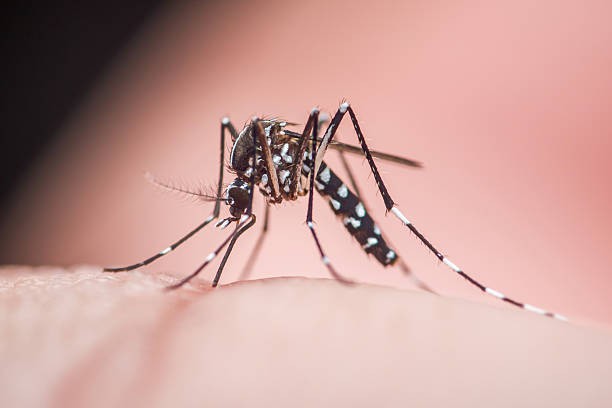
Brive in France Tests Sterile Insect Technique Using X-Ray Irradiation to Control Tiger Mosquitoes, Preliminary Results Show Nearly 60% Sterility Rate in Mosquito Eggs
The city of Brive-la-Gaillarde in the Nouvelle-Aquitaine region of France is using the Sterile Insect Technique (SIT) to control tiger mosquitoes. Since May 2025, the city has been working with the Montpellier-based company Terratis, releasing male mosquitoes that have been treated with X-ray irradiation and rendered incapable of reproduction, in order to reduce the tiger mosquito population. The core of this method is to allow sterile males to mate with wild females, causing the females to lay eggs that cannot hatch. Although it may appear that mosquitoes are still being released in active mosquito areas, the released individuals are males, which do not bite humans. As of October 31, 2025, Brive has deployed nearly 11 million sterile male mosquitoes across 58 release points covering more than 100 hectares, with a weekly release volume of approximately 400,000...
2026-08-23
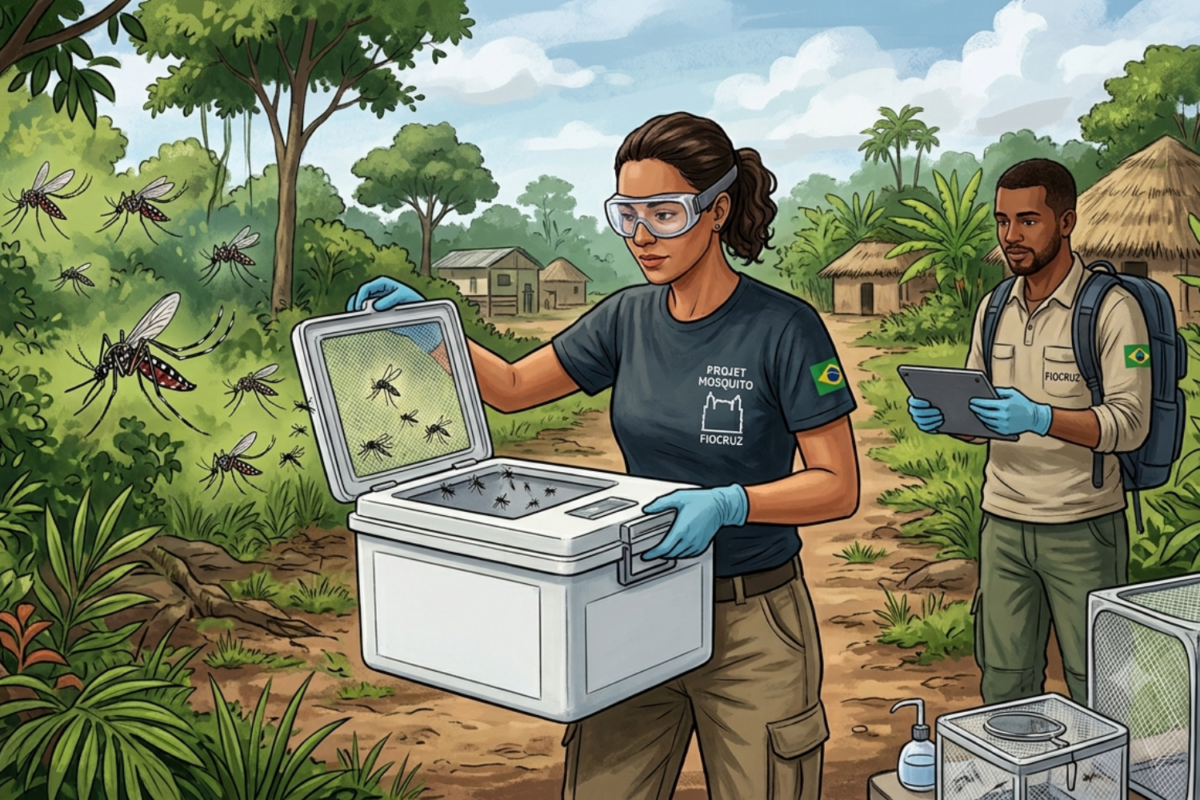
Nuclear Technology Aids Pest Control: Sterile Insect Technique Achieves Results in Multiple Countries
The application of nuclear technology is not limited to power generation and heating. In areas such as agricultural pest control, animal health, and disease vector management, the Sterile Insect Technique (SIT) based on cobalt-60 gamma rays is playing an important role. The core approach of SIT involves mass-rearing target pests in specialized facilities, separating males, and then irradiating them with a cobalt-60 gamma ray source. The radiation causes DNA breaks in the reproductive cells of male insects, leaving them able to fly and mate with wild females but unable to produce viable offspring. As large numbers of sterile males are continuously released, the proportion of ineffective matings in the wild population increases, pest numbers decline generation after generation, and under certain conditions...
2026-08-13
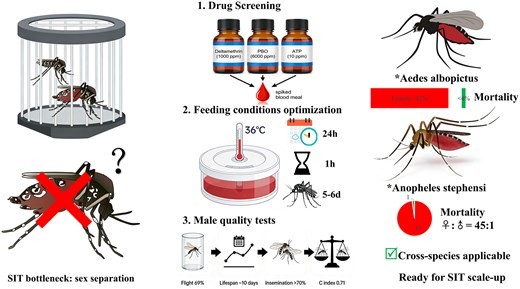
Chinese Team Proposes "Toxic Blood Meal" Pre-Treatment Approach to Boost Sterile Insect Technique for Mosquitoes
Chinese researchers have recently proposed a novel sex-sorting approach for the Sterile Insect Technique (SIT) in mosquitoes: adding a specific agent to the blood meal ingested by female mosquitoes, leveraging the biological difference that female mosquitoes feed on blood while males do not, to substantially reduce the number of females before release. The study was published in the June issue of the Journal of Medical Entomology. The Sterile Insect Technique is a pest population control method centered on radiation-induced sterility. Its basic process involves mass-rearing male target insects in the laboratory, sterilizing them through radiation exposure to render them reproductively incapable, and then releasing them into the field, where they mate with wild females to produce non-viable eggs, thereby suppressing target population growth. This technique has been incorporated into integrated pest management systems and is regarded as a relatively environmentally friendly pest control approach.
2026-08-12
Texas to Accelerate Opening of Sterile Fly Facility to Combat New World Screwworm Outbreak
The U.S. Department of Agriculture announced that, in response to the New World screwworm (NWS) outbreak already detected in Texas and New Mexico, the sterile fly facility at Moore Air Base in Edinburg, Texas, will open early next spring, approximately seven months ahead of the original schedule. Construction on the facility began in April of this year, and once completed, it will produce sterile flies to support outbreak control efforts using the Sterile Insect Technique (SIT). Under the plan, the facility will reach full operational capacity by the end of 2028, producing approximately 300 million sterile flies per week. The Sterile Insect Technique works by releasing sterilized flies into the environment to mate with wild screwworms, thereby interrupting the reproductive cycle and reducing the risk of continued parasite spread...
2026-08-12
French city of Illkirch plans to test sterile insect technique to combat tiger mosquitoes
Thibaud Philipps, Mayor of Illkirch-Graffenstaden in France's Bas-Rhin department, hopes to pilot the Sterile Insect Technique (SIT/TIS) locally, sterilizing male tiger mosquitoes through radiation and releasing them regularly to curb population growth. According to local authorities, tiger mosquitoes have been officially established in Illkirch-Graffenstaden since 2019. In recent years, the local tiger mosquito population has continued to increase, significantly impacting residents' daily lives. The municipal government has previously implemented multiple control measures, including launching the "Tiger Team" project in 2024 to educate the public on mosquito prevention and control methods, as well as providing subsidies of up to 50 euros per household for purchasing mosquito traps. To date, approximately 400 households have received relevant traps...
2026-08-12
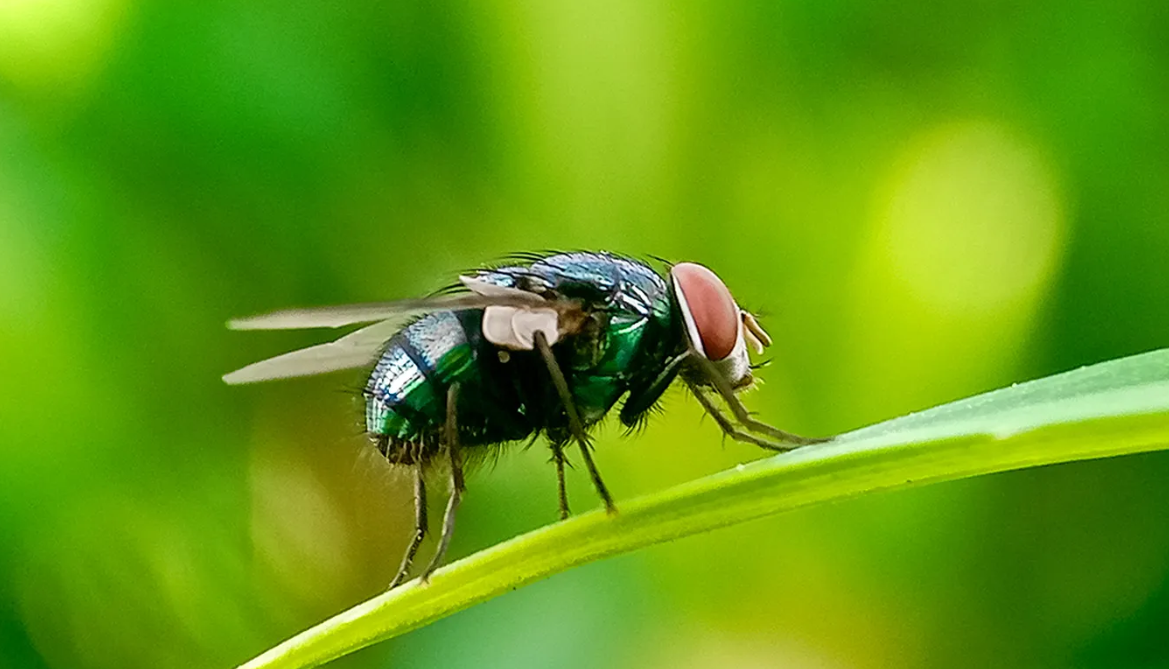
Texas A&M University Leads Development of Novel Wound Treatment for New World Screwworm
On August 10, 2026, the Texas A&M Engineering Experiment Station is leading the development of fast-acting, low-residue wound treatments for livestock infected with New World screwworm. The project, funded at $1.86 million, is led by Dr. Mustafa E. S. Akbulut, Associate Professor in the Artie McFerrin Department of Chemical Engineering at Texas A&M University, with the goal of providing ranchers and veterinarians with immediately deployable field treatment tools after infection occurs in animals. New World screwworm is a parasite that feeds on living tissue. According to available data, the pest is currently spreading in Central America and Mexico, with over 150,000 animal infection cases reported. Recently, cases have also emerged in Texas and New Mexico. Federal models predict that a large-scale outbreak in Texas could result in livestock losses exceeding $1.8 billion. If left untreated, these pests can cause severe harm to livestock, companion animals, and wildlife.
2026-08-11
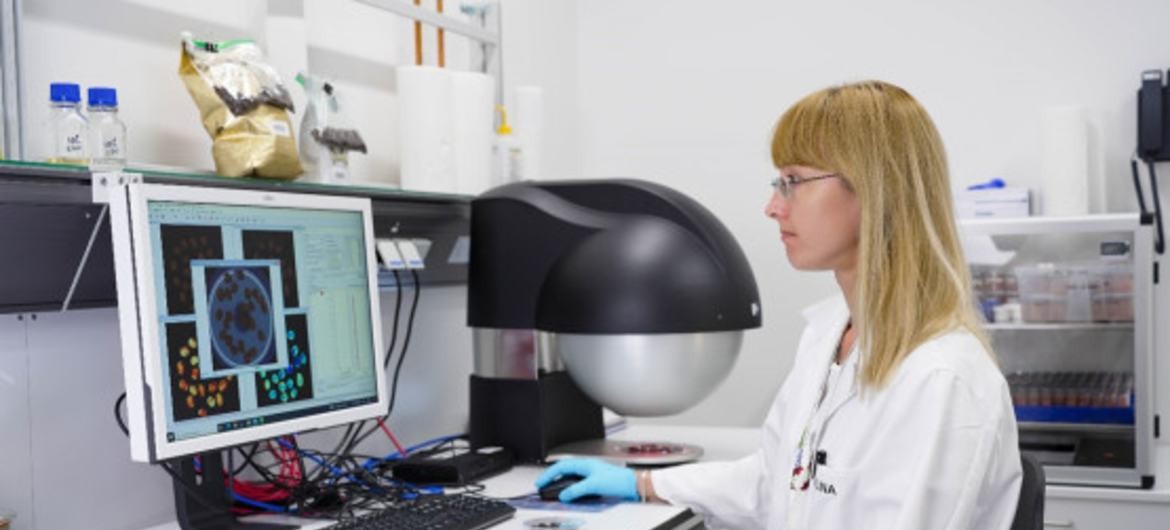
60th Anniversary of the Joint FAO/IAEA Centre: Nuclear Techniques Continue to Serve Global Agriculture and Food Safety
In 2024, the Joint FAO/IAEA Centre of Nuclear Techniques in Food and Agriculture marks its 60th anniversary. Established in 1964 through a partnership between the Food and Agriculture Organization of the United Nations and the International Atomic Energy Agency, the Centre primarily promotes the application of nuclear science and related technologies in food security, agricultural production, and sustainable environmental development. Over the past 60 years, the Joint Centre has carried out work in areas including pest control, plant breeding and genetics, soil and water management, animal production and health, and food safety and quality control. Its Agriculture and Biotechnology Laboratories have long undertaken tasks in technology development, capacity building, and technology transfer,...
2024-12-27
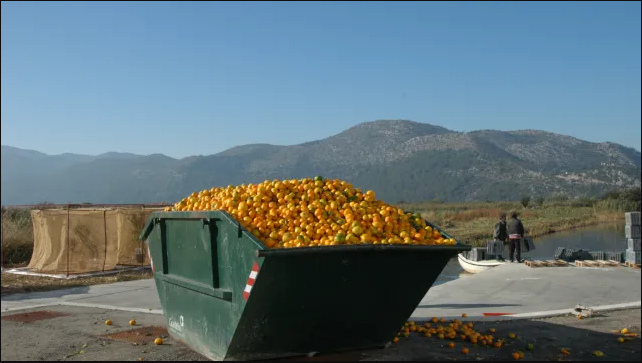
Nuclear science helps reduce global food spoilage and waste
On April 10, 2026, the International Atomic Energy Agency introduced several applications of nuclear science in reducing food spoilage and food waste. According to data from the Food and Agriculture Organization of the United Nations, approximately 1 billion tonnes of edible food are wasted globally each year, accounting for about one-fifth of the total food available to consumers. Of this, 13.2% of food is lost before reaching the retail stage, valued at approximately $400 billion; another 19% is wasted at the retail and consumption stages due to spoilage and other reasons. Food loss not only means wasted resource consumption but also exacerbates greenhouse gas emissions, pollution, and biodiversity loss. The International Atomic Energy Agency, through the Food and Agriculture Organization...
2026-04-10
FAO and IAEA: Nuclear Technologies Are Enhancing Agricultural Production and Food Security
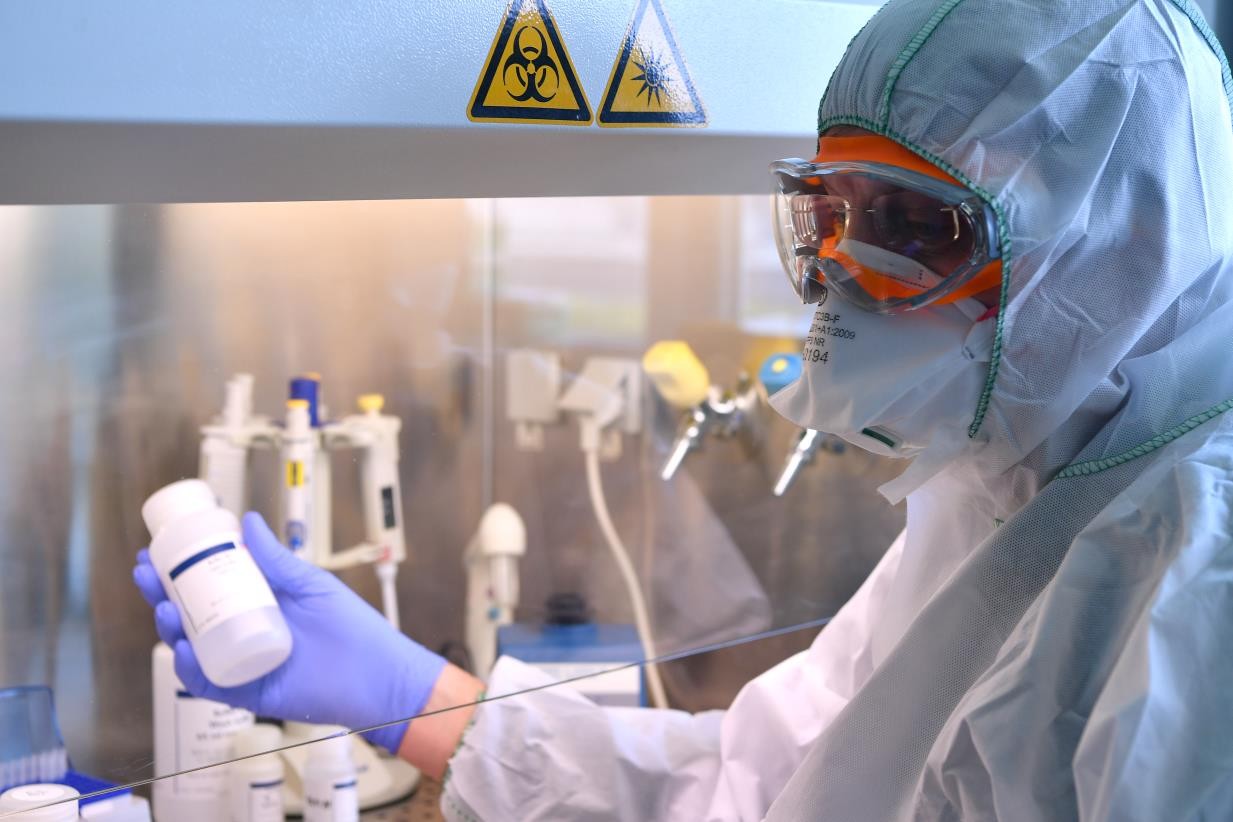
On March 30, 2021, the Food and Agriculture Organization of the United Nations and the International Atomic Energy Agency presented multiple applications of nuclear technologies in agriculture and food security. The two organizations have collaborated for over 50 years in knowledge sharing and capacity building, further strengthening their partnership through the establishment of the Joint FAO/IAEA Centre of Nuclear Techniques in Food and Agriculture. In the field of animal health, nuclear technologies are used for the detection, control, and prevention of transboundary animal diseases and zoonoses. Belize previously had to send animal disease testing samples to overseas laboratories; with support from the Joint FAO/IAEA Centre, the Belize Agricultural Health Authority established a molecular diagnostic laboratory for animal health and adopted real-time polymerase chain reaction (PCR) testing technology. This method can detect animal diseases within 24 hours, helping frontline personnel take rapid prevention and control measures. Recently, the laboratory has also been used to assist in human COVID-19 testing, reflecting the "One Health" concept that animal, human, plant, and environmental health are interconnected.
2021-03-30
USDA Plans $25 Million Investment in Sterile Fly Release Facility in Arizona
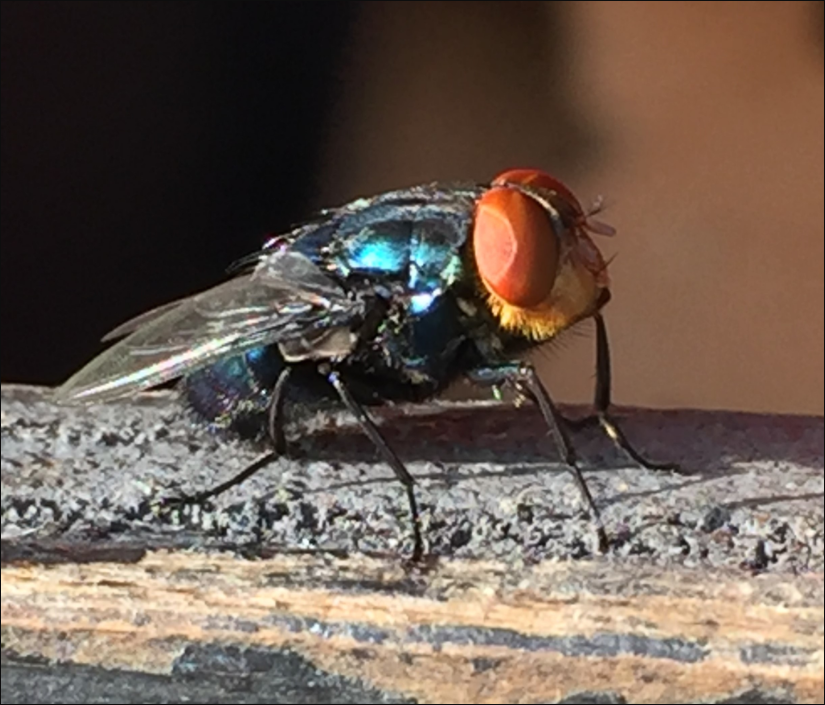
The U.S. Department of Agriculture will invest $25 million to build a new sterile fly release facility in Arizona, strengthening efforts to control New World screwworm and reduce the risk of it invading American livestock herds. Agriculture Secretary Brooke Rollins announced the plan during a visit to the Douglas Port of Entry in Arizona. According to the department, releasing sterile flies is a key method for suppressing and ultimately eradicating New World screwworm populations. The proposed Arizona facility will enhance USDA's sterile fly release capacity and complement existing facilities and operations in Texas, Mexico, and Panama, further strengthening emergency response capabilities along the U.S. southwest border. The U.S...
2026-08-04
Montpellier, France, tests control of tiger mosquitoes by releasing 200,000 X-ray-sterilized males weekly
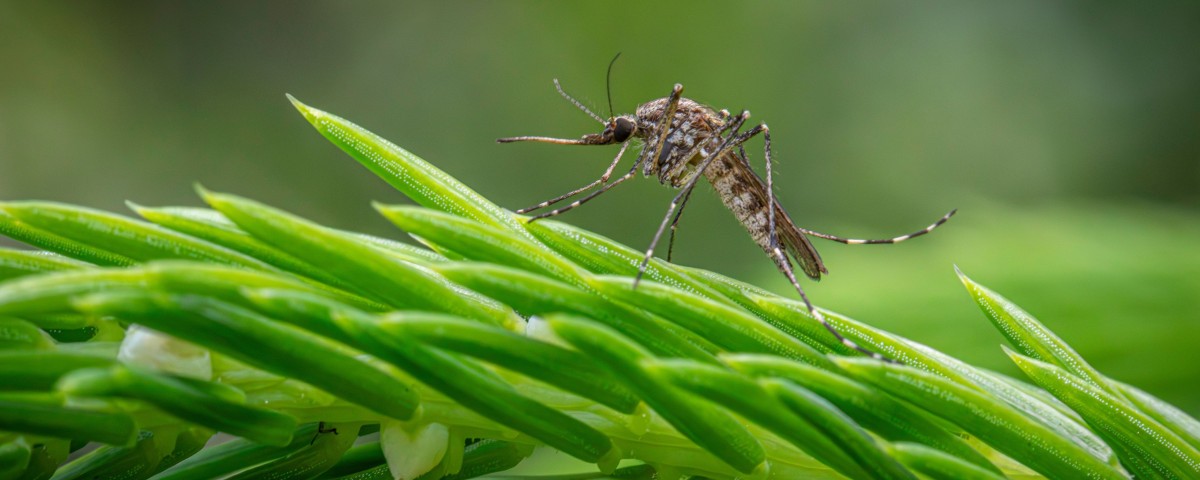
Montpellier, France, is testing a mosquito control strategy that does not rely on chemical insecticides by releasing X-ray-sterilized sterile male tiger mosquitoes, in response to the spread of tiger mosquitoes and the associated disease transmission risks. The trial has been underway since 2025 in the Malbosc residential area of Montpellier. This area is suitable for tiger mosquito breeding, and the trial team releases sterile male tiger mosquitoes at approximately 30 release points twice a week, about 100,000 per release, equivalent to roughly 200,000 per week across an area of about 50 hectares. The method is based on the sterile insect technique. Since only female mosquitoes bite and suck blood and may transmit viruses, and females typically mate only once in their lifetime, researchers release male mosquitoes that have lost their reproductive capacity after X-ray treatment into the wild to mate with wild females. The eggs subsequently laid by females fail to fertilize normally, thereby reducing the next generation of mosquito populations.
2026-08-03