
Texas A&M University Leads Development of Novel Wound Treatment for New World Screwworm
 Scan to share
On August 10, 2026, the Texas A&M Engineering Experiment Station is leading the development of fast-acting, low-residue wound treatments for livestock infected with New World screwworm. The project, funded at $1.86 million, is led by Dr. Mustafa E. S. Akbulut, Associate Professor in the Artie McFerrin Department of Chemical Engineering at Texas A&M University, with the goal of providing ranchers and veterinarians with immediately deployable field treatment tools after infection occurs in animals.
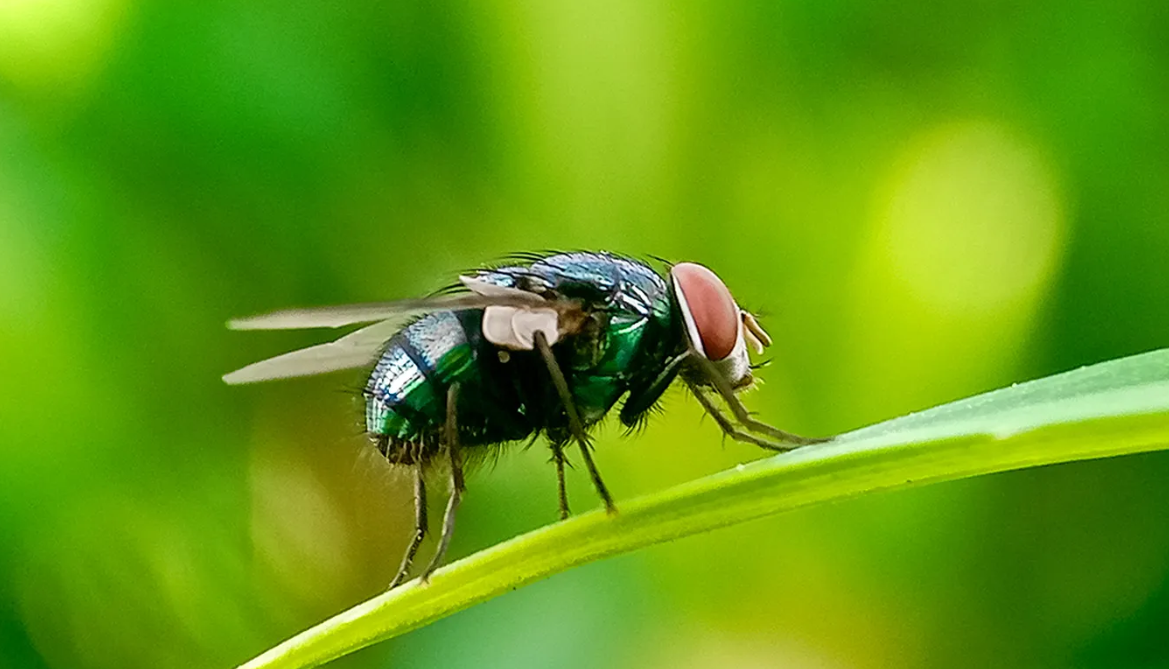
New World screwworm is a parasite that feeds on living tissue. According to available data, the pest is currently spreading in Central America and Mexico, with over 150,000 animal infection cases reported. Recently, cases have also emerged in Texas and New Mexico. Federal models predict that a large-scale outbreak in Texas could result in livestock losses exceeding $1.8 billion. If left untreated, these pests can cause severe harm to livestock, companion animals, and wildlife.
Currently, the Sterile Insect Technique remains an important method for regionally suppressing New World screwworm, but it is primarily used to control population spread and cannot directly treat already infected animals. Akbulut stated that releasing sterile flies contributes to regional control but takes time to show results; for animals with existing wound infections, a rapid, single-use treatment option is still needed.
According to the project team, three types of field-applicable formulations are being developed, combining low-dose synthetic macrocyclic lactones with plant-based synergists such as neem and eugenol. These include foam formulations that conform to wounds for improved coverage, bioadhesive sprays for rapid application, and immersion wash solutions suitable for batch treatment. The common goal of the three prototype products is to rapidly kill larvae and disrupt their life cycle while minimizing chemical residues in milk, meat, and the environment.
Akbulut noted that existing emergency medications can kill screwworm larvae, but they typically require treating the entire animal to address a single wound. The newly developed foams and sprays aim to achieve localized, highly effective treatment with reduced dosage through stronger wound adhesion.
The project team will also evaluate the larvicidal efficacy of the products and assess how long the relevant components may persist in cattle, helping ranchers make more informed decisions regarding animal health and food safety. The data will also provide a regulatory basis for future large-scale deployment. The project additionally plans to develop storable standard operating procedures, quality control specifications, and cost-benefit analysis frameworks to support planning and emergency response efforts within the U.S. agricultural sector.
Disclaimer: Information republished from partner media, institutions or other websites is provided for reference and communication purposes only. It does not imply endorsement of its views or verification of its accuracy. Please contact us if any content infringes rights or requires correction.