
Montpellier, France, tests control of tiger mosquitoes by releasing 200,000 X-ray-sterilized males weekly
 Scan to share
Montpellier, France, is testing a mosquito control strategy that does not rely on chemical insecticides by releasing X-ray-sterilized sterile male tiger mosquitoes, in response to the spread of tiger mosquitoes and the associated disease transmission risks.
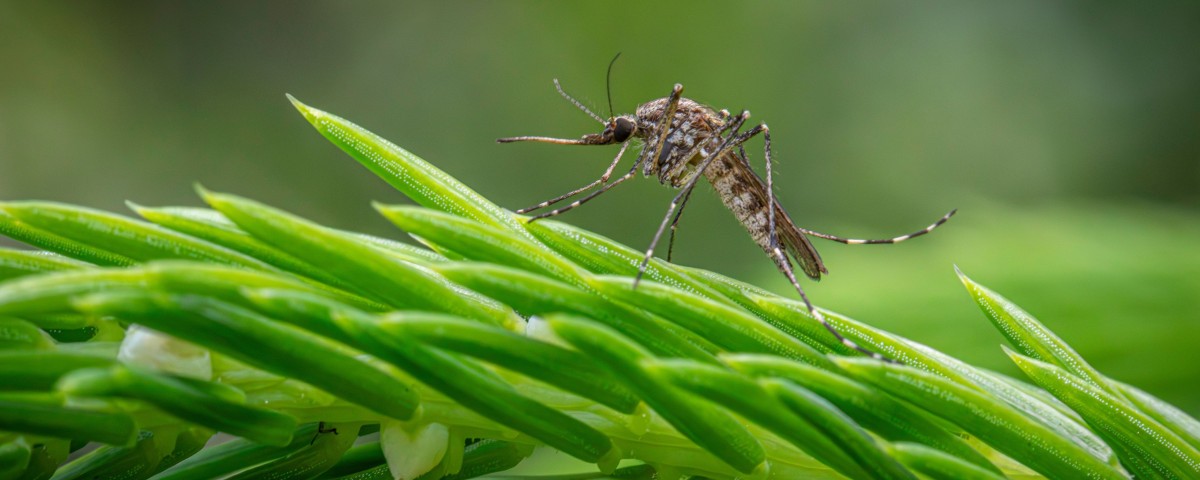
The trial has been underway since 2025 in the Malbosc residential area of Montpellier. This area is suitable for tiger mosquito breeding, and the trial team releases sterile male tiger mosquitoes at approximately 30 release points twice a week, about 100,000 per release, equivalent to roughly 200,000 per week across an area of about 50 hectares.
The method is based on the sterile insect technique. Since only female mosquitoes bite and suck blood and may transmit viruses, and females typically mate only once in their lifetime, researchers release male mosquitoes that have lost their reproductive capacity after X-ray treatment into the wild to mate with wild females. The eggs subsequently laid by females fail to fertilize normally, thereby reducing the next generation of mosquito populations.
The project is implemented by Montpellier-based startup Terratis, in partnership with the City of Montpellier, Montpellier Méditerranée Métropole, and the French National Research Institute for Sustainable Development (IRD), which is responsible for evaluating the results. Terratis breeds tiger mosquitoes at its facilities, and after separating males from females, only the males undergo approximately 10 minutes of X-ray sterilization before being released into the target neighborhoods. The company currently produces nearly 1.5 million male mosquitoes per week and plans to further increase capacity to meet control needs in more areas.
Frédéric Simard, a researcher at the French National Research Institute for Sustainable Development, stated that the 2025 trial started late, beginning at the end of August, but among the 78 oviposition traps set in the Malbosc area, 40% of the eggs were found to be sterile, and the preliminary results are encouraging. The research team hopes to start releases earlier in the next phase to see whether more pronounced effects can be observed.
Unlike chemical mosquito control commonly used during outbreaks, releasing sterile male mosquitoes is a biological control measure targeting the mosquito reproductive cycle. It does not require insecticide spraying and can reduce impacts on non-target insects and biodiversity. However, researchers also note that this method alone cannot solve the tiger mosquito problem. Since tiger mosquitoes typically do not travel more than 150 meters, control efforts require sustained and frequent releases in precise areas.
The tiger mosquito, native to Asia, has now established itself in most of France. Climate change is making its survival and spread conditions more favorable. Unlike traditional mosquito species, tiger mosquitoes are better adapted to urban environments, where small amounts of standing water in flower pots, buckets, and gutters can become breeding sites for larvae. Their eggs typically hatch in spring, and adult mosquitoes are more active between May and October.
The City of Montpellier combines the release of sterile male mosquitoes with public awareness campaigns, reminding residents to remove standing water from gardens, terraces, and balconies. Researchers believe that reducing breeding sites remains a key measure for limiting tiger mosquito reproduction in the long term.
Influenced by the Montpellier trial, other regions of France are beginning to follow suit. In 2026, similar trials were launched in Brive-la-Gaillarde, Toulouse, and Mions. On Réunion Island, a modified technique is also being tested, which involves injecting insecticides into sterile male mosquitoes to enhance mosquito control effectiveness. These trials will still require several years of evaluation before their large-scale application can be assessed.
Disclaimer: Information republished from partner media, institutions or other websites is provided for reference and communication purposes only. It does not imply endorsement of its views or verification of its accuracy. Please contact us if any content infringes rights or requires correction.