
Cosmic Rays "Probe" Soil Moisture from Above: Colorado State University Innovates Soil Moisture Monitoring Technology
 Scan to share
Researchers at Colorado State University are utilizing a mobile cosmic-ray neutron rover to explore a novel soil moisture monitoring method. This technology is expected to provide data support for hydrological research, particularly in assessing the impacts of wildfires on landscapes.
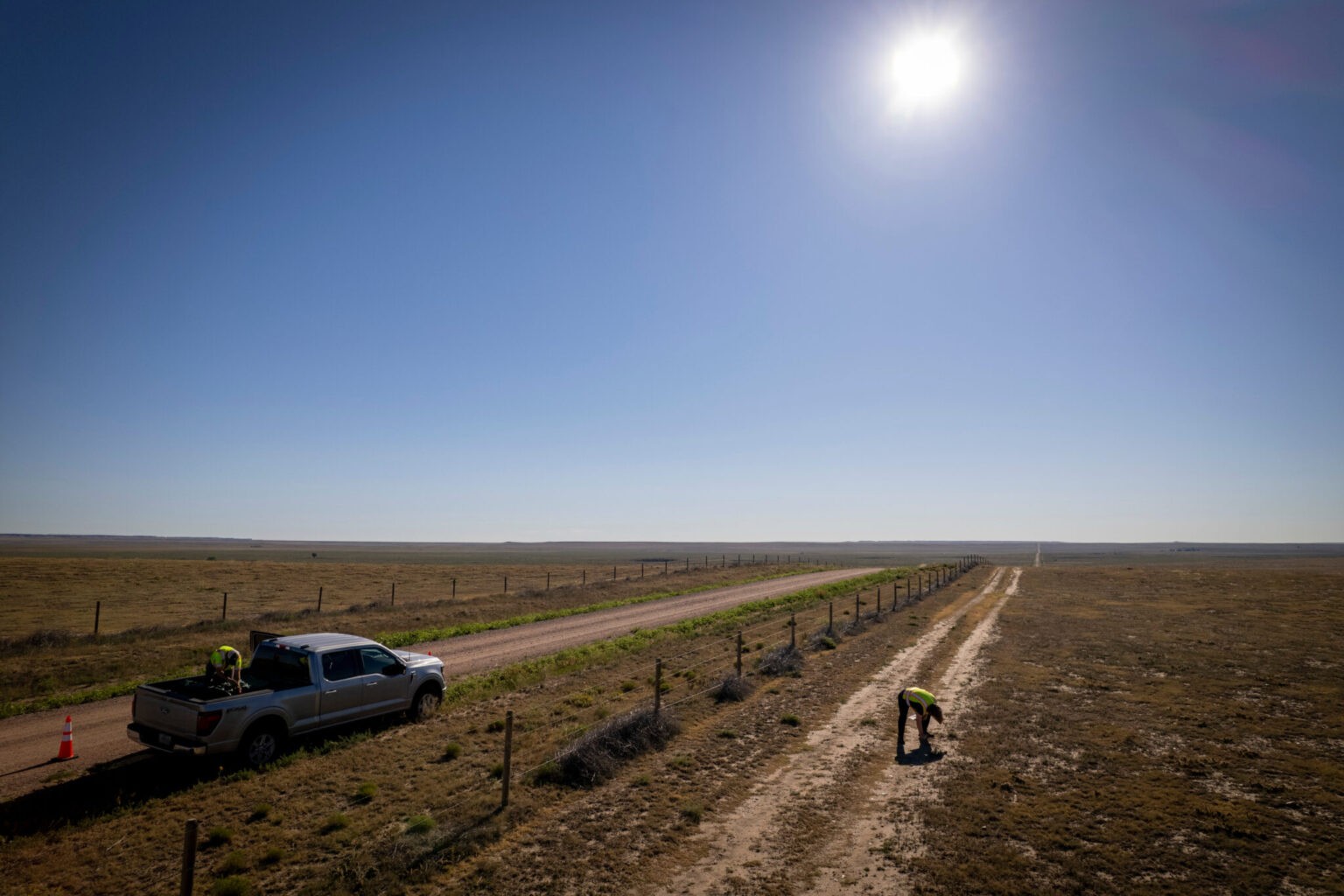
The rover is reportedly capable of estimating soil moisture over large areas by measuring changes resulting from the interaction of cosmic rays from outer space with hydrogen atoms in the soil. Unlike traditional sensors that only capture near-surface data at a limited number of points, or the coarse resolution of satellite remote sensing, this technology offers a mesoscale dataset that falls between the two, enabling more accurate mapping of moisture distribution.
Jeffrey Niemann, a professor in the Department of Civil and Environmental Engineering at Colorado State University, stated that cosmic rays generate high-energy neutrons as they pass through the atmosphere, and the moisture content in soil affects the attenuation of these neutrons. By measuring these differences, scientists can estimate soil moisture over large areas.
Currently, the team is testing this technology in a research area near Laramie, Wyoming, to assess the impact of the 2020 Mullen Fire on local hydrology. They plan to compare changes in variables such as snowpack before and after the fire, and study how different terrain, vegetation, and fire severity affect the measurements. Additionally, graduate student Luke Eddington is conducting a related project in Weld County, aiming to use this technology to monitor moisture content in rural gravel roads to reduce dust pollution.
This innovative technology, funded by the Center for Transformative Infrastructure Protection and Sustainability and the Agricultural Research Service, is expected to make significant contributions to fields such as hydrological modeling, post-wildfire landscape management, and drought impact assessment.
Disclaimer: Information republished from partner media, institutions or other websites is provided for reference and communication purposes only. It does not imply endorsement of its views or verification of its accuracy. Please contact us if any content infringes rights or requires correction.