
South Korea Has Not Yet Decided Whether to Include New Nuclear Power in the 12th Basic Plan for Electricity Supply and Demand
 Scan to share
South Korea's Minister of Climate, Energy and Environment, Kim Sung-hwan, said during a meeting with reporters at the Sejong Government Complex on August 18 that the government has not yet reached a conclusion on whether to include new nuclear power plants in the 12th Basic Plan for Electricity Supply and Demand.
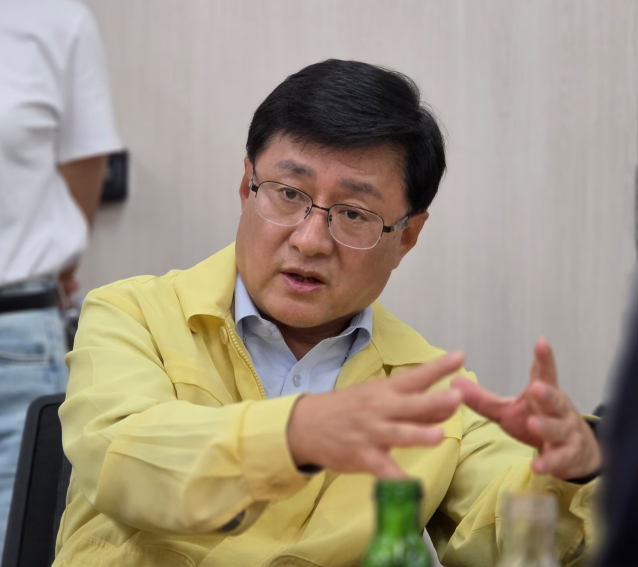
Kim said that government policy cannot be determined solely by the personal will of the minister in charge, and it is not appropriate to make premature statements at this stage. He emphasized that related matters will be decided after going through the necessary deliberation process. Regarding whether nuclear power will be included in the 12th Basic Plan for Electricity Supply and Demand, the government plans to clarify the direction of discussion as soon as possible, including how public opinions will be reflected, how the review procedures involving experts and public participation will be structured, and what methods will be used to conduct debates or public discussions before the plan is released.
Under the current schedule, the South Korean government plans to finalize the 12th Basic Plan for Electricity Supply and Demand around October this year. Kim said that the government will formulate the plan during the regular session of the National Assembly, submit it to the Climate Response Committee and the National Assembly in accordance with legal procedures, and then complete the final confirmation. Prior to that, the government will also organize another comprehensive public review.
Kim also mentioned that the government will re-forecast electricity demand. He said that a demand forecast had been conducted previously, and the concept of an "electric power nation" had been discussed, but demand has since grown significantly, making it necessary to reassess. The government will hold public discussions on how electricity demand will be forecast through 2040. The year 2040 is the target date set by the current administration for phasing out coal-fired power generation, but even after 2040, 20 coal-fired generating units in South Korea will not yet have reached their 30-year design lifespan. How to handle these units and the scale to which renewable energy needs to be expanded accordingly will also be included in the discussion.
Regarding the regional differentiated electricity tariff system for industrial electricity, Kim said that the government plans to release a draft through a public hearing next week and solicit public opinions. He also mentioned that, in light of questions raised by lawmakers during the National Assembly work report, the government has decided to clearly name the system the "Regional Differentiated Electricity Tariff System for Industrial Electricity."
Disclaimer: Information republished from partner media, institutions or other websites is provided for reference and communication purposes only. It does not imply endorsement of its views or verification of its accuracy. Please contact us if any content infringes rights or requires correction.