
Review of Continued Operation for Kori NPP Units 3 and 4 Launched; Accident Management Plan Included in Review Process
 Scan to share
The Nuclear Safety and Security Commission (NSSC) of South Korea is scheduled to hold its 16th plenary meeting of 2026 on October 15, formally placing the continued operation license application for Units 3 and 4 of the Kori Nuclear Power Plant in Gijang, Busan, on its agenda for deliberation.
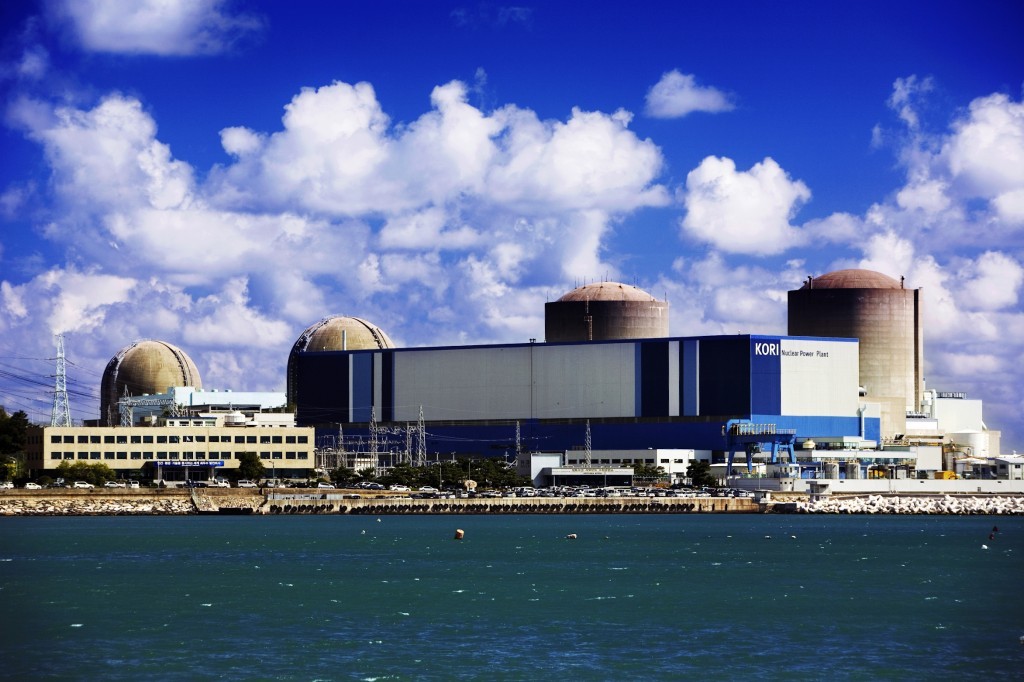
Notably, these two nuclear units, which are currently in a shutdown state, have directly initiated the continued operation licensing procedure in parallel, even as the Accident Management Plan (AMP) has yet to complete final approval. According to the meeting schedule, the first agenda item of this plenary meeting is the approval of the Accident Management Plan for Kori Units 3 and 4, and the third agenda item is the continued operation license application. The Accident Management Plan encompasses comprehensive technical specifications including the scope of nuclear power plant accident management, response facilities, emergency strategies, and drill programs. Although its approval process is independent of the continued operation license, it has traditionally been regarded by the industry as a key prerequisite threshold for nuclear unit life extension reviews due to the substantial overlap in content, such as severe accident response measures. This marks the third deliberation of this plan, while the continued operation license application is being formally submitted to the regulatory commission for deliberation for the first time.
Previously, the Nuclear Safety and Security Commission had deliberated on the Accident Management Plans for Kori Units 3 and 4 and the Hanbit Nuclear Power Plant Units 1 and 2 of the same reactor type on two separate occasions, but neither resulted in a definitive conclusion. During the second deliberation, the commission explored the possibility of reaching a decision through a vote, but ultimately decided to defer the matter to the next meeting for reconsideration after commissioners Park Jong-woon and Jin Jae-yong, recommended by the Democratic Party, and Lee Kang-kun, recommended by the government, explicitly opposed putting it to a vote.
The joint discussion of the Accident Management Plan and the continued operation license application at the same meeting has recreated the controversial situation that arose during the deliberation of Kori Unit 2 last year. At that time, the two agenda items were likewise presented together, and some industry insiders pointed out that the statutory approval of the Accident Management Plan must be completed first before the continued operation license application could be formally deliberated, raising questions about the procedural legitimacy. South Korean nuclear industry analysts believe that, given the regulatory commission's precedent of frequently reaching final conclusions on major issues during the third deliberation, the Accident Management Plan is likely to be approved this time; however, given that the relevant technical discussions have not yet been fully concluded, the continued operation license application is unlikely to undergo substantive comprehensive review on the day of its first submission.
Kori Unit 3 was shut down on September 28, 2024, upon reaching the end of its design life, and Unit 4 was also shut down on August 6 last year. Once the Nuclear Safety and Security Commission issues the final continued operation license, the project owner, Korea Hydro & Nuclear Power (KHNP), will initiate subsequent technical and engineering preparation procedures in accordance with the law, comprehensively advancing the reconnection of the two units to the grid for power generation.
Disclaimer: Information republished from partner media, institutions or other websites is provided for reference and communication purposes only. It does not imply endorsement of its views or verification of its accuracy. Please contact us if any content infringes rights or requires correction.