
South Korea Officially Approved for 10-Year Life Extension of Kori Nuclear Power Plant Units 3 and 4
 Scan to share
Recently, Korea Hydro & Nuclear Power (KHNP) officially received approval from the Nuclear Safety and Security Commission (NSSC) to extend the operating life of Units 3 and 4 of the Kori Nuclear Power Plant near Busan by 10 years.
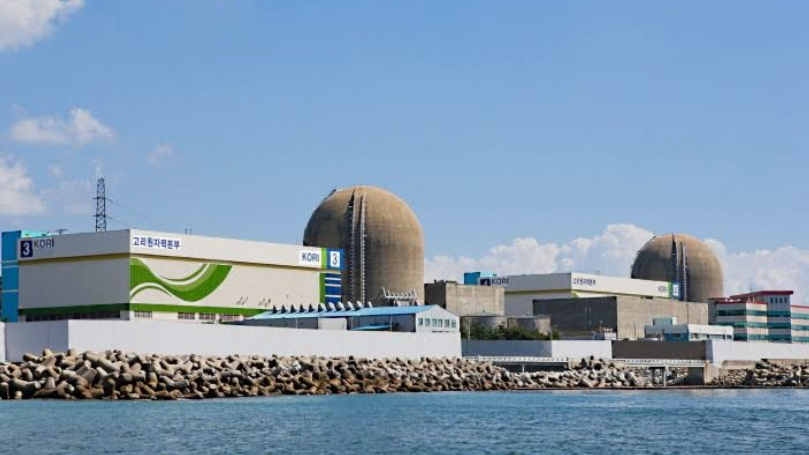
It is reported that both units are Westinghouse pressurized water reactors with a single-unit power output of 1025 MW, and their original 40-year design lifetimes expired in September 2024 and August 2025, respectively, during which both had been in shutdown status. Under this license, Kori Unit 3 may operate until September 2034, and Unit 4 until August 2035. KHNP plans to complete the restart of both units in the first half of 2027.
KHNP President Kim Hoi-chun pointed out that once the life-extended units are put into operation, they will fully meet the growing electricity demand from high-end industries such as semiconductors and artificial intelligence, further strengthening regional power supply security and providing key support for the implementation of the national carbon neutrality strategy. The company will strictly uphold the safety bottom line and systematically advance facility upgrades, routine inspections, and full-process restart management.
To ensure nothing goes wrong, a regulatory team led by the Korea Institute of Nuclear Safety (KINS) conducted a four-year systematic safety review of both units and simultaneously completed a radiological environmental impact assessment. NSSC Chairman Choi Won-ho emphasized that given the differences in the historical operating and maintenance records of the two units, the regulatory authorities conducted strict independent reviews of structures, system and equipment conditions, aging and degradation trends, and lifetime assessments.
As an important part of the Kori Nuclear Power Plant matrix, each unit at the site has a different lifecycle progression: Unit 1 was permanently shut down in 2017 after 40 years of operation and its decommissioning plan was approved, while Unit 2 was successfully restarted in April this year. The successful life extension of Kori Units 3 and 4 marks that South Korea is deeply relying on its existing nuclear power assets to respond to the energy structure transition.
Currently, nuclear energy serves as a core pillar of South Korea's energy mix, with its 26 operable nuclear power units contributing about one-third of the nation's electricity generation. With the advancement of the global nuclear renaissance, the life extension practice of the Kori units not only provides a feasible model for South Korea to ensure energy security and alleviate grid pressure, but also offers an important reference for the safe long-term operation of aging nuclear power facilities worldwide.
Disclaimer: Information republished from partner media, institutions or other websites is provided for reference and communication purposes only. It does not imply endorsement of its views or verification of its accuracy. Please contact us if any content infringes rights or requires correction.