
Ghana Says Nuclear Energy Key to Meeting Future Electricity Demand
 Scan to share
Ghana's Minister of Energy and Green Transition, John Abdulai Jinapor, stated that Ghana will diversify its energy mix through nuclear power development, providing affordable, reliable, and low-carbon electricity for industrialization and economic growth.
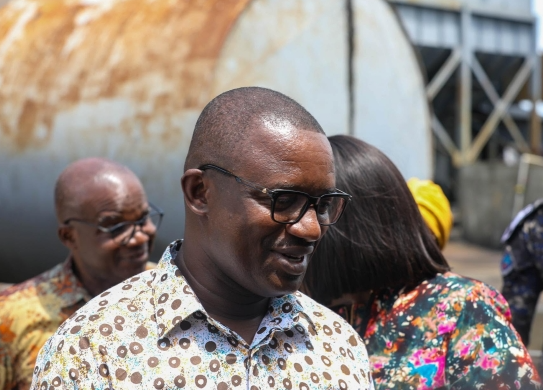
Speaking recently at the opening ceremony of the third U.S.-Africa Nuclear Energy Summit in Accra, Jinapor said that Ghana's electricity demand continues to grow, hydropower development potential is becoming limited, and thermal power generation costs are relatively high, prompting the country to explore other affordable energy options, including nuclear energy. The summit's theme was "Building and Sustaining Africa's Nuclear Workforce."
He noted that when the Akosombo Dam was first completed, Ghana's peak electricity demand was approximately 300 megawatts, while the dam's generating capacity exceeded 1,000 megawatts; currently, Ghana's peak electricity demand has risen to about 4,500 megawatts. Rising thermal power generation costs have pushed up overall energy costs, making energy mix diversification a practical necessity.
Jinapor stated that the government is strengthening communication with all parties to help the public understand the benefits, risks, and safety measures of nuclear energy. Nuclear Power Ghana, the Ghana Atomic Energy Commission (GAEC), and the Nuclear Regulatory Authority are advancing efforts to integrate nuclear energy into the national electricity grid in accordance with the International Atomic Energy Agency (IAEA) "Milestones Approach." Ghana will advance its nuclear power program in line with the highest international safety, security, and non-proliferation standards.
He also pointed out that the successful implementation of nuclear power projects requires professionals in multiple disciplines, including engineers, operators, regulators, technicians, welders, project managers, and administrators, and called for enhanced training for political leaders to better understand nuclear energy and its significance for national development.
Abdullah Baba Salifu, Chairman of the Governing Board of Ghana's Energy Commission, stated that with support from the U.S. Department of Energy, Ghana is building a regional energy training center and positioning itself as a regional hub for nuclear workforce development. The School of Nuclear and Allied Sciences at the University of Ghana has also been designated as a regional center for nuclear education.
Salifu said that Ghana's nuclear power program is advancing through Phase 2 of the IAEA "Milestones Approach," with plans to connect 1,000 megawatts of nuclear power to the national grid by 2030. He also noted that Africa's electricity demand is expected to grow by 47 percent by 2030 and to nearly seven times current levels by 2050, requiring African countries to develop new reliable energy sources.
Ghana's Minister of Lands and Natural Resources, Emmanuel Armah-Kofi Buah, called for greater participation of the African diaspora in Africa's nuclear energy development. He stated that African scientists and professionals working overseas should be considered part of Africa's human capital, and mechanisms should be established to facilitate the exchange of knowledge and expertise between the diaspora and institutions on the continent.
Michael Goff, Principal Deputy Assistant Secretary for Nuclear Energy at the U.S. Department of Energy, stated that the United States will continue to strengthen nuclear energy cooperation with African countries and support Africa in cultivating the technical workforce needed to achieve its nuclear energy goals. He said that the U.S.-Ghana Regional Energy Training Center is conducting training and technical exchanges in areas such as reactor technology, operations, cybersecurity, quality assurance, and spent fuel management.
Goff also noted that the role of artificial intelligence in the nuclear energy sector is expanding, and it can be used to accelerate reactor design, improve licensing processes, transform manufacturing and construction methods, and enhance the operational performance of nuclear facilities.
Disclaimer: Information republished from partner media, institutions or other websites is provided for reference and communication purposes only. It does not imply endorsement of its views or verification of its accuracy. Please contact us if any content infringes rights or requires correction.