
Search Results
Keyword:energy transition
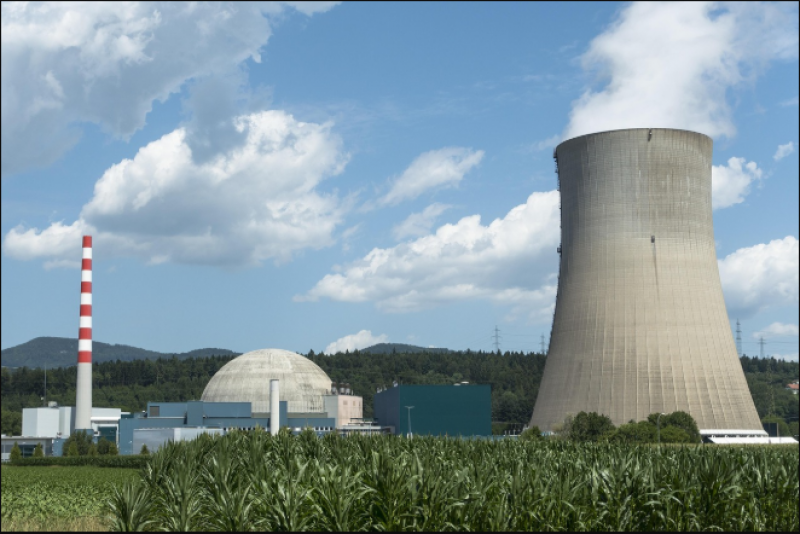
Malaysia Evaluates Inclusion of Nuclear Power in Long-Term Energy Mix
Malaysia is steadily paving the way for the future introduction of nuclear energy into its energy mix. Although such plans are unlikely to materialize in the short term, policy assessments, regulatory preparations, talent development, and business model discussions surrounding civilian nuclear energy have noticeably accelerated. The International Atomic Energy Agency (IAEA) recently held a national workshop in Malaysia to introduce a human resource development model for the nuclear sector, aimed at helping the country forecast future staffing needs and support workforce planning required for nuclear technology applications. In March this year, Malaysian Deputy Prime Minister and Minister of Energy Transition and Water Transformation Fadillah Yusof stated that Malaysia has conducted a comprehensive assessment of a potential nuclear energy program, covering policy formulation, regulatory...
2026-09-07
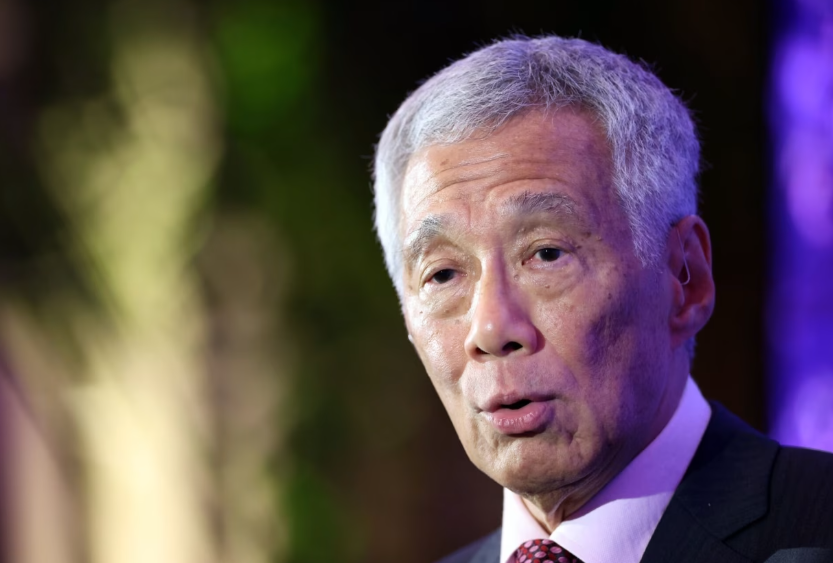
Singapore to Seriously Evaluate Nuclear Energy Options to Safeguard Energy Autonomy
Singapore's Senior Minister Lee Hsien Loong said on August 31, before concluding his official visits to Kazakhstan and Uzbekistan, that Singapore has not yet decided whether to adopt nuclear energy, but must seriously study whether nuclear energy is applicable to the country, preserving autonomous options for future energy supply and avoiding being constrained by external conditions during the energy transition. Both Kazakhstan and Uzbekistan are oil and gas producers and are also advancing nuclear power projects to enhance the resilience of their energy systems. Kazakhstan is currently building its first nuclear power plant in cooperation with Russia; Uzbekistan has held the groundbreaking ceremony for its first small modular reactor nuclear power plant and initiated design work...
2026-09-01

Ghana Says Nuclear Energy Key to Meeting Future Electricity Demand
Ghana's Minister of Energy and Green Transition, John Abdulai Jinapor, stated that Ghana will diversify its energy mix through nuclear power development, providing affordable, reliable, and low-carbon electricity for industrialization and economic growth. Speaking recently at the opening ceremony of the third U.S.-Africa Nuclear Energy Summit in Accra, Jinapor said that Ghana's electricity demand continues to grow, hydropower development potential is becoming limited, and thermal power generation costs are relatively high, prompting the country to explore other affordable energy options, including nuclear energy. The summit's theme was "Building and Sustaining Africa's Nuclear Workforce." He noted that when the Akosombo Dam was first completed, Ghana's peak electricity demand was approximately 300 megawatts, while the dam's generating capacity exceeded 1,000 megawatts; currently, Ghana's peak electricity demand has risen to about 4,500 megawatts. Rising thermal power generation costs have pushed up overall energy costs, making energy mix diversification a practical necessity.
2026-08-24
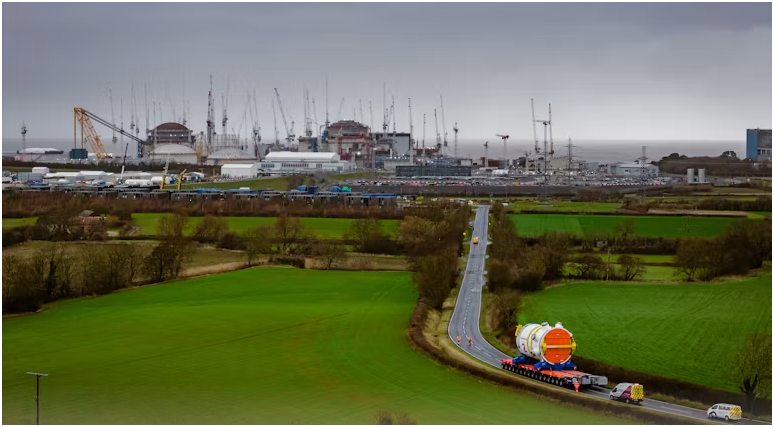
UK report calls for rebuilding nuclear power construction capability on time and on budget
The UK think tank Onward recently released a report stating that if the UK hopes to achieve affordable electricity supply and drive deep decarbonization of its energy system, it must rebuild its capability to deliver nuclear power projects on time and on budget. The report, titled "Solid Foundations: The Case for Cheap, Reliable Power," proposes that the UK should adjust its renewable-dominated power system planning and build a diversified electricity mix comprising nuclear power, renewables, and gas generation, enabling consumers to access affordable electricity when needed. The UK Nuclear Industry Association (NIA) welcomed the report, noting that the issues it raises are of practical relevance. The report recognizes...
2026-08-23
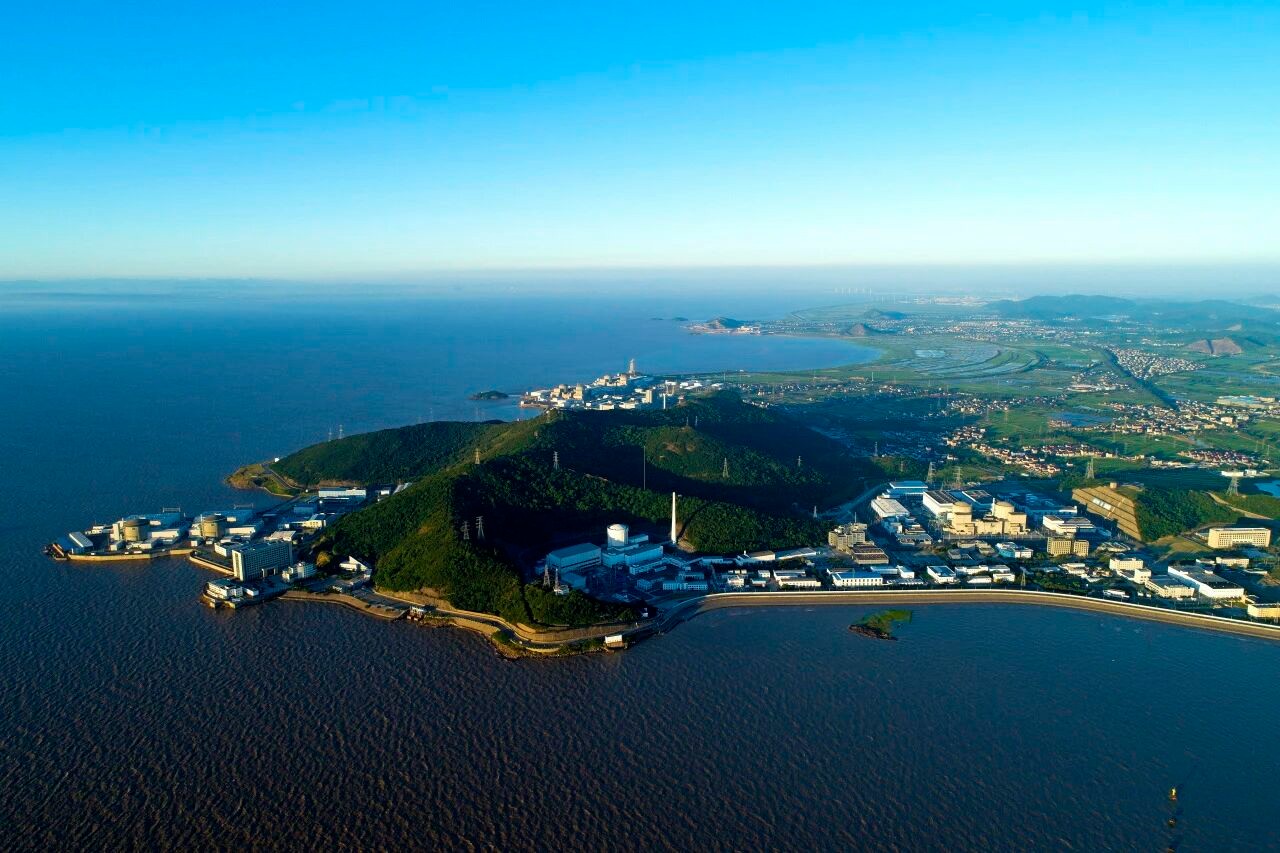
China National Nuclear Power Deeply Studies and Practices the Ecological Environment Code, Undertaking the Historic Mission of Green and Low-Carbon Energy Transition
The Ecological Environment Code of the People's Republic of China (hereinafter referred to as the Ecological Environment Code) officially came into effect on August 15, 2026. The Ecological Environment Code is an important achievement in implementing Xi Jinping's Thought on Ecological Civilization and Xi Jinping's Thought on the Rule of Law. It is the second law in China named after a "Code" following the Civil Code of the People's Republic of China, providing solid legal safeguards and fundamental legal guidance for the construction of a Beautiful China. China National Nuclear Power Co., Ltd. (hereinafter referred to as China National Nuclear Power), as a main force in China's nuclear energy development and an important force in achieving the "dual carbon" goals, deeply implements the Ecological Environment Code, practices the concept of green development, contributes safe and clean energy, and empowers the construction of a Beautiful China...
2026-08-18
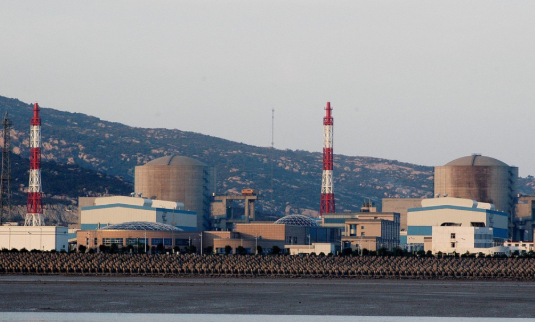
Egypt Plans to Expand Dabaa Nuclear Power Plant, Talks on New Reactors Signal Energy Transition
Egypt's Minister of Electricity Mahmoud Esmat stated that President Sisi has instructed to increase the number of reactors at the Dabaa Nuclear Power Plant. The Egyptian side is in negotiations with relevant companies, planning to add two new reactors to the existing project, with the possibility of increasing to four in the future. This means that the Dabaa Nuclear Power Plant is not only Egypt's first nuclear power project, but may also be further expanded into a core project in the country's energy structure adjustment. Located on the Mediterranean coast of Matrouh Governorate in northwestern Egypt, the Dabaa Nuclear Power Plant currently has plans for 4 nuclear power units, each with an installed capacity of 1,200 megawatts, totaling 4,800 megawatts. According to the timeline previously disclosed by the Egyptian government, the project is expected to begin power generation in 2028...
2026-08-13
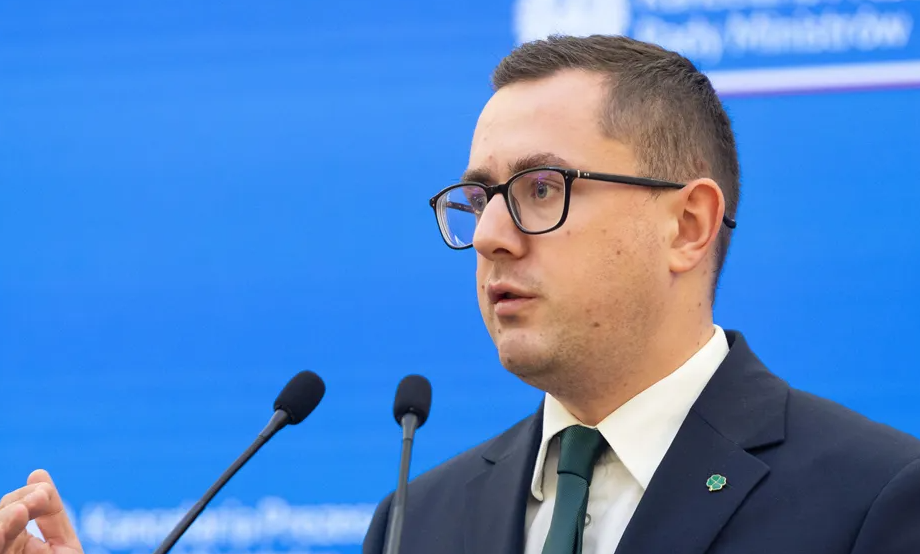
Poland Plans State Capital Injection to Accelerate GE Vernova Hitachi SMR Deployment
The Polish government is seeking to accelerate the development of small modular reactor (SMR) projects. Polish Energy Minister Miłosz Motyka stated that the government is in negotiations regarding the Polish Development Fund (PFR) taking a stake in Orlen Synthos Green Energy (OSGE), with a focus on restructuring the company's shareholding. OSGE, jointly established by Polish energy giant Orlen and chemical company Synthos, plans to build a cluster of small nuclear reactors using GE Vernova Hitachi technology from the United States. Motyka noted that the core of the current negotiations is to avoid deadlock in corporate governance. If one company holds a 50% stake, the other party or other shareholders may find it difficult to form effective checks and balances on key decisions...
2026-08-12

Deep Fission Details 'One-Mile-Deep PWR' Roadmap at Canaccord Conference, Targeting First Commercial Operation by End of 2027
On August 11, Deep Fission (FISN) unveiled a differentiated nuclear commercialization pathway at Canaccord Genuity's 46th Annual Growth Conference: rather than reinventing nuclear fission technology, the company aims to deploy mature pressurized water reactors in underground boreholes approximately one mile deep. CEO Liz Muller emphasized that the core approach is to change where reactors are deployed, not to adopt an entirely new reactor physics model. Given that PWR technology has been used in commercial nuclear power for decades, the company hopes to shorten the validation cycle by leveraging mature technology and avoid the new fuel, new material, and new design licensing hurdles faced by some advanced nuclear projects. According to the company's plan...
2026-08-12
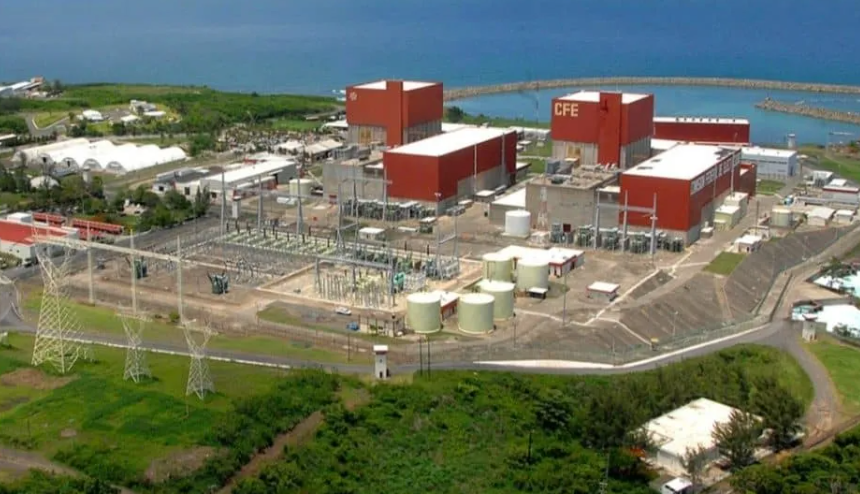
Mexico's Nuclear Power Planning Enters Critical Window, Pre-2035 Decisions Become Watershed for Energy Transition
Against the backdrop of major global economies reassessing the value of nuclear energy, Mexico's nuclear power policy is at a critical juncture of hesitation. The country currently operates only the Laguna Verde Nuclear Power Plant in Veracruz state, with two reactors totaling 1,552 megawatts of installed capacity, contributing approximately 3% of the nation's electricity. Despite its modest share, the plant's unit utilization rate approaches 88%, making it one of the most stable power generation sources in Mexico's electricity system and significant for ensuring baseload power supply. The operating licenses for Laguna Verde have been extended to 2050 and 2055 respectively, providing Mexico with a buffer period of roughly two decades. However, the issue lies in the fact that life extension does not equate to replacement planning...
2026-08-11
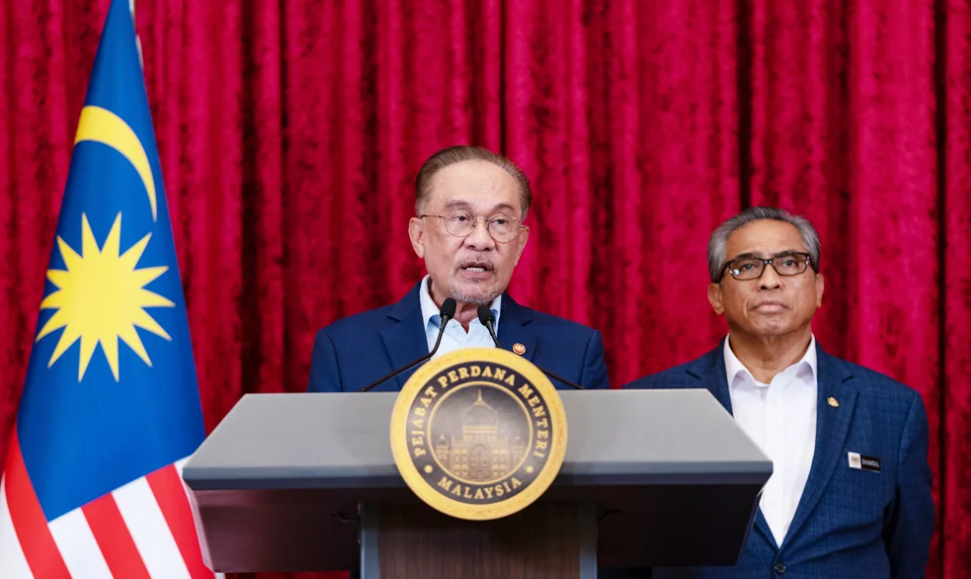
Malaysia Calls on ASEAN to Prioritize Nuclear Energy for Regional Energy Transition
Malaysian Prime Minister Anwar Ibrahim called on ASEAN countries at a regional energy conference not to overlook nuclear energy in the process of energy transition. He pointed out that as the region seeks stable, economical, and reliable energy supplies, nuclear energy deserves greater attention. Currently, although ASEAN member states are actively developing renewable energy sources such as solar and wind power, the focus on nuclear energy is notably insufficient, which is considered a regret. Malaysia has sufficient management experience and technical capabilities to explore options that can contribute to common energy goals. Prime Minister Anwar emphasized that nuclear energy can play a key role in supporting the objectives of the ASEAN Plan of Action for Energy Cooperation, especially in...
2026-07-30