
Mexico's Nuclear Power Planning Enters Critical Window, Pre-2035 Decisions Become Watershed for Energy Transition
 Scan to share
Against the backdrop of major global economies reassessing the value of nuclear energy, Mexico's nuclear power policy is at a critical juncture of hesitation. The country currently operates only the Laguna Verde Nuclear Power Plant in Veracruz state, with two reactors totaling 1,552 megawatts of installed capacity, contributing approximately 3% of the nation's electricity. Despite its modest share, the plant's unit utilization rate approaches 88%, making it one of the most stable power generation sources in Mexico's electricity system and significant for ensuring baseload power supply.
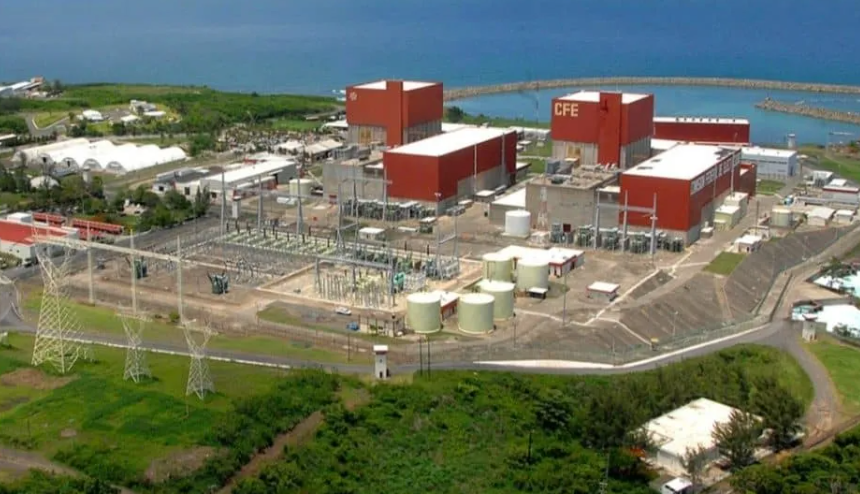
The operating licenses for Laguna Verde have been extended to 2050 and 2055 respectively, providing Mexico with a buffer period of roughly two decades. However, the issue lies in the fact that life extension does not equate to replacement planning. Energy expert Ramsés Pech points out that Mexico currently has no formal national nuclear power expansion plan, nor any related tenders, technology roadmap selection, licensing pathways for small modular reactors, or clear budget arrangements. If Mexico hopes to develop new nuclear capacity before the existing units are retired, it must make decisions by 2035.
Nuclear power projects are characterized by long lead times, stringent regulatory requirements, complex financing, and the need for long-term talent cultivation and supply chain preparation. Every year of delay reduces the likelihood of building replacement units on schedule in the future. In particular, small modular reactors are viewed as a new direction for lowering the barriers to nuclear construction, with their more compact, standardized, and scalable designs expected to shorten construction periods and reduce costs—but this equally requires establishing a regulatory framework and technical assessment system in advance.
In contrast to Mexico's hesitation, countries such as France, China, and the United States are increasing nuclear energy investment, viewing it as an important tool for meeting growing electricity demand and achieving emission reduction targets. In recent years, the U.S. government has also treated nuclear power as a key pillar of its energy strategy, accelerating nuclear project approval through executive orders and supporting the development of advanced nuclear technologies and small modular reactors. The International Atomic Energy Agency has also emphasized that nuclear energy can provide low-carbon, stable electricity and play a role in industrial decarbonization and hydrogen production.
For Mexico, the next decade will determine whether nuclear energy continues to exist in the national energy mix. In the absence of clear decisions, budget allocations, and institutional arrangements, nuclear power may not exit due to public debate or policy rejection, but rather fade away naturally through prolonged inaction. Amid growing electricity demand and rising climate target pressures, whether to formulate a nuclear energy succession strategy will become a significant test for Mexico's energy security and low-carbon transition.
Disclaimer: Information republished from partner media, institutions or other websites is provided for reference and communication purposes only. It does not imply endorsement of its views or verification of its accuracy. Please contact us if any content infringes rights or requires correction.