
Singapore to Seriously Evaluate Nuclear Energy Options to Safeguard Energy Autonomy
 Scan to share
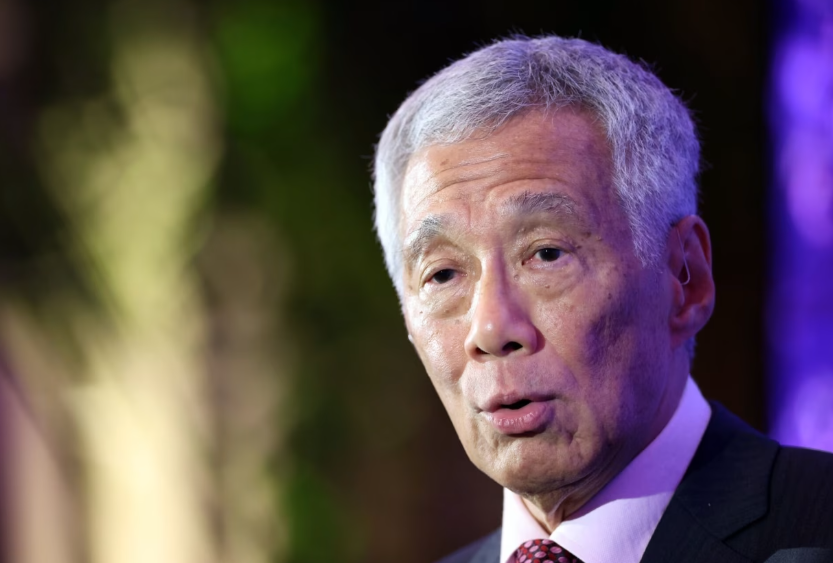
Singapore's Senior Minister Lee Hsien Loong said on August 31, before concluding his official visits to Kazakhstan and Uzbekistan, that Singapore has not yet decided whether to adopt nuclear energy, but must seriously study whether nuclear energy is applicable to the country, preserving autonomous options for future energy supply and avoiding being constrained by external conditions during the energy transition.
Both Kazakhstan and Uzbekistan are oil and gas producers and are also advancing nuclear power projects to enhance the resilience of their energy systems. Kazakhstan is currently building its first nuclear power plant in cooperation with Russia; Uzbekistan has held the groundbreaking ceremony for its first small modular reactor nuclear power plant and initiated design work.
Lee said that the energy landscape of Central Asian countries demonstrates that nuclear energy has become a difficult-to-avoid component of many countries' energy mixes if they are to achieve decarbonization and gradually reduce reliance on oil, gas, and coal for power generation. For countries that do not produce oil or gas and also have decarbonization targets, the available pathways are more limited.
Singapore submitted its Nationally Determined Contribution report to the secretariat of the United Nations Framework Convention on Climate Change in early 2025, committing to peak carbon emissions by 2028. The "Singapore Green Plan 2030" also sets out that Singapore will strive to achieve net-zero emissions by 2050. Currently, approximately 95% of Singapore's electricity relies on imported natural gas, while the country is advancing its energy transition through the development of solar power, importing low-carbon electricity, and researching other low-carbon alternative energy sources.
Lee noted that some Central Asian countries have conditions suitable for wind energy development, and he saw solar farms on his way to Samarkand, Uzbekistan. However, to secure a stable and continuous electricity supply, nuclear energy is difficult to completely exclude from the discussion. In contrast, Singapore does not produce oil or gas, and its development of solar and wind energy is constrained by geographical conditions, making decarbonization more challenging.
He stated that Singapore must take the nuclear energy issue very seriously. The country is not yet ready to make a decision, but it needs to first assess whether nuclear energy could play a role in Singapore. Singapore plans to undergo the first phase of the International Atomic Energy Agency (IAEA) Integrated Nuclear Infrastructure Review in 2027 to examine whether the country possesses the relevant capabilities for deploying nuclear energy.
Lee said that new-generation nuclear facilities are smaller in scale, safer, and require shorter safety buffer distances, which may better suit Singapore's practical conditions. However, these technologies are still in the early stages of development, and whether they will ultimately mature for application remains to be seen. Singapore must stay attentive.
Meanwhile, Singapore will continue to explore importing green energy from ASEAN and beyond the region. Lee stated that relevant arrangements must consider economic viability and pricing factors, but if Singapore lacks its own energy options, it will remain dependent on others in the long term. He said Singapore hopes to prepare for future decisions by first assessing whether relevant capabilities are in place before determining next steps; this process cannot be rushed, nor can it be delayed indefinitely.
Disclaimer: Information republished from partner media, institutions or other websites is provided for reference and communication purposes only. It does not imply endorsement of its views or verification of its accuracy. Please contact us if any content infringes rights or requires correction.