
Malaysia Evaluates Inclusion of Nuclear Power in Long-Term Energy Mix
 Scan to share
Malaysia is steadily paving the way for the future introduction of nuclear energy into its energy mix. Although such plans are unlikely to materialize in the short term, policy assessments, regulatory preparations, talent development, and business model discussions surrounding civilian nuclear energy have noticeably accelerated.
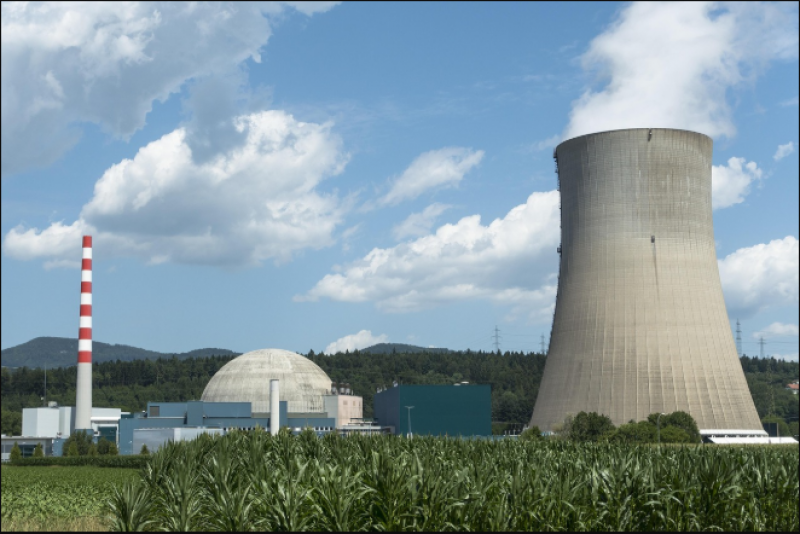
The International Atomic Energy Agency (IAEA) recently held a national workshop in Malaysia to introduce a human resource development model for the nuclear sector, aimed at helping the country forecast future staffing needs and support workforce planning required for nuclear technology applications. In March this year, Malaysian Deputy Prime Minister and Minister of Energy Transition and Water Transformation Fadillah Yusof stated that Malaysia has conducted a comprehensive assessment of a potential nuclear energy program, covering policy formulation, regulatory frameworks, project feasibility, industry participation, stakeholder communication, and human capital development. He noted that exploring nuclear power generation is intended to enhance long-term energy security and support the clean energy transition.
Malaysia's Minister of Science, Technology and Innovation, Chang Lih Kang, previously stated that the government is studying the role of nuclear energy in future power generation through a structured framework. The ministry has launched the National Nuclear Technology Policy 2030 to promote the peaceful use of nuclear technology. A pre-feasibility study commissioned by the government concluded that nuclear energy, as a clean, stable, and reliable energy source, holds potential value for Malaysia's long-term energy security.
Shan Saeed, Chief Global Economist at Juwai IQI Group, stated that under Malaysia's Thirteenth Five-Year Plan framework, nuclear power is being evaluated as a low-carbon component of the future electricity system. MyPOWER Corporation is coordinating a feasibility study aligned with the IAEA's "Milestones Approach." He noted that 2031 could serve as an initial operational target, though actual deployment still depends on safety, regulatory readiness, and commercial viability.
Growing electricity demand is a key backdrop to Malaysia's renewed consideration of nuclear energy. Data center and cloud computing investments approved by the Malaysian Investment Development Authority (MIDA) from 2021 to mid-2025 reached RM144.4 billion. As of mid-August 2025, Tenaga Nasional Berhad (TNB) had signed power supply agreements for 47 data center projects, with a maximum demand of 6.7 GW. MIDA also projects that data center electricity demand could exceed 5 GW by 2035, equivalent to approximately 18% of Peninsular Malaysia's installed capacity in 2025.
Shan Saeed believes that stable electricity supply is shifting from an infrastructure issue to a national competitiveness issue. Nuclear energy can complement Malaysia's existing renewable energy sources, providing stable power when solar output fluctuates and reducing dependence on volatile imported fuel prices. Beyond data centers, industries such as semiconductor manufacturing, electrical and electronics manufacturing, chemicals, advanced materials, and green hydrogen could also benefit.
Regarding project implementation entities, Petronas and TNB are considered to possess the foundational capabilities to participate in large-scale nuclear energy projects. Shan Saeed suggested that Malaysia could adopt a government-led, commercially operated model, with MyPOWER continuing its coordinating role, supported by the Energy Commission, the Malaysian Atomic Energy Regulatory Authority, and relevant nuclear agencies. TNB could undertake power system planning and grid connection tasks, while Petronas could contribute in complex project execution, safety management, international procurement, and capital allocation.
On the technology front, Malaysia continues to evaluate multiple civilian nuclear energy options, including third-generation nuclear fission technology, small modular reactors (SMRs), and floating nuclear energy facilities suitable for coastal nations. On July 10, 2025, Malaysia signed a Memorandum of Understanding with the United States on strategic civilian nuclear energy cooperation to support clean energy exploration and long-term energy security. Malaysia also maintains relevant cooperation with China, Russia, and other countries to enhance its readiness for safely and systematically advancing a nuclear energy program in the future.
Industry insiders believe that regardless of whether Malaysia ultimately chooses large reactors, SMRs, or floating nuclear energy solutions, it must prioritize assessments of safety regulation, construction costs, financing models, waste management, decommissioning arrangements, and public communication. Shan Saeed cited Wood Mackenzie forecasts indicating that Malaysia could begin deploying SMRs from 2035, reaching approximately 1.2 GW of installed capacity by 2050. He believes that from 2026 to 2030, priority should be given to advancing legislation, talent development, site assessment, independent regulation, financing arrangements, waste management, and dedicated decommissioning institutional frameworks.
Disclaimer: Information republished from partner media, institutions or other websites is provided for reference and communication purposes only. It does not imply endorsement of its views or verification of its accuracy. Please contact us if any content infringes rights or requires correction.