
Rosatom Says Small Nuclear Power Development Requires Regulatory Reform
 Scan to share
Rosatom Director General Alexey Likhachev said on July 5 that if Russia hopes to maintain its global leadership in the small nuclear power market, nuclear regulations and standards also need to keep pace with technological changes, particularly by revisiting the licensing and approval process for small nuclear power plants.
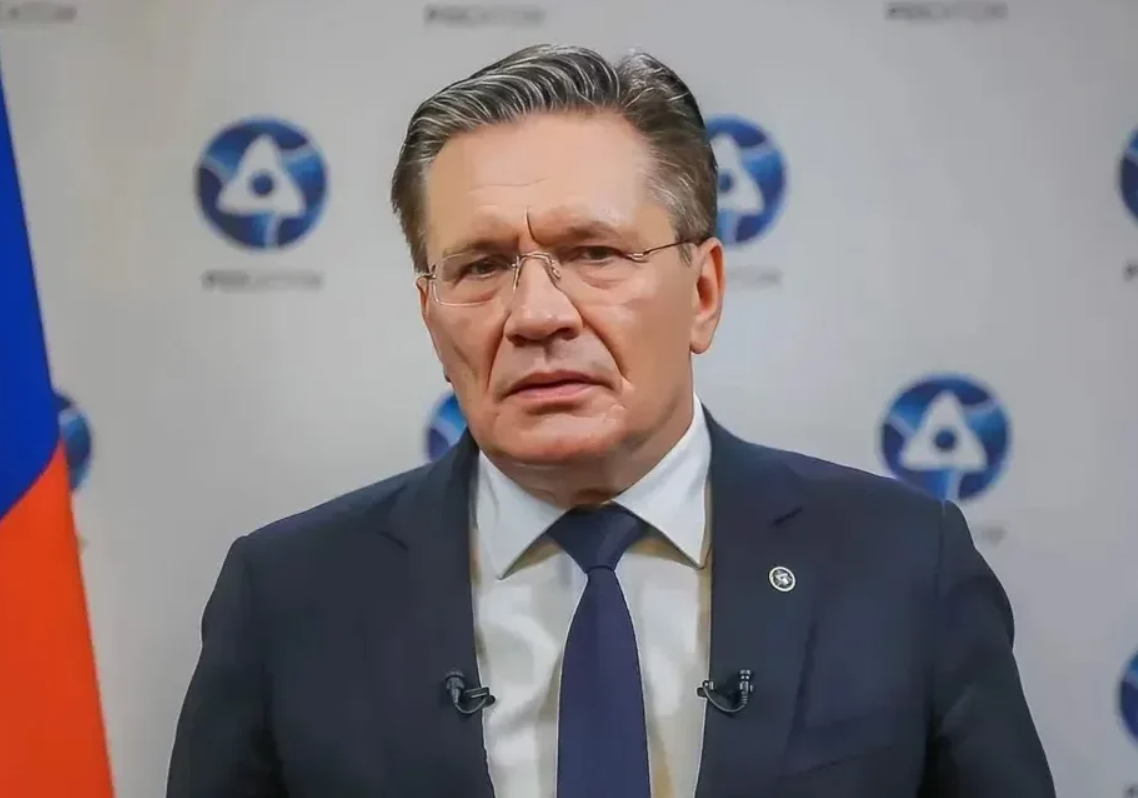
In an article published in the Rosatom Corporate Newspaper, Likhachev stated that small nuclear power plants are expected to become a significant new form of energy in the coming decades, but their deployment still faces considerable regulatory challenges. Due to the relative novelty of such facilities to regulators, approval approaches tend to be cautious. He believes that accelerating the licensing and construction process while ensuring safety has become a task of national importance.
He noted that the overly conservative regulatory tendency worldwide is weakening. The recent progress of the U.S. nuclear industry is related not only to corporate R&D and manufacturing capabilities, but also to the supportive attitude of regulators toward the companies involved. Likhachev expressed hope that Russia's nuclear regulatory reform will continue to advance, creating more efficient conditions for small nuclear power plant projects while ensuring full compliance with safety requirements.
Regarding project deployment, Likhachev stated that Rosatom remains the global leader in the small nuclear power plant segment and is expanding its product line. Currently, the company is involved in multiple R&D projects, with about a dozen small reactor designs at various stages of development and implementation.
He specifically mentioned that the RITM series reactors are currently the most mature technology and can be used for floating and land-based nuclear power plants of various power ratings. Russia's nuclear-powered icebreaker fleet is already equipped with 13 RITM reactors of different power outputs; the 14th reactor for the first new floating nuclear power plant under the Baimskoye project has been manufactured, and the second is nearing completion. In June, Rosatom launched construction of a land-based nuclear power plant in Uzbekistan, which will include two small units, with the relevant reactors also in production. Likhachev emphasized that these are not experimental installations but serial commercial solutions. Currently, the company has 11 small reactor units at various stages of production.
In addition to the RITM series, Rosatom plans to extend its product line to ultra-low power applications. Among these, the "Shelf-M" reactor unit is being actively advanced and will serve as part of the Chukotka nuclear power plant to supply electricity to the Elkon Mining and Metallurgical Enterprise. Once completed, the unit will provide 10 MW of electrical power and 35 MW of thermal power, with an operational lifespan of 60 years. Likhachev noted that the construction schedule for the "Shelf-M" nuclear power plant has been developed, site engineering surveys have commenced, the nuclear fuel lifetime testing phase has been completed, and the project investment feasibility study is nearing completion.
Regarding the application directions of small nuclear power, Likhachev emphasized that the goal of Rosatom's relevant projects is to provide clean energy to remote regions of Russia and the world, as well as to offer convenient energy infrastructure for facilities such as data centers, while improving the quality of life for local residents. He also pointed out that some U.S. small reactor projects are openly aimed at powering military infrastructure, whereas Russian projects place greater emphasis on civilian and remote-area energy supply.
Likhachev also stated that the recent acceleration of small nuclear power development in the United States demonstrates that the global trend of accelerated nuclear power deployment is becoming a reality. He congratulated his American counterparts on "bringing a microreactor to criticality for the first time in decades" and believes that the active advancement of small nuclear power projects in the U.S. further confirms the correctness of Rosatom's earlier course of building the world's first floating small nuclear power plant in Chukotka and promoting the widespread application of such projects.
Disclaimer: Information republished from partner media, institutions or other websites is provided for reference and communication purposes only. It does not imply endorsement of its views or verification of its accuracy. Please contact us if any content infringes rights or requires correction.