
Vietnam and Russia Join Forces to Accelerate Nuclear Science and Technology Research Center Project
 Scan to share
On the afternoon of July 30, Vietnamese Minister of Science and Technology Vu Hai Quan received a delegation led by Ilja Vergizajev, General Director of Rosatom Construction Technology Co., Ltd., a subsidiary of Russia's State Atomic Energy Corporation (Rosatom), in Hanoi. During the meeting, the Vietnamese side put forward three specific requests: accelerating the construction of the Vietnam Nuclear Science and Technology Research Center (CNST); supporting Vietnam in gradually mastering small modular reactor (SMR) technologies; and training human resources for Vietnam in the fields of atomic energy, radiation, and nuclear safety. Both sides confirmed that nuclear cooperation holds strategic significance and has long been a focus of high-level attention between the two countries.
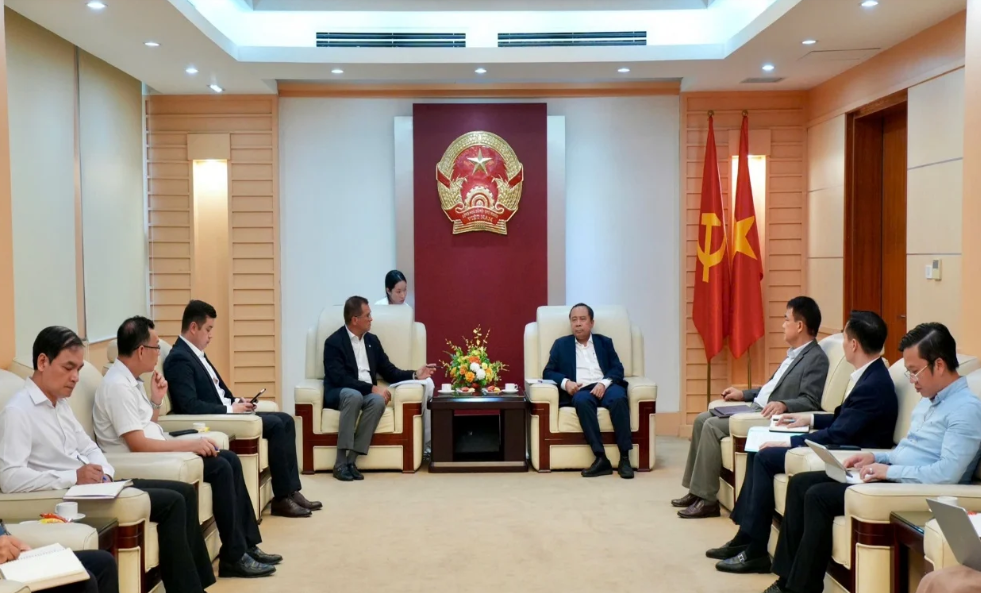
The CNST has been defined by the Vietnamese side as a "particularly important project" aimed at strengthening research capabilities, gradually localizing nuclear technologies (including SMRs), cultivating high-end talent, and expanding peaceful nuclear applications. At present, both sides are finalizing the feasibility study (FS) report and site approval documents, but technical, financial, and implementation mechanism details still require further consultation to comply with the regulations of both countries. Vu Hai Quan requested that the institutions on both sides continue coordination to finalize the FS and site documents, formulate implementation plans, and explore funding support mechanisms; Vergizajev pledged to complete the report as soon as possible and deepen collaboration in talent training, equipment localization, and subsequent research steps.
Rosatom has a long history of cooperation with Vietnam, having participated in early nuclear power concepts; from 2025 to 2026, Vietnamese Prime Minister Pham Minh Chinh and Rosatom Director General Alexey Likhachev held multiple phone calls to revive nuclear energy topics. This ministerial-level reception represents a concrete step in translating high-level political will into the CNST, a non-power nuclear platform, and does not involve the immediate commencement of commercial nuclear power plant construction, but lays the groundwork in regulations, talent, and experimental facilities for future SMR introduction. Both sides expressed confidence that, under high-level attention and institutional coordination, obstacles can be gradually removed to bring the project in line with the expected interests of both countries.
Disclaimer: Information republished from partner media, institutions or other websites is provided for reference and communication purposes only. It does not imply endorsement of its views or verification of its accuracy. Please contact us if any content infringes rights or requires correction.