
Bangladesh Highlights Potential of Nuclear Technology for Maritime Applications at ATLAS Ministerial Meeting
 Scan to share
On August 26, local time, Bangladesh's Minister of Science and Technology, Faqrul Mahbub Anam, stated at the "2026 Ministerial Launch of the Licensing of Atomic Technology for Marine Applications (ATLAS)" held in Washington, D.C., USA, that Bangladesh is committed to responsible participation in the global nuclear dialogue and believes that emerging nuclear technologies hold significant potential in the field of maritime applications.
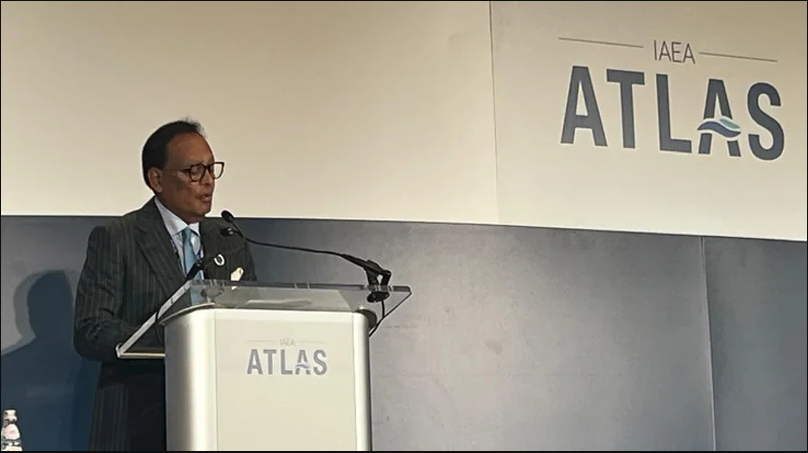
Anam stated that in the face of challenges such as climate change, energy security, and growing energy demand, the importance of nuclear energy in reducing emissions and ensuring reliable energy supply is rising. Advanced nuclear technologies, including Small Modular Reactors (SMRs), can provide stable low-carbon electricity and support economic growth, poverty reduction, and improved living standards.
He emphasized that the safe, secure, and peaceful use of nuclear energy is of great significance for addressing climate change, enhancing energy security, and promoting sustainable economic development. Referring to the first Global Stocktake under the Paris Agreement, Anam stated that Bangladesh welcomes the recognition of nuclear energy and supports the initiative to triple global nuclear power capacity by 2050.
Anam noted that Bangladesh, with its dense population and limited domestic energy resources, must meet growing energy demand while ensuring energy security and addressing climate change. Therefore, diversifying the energy mix and expanding the use of clean energy is particularly crucial for the country.
Introducing Bangladesh's nuclear power program, he stated that the actual commissioning of Unit 1 of the Rooppur Nuclear Power Plant is a significant milestone in Bangladesh's integration into the global nuclear community. At the same time, Bangladesh fully recognizes the responsibilities that accompany the development of nuclear energy and will continue to uphold high standards of nuclear safety, nuclear security, and safeguards.
Anam called for strengthened international cooperation to promote the safe and timely deployment of advanced Small Modular Reactor technologies, including those related to floating nuclear power plants. He emphasized that cooperation in areas such as technology, policy, regulation, safety, and capacity building is essential.
He also stated that ATLAS serves as an important international platform facilitating exchanges among policymakers, scientists, regulators, industry players, and other stakeholders on maritime applications of nuclear technology. Bangladesh looks forward to continuing its collaboration with the IAEA ATLAS initiative to explore opportunities in the civil nuclear maritime sector while adhering to the highest standards of safety, security, and international safeguards.
The ministerial ATLAS meeting was held in Washington, with participants including U.S. Secretary of Energy Chris Wright, IAEA Director General Rafael Mariano Grossi, as well as ministers, senior government officials, representatives of nuclear and maritime regulatory bodies, representatives of international organizations, and experts in shipping and nuclear technology from multiple countries. Representatives from 19 countries, including the United States, Bangladesh, the Netherlands, Norway, Kenya, the United Kingdom, France, Brazil, South Korea, China, and Russia, attended the meeting and related panel discussions.
Disclaimer: Information republished from partner media, institutions or other websites is provided for reference and communication purposes only. It does not imply endorsement of its views or verification of its accuracy. Please contact us if any content infringes rights or requires correction.