
Search Results
Keyword:Floating Nuclear Power Plants

China Attends the Launch Meeting of the IAEA's "Application of Technology License for At-Sea Nuclear Energy (ATLAS)" Initiative
Recently, the launch meeting of the International Atomic Energy Agency (IAEA)'s "Application of Technology License for At-Sea Nuclear Energy (ATLAS)" Initiative was held in Washington, D.C., the United States. The meeting was organized by the IAEA and hosted by the U.S. government, with approximately 600 representatives attending, including senior government officials, leaders from the nuclear and maritime industries, and technical experts from more than 50 countries and international organizations. Officials from the Ministry of Ecology and Environment (National Nuclear Safety Administration), the China Atomic Energy Authority, and the Nuclear and Radiation Safety Center of the Ministry of Ecology and Environment attended the meeting. The ATLAS Initiative aims to promote the development and deployment of civil nuclear-powered ships and floating nuclear power plants by establishing a global framework that integrates nuclear safety, nuclear security, and nuclear safeguards. At the opening of the meeting...
2026-09-11
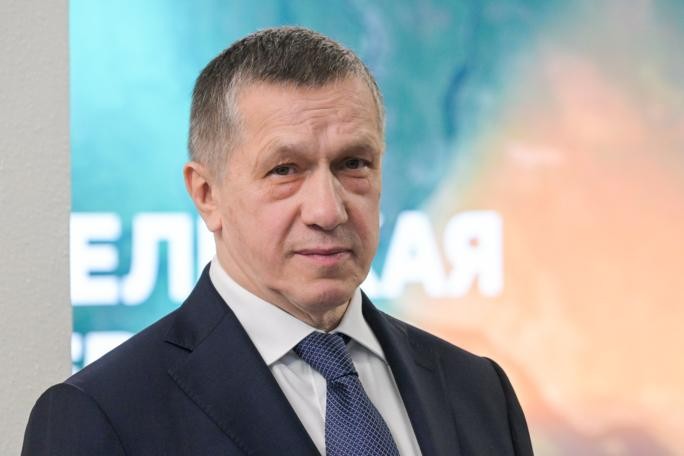
Russia Says Small Nuclear Power Plants Can Improve Energy Supply in Remote Areas
Russian Deputy Prime Minister and Presidential Plenipotentiary Envoy to the Far Eastern Federal District Yuri Trutnev said on September 3 during the Eastern Economic Forum (EEF) that deploying small nuclear power plants in remote areas of Russia, including the Arctic region, is expected to significantly change the local energy consumption structure and supply methods. Trutnev said that remote areas, especially the Arctic region, have a real demand for stable energy supply, and low-power nuclear power plants can play a role in these areas. He stated that Russia has begun constructing and deploying relevant facilities. Trutnev...
2026-09-04
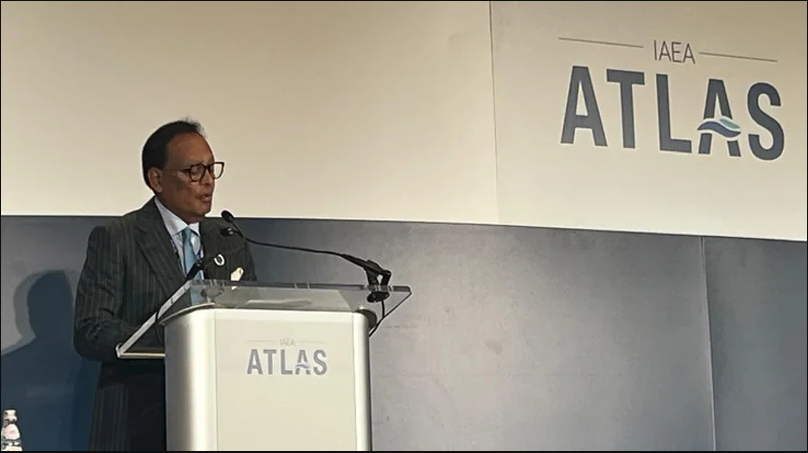
Bangladesh Highlights Potential of Nuclear Technology for Maritime Applications at ATLAS Ministerial Meeting
On August 26, local time, Bangladesh's Minister of Science and Technology, Faqrul Mahbub Anam, stated at the 2026 Ministerial Launch of the Licensing of Atomic Technology for Marine Applications (ATLAS) held in Washington, D.C., USA, that Bangladesh is committed to responsible participation in the global nuclear dialogue and believes that emerging nuclear technologies hold significant potential in the field of maritime applications. Anam stated that in the face of challenges such as climate change, energy security, and growing energy demand, the importance of nuclear energy in reducing emissions and ensuring reliable energy supply is rising. Advanced nuclear technologies, including Small Modular Reactors (SMRs), can provide stable low-carbon electricity and support economic growth, poverty reduction...
2026-08-27
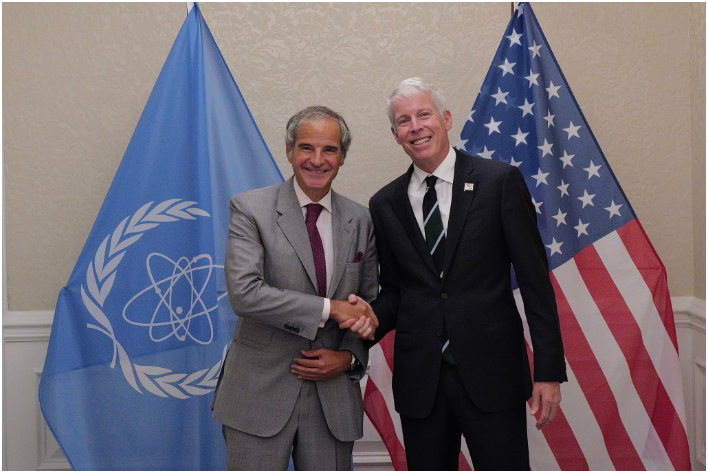
IAEA Launches ATLAS Initiative to Advance Nuclear Energy Maritime Applications
The International Atomic Energy Agency (IAEA) launched the Atomic Technology for Maritime Applications Licensing Scheme (ATLAS) on August 26 in Washington, D.C., United States, aiming to support the safe, reliable, and peaceful use of nuclear energy in civilian vessels and floating nuclear power plants. The two-day ATLAS ministerial launch event, hosted by the United States, attracted approximately 600 delegates from over 50 countries, including international organizations, nuclear and maritime industry enterprises, port authorities, and relevant regulatory and policy departments. The IAEA stated that as nuclear-powered ships and floating nuclear power plants gain increasing attention, closer coordination mechanisms between the nuclear and maritime communities are needed. Maritime shipping carries approximately 80% of global trade volume, and maritime trade demand continues to grow at around 2% annually...
2026-08-27
South Korea Joins IAEA-Facilitated International Framework ATLAS for Maritime Nuclear Energy Cooperation
The international cooperation framework for maritime nuclear energy, ATLAS, led by the International Atomic Energy Agency (IAEA), has recently been launched. The framework aims to promote international discussions on safety, security, safeguards, and legal and regulatory standards concerning nuclear applications in the maritime sector, including nuclear-powered ships and floating nuclear power plants. A South Korean government delegation attended the launch event held in Washington, D.C., on August 26-27 (local time). South Korea's Ministry of Science and ICT (MSIT) stated that with the development of next-generation nuclear technologies such as small modular reactors, the international shipping industry is increasingly focusing on utilizing nuclear energy for ship propulsion and offshore power supply, with a view to exploring new technological pathways toward carbon neutrality.
2026-08-27

IAEA Director General Unveils Upcoming New Initiative on Maritime Nuclear Energy
Rafael Grossi, Director General of the International Atomic Energy Agency (IAEA), recently stated that the Agency is preparing to launch a new initiative to promote the application of civilian nuclear technology in maritime settings. The initiative, named Atomic Technology Licensing for Maritime Applications (ATLAS), will be officially unveiled at an IAEA ministerial event scheduled for August 26-27 in Washington, D.C., United States. The initiative aims to support the deployment of maritime civilian nuclear applications such as nuclear-powered ships and floating nuclear power plants, while facilitating alignment in licensing and regulatory efforts. Grossi stated that the ATLAS initiative could support global trade and help provide energy to remote communities and industrial users...
2026-08-26
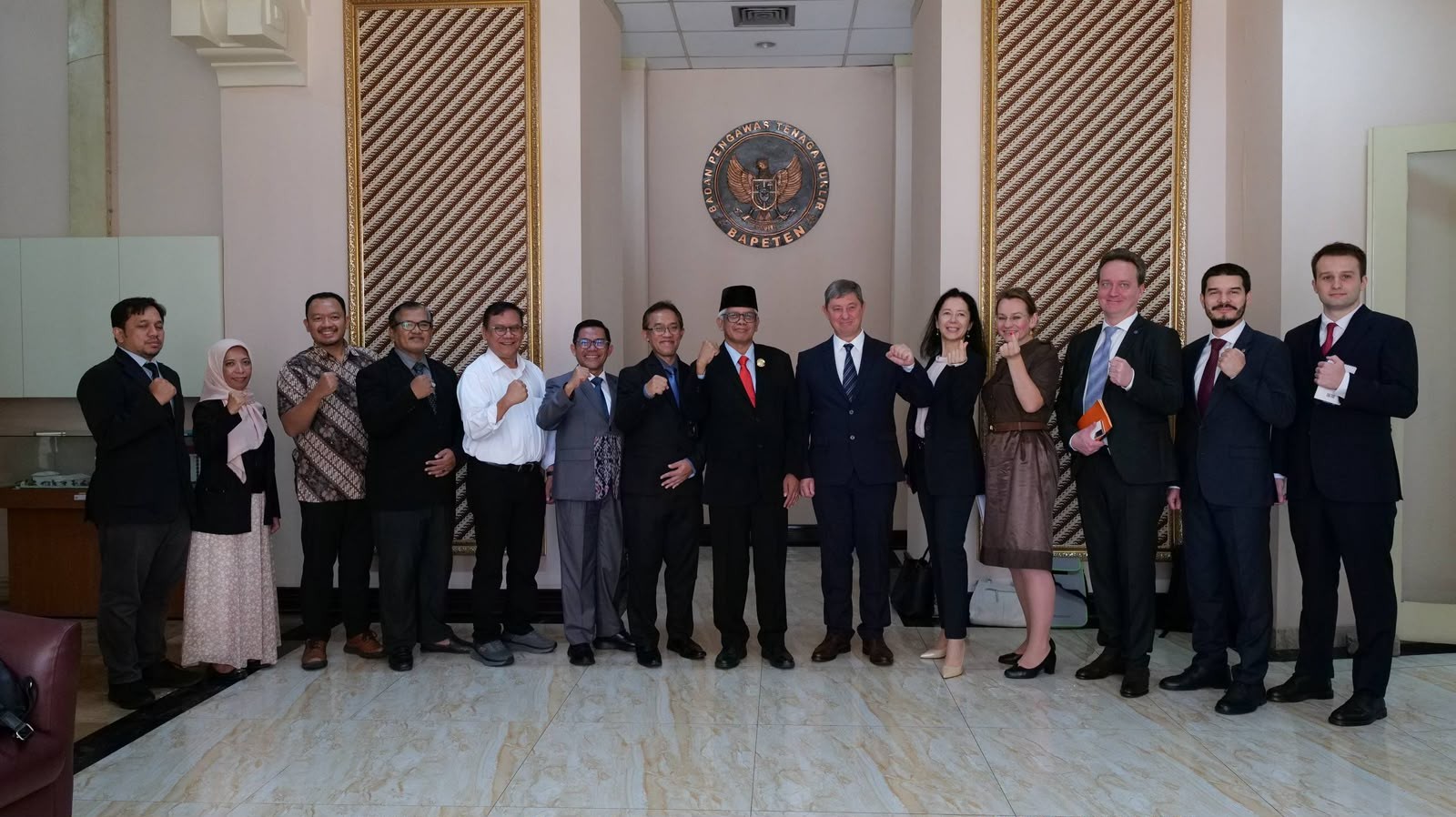
Indonesia Holds Meeting with Russia on Regulatory Framework for Floating Nuclear Power Plants
On August 18-19, Russian and Indonesian agencies held working meetings in Jakarta to discuss the development of a regulatory framework for Indonesia's nuclear energy program, covering licensing, regulatory, and safety requirements for the implementation of floating nuclear power plant projects. Deputy Chairman of the Federal Service for Environmental, Technological and Nuclear Supervision (Rostekhnadzor) Alexey Ferapontov, the head of Indonesia's Nuclear Energy Regulatory Agency (BAPETEN), representatives of Rosatom, and representatives of Indonesia's Ministry of Transportation attended the meetings. The discussions focused on cooperation prospects between the two countries' regulatory bodies in the context of developing Indonesia's nuclear energy program...
2026-08-21
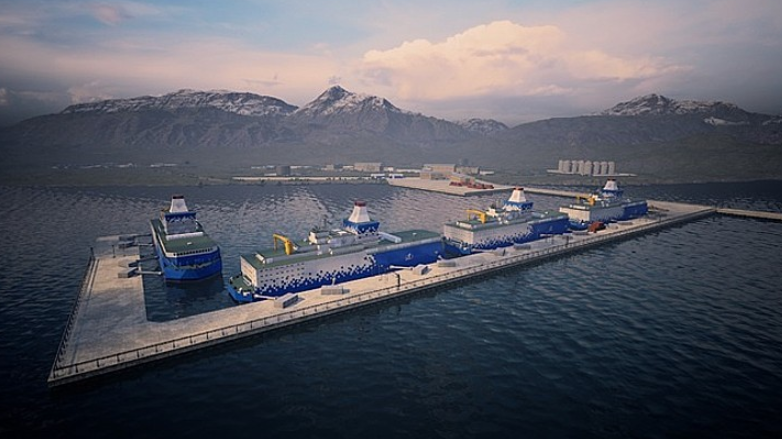
Rosatom Plans Four More Floating Nuclear Power Plants to Strengthen Energy Layout in the Arctic and Far East
Rosatom plans to build four additional floating nuclear power plants. This move indicates that Russia continues to regard small-scale nuclear energy and offshore floating nuclear power platforms as key solutions for energy supply in remote areas, particularly for the Arctic, the Far East, and resource development zones that are difficult to cover with traditional power grids. The core advantage of floating nuclear power plants lies in their deployment flexibility, providing relatively stable electricity and heat to coastal towns, port facilities, mining projects, and industrial bases. Compared with reliance on diesel, coal, or long-distance power transmission, floating nuclear power plants can reduce fuel transportation pressure and enhance energy security for large projects in remote areas. For...
2026-08-14

U.S. Moves to Relax Oversight of Small Maritime Nuclear Reactors, Promoting Civilian Floating Nuclear Energy Applications
The U.S. government is pushing to remove or simplify regulatory barriers to deploying civilian nuclear reactors on floating platforms and vessels, aiming to pave the way for small modular reactors to enter maritime shipping and offshore energy applications. The relevant topics will be highlighted during the International Atomic Energy Agency's ATLAS initiative event from August 26 to 27, with the U.S. also planning to showcase reactor technologies suitable for waterborne operations. The day prior, the U.S. will host an industry day, inviting nuclear and maritime sector companies to present their solutions. This move reflects the strategic importance the U.S. energy sector places on small modular reactors. Compared to traditional large-scale nuclear power plants, small modular reactors emphasize high energy density,...
2026-08-12
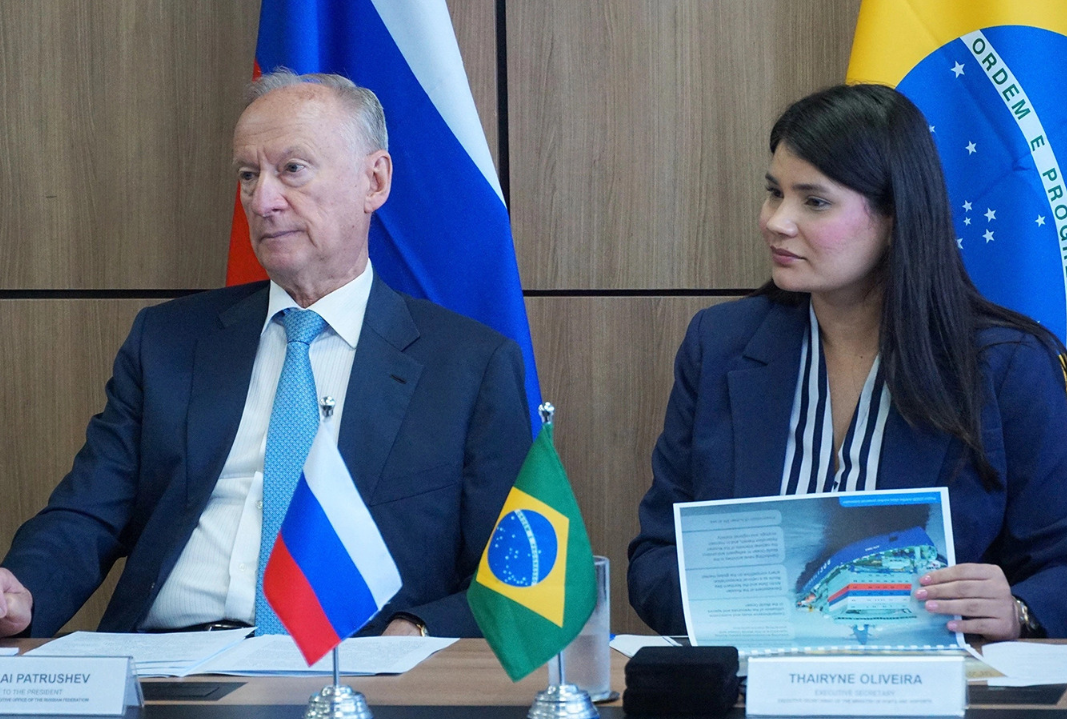
Russian Small Nuclear Technology May Help Power Remote Regions of Brazil
Nikolai Patrushev, aide to the Russian President and Chairman of the Maritime Board, stated during talks held in Brasilia on August 7 that Russia's accumulated experience in the field of low-power nuclear energy is expected to be valued by Brazil. He noted that given Brazil's ongoing development of its own ship-based nuclear reactors, relevant Russian technologies and engineering expertise could serve as a reference in this process. Patrushev mentioned that potential bilateral cooperation is not limited to ship-based reactors, but may also extend to areas such as small nuclear power plants and floating nuclear power units. Among these, the Elena-M small nuclear power plant and floating energy devices deployable in water areas or coastal regions are regarded as suitable for long-term,...
2026-08-10
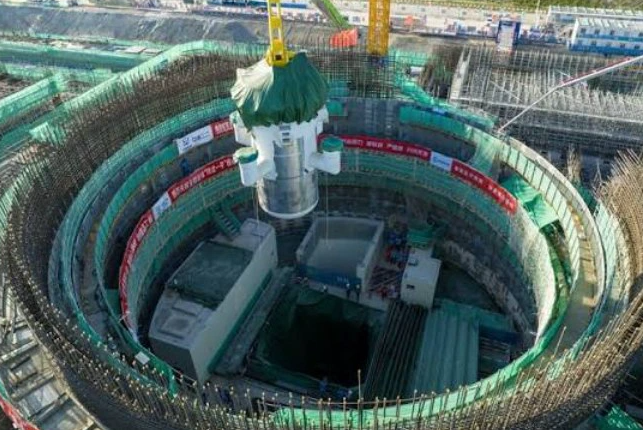
Russia Offers Brazil Nuclear Technology Cooperation and Small Modular Reactor Projects, Including Floating Nuclear Power Plants and Arctic/Antarctic Scientific Research
During his visit to Brazil, Nikolai Patrushev, aide to the Russian President and head of Russia's Maritime Board, proposed cooperation initiatives involving nuclear energy, scientific research, and maritime security to the Lula administration. This agenda indicates that Brazil continues to pursue a relatively autonomous diplomatic approach in its relations with major powers, while seeking to expand external cooperation space in areas such as energy transition, defense technology, and protection of maritime rights. In the nuclear energy sector, the Russian side focused on promoting small nuclear reactors and low-power nuclear technologies, including the Elena-M small nuclear power plant and floating offshore power generation units. The Russian side described these technologies as capable of long-term operation, relatively cost-effective...
2026-08-08