
Russia Offers Brazil Nuclear Technology Cooperation and Small Modular Reactor Projects, Including Floating Nuclear Power Plants and Arctic/Antarctic Scientific Research
 Scan to share
During his visit to Brazil, Nikolai Patrushev, aide to the Russian President and head of Russia's Maritime Board, proposed cooperation initiatives involving nuclear energy, scientific research, and maritime security to the Lula administration. This agenda indicates that Brazil continues to pursue a relatively autonomous diplomatic approach in its relations with major powers, while seeking to expand external cooperation space in areas such as energy transition, defense technology, and protection of maritime rights.
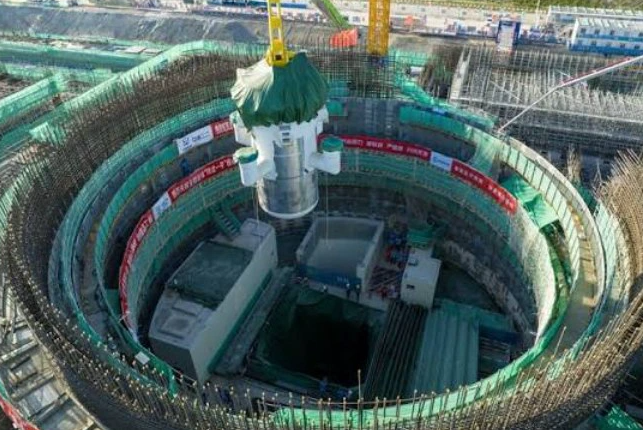
In the nuclear energy sector, the Russian side focused on promoting small nuclear reactors and low-power nuclear technologies, including the Elena-M small nuclear power plant and floating offshore power generation units. The Russian side described these technologies as "universal nuclear batteries" capable of long-term operation, relatively controllable costs, and suitable for power supply to remote areas. This aligns to a certain extent with Brazil's practical needs in regions with weak energy supply such as the Amazon, and also resonates at the technical level with Brazil's long-term goal of developing naval nuclear propulsion reactors.
The proposal also involves potential project cooperation with Russia's State Atomic Energy Corporation Rosatom and the Kurchatov Institute. Previously, Rosatom had engaged in contacts with Brazil's Âmbar Energia regarding the application of small reactors in the Amazon region, so this visit can be seen as a continuation of related negotiations and technical exchanges. However, nuclear energy cooperation typically involves multiple issues such as regulatory frameworks, safety, environmental impact, financing arrangements, and international nuclear non-proliferation obligations, and whether it can materialize still depends on the Brazilian government's subsequent policy assessment and domestic approval procedures.
Beyond energy issues, the two sides also discussed the possibility of conducting joint scientific research in the Arctic and Antarctic, and mentioned the construction of dedicated systems for monitoring and protecting Brazil's territorial waters. This direction is closely related to Brazil's needs in safeguarding marine resources, strengthening maritime situational awareness, and enhancing defense capabilities. Before meeting with Lula, Patrushev had already held talks with Brazilian Navy Commander Marcos Sampaio Olsen and the President's Special Advisor for International Affairs Celso Amorim, indicating that the relevant topics extend beyond energy cooperation to defense, sovereignty, and geostrategic dimensions.
Disclaimer: Information republished from partner media, institutions or other websites is provided for reference and communication purposes only. It does not imply endorsement of its views or verification of its accuracy. Please contact us if any content infringes rights or requires correction.